Low Profile Exhaust Fan Selection Guide

Get a Free Quote

Our representative will contact you soon.
Email
Mobile/WhatsApp
Name
Company Name
Message
0/1000
Low Profile Exhaust Fan Selection for Compact Spaces

Low Profile Exhaust Fan Selection for Compact Spaces

A low profile exhaust fan can fit a tight ceiling void, wall bay, or plant room. Yet a low profile exhaust fan must still move air through the real system. Start with the space, the airflow need, the duct route, and the power supply. Then check service room for the low profile exhaust fan, its guard, wiring, and duct joint. Taizhou Zicheng Electromechanical makes axial fans, centrifugal fans, kitchen exhaust fans, and vortex blowers. The listed products are axial-fan references, not confirmed low profile exhaust fan models. Send a sketch, opening size, airflow goal, and site conditions. The team can review whether a low profile exhaust fan layout and suitable fan type can be proposed for the job.
Get A Quote

Manufacturer Context for Ventilation Projects

Use supplier facts with the job data needed for a compact exhaust plan.

Direct Fan Manufacturing

Taizhou Zicheng Electromechanical is identified in its merchant profile as a manufacturer with direct production capability for its fan products. Buyers can discuss a low profile exhaust fan request with a direct product source.

Broad Fan Product Range

The product scope includes axial fans, centrifugal fans, kitchen exhaust fans, and vortex blowers. This range helps when a low profile exhaust fan request may need a different layout or fan type.

Ventilation-Focused Expertise

The company focuses on electromechanical products for industrial ventilation. Buyers can share airflow, pressure, space limits, voltage, and air conditions for a low profile exhaust fan review.

Related products

Confirm Space Before Fan Choice

Confirm Space Before Fan Choice

The portable axial flow fan can connect with telescopic air ducts. It is a useful reference where a duct route or access point matters. It is not proof of a low profile exhaust fan for a fixed site. For any low profile exhaust fan project, first check depth, opening size, duct joint, power, and service space. These details guide a safe choice.

Measure the Space First

A low profile exhaust fan is a space-led choice. Measure the free depth above the ceiling or behind the wall. Mark pipes, wires, lights, filters, and dampers. Check the opening size too. A low profile exhaust fan may fit the opening but still lack room for its duct collar or guard.

Show the full space on a sketch. Include the place for wiring and service. A low profile exhaust fan needs room for a worker to inspect and remove parts. Do not rely on one outside size alone.

Set the Airflow and Pressure Need

A low profile exhaust fan must work with the whole air path. A short duct acts unlike a long duct with bends. Grilles, dampers, filters, and outlets also add drag. Give the airflow goal and the duct details before you choose a low profile exhaust fan.

  • List the duct size, length, bends, branches, grilles, and filters.
  • State if the low profile exhaust fan will push or pull air.
  • Give the airflow goal and any known pressure value.

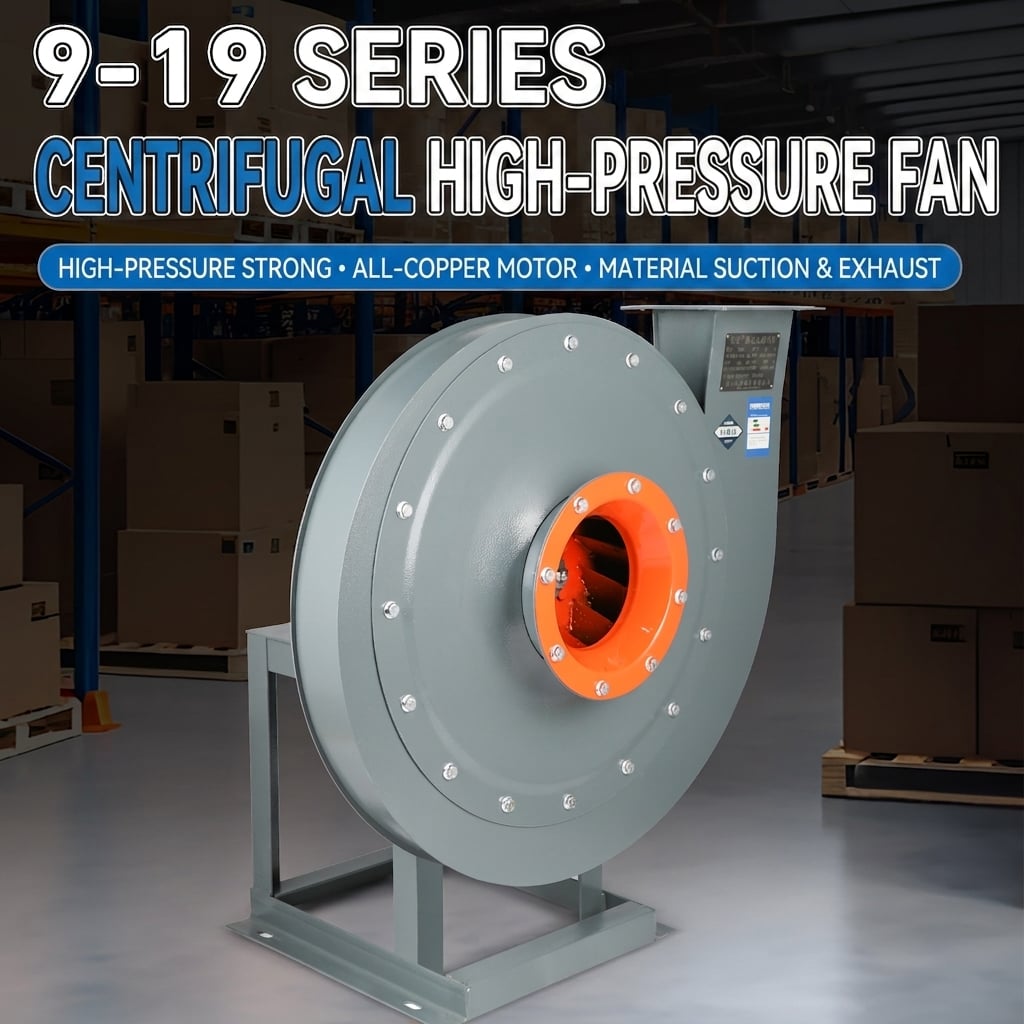
Rated airflow is only one data point. A low profile exhaust fan can give less air when the route has high drag. For long or tight routes, an axial fan may not suit the task. The right fan type depends on airflow, pressure, sound limits, and room for the unit.

Use Product References With Care

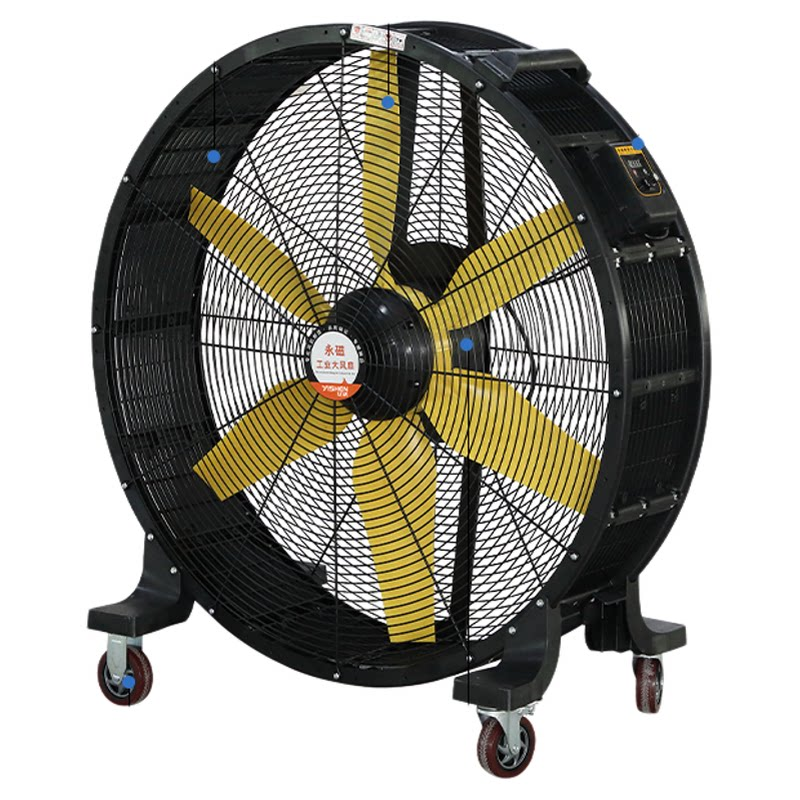
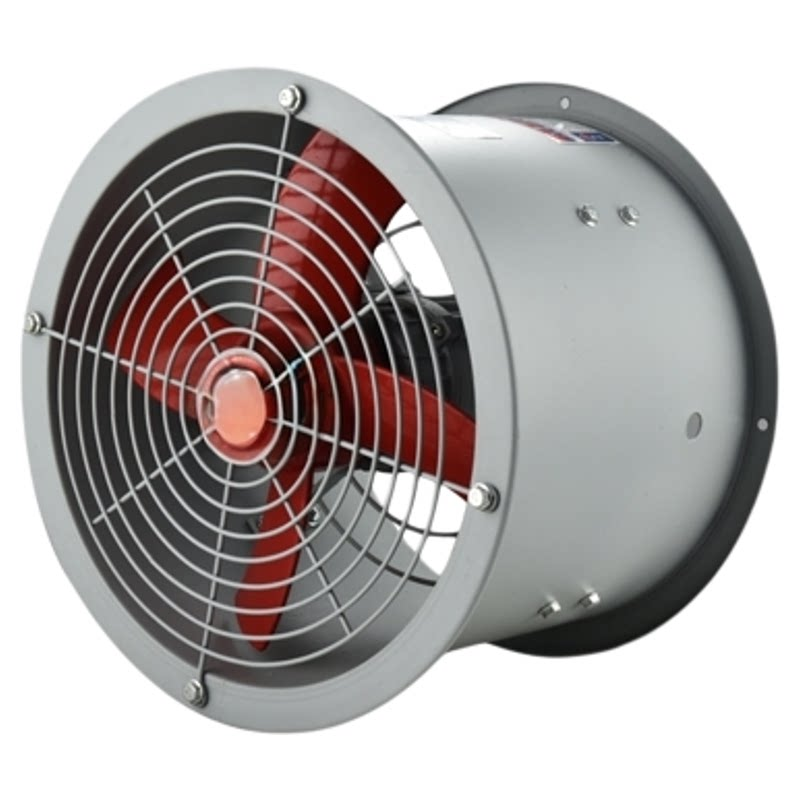
The listed products are axial-fan references from the current catalog. They are not confirmed low profile exhaust fan models. The stainless steel axial fan record lists configurations with airflow from 2,100 to 39,000 m³/h. That fact does not tell us if it fits a shallow site.

The portable axial flow fan can link to a telescopic duct. It can help when a job needs a movable route. It does not prove that it is a low profile exhaust fan for a fixed ceiling or wall. Ask for a check of size, mount style, power, and service access.

Check the Air and the Site

Heat, damp air, dust, vapor, and wash-down work can change the fan need. A low profile exhaust fan for a drying room may need different parts from one for a clean room. Give the true air condition. Do not assume a rating from the page topic or a product photo.

Plan for cleaning and repair. A low profile exhaust fan placed where no one can reach the box, guard, or fasteners can be hard to keep in use. Leave room for the duct clamp and site safety steps.

Send Clear Project Data

For a low profile exhaust fan review, send photos or a sketch, free width and depth, opening size, airflow goal, duct route, voltage, and air condition. State if the unit is fixed or moved from place to place. Taizhou Zicheng Electromechanical can review this data against its axial, centrifugal, kitchen exhaust, and blower product scope. This helps separate a low profile exhaust fan request from a job that needs a different fan or layout.

A low profile exhaust fan request is easier to assess when the site drawing shows both the fan space and the duct space. It also helps to name the room use and the planned run time. This keeps the low profile exhaust fan discussion tied to the real job.

Low Profile Exhaust Fan FAQ

Practical questions for compact ventilation planning.

What makes an exhaust fan low profile?

A low profile exhaust fan has to meet a tight space limit. The term does not define airflow or pressure by itself. Measure the allowed depth, width, height, opening size, duct joint, and access space. A low profile exhaust fan body may fit, while its motor, guard, or service path may not. Send a drawing or photos so the full low profile exhaust fan layout can be checked before a model is chosen.
Start with the required air movement, then map the full duct route. Bends, grilles, dampers, filters, and outlets add drag. A low profile exhaust fan needs to meet airflow at the real pressure, not just an open-air value. Send the airflow goal, duct size, duct length, site condition, and any pressure value. This helps show if a low profile exhaust fan or another fan type is the better fit.
An axial fan can suit some short or low-drag routes. The result depends on the real pressure and duty point. A low profile exhaust fan on a long route with many fittings can move less air than expected. The listed products are axial references, not a claim that each compact job uses an axial design. Confirm the duct path, airflow goal, and pressure need before you order a low profile exhaust fan.
Send the site location, free mount size, opening size, airflow goal, duct route, voltage, air heat, damp level, and any dust or vapor. Say if the unit is fixed or portable. For a low profile exhaust fan, photos and a simple sketch are useful. State sound, cleaning, material, and service needs as well. This lets the supplier review a low profile exhaust fan request without assuming an unverified product layout.

Related article

How to Choose a Reliable Centrifugal Fan Manufacturer in China (2026 Buyer's Guide)

14

Sep

How to Choose a Reliable Centrifugal Fan Manufacturer in China (2026 Buyer's Guide)

A practical 2026 buyer's guide to choosing a trustworthy centrifugal fan manufacturer: certifications, quality control, SS304 materials, OEM support, MOQ and delivery.
View More
How to Choose the Right Aquaculture Aerator for Your Fish Farm (2026 Buying Guide)

14

Sep

How to Choose the Right Aquaculture Aerator for Your Fish Farm (2026 Buying Guide)

Paddle wheel, impeller or vortex? Learn how to size a pond aerator, cut energy costs and find a reliable aquaculture aerator manufacturer for your farm.
View More
Industrial Ventilation Fan Selection Guide: Axial vs Centrifugal vs Mixed Flow

14

Sep

Industrial Ventilation Fan Selection Guide: Axial vs Centrifugal vs Mixed Flow

Compare axial, centrifugal and mixed flow industrial ventilation fans by pressure, airflow and noise, and learn how to buy direct from a factory.
View More

Get a Free Quote

Our representative will contact you soon.
Email
Mobile/WhatsApp
Name
Company Name
Message
0/1000