Define the Airflow Need
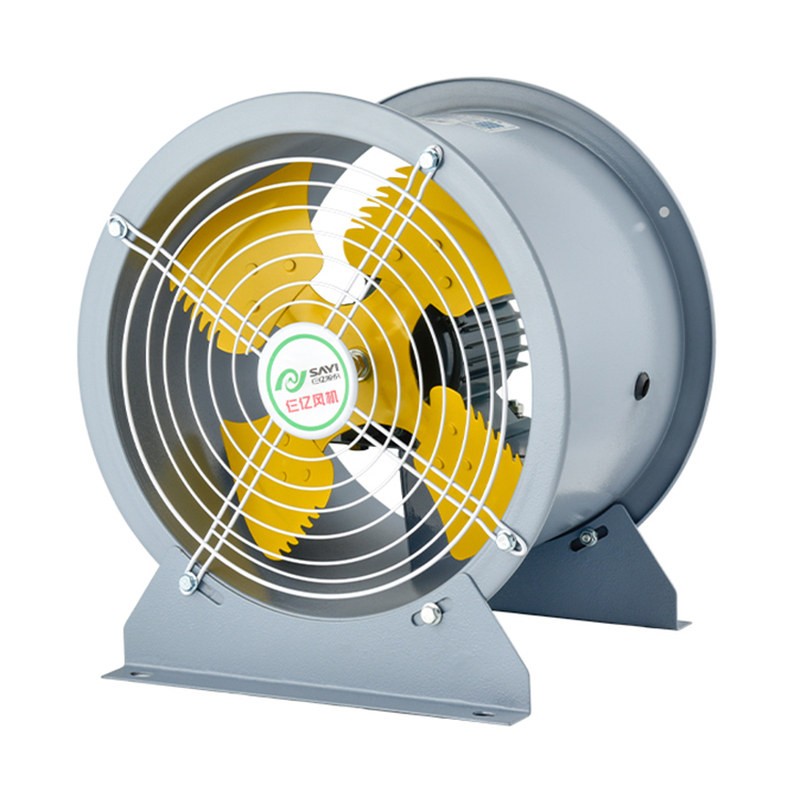
Start an axial duct fan request with the place where air must enter or leave. State the job. It may be fresh-air supply, heat removal, drying, or local exhaust. Then state the target airflow. An axial duct fan works with the system around it. A free-air figure alone does not describe the installed result.
For each axial duct fan, record the duct size, route length, and number of bends. Record any grille, filter, damper, or other item in the air path. These parts can add resistance. The supplier can then review the axial duct fan as part of a system, not as an isolated product.
Map the Axial Duct Fan Route
Make a simple sketch for the axial duct fan route. Show the inlet, outlet, fan position, and changes in duct size. A short straight route may behave very differently from a long route with tight turns. Sharp bends and sudden reductions can affect the air path. Do not choose an axial duct fan only because its opening looks close to the duct size.
- Measure the clear duct connection and note whether the duct is rigid or flexible.
- Count bends, reducers, branches, guards, and filters in the air path.
- Show where air enters and where it leaves, so recirculation can be considered.
- Plan support and service space for the axial duct fan and its duct connection.
These steps do not promise a result. They give the supplier the facts needed to discuss an axial duct fan with the project team. If the route has high resistance, compare other fan types before a final choice is made.
Check Axial Duct Fan Air Conditions
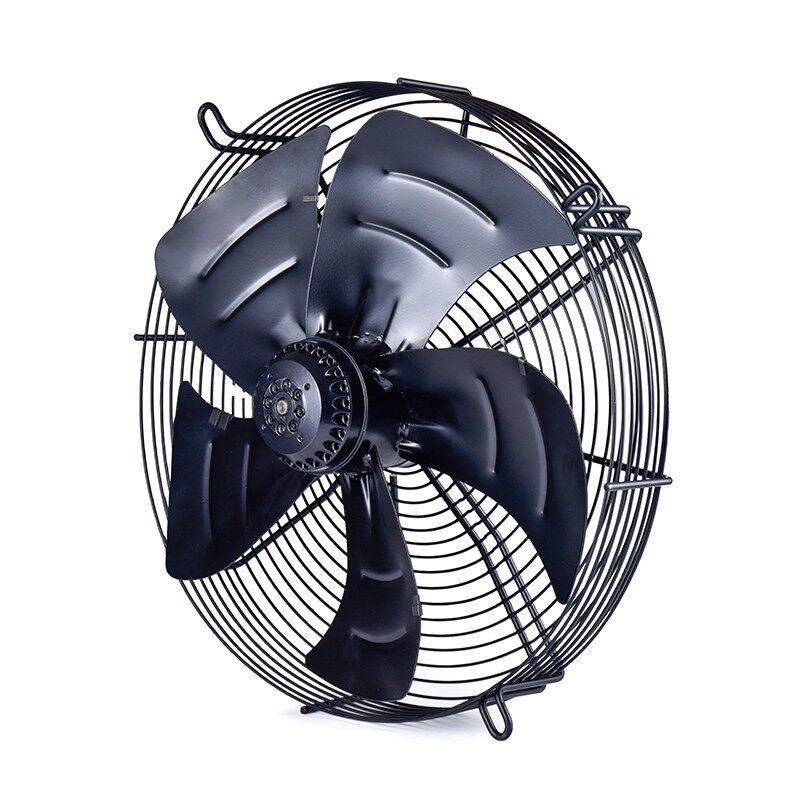
List the temperature, moisture, dust, and other site conditions. These facts matter for an axial duct fan. The current 304 Stainless Steel Axial Fan 200°C for Drying Rooms is a product reference for a drying-room setting. Its title states 304 stainless steel and a 200°C boundary. Review the full product record before it is used for a specific axial duct fan project.
The Aluminum Blade Axial Fan 39,000 m³/h for Tobacco Curing is another current product reference. It gives a named curing use and an airflow figure. It can help start a discussion about high-volume air movement. It does not mean that the highest stated figure is right for every axial duct fan route. The duct path and site conditions still need review.
Separate Axial Duct Fan Uses
A fixed axial duct fan and a portable fan serve different jobs. The Portable Axial Flow Fan 10,000 m³/h for Confined Spaces is a current on-site reference for portable use. Its product information describes use with telescopic air ducts. This can be useful when the route must move with the work area.
Do not treat a portable axial duct fan setup as the same as a permanent installation. Compare the duty cycle, power connection, duct attachment, guarding, and need to move the unit. Confined-space work also needs the site’s own safety process. An axial duct fan selection should fit the work plan as well as the air path.
Send an Axial Duct Fan Inquiry
A clear axial duct fan inquiry includes the application, airflow target, duct diameter, route length, bends, power supply, mounting point, and air conditions. Add a photo or sketch when possible. For a replacement axial duct fan, add the old model details and describe the problem. The old unit may not be the best match for the current route.
Taizhou Zicheng Electromechanical Co., Ltd. offers axial fans in a wider industrial fan range. Use the inquiry form to share the facts needed to compare an axial duct fan product for your project. This allows a practical review of the route, the environment, and the required airflow before ordering.

 EN