Map the Air Path First
An axial ventilation fan is often used where air moves through an opening, a short duct, or an open area. Start with the air path. Mark where air enters and where it leaves. Note grilles, bends, filters, and nearby equipment. These items create resistance. They can change the result after an axial ventilation fan is installed. An axial ventilation fan plan should also show where discharged air will go.
For supply air, identify the fresh-air source and the route for displaced air. For exhaust, identify what leaves the space and where it goes. An axial ventilation fan may not suit a long or restricted route. If the path has many bends or filters, give the full layout to the supplier. Another fan arrangement may be a better fit.
Set the Duty for the Axial Ventilation Fan
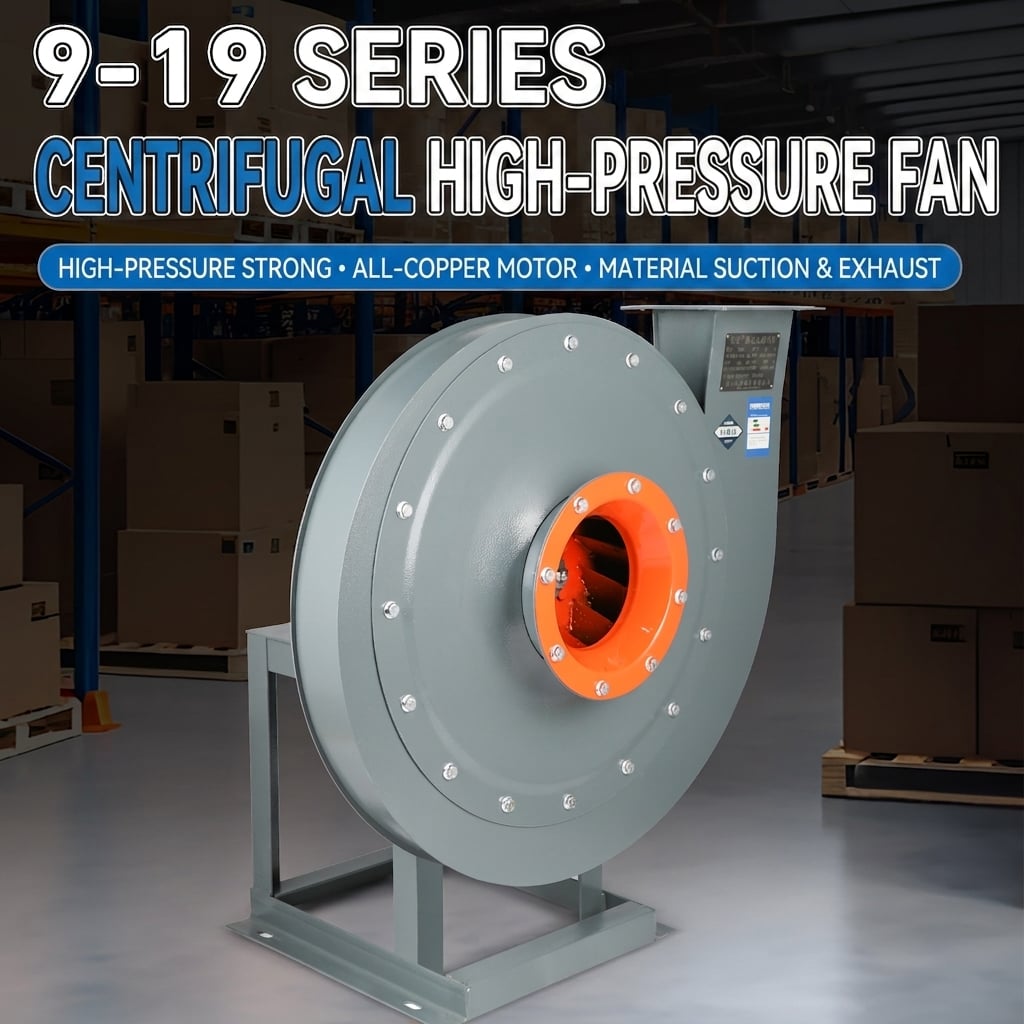
Write a short project brief before you choose an axial ventilation fan. Include room volume, process heat, moisture, dust, and the aim of the system. A drying room, a tobacco-curing room, and a confined-space task are different jobs. They need different checks. The selected axial ventilation fan products give three starting directions, but they do not replace a site review.
- State the required airflow and the normal running time.
- List the duct size, length, bends, grilles, and filters.
- Say if the axial ventilation fan will supply air, exhaust air, or move air within a space.
- Give the available voltage, mounting size, and quantity.
Do not choose an axial ventilation fan only by the largest airflow figure. A large unit can be a poor fit for the route, noise needs, or power supply. A small unit can also miss the ventilation goal. The useful axial ventilation fan choice is the one that matches the installed system.
Match the Product to the Environment
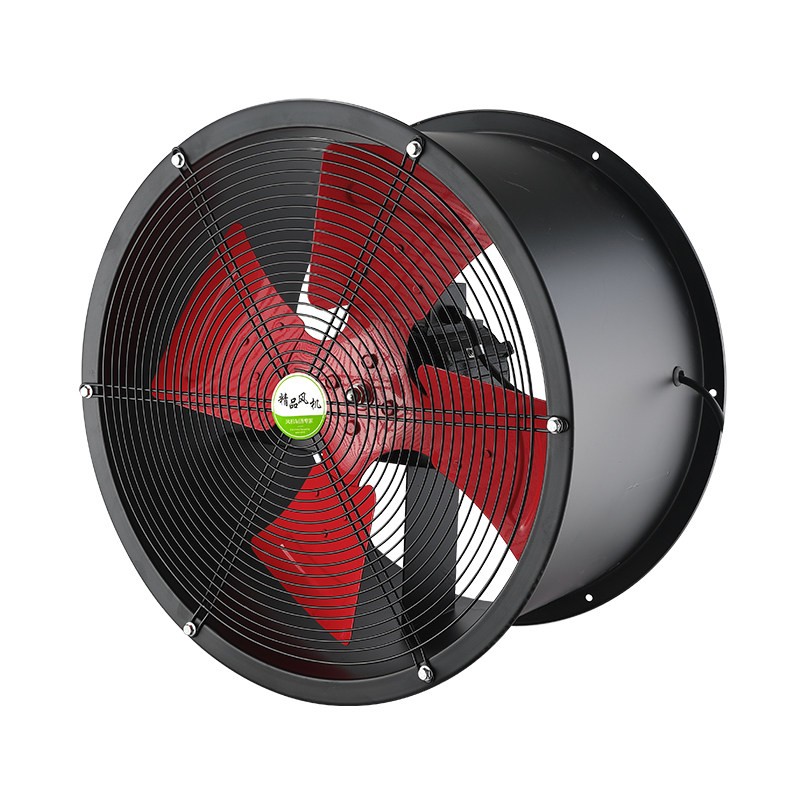
Site conditions guide an axial ventilation fan discussion. The 304 Stainless Steel Axial Fan 200°C for Drying Rooms is named for drying-room use. Its title makes it a relevant option to discuss for that type of project. Confirm the real temperature, moisture, exposure, and mounting position. Do not apply an axial ventilation fan product title to every site or every configuration.
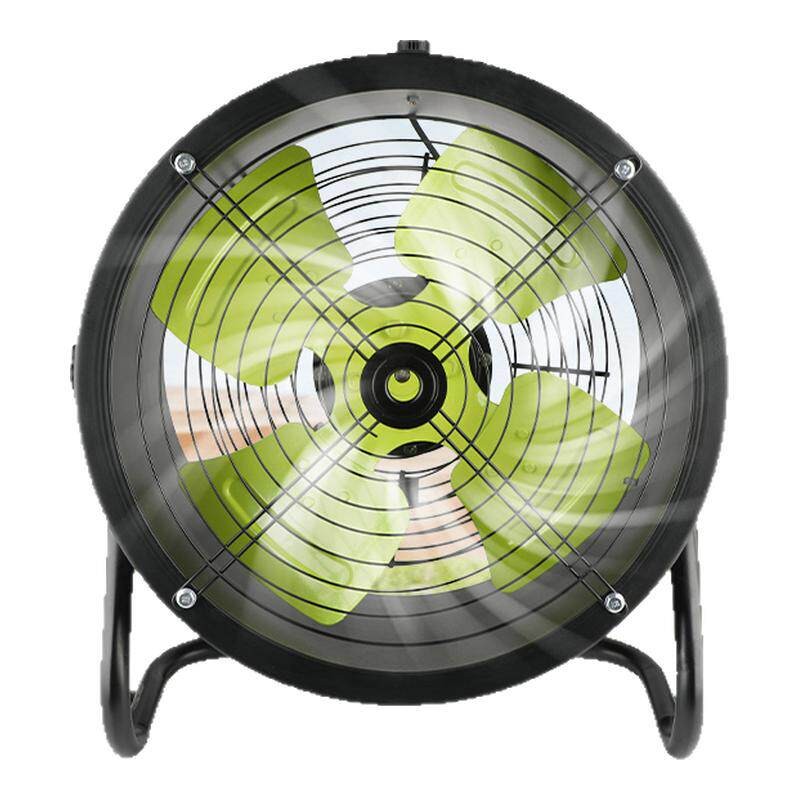
The Aluminum Blade Axial Fan 39,000 m³/h for Tobacco Curing is named for tobacco curing. The Portable Axial Flow Fan 10,000 m³/h for Confined Spaces is named for confined spaces. Treat each axial ventilation fan product as an application direction. Ask if the unit will be fixed or moved. Ask if it will meet moisture, residue, or heat. Ask if service access is available.
Plan the Installation
Good installation supports an axial ventilation fan choice. Check the wall or frame, opening size, guard, cable route, drainage, and service space. If ducting is used, record its diameter, length, bends, and discharge point. Do not leave the duct connection until the end of an axial ventilation fan project.
For a portable axial ventilation fan, plan where the unit and duct will stand. Plan how the discharge route is controlled. For a fixed axial ventilation fan, check vibration, guarding, weather exposure, and access before purchase. Photos and a simple drawing often explain the site better than a product name.
Send a Clear Quote Request
A clear request helps the supplier ask useful follow-up questions. Include the application, air direction, target airflow, duct layout, site conditions, voltage, mounting need, and quantity. If this is a replacement, share the old fan nameplate and photos. Also describe the issue in the installed system. This gives a sound basis to discuss an axial ventilation fan or another approach for the project.

 EN