Start With the Air Path
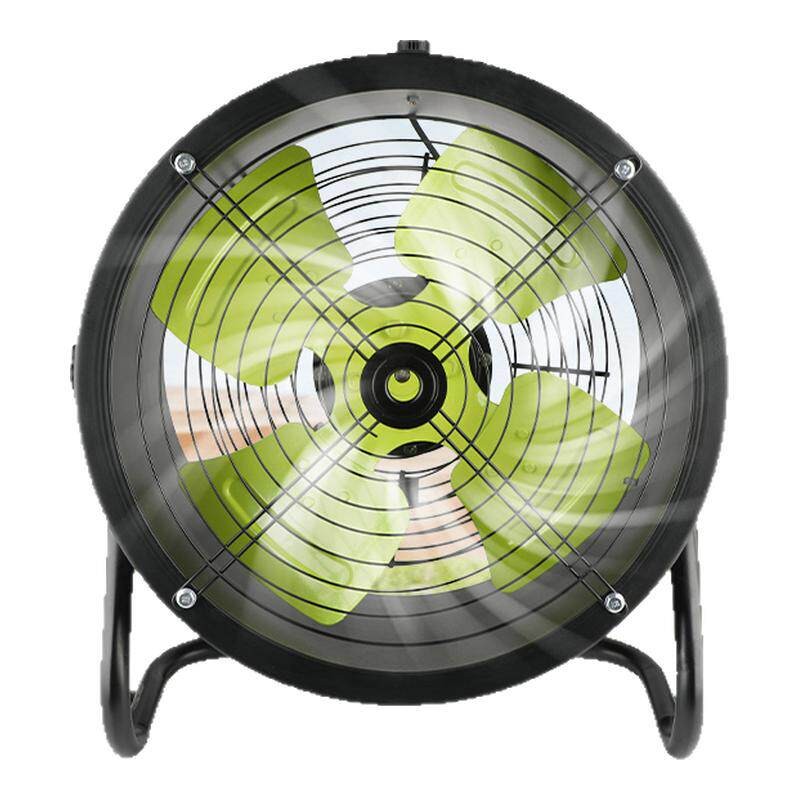
V flow fans usually describe axial-flow equipment. Air moves in line with the fan shaft. This suits projects that need a clear supply or exhaust path. The name is not a full selection brief. A fan can move air freely at an open inlet. It can move less air after a duct, guard, louver, filter, bend, or outlet is added. For v flow fans, first map where air enters and where it must leave.
Record the room size, target air movement, duty cycle, and mounting point. For ducting, record the diameter, length, bends, transitions, filters, and outlet parts. These details show whether the task is simple air movement or a system with more resistance.
Check Airflow and Resistance
Airflow is only one selection factor. V flow fans often fit jobs that need high air volume with lower resistance. A long or complex duct route needs a closer look at pressure. There is no single right choice from airflow alone. The better fit depends on the installed air path.
- For an open drying room, define the area and the direction of airflow.
- For a ducted route, list each bend, grille, damper, and filter.
- For temporary v flow fans, include the distance to the work zone and discharge point.
- For a replacement, compare mounting size and electrical supply.
Treat a rated airflow figure as a starting point. Check the final choice against the real air path and operating conditions.
Choose for the Working Environment
Temperature and moisture affect the choice. The 304 Stainless Steel Axial Fan 200°C for Drying Rooms is listed for drying rooms. Its product record states temperature resistance up to 200°C and an airflow range of 2,100–39,000 m³/h. Check the actual temperature at the fan, not only the process temperature in the room.
The Aluminum Blade Axial Fan 39,000 m³/h for Tobacco Curing is listed for tobacco-curing work. Its product record describes aluminum blades and Class F or H motor insulation options. Those facts do not replace a site review. Ceiling height, moisture, loading, and room layout can change air coverage.
Use Portable Fans for Temporary Work
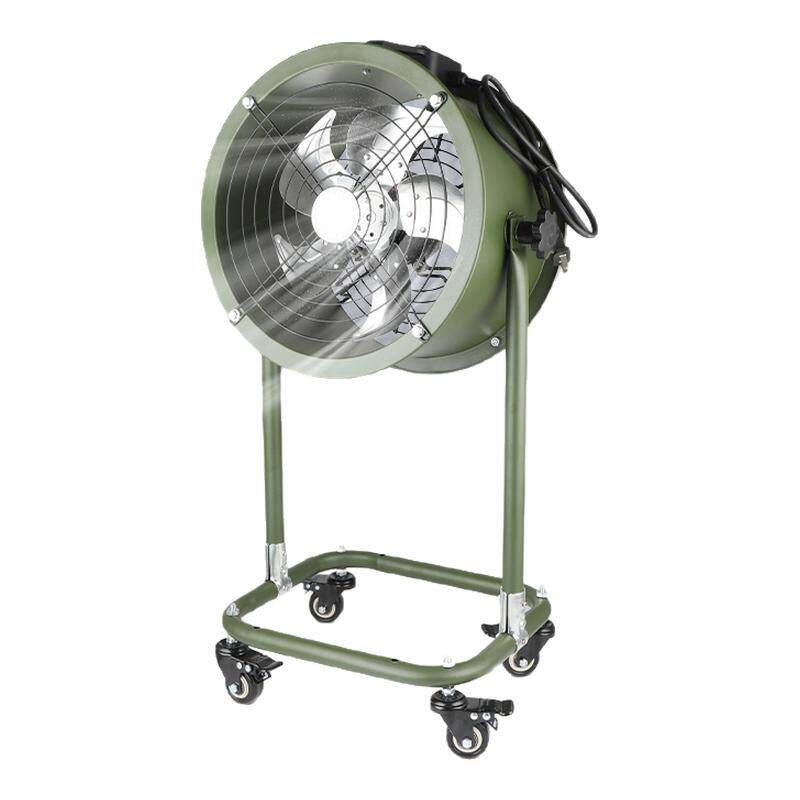
A fixed fan is not always the right choice. The Portable Axial Flow Fan 10,000 m³/h for Confined Spaces is a starting point for maintenance, temporary extraction, shipyard work, or enclosed-space ventilation. Its record describes a portable format and telescopic duct use. The CTF series is listed from 3,000 to 10,000 m³/h.
Portable v flow fans also have limits. They do not replace a fixed extraction system that faces continuous, high-resistance demand. For temporary reach into an enclosed area, weigh duct length and discharge routing before choosing. For any confined-space task, follow site safety procedures and confirm the full ventilation plan with qualified personnel.
Prepare a Selection Request
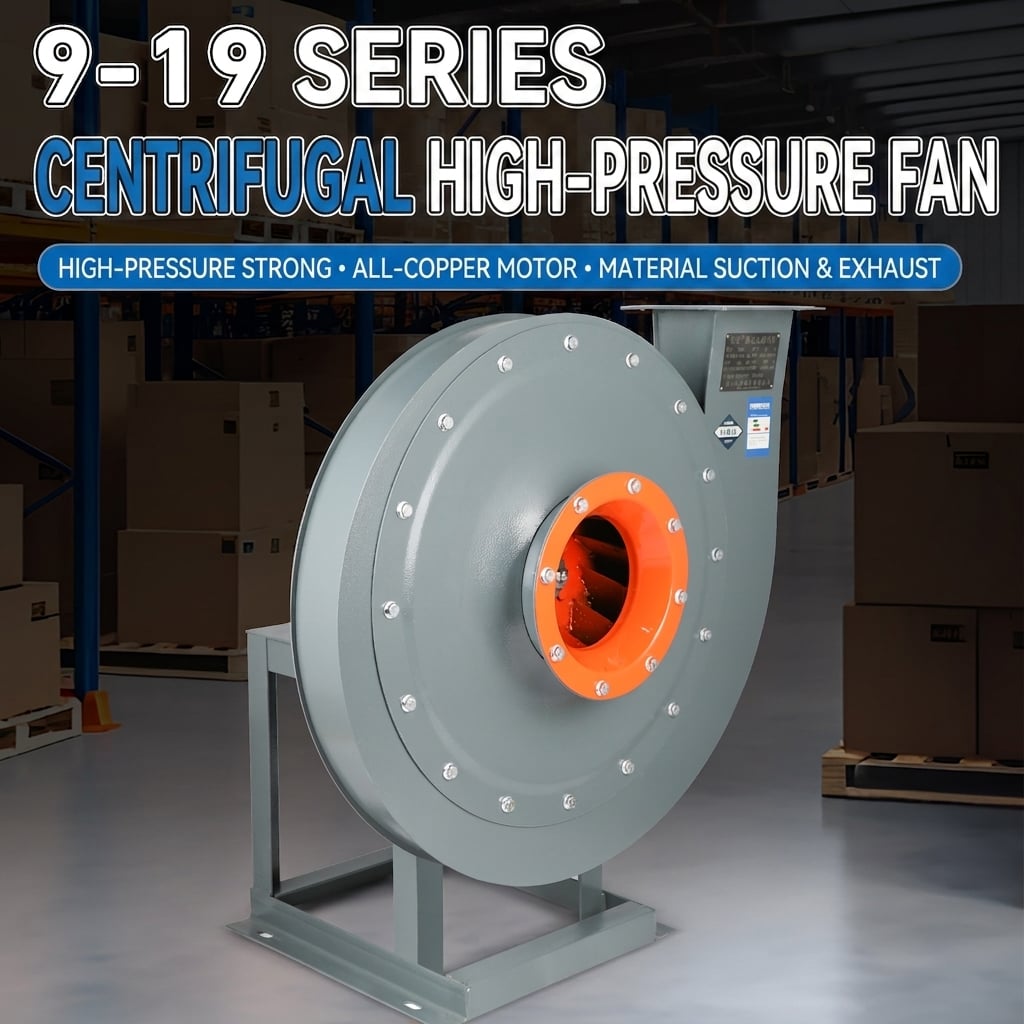
For v flow fans, provide the application, medium being moved, room or duct size, airflow direction, temperature, power supply, mounting position, and duty cycle. A photo or simple air-path sketch can help. Taizhou Zicheng Electromechanical Co., Ltd. offers axial, centrifugal, kitchen exhaust, and vortex blower categories. The selection discussion can then focus on the type that fits the system conditions.
V Flow Fans Planning Checklist
V flow fans need an airflow target. V flow fans need a clear air path. V flow fans need the duct size. V flow fans need the duct length. V flow fans need the bend count. V flow fans need the fan location. V flow fans need the voltage. V flow fans need the ambient temperature. V flow fans need the duty cycle. V flow fans need the mounting details. V flow fans need the discharge point. V flow fans need a site review. V flow fans need a final model discussion. V flow fans need safe installation. V flow fans need routine checks. V flow fans need a project-specific selection.

 EN