Start with the Air Path
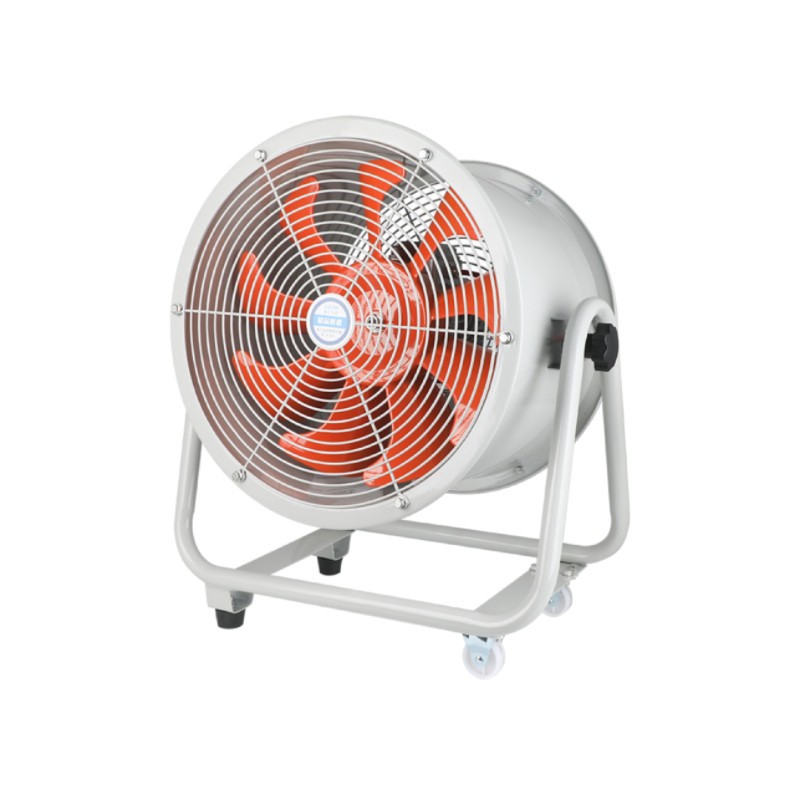
An axial air mover pushes air in the same direction as its shaft. An axial air mover often fits a short and open path. First, map the route from inlet to discharge. Note the space size, grilles, duct length, bends, filters, and outlet. Rated airflow is useful, but it is not the only selection point. A long duct or blocked intake can reduce the air an axial air mover delivers at the work area.
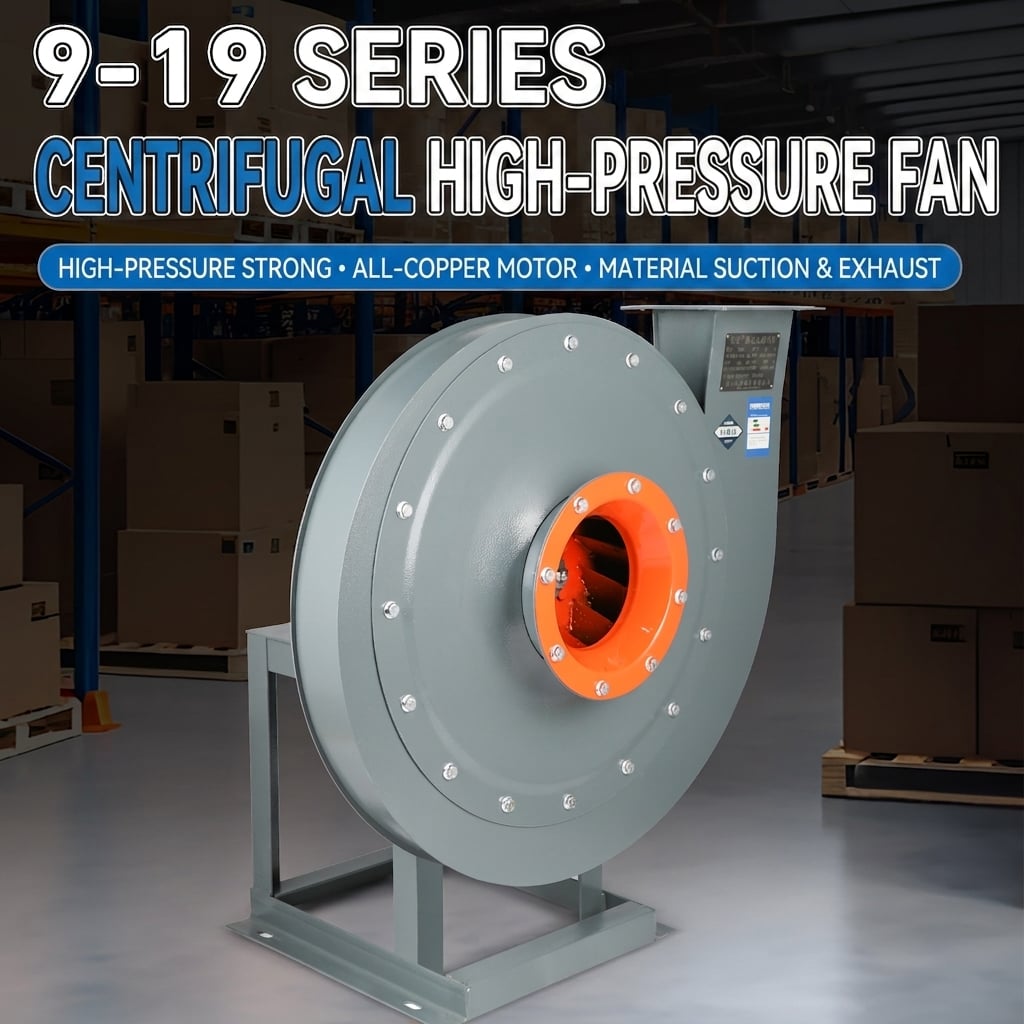
For an open workshop, wall opening, or short straight run, an axial air mover can be a practical starting point. For long ducts or high resistance, compare the duty point with a fan curve. Ask if another fan type is a better fit. The best choice depends on the air path and the pressure the system must overcome.
Match the Axial Air Mover to the Job
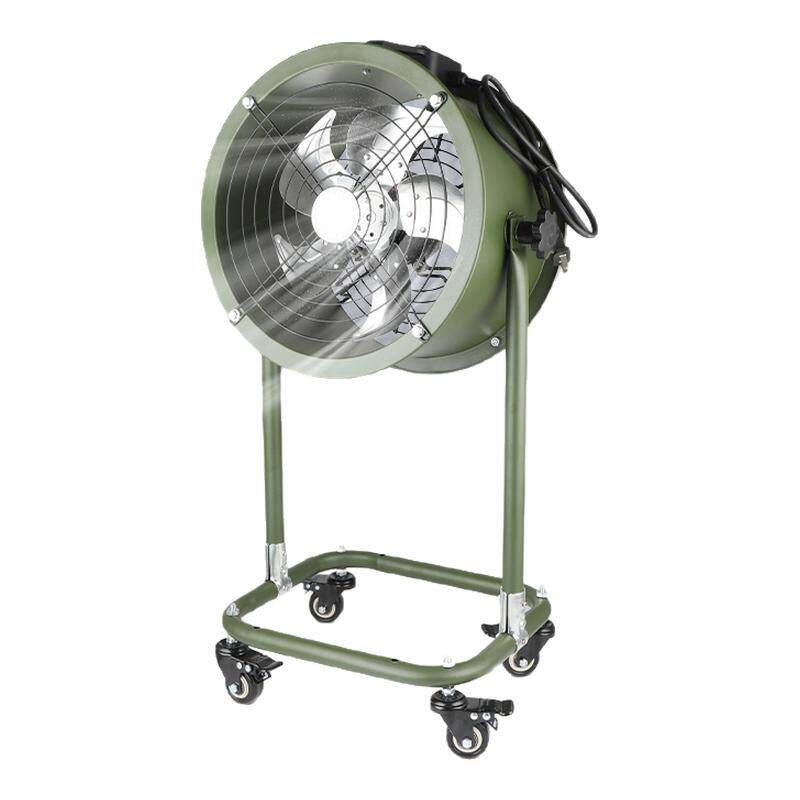
Define the job before you select an axial air mover. A drying room may need air movement across a product load. A work area may need fresh air or local exhaust. A maintenance job may need a portable axial air mover with flexible ducting. The same fan type can serve different work, but each layout has its own limits.
- For drying work, record room size, heat source, moisture load, and air route before you discuss an axial air mover.
- For fixed ventilation, record the opening size, mounting point, guard needs, and whether the axial air mover will use ducts or free discharge.
- For temporary work, record the duct reach, number of bends, and where the axial air mover will take in or release air.
- For enclosed work areas, include the site safety team when planning how an axial air mover will be used.
Check Air Conditions and Materials
Heat, humidity, dust, and the air itself affect axial air mover selection. The listed 304 stainless steel axial air mover is for drying rooms and is listed up to 200°C. Its record also lists 2,100 to 39,000 m³/h. The aluminum blade axial air mover is listed for tobacco curing and up to 39,000 m³/h. Confirm the actual model, temperature, voltage, and airflow before an order.
Use material data as an input, not a broad promise. If the air has moisture, vapor, or dust, describe it in the inquiry. Ask for the relevant axial air mover details. Then confirm that the selected construction suits the planned use. The stainless steel model record lists 220V and 380V. Final voltage and configuration still need confirmation.
Plan Installation and Access
Give the axial air mover clear inlet and outlet space. Leave room for inspection. Do not place an inlet where loose material can enter. Keep duct links secure. Avoid sharp turns next to an axial air mover where the layout allows. With telescopic ducting, support the duct so it does not sag and restrict air.
For a replacement, collect the old fan size, mounting method, power supply, and current issue. A larger axial air mover is not always the better choice. More size may not solve duct resistance. It may create an air pattern that does not suit the task.
Prepare an Axial Air Mover Inquiry
Send the application, target airflow, static pressure if known, space size, duct sketch, temperature, air conditions, power supply, and quantity. Photos can show mounting limits. These inputs help the supplier review the available axial air mover products and clarify what needs confirmation before selection.

 EN