Axial Extractor Fan for Industrial Ventilation

Get a Free Quote

Our representative will contact you soon.
Email
Mobile/WhatsApp
Name
Company Name
Message
0/1000
Axial Extractor Fan Selection for Industrial Ventilation

Axial Extractor Fan Selection for Industrial Ventilation

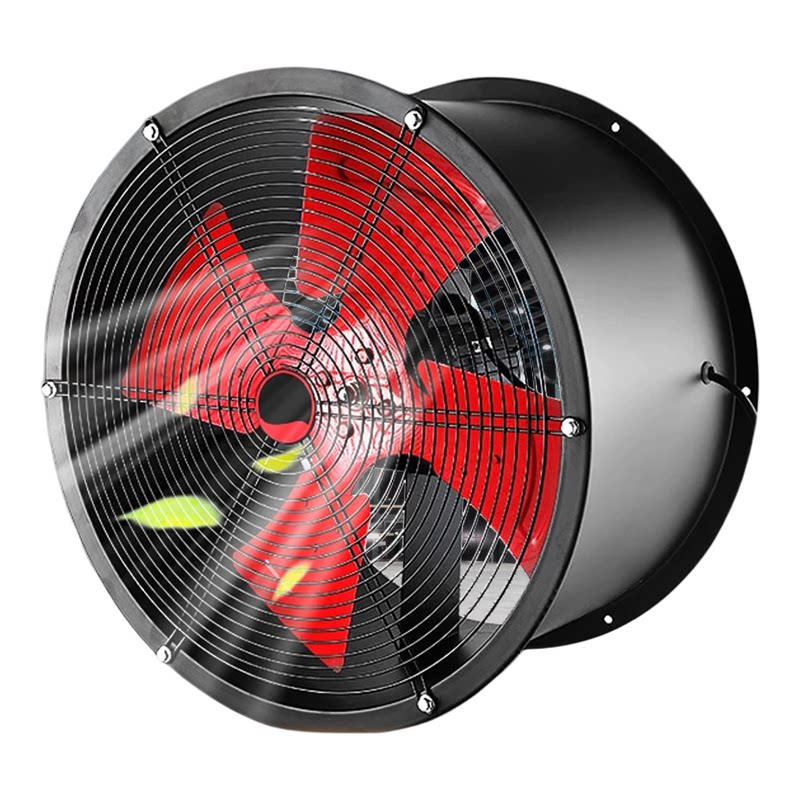
An axial extractor fan moves air in a straight line through the fan. It can suit a wall opening, a short duct, or a direct air path. This axial extractor fan page helps industrial buyers compare options for drying rooms, workshops, and temporary work areas. Start with the airflow you need. Then look at duct length, bends, grilles, filters, and the discharge point. These items add resistance. A portable axial extractor fan may suit a work area that changes. A fixed axial extractor fan may suit a set process area. Taizhou Zicheng Electromechanical Co., Ltd. makes axial fans within its industrial ventilation range. Share the airflow, pressure, temperature, voltage, material need, and site layout. The team can discuss the listed products and provide a quotation based on the information supplied.
Get A Quote

Industrial Fan Manufacturing Context

Verified context for buyers reviewing an axial extractor fan supplier and the available ventilation range.

Direct Fan Manufacturing

Taizhou Zicheng Electromechanical Co., Ltd. is listed in the business profile as a manufacturer, not a trading company. It has direct production capability for the fan products it offers.

Focused Ventilation Range

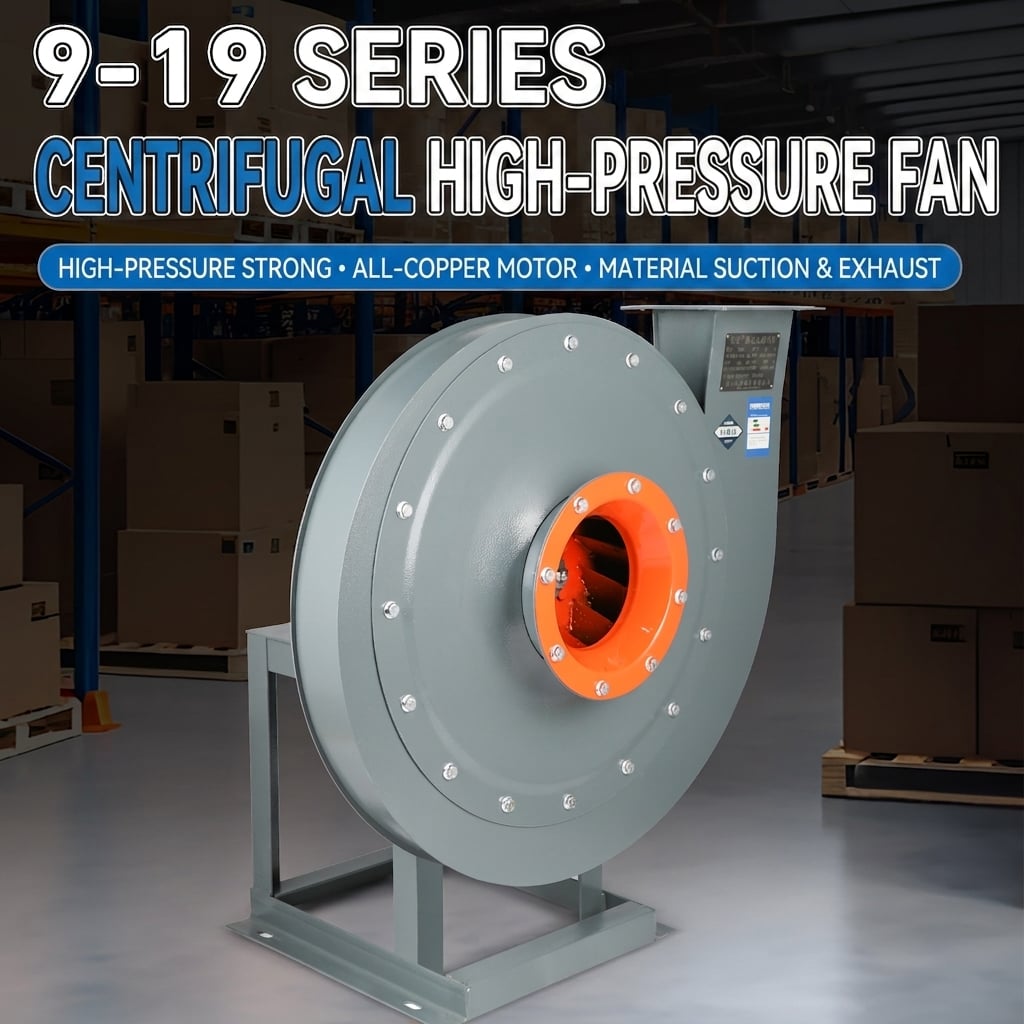
The available company information lists axial fans, centrifugal fans, kitchen exhaust fans, and vortex blowers. Buyers can use this range as a starting point when comparing an axial extractor fan with other fan formats.

Application-Led Discussion

Fan choice depends on the site and the duty. The supplier context supports a discussion about airflow, pressure, material, voltage, and use before an axial extractor fan model is confirmed.

Related products

Portable Extraction for Work Zones

Portable Extraction for Work Zones

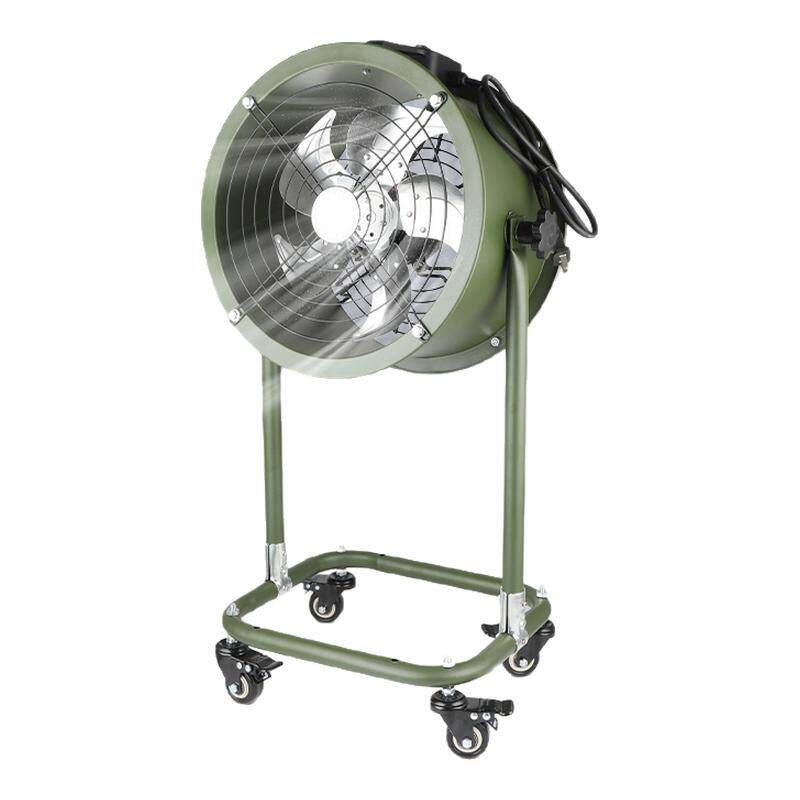
The Portable Axial Flow Fan 10,000 m³/h for Confined Spaces is the closest listed option when ventilation must move with the job. This axial extractor fan format can connect with telescopic air ducts, according to the product record. It can route air, gas, or dust between an enclosed work zone and another location. For any portable axial extractor fan use, confirm the duct length, diameter, discharge route, power supply, and site safety method before selection.

Define the Air Duty First

An axial extractor fan is often used when the air route is direct. It may pull air through a wall, an opening, or a short duct. Do not choose an axial extractor fan by diameter alone. Start with the air volume needed at the work point. Note the heat, moisture, dust, or fumes that must be moved. State if the axial extractor fan will supply fresh air, remove air, or work in more than one mode. The axial extractor fan request should also state when the work takes place and how long the fan will run.

Measure the room or process area. Note the inlet openings and the place where air will leave. An axial extractor fan needs a path for replacement air. Without it, the system may move less air than expected. A simple sketch helps. It should show the fan, the inlet, the duct, and the discharge point. It should also show the axial extractor fan mounting direction.

Review the Full Air Path

Rated airflow in open air is not the same as airflow in a real system. An axial extractor fan can lose delivered flow when the route has long ducts, bends, grilles, filters, dampers, or branches. Each item adds resistance. A short, open route may be a good axial extractor fan application. A long and tight route needs a fan curve and system review.

There is no one fan that fits every job. An axial extractor fan may be right when volume and a direct path matter most. A different format may be worth reviewing when pressure is the main issue. Ask for a comparison at the actual duty point. Do not rely on a free-air figure alone. The axial extractor fan must be reviewed with the whole air route, not only the opening size.

  • Measure the straight duct length and list every bend, branch, grille, and filter.
  • State where the axial extractor fan will discharge air after extraction.
  • Check the make-up air route before you set the final fan position.
  • Give the supplier a drawing if the axial extractor fan route has more than one level or branch.

Match the Product to the Site

The current range has three close product options. The 304 Stainless Steel Axial Fan 200°C for Drying Rooms is listed for drying rooms. The Aluminum Blade Axial Fan 39,000 m³/h for Tobacco Curing is listed for tobacco curing. The Portable Axial Flow Fan 10,000 m³/h for Confined Spaces is listed for confined spaces. These titles describe product contexts. They do not mean that every axial extractor fan project needs the same product.

For a hot or wet process, state the operating temperature, humidity, and process material. For a changing work area, explain how the axial extractor fan will reach the work point. If ducting is needed, give the duct size and length. If corrosion or vapor may be present, ask for confirmation of the material and suitability for the real site. An axial extractor fan choice should follow the conditions, not a general label. Include the air type in every axial extractor fan inquiry.

Plan the Installation

Good installation starts with the mounting point. Leave room for safe access, isolation, duct connection, checks, and cleaning. Confirm voltage and electrical supply before ordering. Check the mounting surface, guard position, vibration control, and weather exposure. A portable axial extractor fan also needs a clear route for its duct. The duct should not pinch, collapse, or create an avoidable restriction.

Noise is a site issue too. Walls, ducts, speed, mounting, and the nearby work area can change what people hear. Tell the supplier if the axial extractor fan will run near staff or at night. State the project noise requirement. This gives the discussion a clear limit without making a general noise claim. The same note should appear in the axial extractor fan quote request.

Prepare a Useful Quote Request

Send the airflow target, expected static pressure, application, temperature, air type, voltage, layout, and duct details. Say if the axial extractor fan is fixed or portable. Say if it will move general air, heat, dust, or process vapor. Add photos when you can. Taizhou Zicheng Electromechanical Co., Ltd. can discuss the listed axial extractor fan options using those site facts. Final selection should be checked against the real duty and installation plan. This creates a clear basis for an axial extractor fan product review.

Axial Extractor Fan Questions

Practical questions to prepare before comparing industrial axial extraction options.

How do I size an axial extractor fan?

Start with the airflow needed at the work point. Then gather the room size, source of heat or fumes, inlet openings, duct length, bends, grilles, filters, and discharge route. An axial extractor fan rating by itself does not show delivered airflow after resistance is added. Give the supplier an estimate of static pressure or the full system details. If the job has more than one operating state, describe each state. This helps the supplier compare the axial extractor fan with the real duty instead of an average estimate. Include the expected running time in the axial extractor fan request.
An axial extractor fan can be used with a duct when the route and resistance are within the selected unit’s operating range. A wall opening or short section is not the same as a long route with elbows, filters, dampers, or branches. Those parts add resistance and may cut delivered airflow. Map the whole route. Ask for the fan curve and expected operating point to be reviewed. If the route is restrictive, a different fan format may be a better fit. Choose from the duty point, not from the axial extractor fan product name alone.
For an axial extractor fan quote, give the airflow target, pressure estimate, use, temperature, air condition, voltage, frequency, mounting direction, and space available. Add a photo or a simple layout. Show the inlet, axial extractor fan position, duct route, and discharge point. State if it is for a fixed location, a drying room, or a temporary work zone. For portable use, include the duct diameter and length. These details help turn an initial product discussion into a review of the actual site conditions.
A portable axial extractor fan may be considered for a temporary work area when it can be set near the job and linked to a suitable duct route. The listed portable product describes telescopic air-duct compatibility for moving air, gas, or dust. This does not replace a site safety method. Check the material being extracted, duct route, discharge point, electrical supply, access control, and any required monitoring. Confirm that the axial extractor fan and work method are suitable before people enter or work near an enclosed area.

Related article

How to Choose a Reliable Centrifugal Fan Manufacturer in China (2026 Buyer's Guide)

14

Sep

How to Choose a Reliable Centrifugal Fan Manufacturer in China (2026 Buyer's Guide)

A practical 2026 buyer's guide to choosing a trustworthy centrifugal fan manufacturer: certifications, quality control, SS304 materials, OEM support, MOQ and delivery.
View More
How to Choose the Right Aquaculture Aerator for Your Fish Farm (2026 Buying Guide)

14

Sep

How to Choose the Right Aquaculture Aerator for Your Fish Farm (2026 Buying Guide)

Paddle wheel, impeller or vortex? Learn how to size a pond aerator, cut energy costs and find a reliable aquaculture aerator manufacturer for your farm.
View More
Industrial Ventilation Fan Selection Guide: Axial vs Centrifugal vs Mixed Flow

14

Sep

Industrial Ventilation Fan Selection Guide: Axial vs Centrifugal vs Mixed Flow

Compare axial, centrifugal and mixed flow industrial ventilation fans by pressure, airflow and noise, and learn how to buy direct from a factory.
View More

Get a Free Quote

Our representative will contact you soon.
Email
Mobile/WhatsApp
Name
Company Name
Message
0/1000