Industrial Range Hood Exhaust Fan Selection

Get a Free Quote

Our representative will contact you soon.
Email
Mobile/WhatsApp
Name
Company Name
Message
0/1000
Industrial Range Hood Exhaust Fan Selection Guide

Industrial Range Hood Exhaust Fan Selection Guide

Industrial range hood planning starts with the real kitchen load and the path that takes air outside. An industrial range hood needs a fan system that matches the hood layout, duct route, and space around the fan. This page helps contractors, kitchen planners, and facility buyers review an industrial range hood project before they select equipment. The current range includes multi-wing centrifugal fans for ducted work and a cabinet smoke exhaust option for compact locations. Taizhou Zicheng Electromechanical Co., Ltd. makes axial fans, centrifugal fans, kitchen exhaust fans, and vortex blowers. For each industrial range hood, share the airflow need, pressure estimate, power supply, duct sketch, and air conditions at the fan. Compare products with the full system, not hood width alone. Send those details to request a model discussion and quote.
Get A Quote

Manufacturer Context for Kitchen Exhaust Projects

Verified manufacturer and product-range details for industrial range hood planning.

Direct Fan Manufacturing

Taizhou Zicheng Electromechanical Co., Ltd. is listed in the prepared library as a manufacturer, not a trading company. Buyers can discuss the available fan range and industrial range hood project details directly.

Multi-Type Fan Portfolio

The prepared company data covers axial fans, centrifugal fans, kitchen exhaust fans, and vortex blowers. This gives an industrial range hood project a focused product starting point when it has more than one air-moving need.

Related products

Match Pressure to the Duct Route

Match Pressure to the Duct Route

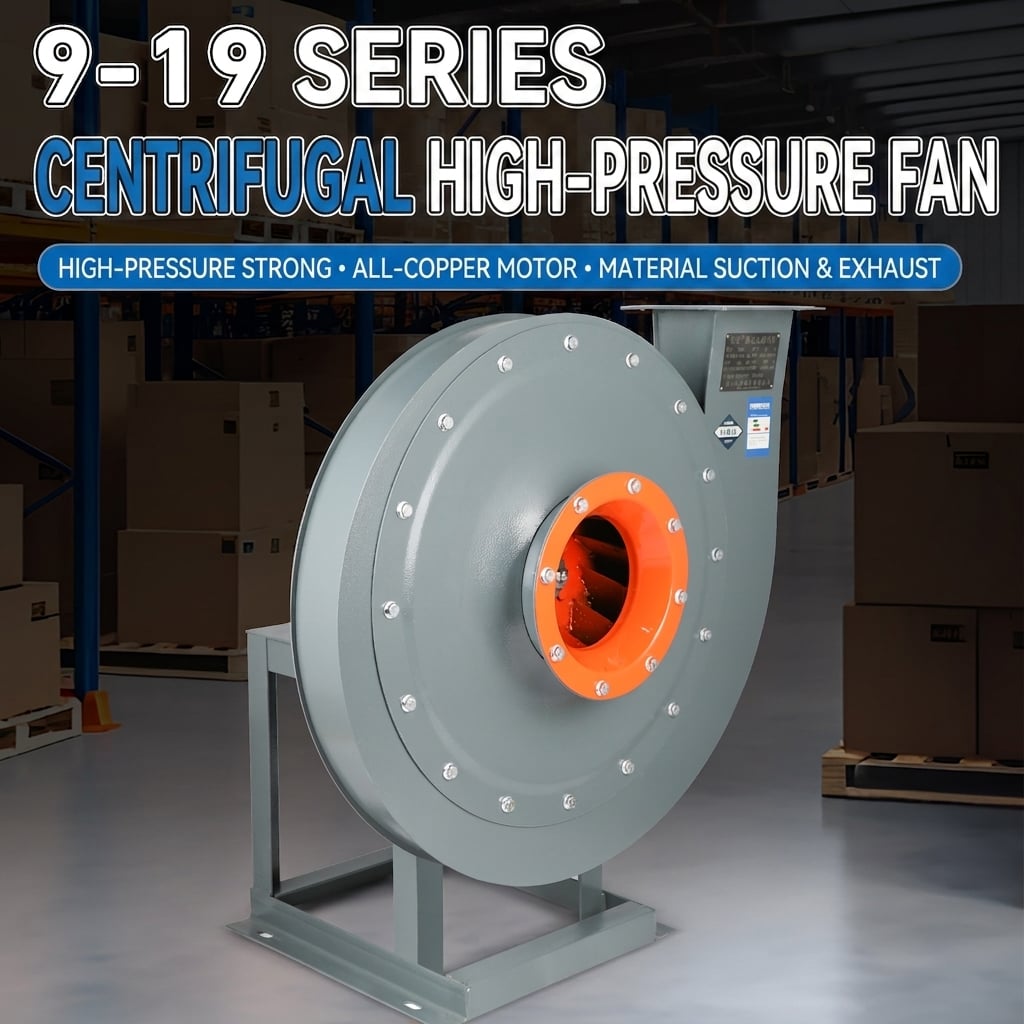
The CF-11 multi-wing centrifugal fan lists a maximum airflow of 20,000 m³/h and a maximum static pressure of 1,000 Pa. For an industrial range hood, use these published figures as a starting point. Select the final model after reviewing the hood, filters, duct length, bends, and discharge path.

Define the Industrial Range Hood Duty

An industrial range hood is one part of a full exhaust system. Note the hood type, the cooking equipment, and the normal work hours. For each industrial range hood, ask for the design exhaust volume when it is available. If the value is not ready, collect hood size and process details first. This gives the supplier a clear base for discussion.

An industrial range hood with a short duct can need a different fan from one with a long shared duct. There is no single fan for all kitchens. The best choice depends on air volume and the resistance in the route.

Check the Duct Route

Static pressure is the force needed to move air through a duct system. Long ducts, turns, filters, dampers, and discharge parts add resistance. A fan can show a high airflow figure but give a different result after it is placed in a real route. For an industrial range hood, review airflow and pressure at the same duty point.

  • List each main duct size on the drawing.
  • Mark every elbow, branch, filter, damper, and transition.
  • Check that the airflow and pressure values use the same duty point.
  • Send the industrial range hood duct sketch for a selection review.

The CF-11 and 11-62 products are multi-wing centrifugal options. Their published pages give maximum flow and pressure figures. Those figures do not replace a project check for an industrial range hood.

Compare the Current Products

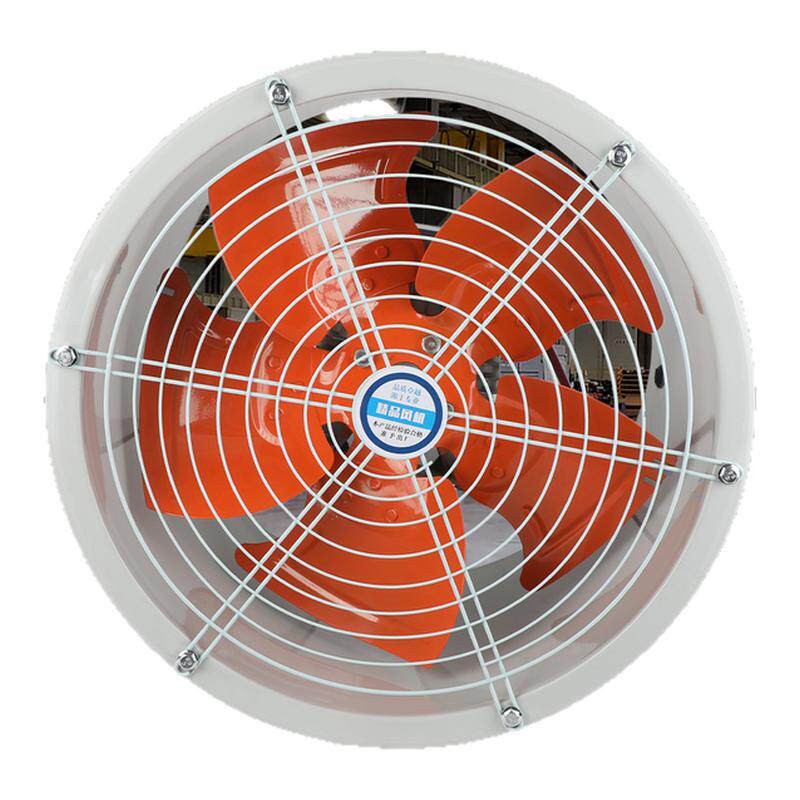
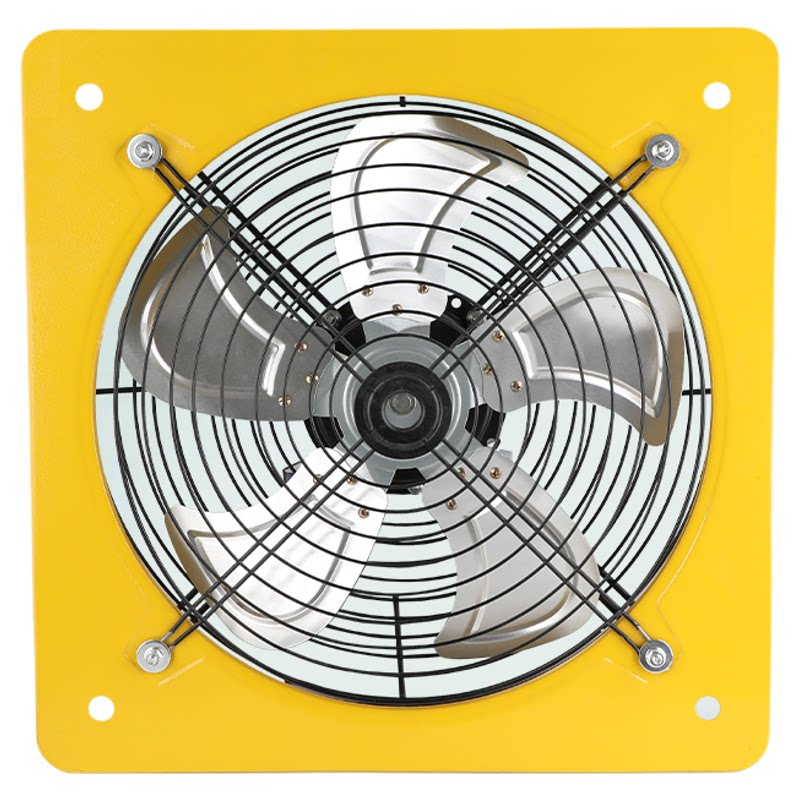
For an industrial range hood with a duct route, centrifugal construction can be a useful option when the route has resistance. The CF-11 product lists a flange interface for ducted work. The 11-62 product is described as a kitchen centrifugal fan. The cabinet smoke exhaust product has a cabinet form, direct transmission, and an IP65 motor rating in its product record.

Use these facts to ask better questions. Check the mounting point, service space, power supply, air conditions at the motor, and duct connection. For an industrial range hood near a dining area, review noise with the full layout and local project rules.

Plan the Installation

Good industrial range hood selection also considers later service. Leave room to inspect the fan and clean connected exhaust parts. Confirm air direction, supports, isolation needs, and the electrical disconnect before work starts. Follow the approved mechanical drawings and applicable local rules.

  • Place the industrial range hood fan where staff can reach it safely.
  • Keep the discharge away from places affected by kitchen exhaust air.
  • Coordinate fan supports with the building structure.
  • Confirm the final industrial range hood installation with the project team.

Prepare a Clear Inquiry

For an industrial range hood inquiry, send hood count, target airflow, pressure estimate, duct sketch, voltage, fan location, and space limits. State whether the work is a new build or replacement. The company can review the supplied duty against its available fan range. This page shows the closest current products, so confirm final fit before ordering.

Industrial Range Hood FAQ

Practical questions for kitchen exhaust fan selection.

How is an industrial range hood fan selected?

Begin with the kitchen hood duty and the duct route. For an industrial range hood, provide the target exhaust volume, duct sizes, route length, bends, filters or dampers, voltage, and fan location. A supplier can compare this information with an available product configuration. Confirm the final selection with the project designer or qualified mechanical professional when the project requires it.
Static pressure is the resistance that an exhaust fan must overcome in the installed system. Long ducts, elbows, transitions, filters, dampers, and the discharge path can add resistance. For an industrial range hood, a high airflow figure alone does not show final system fit. Ask for airflow and pressure to be reviewed together at the intended duty point before a model is chosen.
A centrifugal fan can be considered for a ducted industrial range hood when the route has resistance that needs review. The selected CF-11 and 11-62 products are multi-wing centrifugal options. The cabinet smoke exhaust product has a cabinet-style layout. The better choice depends on the stated duty, duct connection, mounting space, and service access. Review the product record and project drawing before deciding.
Provide hood type and count, cooking details, target airflow, pressure estimate, duct layout, voltage, and fan location. For an industrial range hood, also note ceiling space, service access, and nearby occupied areas. State whether the work is a replacement or new build. Clear input helps the supplier discuss the closest available range without making assumptions about the final system.

Related article

How to Choose a Reliable Centrifugal Fan Manufacturer in China (2026 Buyer's Guide)

14

Sep

How to Choose a Reliable Centrifugal Fan Manufacturer in China (2026 Buyer's Guide)

A practical 2026 buyer's guide to choosing a trustworthy centrifugal fan manufacturer: certifications, quality control, SS304 materials, OEM support, MOQ and delivery.
View More
How to Choose the Right Aquaculture Aerator for Your Fish Farm (2026 Buying Guide)

14

Sep

How to Choose the Right Aquaculture Aerator for Your Fish Farm (2026 Buying Guide)

Paddle wheel, impeller or vortex? Learn how to size a pond aerator, cut energy costs and find a reliable aquaculture aerator manufacturer for your farm.
View More
Industrial Ventilation Fan Selection Guide: Axial vs Centrifugal vs Mixed Flow

14

Sep

Industrial Ventilation Fan Selection Guide: Axial vs Centrifugal vs Mixed Flow

Compare axial, centrifugal and mixed flow industrial ventilation fans by pressure, airflow and noise, and learn how to buy direct from a factory.
View More

Get a Free Quote

Our representative will contact you soon.
Email
Mobile/WhatsApp
Name
Company Name
Message
0/1000