Set the Duty First
A flush mount kitchen exhaust fan search may start with the look of the ceiling. The fan must still meet the duty. List the cooking units, hoods, kitchen size, and work hours. Note if one fan serves one hood or more than one branch. Use these facts to set the airflow need. A flush mount kitchen exhaust fan is part of a system, not only a ceiling item.
Air passes through the hood, filters, duct, bends, dampers, and outlet. Each part can add resistance. Give the supplier the target airflow, duct size, route, power supply, and heat near the motor. This helps the supplier review the fan at the right duty point. Do not choose a flush mount kitchen exhaust fan from the ceiling opening alone.
Match the Fan Type to the Layout
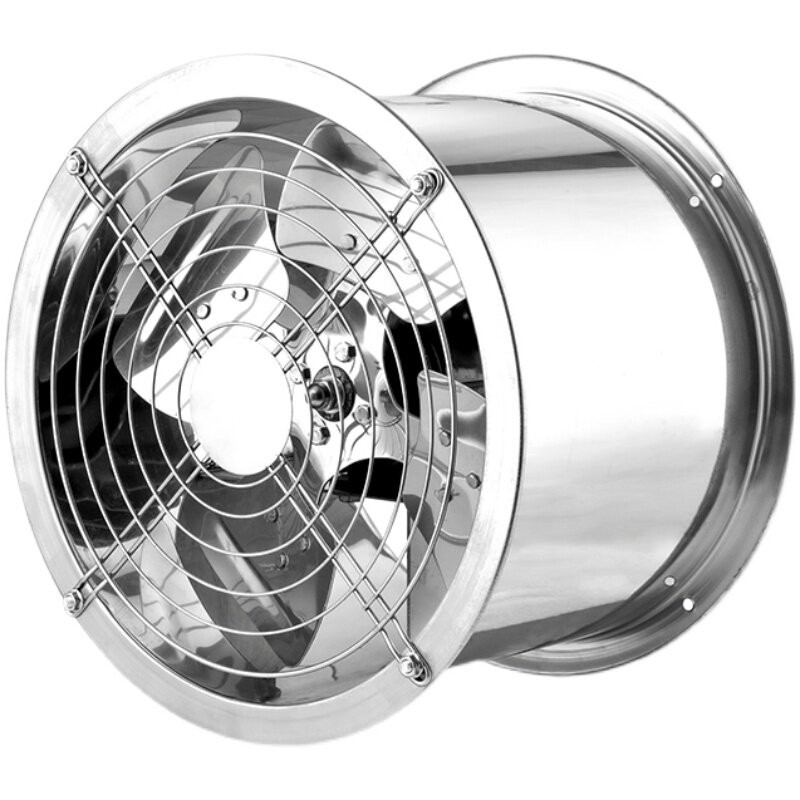
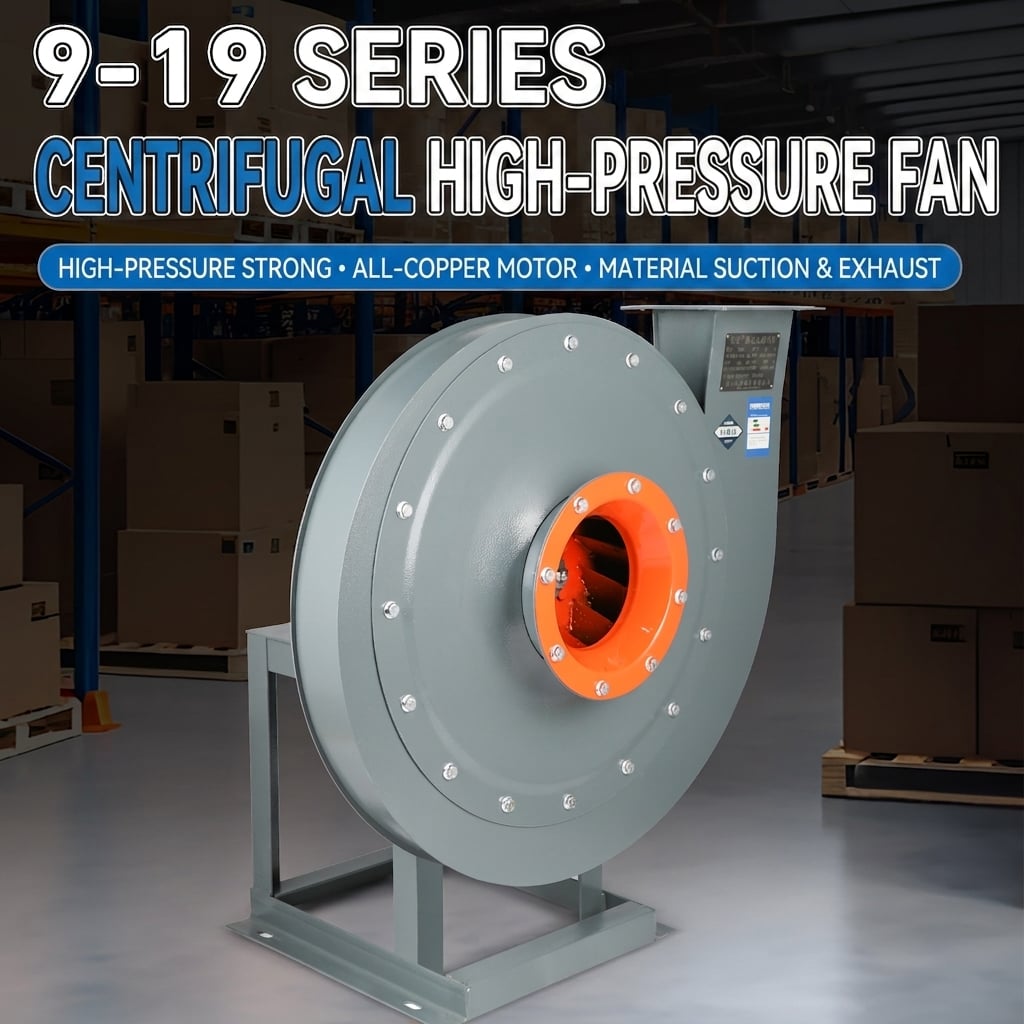
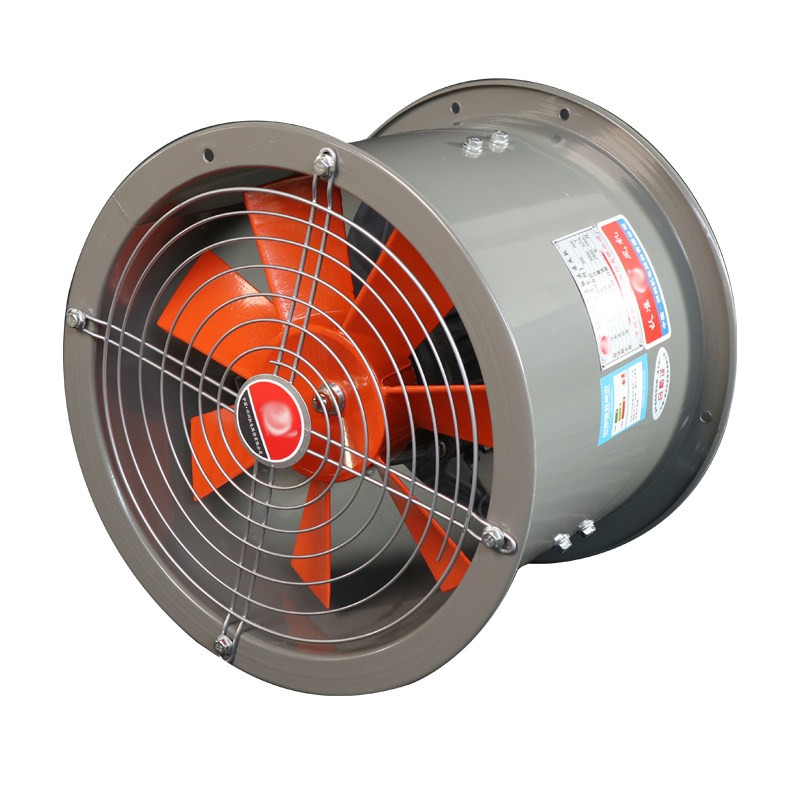
The current site range has no confirmed flush-mount model. The shown products are the closest kitchen options. They can help with a first review, but they are not proof that every flush mount kitchen exhaust fan need is met. A cabinet fan may fit in a deep ceiling void. A centrifugal fan may suit a duct path with more resistance. A remote fan can leave a simple ceiling grille, but it also needs room for ducts and service.
- Choose a cabinet arrangement only after you check the void size and access space.
- Review a centrifugal fan when bends, filters, or long ducts add pressure loss.
- Use a remote arrangement when the visible flush mount kitchen exhaust fan finish matters more than fan location.
There is no one best option. The choice depends on ceiling depth, duct loss, access, sound needs, and the equipment room. Ask for the product drawing before you select a flush mount kitchen exhaust fan layout.
Trace the Duct Route
Start at the hood and draw the route to the outlet. Mark each bend, branch, filter, damper, and size change. This simple map shows where pressure can rise. A flush mount kitchen exhaust fan may look suitable in a short duct but not in a long route with many bends. Ask for the fan curve and confirm the planned operating point for the selected model.
The CF-11 and 11-62 records describe multi-wing centrifugal products for kitchen use. The cabinet smoke exhaust product is a cabinet-style option. Use the product records for an early review. Use the project duty point and model documents for final selection.
Plan Access Above the Ceiling
A flush mount kitchen exhaust fan needs access after the ceiling is closed. Allow room for the service items named by the maker. Plan for duct cleaning and checks of linked parts. An access door must be large enough for the required work. A grille alone may not give enough access.
Also check the support plan. Fan weight, vibration parts, ducts, and ceiling framing need separate review. Support the unit as the project design and installation guide require. Do not hang a flush mount kitchen exhaust fan from a finish ceiling without a sound support plan.
Flush Mount Kitchen Exhaust Fan Checklist
- A flush mount kitchen exhaust fan needs a clear duty point.
- A flush mount kitchen exhaust fan needs a duct route.
- A flush mount kitchen exhaust fan needs a ceiling depth check.
- A flush mount kitchen exhaust fan needs a housing-size check.
- A flush mount kitchen exhaust fan needs support details.
- A flush mount kitchen exhaust fan needs service access.
- A flush mount kitchen exhaust fan needs a power check.
- A flush mount kitchen exhaust fan needs an airflow review.
- A flush mount kitchen exhaust fan needs a pressure review.
- A flush mount kitchen exhaust fan needs a product drawing.
- A flush mount kitchen exhaust fan needs a duct connection plan.
- A flush mount kitchen exhaust fan needs a cleaning plan.
- A flush mount kitchen exhaust fan needs project approval.
- A flush mount kitchen exhaust fan needs a final model check.
Send a Useful Inquiry
Send the kitchen plan, hood size, duct sketch, ceiling depth, target airflow, and pressure target if known. Add duct length, bends, filters, power, and the planned fan site. State any limits on sound, access, or appearance. These facts help decide if a flush mount kitchen exhaust fan arrangement is right or if another kitchen exhaust layout fits the job better.

 EN