Start With the Chimney Extractor Fan Duty
A chimney extractor fan is one part of a kitchen exhaust system. Start with the hood, cooking load, capture area, and work hours. Next, draw the path from the hood to the outlet. A short, straight route has a different duty from a route with bends, filters, dampers, and changes in duct size. Each part adds resistance. That resistance changes the air a chimney extractor fan can move after installation. A good chimney extractor fan brief records these details.
Ask for the target airflow, required static pressure, power supply, fan position, and service access. These facts are more useful than a product name alone. If the design is not final, list the open points before choosing a chimney extractor fan model. This makes a chimney extractor fan discussion more focused.
Match the Chimney Extractor Fan to the Duct Path
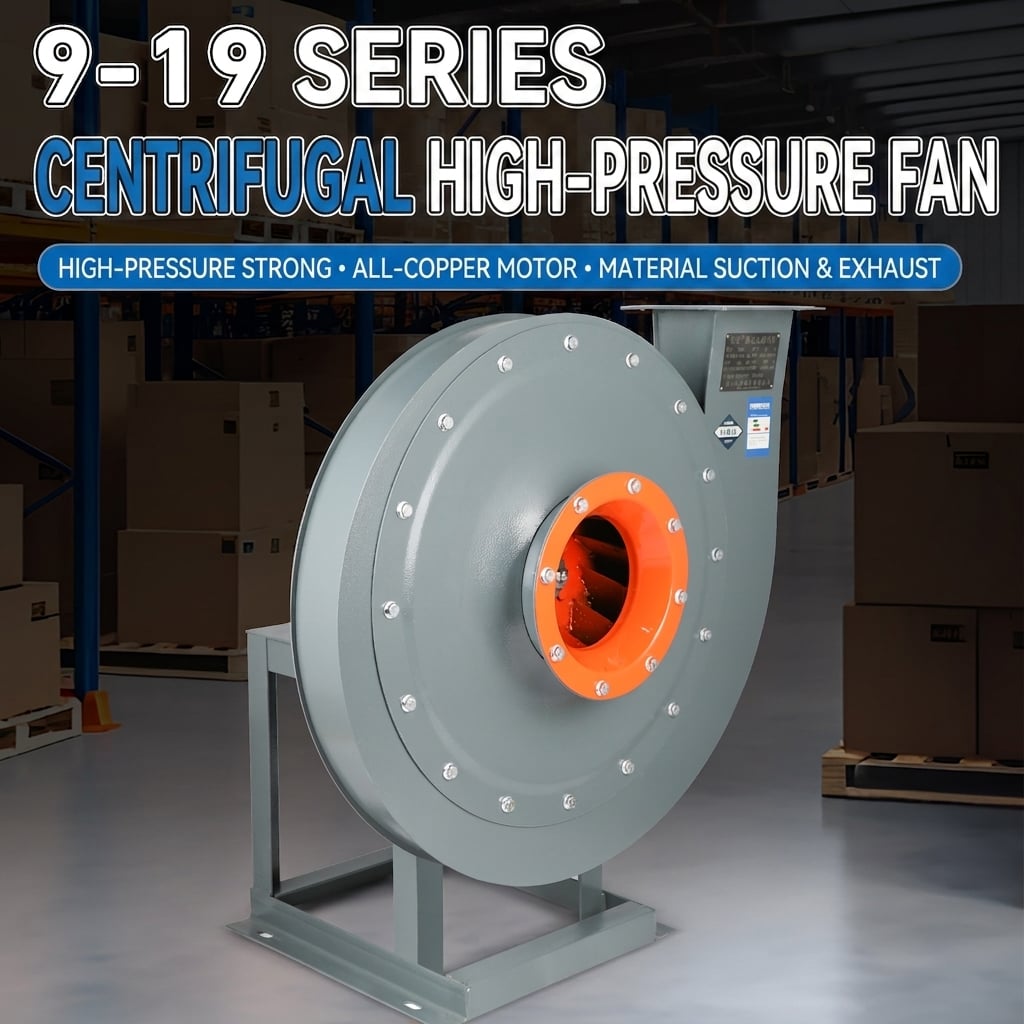
Centrifugal fans are often reviewed when a kitchen exhaust route has duct resistance. The product list includes the CF-11 Multi-Wing Centrifugal Fan and the 11-62 Low-Noise Centrifugal Fan. Both records describe kitchen use. They are useful products to compare for a ducted chimney extractor fan system. The duct path should guide chimney extractor fan selection.
- Use calculated system pressure, not an open-air airflow figure, when selecting a chimney extractor fan for ducts.
- List bends, filters, dampers, transitions, and outlet details before requesting a chimney extractor fan recommendation.
- Check that the chimney extractor fan location allows safe inspection and service work.
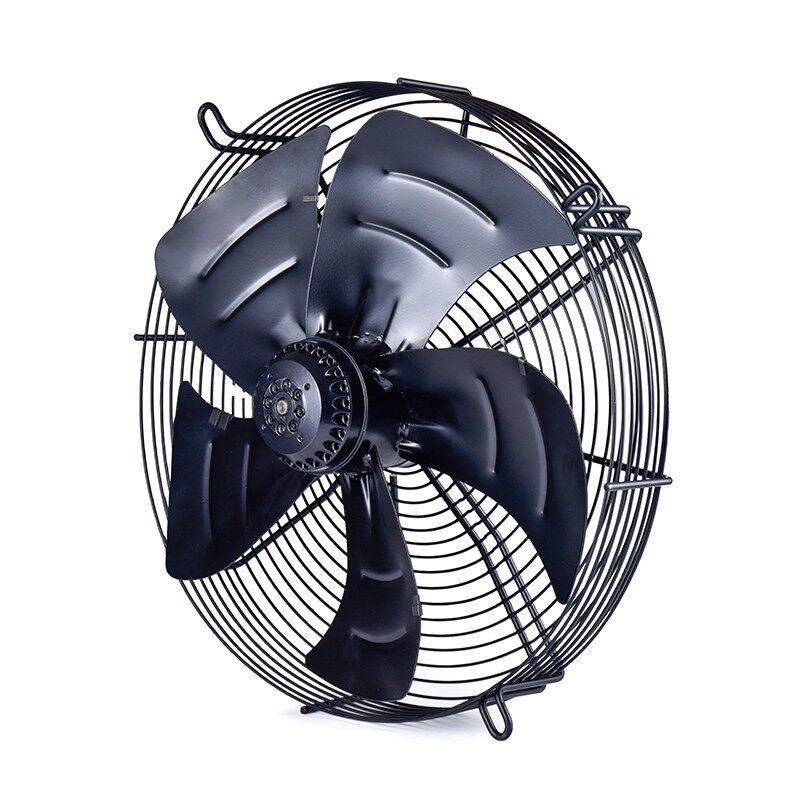
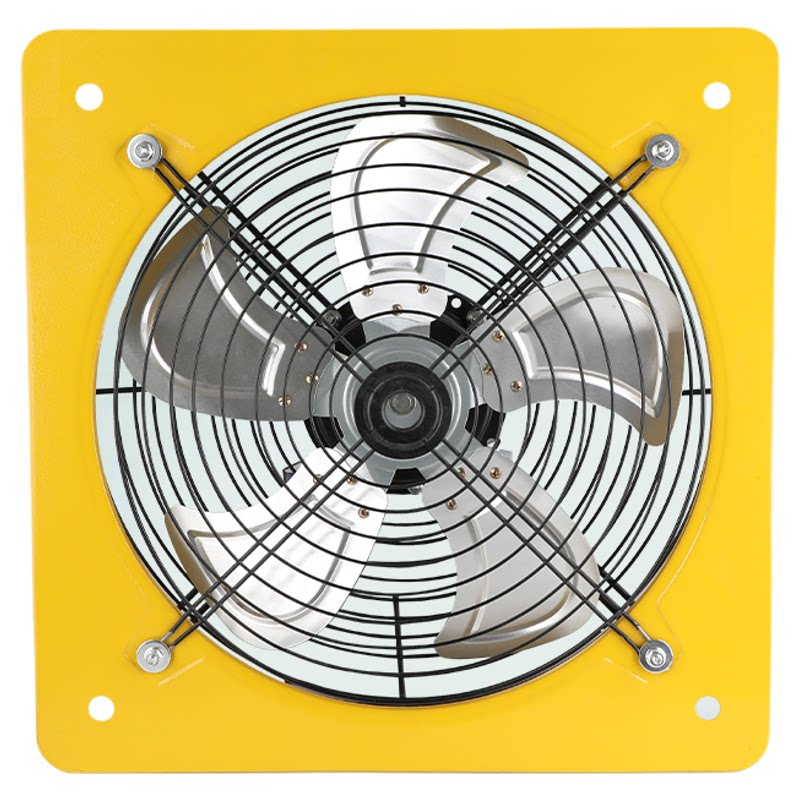
There is no single layout for every kitchen. A small ceiling void, a long route, and a retrofit project have different limits. The listed Cabinet Smoke Exhaust Fan is another chimney extractor fan option to review when a cabinet form is useful. Its form should suit the chimney extractor fan installation space.
Read Airflow and Pressure Together
A chimney extractor fan should be selected with both airflow and static pressure in view. Published airflow is not the same as air delivered through a real duct route. Filters, bends, and outlet parts can change the system pressure. This matters when a chimney extractor fan serves a hood because the route can change during the project. Review this before locking in a chimney extractor fan model.
The CF-11 record lists a maximum airflow of 20,000 m³/h and a maximum static pressure of 1,000 Pa. The 11-62 record lists the same published limits. These figures are product facts. They do not promise a result in every chimney extractor fan installation. Request the right model data. Then compare the required duty point with the fan curve before final chimney extractor fan selection.
Plan a Clear Installation Request
A useful chimney extractor fan request has more than a product title. Send a duct sketch if you have one. Include hood connection size, duct size, route length, turns, filters, power supply, and mounting point. These facts help separate a simple chimney extractor fan job from one that needs a closer pressure review. They also help define the chimney extractor fan mounting plan.
Also plan access for cleaning, inspection, and later replacement. Kitchen exhaust ducts can collect grease. The design team should coordinate fan location, duct access, and maintenance needs. The responsible engineer and local rules should set the final system design and safety requirements. These steps support safer chimney extractor fan maintenance.
Use the Available Range as a Starting Point
The three listed products are the closest available site products for this topic. They do not mean every chimney extractor fan duty is the same. The 11-62 and CF-11 models are centrifugal options for kitchen use. The cabinet smoke exhaust option is another form to assess. Send the application details and quantity. This lets the supplier discussion focus on a real chimney extractor fan duty point and the limits of the selected model. It also supports a more useful chimney extractor fan quote review.

 EN