Axial Fan Blower Selection for Industrial Ventilation

Get a Free Quote

Our representative will contact you soon.
Email
Mobile/WhatsApp
Name
Company Name
Message
0/1000
Axial Fan Blower Selection for Industrial Air Movement

Axial Fan Blower Selection for Industrial Air Movement

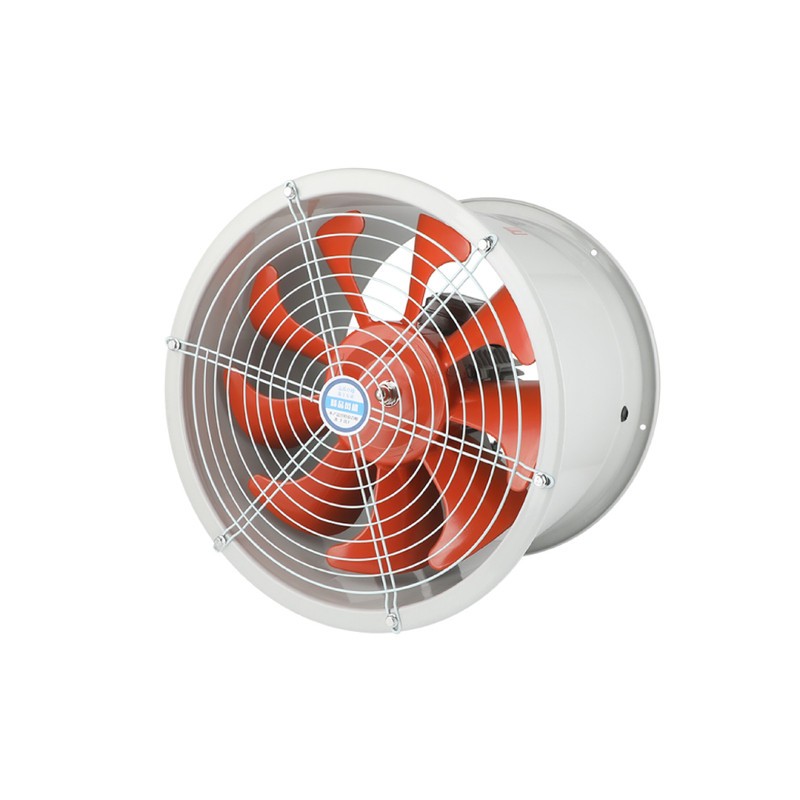
An axial fan blower moves a large volume of air through an open path, a wall opening, a short duct, or a temporary route. This axial fan blower page helps industrial buyers compare use cases before they choose a model. The range includes a 304 stainless steel axial fan for drying rooms, an aluminum blade axial fan for tobacco curing, and a portable axial flow fan for confined spaces. Start with airflow, duct resistance, the work area, power supply, and mounting method. Taizhou Zicheng Electromechanical Co., Ltd. makes axial, centrifugal, kitchen exhaust, and vortex blower products. Buyers can discuss the real task instead of choosing only by a headline airflow number. Send the duty point and operating conditions for axial fan blower model support and a quotation.
Get A Quote

Industrial Fan Manufacturing Context

Supplier context for buyers reviewing an axial fan blower requirement.

Direct Manufacturing Focus

Taizhou Zicheng Electromechanical Co., Ltd. is a manufacturer, not a trading company. It has direct factory production capability for its fan products and provides a clear source for product and application discussions.

Multi-Type Fan Portfolio

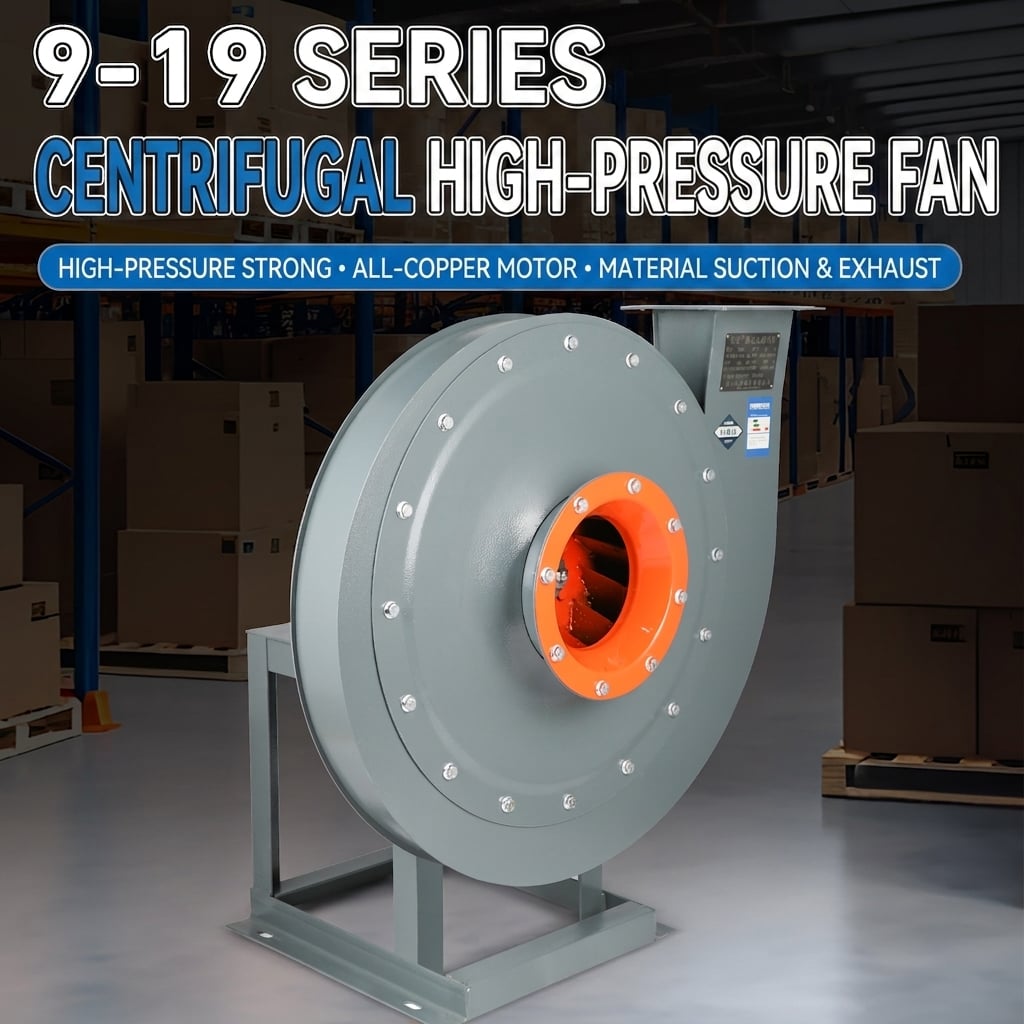
The product portfolio covers standard and handheld axial fan types, centrifugal fan types, and smoke exhaust fans. Buyers can review more than one fan category when a project has several ventilation zones.

Ventilation Product Specialization

The company focuses on industrial ventilation products. Its site describes design, development, and production work for axial fans, centrifugal fans, kitchen exhaust fans, and vortex blowers.

Related products

Portable Airflow Where Work Moves

Portable Airflow Where Work Moves

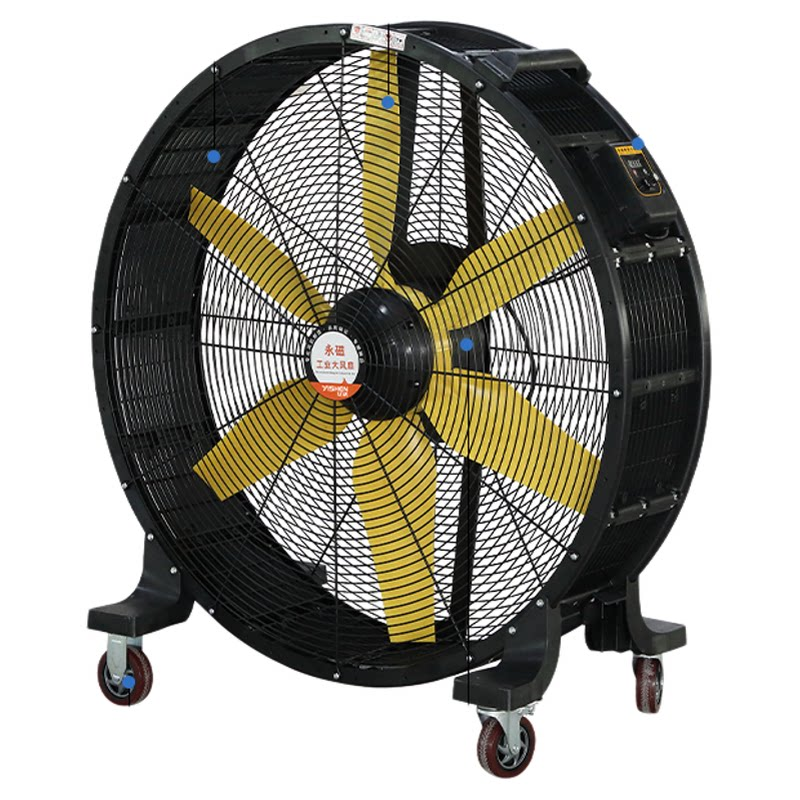
The portable axial flow fan is listed for confined spaces and has a stated capacity of up to 10,000 m³/h. Its product record says it can connect with telescopic air ducts. This can help a team place the axial fan blower outside an enclosed area and route air to or from the work zone. Confirm duct length, bends, intake, discharge, and electrical supply before selecting a portable setup.

Choose the Air Path First

An axial fan blower moves air along its shaft. An axial fan blower can suit an open route, a wall opening, a short duct, a drying room, or a temporary work area. It does not suit every system. Check the full air path. Filters, long ducts, bends, dampers, and process equipment add resistance. Rated airflow is not the same as airflow at the work site.

For a new axial fan blower, list the air source, discharge point, duct diameter, duct length, fittings, grilles, and restrictions. For a replacement axial fan blower, list the same details and note what the old setup could not do. A direct route can suit an axial fan blower. A tight route may need another fan type.

Set a Clear Duty Point

Start with room size, heat or contaminant source, run time, and needed air movement. Then note resistance in the full route. Do not choose an axial fan blower only by a large airflow number. The installed route may have more resistance than expected. A clear duty point helps the supplier compare axial fan blower options with the real task.

  • For a drying room, record room size, temperature, humidity, loading, and whether air passes through racks or material.
  • For a wall opening, record opening size, mounting position, guard needs, and dust or moisture exposure.
  • For portable work, record the space shape, duct route, access point, and electrical supply.
  • For a ducted route, record duct size, length, bends, transitions, filters, and the discharge point.

These facts help set the duty point. They help the supplier judge whether an axial fan blower is a good match for the installed system.

Match the Fan to the Work Area

Use the work area to narrow the choices. The 304 Stainless Steel Axial Fan 200°C for Drying Rooms is listed for drying-room service. Its product record states 304 stainless steel and a temperature rating up to 200°C. Confirm the full operating profile and needed setup before ordering an axial fan blower for this task.

The Aluminum Blade Axial Fan 39,000 m³/h for Tobacco Curing is another option for drying work. The product title gives a stated airflow figure and tobacco-curing use. Check model, voltage, mounting, and actual conditions with the supplier. A maximum airflow figure alone does not show axial fan blower performance in a specific duct route.

Plan Portable Airflow

Temporary work differs from fixed installation. The Portable Axial Flow Fan 10,000 m³/h for Confined Spaces can be considered when airflow must reach a changing work point. A telescopic duct can extend the route from the axial fan blower to an entry point or work zone. Long ducts and extra bends still change the air path. Review the fan and duct as one setup.

Set up the axial fan blower with the work plan in mind. Consider fan location, duct support, discharge point, and electrical protection. For enclosed work areas, the responsible site team must set ventilation and entry rules. An axial fan blower page does not replace a site safety review.

Send a Useful Inquiry

Include the application, whether the axial fan blower supplies or exhausts air, desired airflow, duct details, ambient and process temperature, voltage, mounting location, and quantity. A photo or simple air-path sketch can help. With these inputs, the supplier can discuss whether the available axial fan blower products match the duty point or whether another fan type should be considered.

Axial Fan Blower Questions

Practical points to confirm before choosing an axial fan blower.

When is an axial fan blower a good fit?

An axial fan blower can fit a project that needs strong air movement through an open path, wall opening, or short duct route. The final choice depends on the whole system. Describe the space, air source, discharge point, duct length, fittings, and work conditions. If the route has long ducts, filters, bends, or other restrictions, ask the supplier to review resistance and duty point. This helps avoid choosing an axial fan blower only by a headline airflow number. It also helps compare each axial fan blower with the real air path.
Duct details change the resistance that an axial fan blower sees in use. Diameter changes, elbows, transitions, dampers, guards, filters, and the discharge point can change the air path. Compare stated airflow with the installed system, not as a standalone promise. Share duct size, total length, bends, and components when you ask for advice. This gives the supplier a better basis for comparing an axial fan blower with the site route.
For drying-room selection, share room size, ceiling height, temperature, humidity, material, loading layout, airflow pattern, and power supply. Explain if air must pass through racks, trays, or dense material. The range includes a 304 Stainless Steel Axial Fan 200°C for Drying Rooms and an Aluminum Blade Axial Fan 39,000 m³/h for Tobacco Curing. Confirm the intended axial fan blower model and work conditions with the supplier before purchase. This helps match the axial fan blower to the drying task.
Plan portable ventilation as a fan, duct route, intake, and discharge system. The Portable Axial Flow Fan 10,000 m³/h for Confined Spaces is listed with telescopic air-duct compatibility. The site team should define duct length, bends, support, electrical supply, and equipment placement. Do not assume that a higher stated airflow solves every enclosed-area need. The responsible team must set suitable ventilation and entry steps for confined or hazardous work. Use the axial fan blower as part of that site plan.

Related article

How to Choose a Reliable Centrifugal Fan Manufacturer in China (2026 Buyer's Guide)

14

Sep

How to Choose a Reliable Centrifugal Fan Manufacturer in China (2026 Buyer's Guide)

A practical 2026 buyer's guide to choosing a trustworthy centrifugal fan manufacturer: certifications, quality control, SS304 materials, OEM support, MOQ and delivery.
View More
How to Choose the Right Aquaculture Aerator for Your Fish Farm (2026 Buying Guide)

14

Sep

How to Choose the Right Aquaculture Aerator for Your Fish Farm (2026 Buying Guide)

Paddle wheel, impeller or vortex? Learn how to size a pond aerator, cut energy costs and find a reliable aquaculture aerator manufacturer for your farm.
View More
Industrial Ventilation Fan Selection Guide: Axial vs Centrifugal vs Mixed Flow

14

Sep

Industrial Ventilation Fan Selection Guide: Axial vs Centrifugal vs Mixed Flow

Compare axial, centrifugal and mixed flow industrial ventilation fans by pressure, airflow and noise, and learn how to buy direct from a factory.
View More

Get a Free Quote

Our representative will contact you soon.
Email
Mobile/WhatsApp
Name
Company Name
Message
0/1000