Plan the Air Path First
A downdraft exhaust fan is often searched for when air must enter at a low point or from a hidden kitchen layout. A downdraft exhaust fan is not selected by name alone. Draw the downdraft exhaust fan path from the pickup point to the outlet. Note duct size, straight runs, elbows, filters, dampers, grilles, and the end point. Each part can add resistance. A downdraft exhaust fan chosen only by open-air airflow may not suit the installed route.
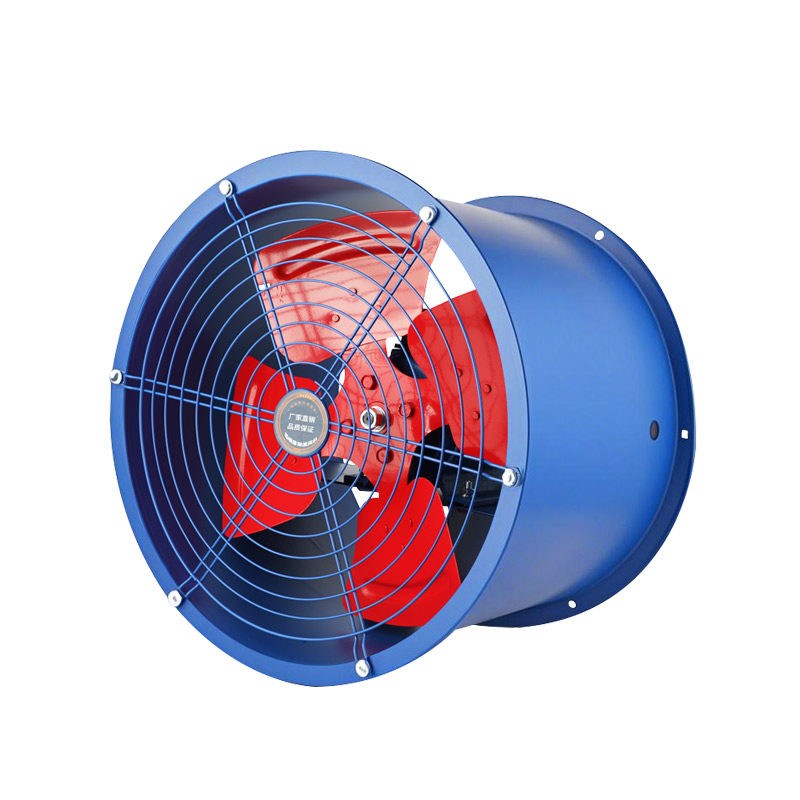
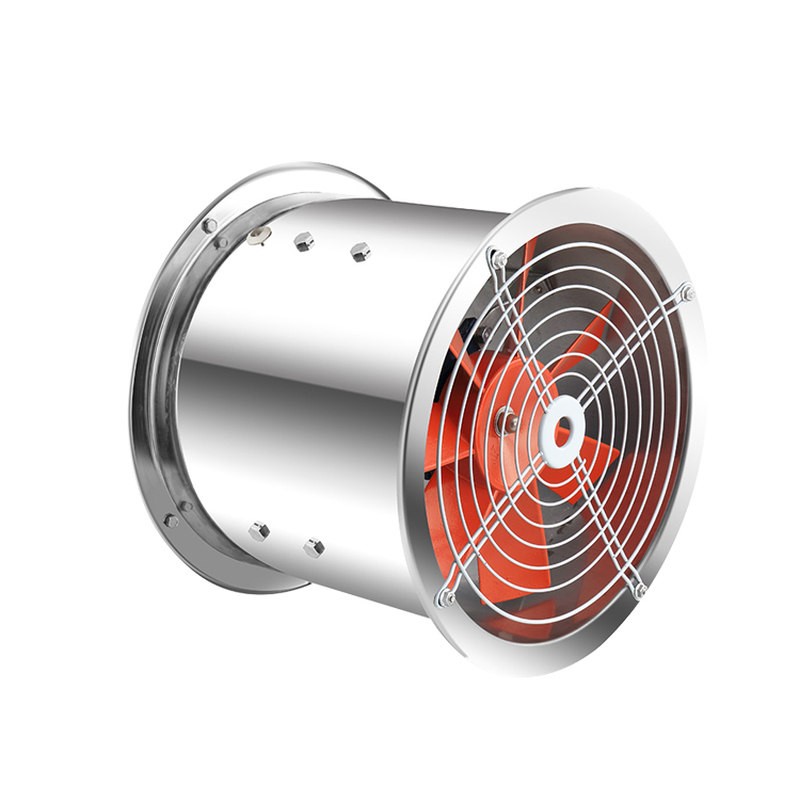
First state the job. Is the downdraft exhaust fan for cooking fumes, general kitchen air, process exhaust, or a smoke-control duty? These jobs need different checks. The products shown on this page are the closest catalog options for kitchen-exhaust discussion. They are not described as exact integrated downdraft appliances.
Check Airflow and Pressure Together
A downdraft exhaust fan must move the needed air and work against the system pressure. Airflow is the amount of air moved. Static pressure is the force available to move air through the route. A short straight duct can need a different downdraft exhaust fan from a long route with bends and filters. Ask for the downdraft exhaust fan duty point. Do not send room area alone.
- Give the downdraft exhaust fan airflow target and the unit used in the project.
- Give the downdraft exhaust fan duct size, route length, and the number of elbows or branches.
- State if the downdraft exhaust fan path has filters, dampers, hoods, or grilles.
- Confirm the outlet point and whether the downdraft exhaust fan is indoors, outdoors, or in a service void.
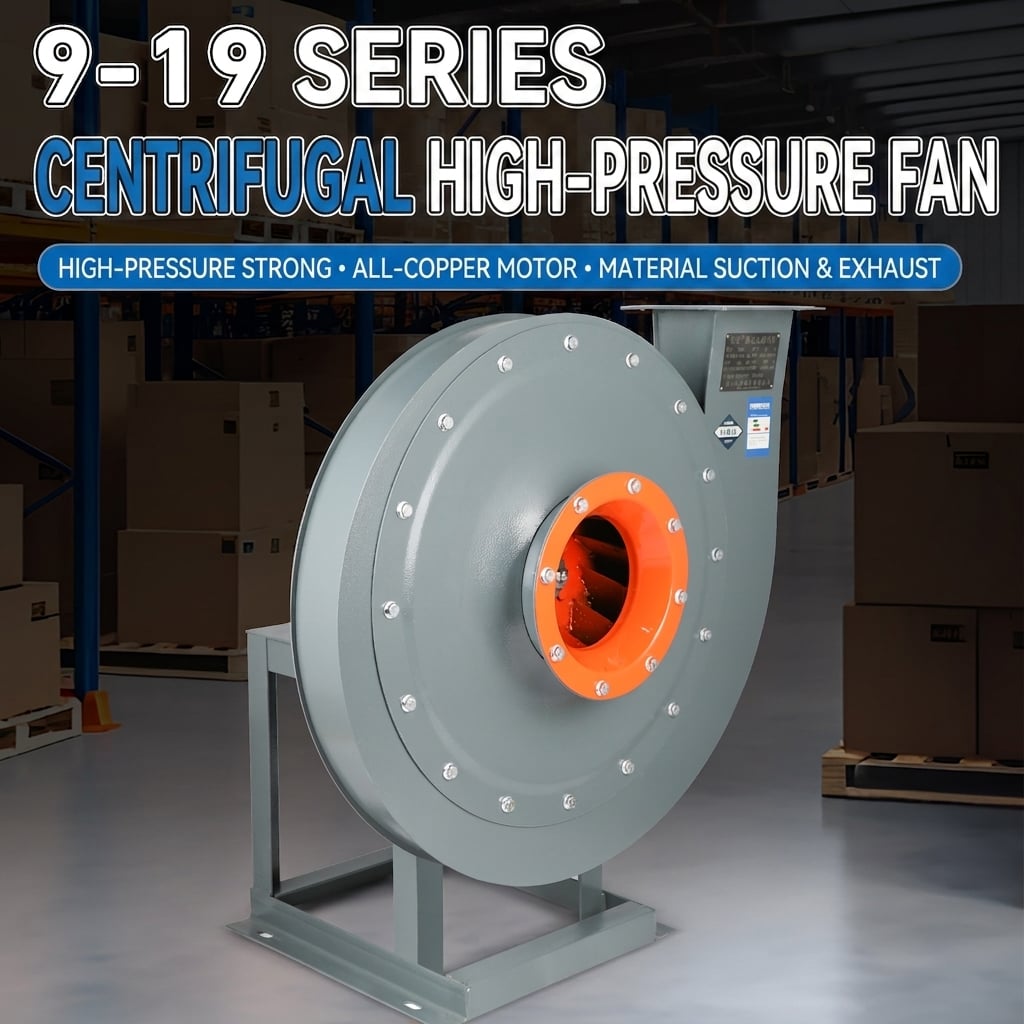
The CF-11 and 11-62 records identify multi-wing centrifugal products. A centrifugal option may be worth reviewing when a downdraft exhaust fan route has real duct resistance. The final downdraft exhaust fan choice still depends on the full duty point and supplier review.
Check Space and Service Access
A downdraft exhaust fan layout can be hard to change after a cabinet, floor, or ceiling is closed. Check the footprint, mounting direction, duct connection, electrical access, and space for service. A cabinet product may fit one downdraft exhaust fan layout. A centrifugal product may fit another. The installer should confirm that the downdraft exhaust fan can be connected and maintained in the real space.
Also review sound early. The 11-62 record identifies a low-noise centrifugal fan for hotel kitchens. That is a product fact, not a promise of an installed sound level. Duct sound, vibration, mounting, and the downdraft exhaust fan duty point can change the result.
Confirm Site Conditions
Before choosing a downdraft exhaust fan, state the voltage, phase, frequency, control method, and run time. Also state heat, humidity, grease, cleaning, dust, and corrosive exposure. The Cabinet Smoke Exhaust Fan record lists an IP65 motor and high-temperature coils and bearings. Confirm if those features fit the actual downdraft exhaust fan duty and local requirements.
For smoke-control work, use the design engineer’s written duty and local rules. Do not use a general downdraft exhaust fan selection as proof of smoke-system approval. Send a clear project brief. Include the downdraft exhaust fan application, airflow, pressure, duct route, electrical supply, space, and site conditions. This helps determine whether a listed fan is relevant.

 EN