Mushroom Exhaust Fan Selection Guide

Get a Free Quote

Our representative will contact you soon.
Email
Mobile/WhatsApp
Name
Company Name
Message
0/1000
Mushroom Exhaust Fan Planning for Roof Ventilation

Mushroom Exhaust Fan Planning for Roof Ventilation

A mushroom exhaust fan project needs a clear air-path plan before a product is chosen. This mushroom exhaust fan guide helps contractors, integrators, agricultural-facility builders, and distributors define the job. Zicheng’s published range includes axial fans, centrifugal fans, kitchen exhaust fans, and vortex blowers. The products below are the closest listed axial-fan references. They are not presented as exact mushroom roof fans. For a mushroom exhaust fan inquiry, state the air volume, duct layout, roof opening, power supply, air temperature, and material exposure. State if the system is new or replaces existing equipment. These facts help separate a direct discharge need from a ducted system. Use the inquiry form to share drawings, photos, and the required duty point for a mushroom exhaust fan review.
Get A Quote

Manufacturer Context for Fan Projects

Supplier facts that can support a project discussion.

Direct Manufacturing Focus

Taizhou Zicheng Electromechanical Co., Ltd. identifies itself as a fan manufacturer. Its merchant profile describes design, development, and production for the products it offers.

Broader Fan Product Range

The stated range includes axial fans, centrifugal fans, kitchen exhaust fans, and vortex blowers. This supports an early review of the air path for a mushroom exhaust fan project.

Related products

Confirm the Air Path First

Confirm the Air Path First

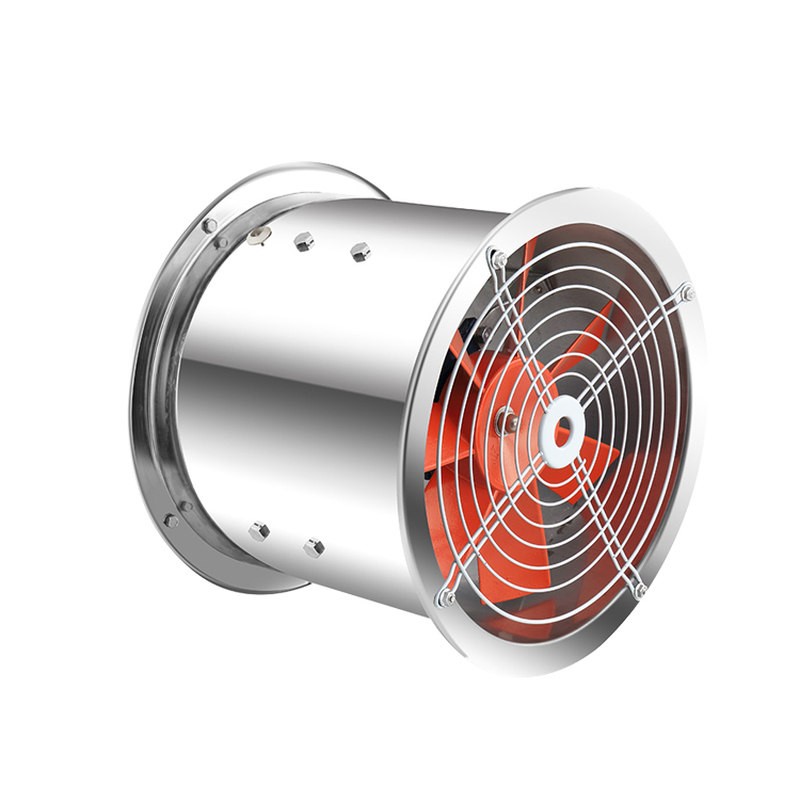
The 304 Stainless Steel Axial Fan 200°C for Drying Rooms is a listed axial-fan reference. Its record names 304 stainless steel and use up to 200°C. For a mushroom exhaust fan request, those facts matter only if the actual air, temperature, and mounting need the same review. They do not confirm roof-mount fit.

Start With the Mushroom Exhaust Fan Duty

A mushroom exhaust fan may mean a roof discharge with a cap-like form. It may also mean a weather-exposed outlet. Ask what the mushroom exhaust fan must remove. It may remove warm air, moisture, or general room air. The answer guides the system plan.

Write a short brief for the mushroom exhaust fan. Include the room size, process, target air volume, work hours, and discharge point. Note if makeup air is available. Exhaust air must be replaced. A mushroom exhaust fan cannot be selected well if the air source is unknown.

Review Airflow and Pressure

Airflow alone is not enough for a mushroom exhaust fan. The real air volume depends on the whole air path. Ducts, bends, screens, filters, dampers, and caps can add resistance. A short roof outlet and a long duct run are not the same job.

  • List the duct size, duct length, bends, and changes in duct size.
  • List every filter, guard, damper, or item in the air path.
  • State if the air volume is a design target or an estimate.
  • Ask for a mushroom exhaust fan review at the intended duty point.

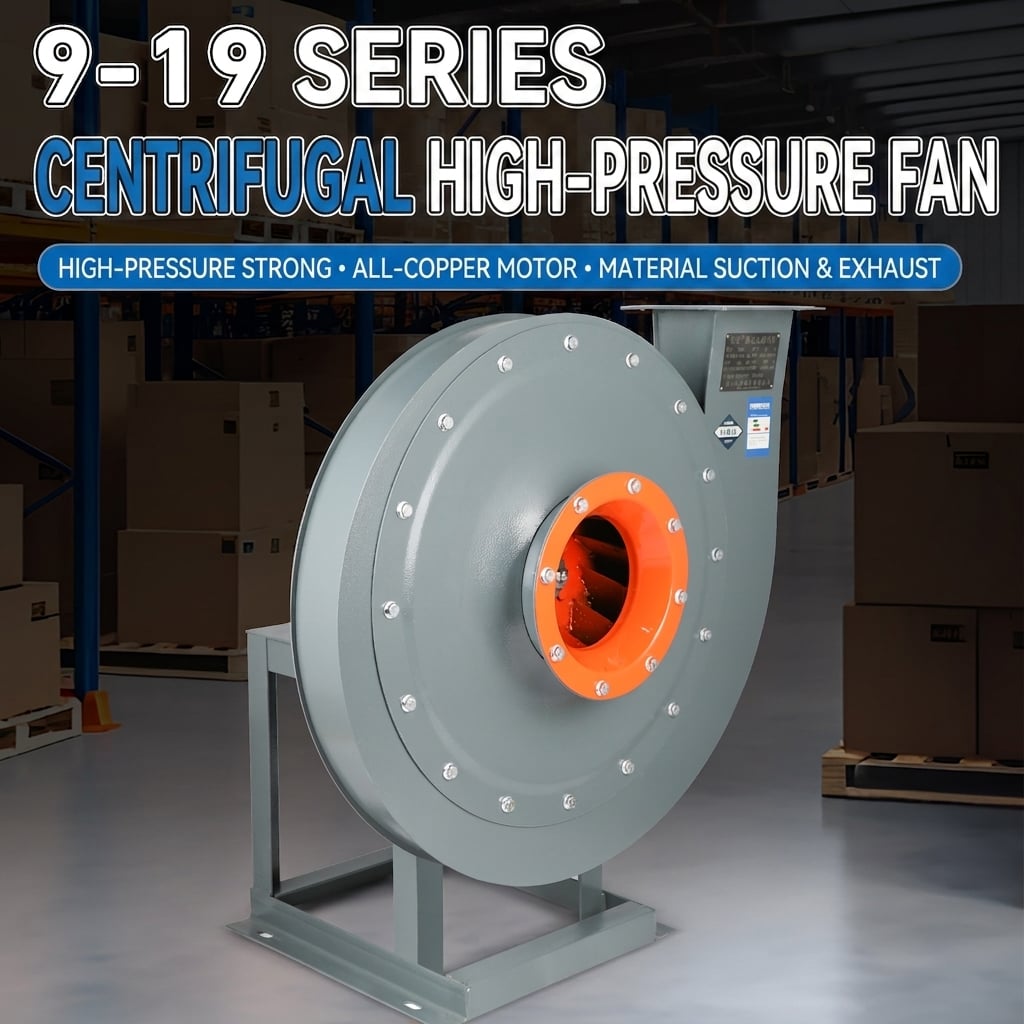
An axial fan can suit a mushroom exhaust fan job with an open path. A system with more resistance may need another fan type. The published range has axial and centrifugal fan categories. Keep the product type open until the duty is clear.

Check the Roof Interface

A mushroom exhaust fan roof job is more than a fan purchase. Check the roof opening, support, flashing, cable route, and service space. Check how water moves away from the opening. The outer cap must not block the inlet or outlet path. The project team should check local building, electrical, and ventilation rules.

Also describe the exhaust air. It may contain heat, moisture, grease, dust, or vapor. These details affect the mushroom exhaust fan material review and the service plan. The listed stainless steel axial fan is for drying rooms. The listed aluminum blade axial fan is for tobacco curing. These records are comparison points. They are not proof that either is a mushroom exhaust fan.

Use the Listed Products as References

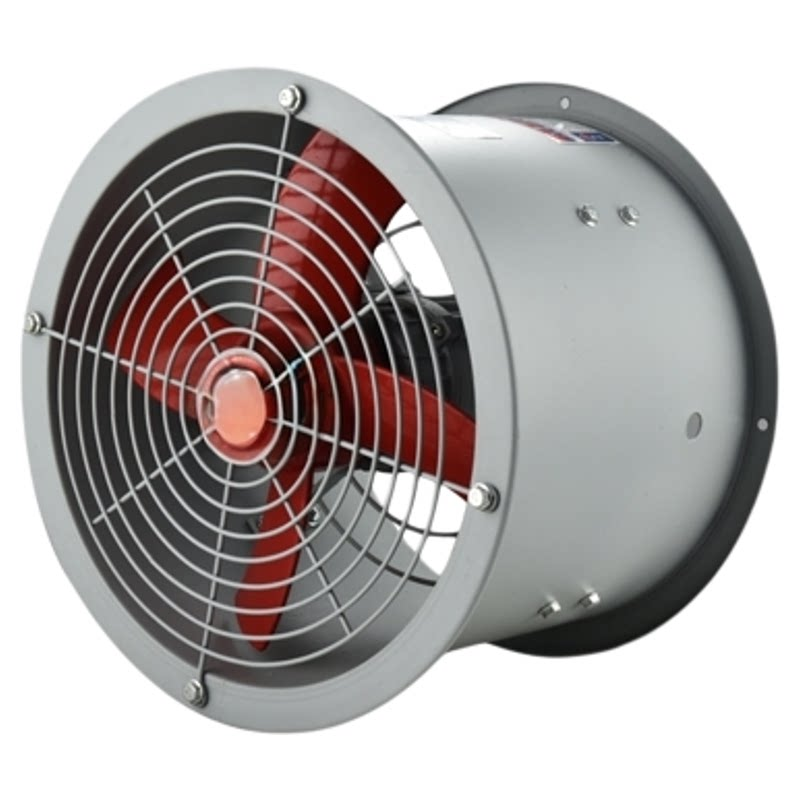
The three listed products are the nearest published axial-fan records. They are not exact mushroom exhaust fan models. Use them to start a technical discussion. The portable axial flow fan is listed for confined spaces and telescopic ducts. It is a reference for temporary or local air movement. It is not an assumed permanent mushroom exhaust fan solution.

Project question Why it matters
Is the mushroom exhaust fan permanent? Permanent roof work and portable work need different mounting plans.
What is in the air path? Ducts and parts can change the fan duty.
What is in the exhaust air? Air conditions guide material and service questions.
What power is available? Electrical details must be known before selection.

Send a Clear Mushroom Exhaust Fan Inquiry

Send photos or drawings when possible. For a mushroom exhaust fan inquiry, include airflow, duct size, pressure estimate if known, air temperature, roof location, and power supply. Say if this is a new job or a replacement. If the mushroom exhaust fan name comes from a drawing, include the drawing.

For every mushroom exhaust fan review, confirm the roof opening, air source, discharge route, and room use. When data is incomplete, begin with those physical limits. They can be more useful than a generic name. This supports a mushroom exhaust fan discussion based on the real duty and installation conditions.

Mushroom Exhaust Fan Questions

Key questions before you request a ventilation review.

What data helps select a mushroom exhaust fan?

For a mushroom exhaust fan request, provide the room size, target airflow, air temperature, operating hours, and what is in the air. Add duct sizes, duct length, bends, filters, and dampers if the system uses ducts. For a roof job, add the roof opening, support plan, service space, and power supply. Photos and drawings help show whether mushroom exhaust fan means a cap, a roof outlet, or another design. This lets the selection team review the real duty rather than only a product name.
No. A mushroom exhaust fan roof installation needs a check of the mounting method, roof structure, weather detail, service access, cable route, and air path. A fan used in a wall or duct job is not automatically right for a roof assembly. The project designer or installer should check local requirements and mounting details. The listed products are axial-fan references. They do not confirm a mushroom exhaust fan roof arrangement.
Ducts and related parts add resistance. Length, size, bends, screens, filters, dampers, and outlet fittings should be reviewed together. A mushroom exhaust fan may move less air after it connects to a restrictive duct path than it does in open air. Give the full route to the selection team. Ask for a mushroom exhaust fan review at the planned airflow and pressure. This is important when a mushroom exhaust fan reaches the roof through a long duct path.
Describe both the exhaust air and the space around the unit. State if there is heat, moisture, grease, dust, corrosive vapor, or process residue. The published 304 Stainless Steel Axial Fan 200°C for Drying Rooms names stainless steel and a drying-room use. That can be a useful mushroom exhaust fan comparison point. It is not a material recommendation until the medium, temperature, cleaning process, and installation conditions are confirmed.

Related article

How to Choose a Reliable Centrifugal Fan Manufacturer in China (2026 Buyer's Guide)

14

Sep

How to Choose a Reliable Centrifugal Fan Manufacturer in China (2026 Buyer's Guide)

A practical 2026 buyer's guide to choosing a trustworthy centrifugal fan manufacturer: certifications, quality control, SS304 materials, OEM support, MOQ and delivery.
View More
How to Choose the Right Aquaculture Aerator for Your Fish Farm (2026 Buying Guide)

14

Sep

How to Choose the Right Aquaculture Aerator for Your Fish Farm (2026 Buying Guide)

Paddle wheel, impeller or vortex? Learn how to size a pond aerator, cut energy costs and find a reliable aquaculture aerator manufacturer for your farm.
View More
Industrial Ventilation Fan Selection Guide: Axial vs Centrifugal vs Mixed Flow

14

Sep

Industrial Ventilation Fan Selection Guide: Axial vs Centrifugal vs Mixed Flow

Compare axial, centrifugal and mixed flow industrial ventilation fans by pressure, airflow and noise, and learn how to buy direct from a factory.
View More

Get a Free Quote

Our representative will contact you soon.
Email
Mobile/WhatsApp
Name
Company Name
Message
0/1000