Industrial Axial Fan Selection and Product Options

Get a Free Quote

Our representative will contact you soon.
Email
Mobile/WhatsApp
Name
Company Name
Message
0/1000
Industrial Axial Fan Selection for Ventilation Projects

Industrial Axial Fan Selection for Ventilation Projects

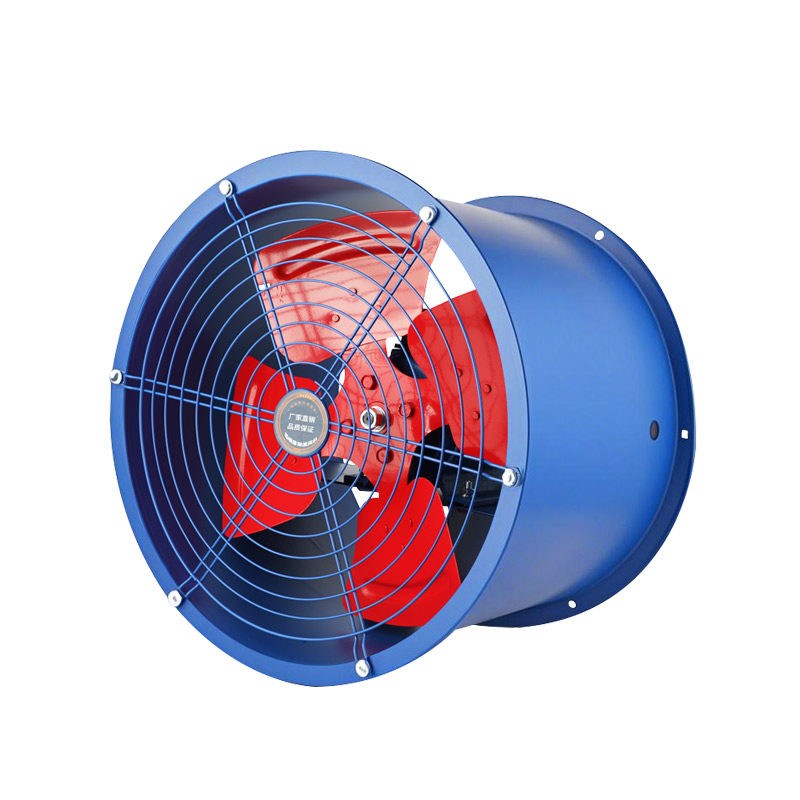
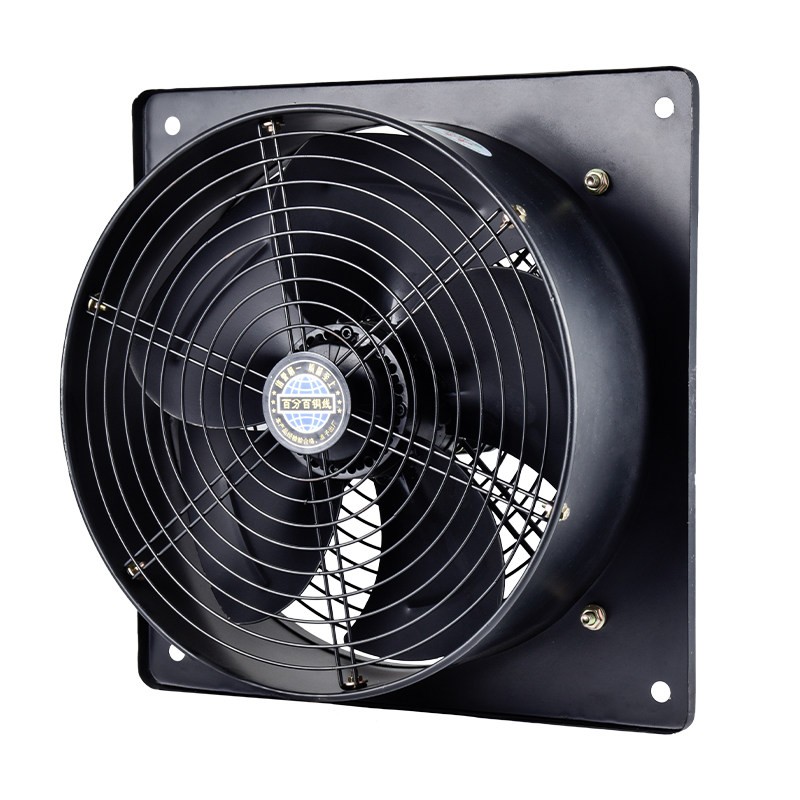
An industrial axial fan moves air in a straight line through the fan. It can suit drying rooms, workshops, plant areas, and short-term work. This page helps buyers select an industrial axial fan from the current range. The range has a stainless-steel fan for hot drying rooms. It also has an aluminum-blade fan for tobacco curing. A portable unit can work with telescopic ducts for temporary air movement. An industrial axial fan is often a good start when the air route is short. Duct runs, turns, screens, filters, and louvres can change the result. Taizhou Zicheng Electromechanical Co., Ltd. makes axial and centrifugal fan types. Send the airflow, pressure, power, material needs, and site details. The team can review the available industrial axial fan options and provide a quote. An industrial axial fan quote should state the planned air path and operating conditions.
Get A Quote

Manufacturer Context for Fan Projects

Verified context for buyers assessing an industrial fan supplier and its product range.

Direct Manufacturing Focus

Taizhou Zicheng Electromechanical Co., Ltd. is listed in the business profile as a manufacturer. Its stated range includes axial fans, centrifugal fans, kitchen exhaust fans, and vortex blowers. This lets buyers discuss an industrial axial fan and other fan types with one supplier. An industrial axial fan request can include the wider project needs.

Application-Led Support

The verified site introduction says design, development, and production are handled in house. Buyers can share airflow, static pressure, voltage, and site conditions. The supplier can then review an industrial axial fan model against those details before an order is placed. This helps match an industrial axial fan to the stated job.

Related products

Match Fan Build to Site Conditions

Match Fan Build to Site Conditions

An industrial axial fan must match the site, not just the air volume. The stainless-steel drying-room model is listed with 304 stainless steel and a temperature of up to 200°C. The portable CTF unit is made for use with telescopic air ducts. Check the exact duty point before an industrial axial fan configuration is chosen. An industrial axial fan selection should also state the air route.

Set the Airflow Task First

An industrial axial fan needs a clear job. It may supply air. It may exhaust air. It may move air through a drying room. It may serve a short-term work area. State the job before you compare models. Record room size, air volume, air heat, moisture, dust, power, and fan position. Note where air enters and leaves. These simple facts help define the duty point for an industrial axial fan. The same facts help compare one industrial axial fan model with another.

Do not choose an industrial axial fan by size alone. Two sites can need the same air volume. Their air paths may still be very different. A wall opening has low resistance. A long duct can have much more resistance. The layout should guide the choice. An industrial axial fan needs a route that fits its intended use.

Check the Whole Air Path

Rated air volume is only one part of the selection. A fan can give a different result after it is installed. Duct length adds load. Bends add load. Filters, hoods, screens, and dampers add load too. Ask for an industrial axial fan review that includes airflow and static pressure. Then compare the proposed fan point with the real layout. This is a key step for an industrial axial fan in a ducted system.

  • Measure each duct section and write down its size.
  • Count each turn, branch, grille, filter, and damper.
  • State if the industrial axial fan will supply air or remove air.
  • Keep access space for cleaning where dust or grease may build up.

A large industrial axial fan is not always the best answer. More size does not remove system resistance. If the route has a long duct or many parts, ask whether another fan layout fits the pressure need better. The right choice depends on the full air path. An industrial axial fan should be reviewed at the planned operating point.

Match the Fan to Heat and Material

Site conditions matter as much as airflow. The 304 Stainless Steel Axial Fan 200°C for Drying Rooms is a listed option for hot drying work. Its record lists 304 stainless steel. It also lists F-class or H-class insulation options. The record lists 220V or 380V power. The series has a stated airflow range of 2,100 to 39,000 m³/h. Confirm each industrial axial fan detail for the exact model you plan to buy. An industrial axial fan for drying should match the stated site heat.

The Aluminum Blade Axial Fan 39,000 m³/h for Tobacco Curing is another listed product. It has curved die-cast aluminum blades. Its record lists Class F or H insulation. This industrial axial fan may fit a drying project when the site facts match the model. Heat can vary in one room. Heat near a roof or process unit may be higher. Share measured site values for a sound model review. That check supports an industrial axial fan choice based on the actual location.

Choose Fixed or Portable Use

A fixed industrial axial fan and a portable unit serve different jobs. The Portable Axial Flow Fan 10,000 m³/h for Confined Spaces is listed in CTF models. The listed range is 3,000 to 10,000 m³/h. It can connect with telescopic air ducts. This can help when the air source is far from the work point. A portable industrial axial fan does not replace a fixed high-resistance system. That is an important limit. A portable industrial axial fan should be chosen for its planned duct route.

Plan the flexible duct route before you put the fan in place. Keep the inlet clear. Avoid tight bends. Do not crush the duct. Put the discharge where removed air will not return to the work zone. For a confined space, an industrial axial fan is only one part of the plan. Use the site safety process and suitable air checks. Do not treat an industrial axial fan as a full safety system.

Send a Useful RFQ

A good RFQ helps the supplier make a clear comparison. Give the airflow and pressure target. Add the air type, heat range, moisture, and corrosion risk. State voltage, frequency, mount method, duct size, and noise limit. Say if the job is a replacement, new build, drying process, workshop task, or temporary job. Taizhou Zicheng Electromechanical Co., Ltd. can review the current industrial axial fan range against those facts. A clear RFQ helps identify whether an industrial axial fan is the right product type for your site. It also gives the supplier the basis for an industrial axial fan quotation.

Industrial Axial Fan FAQ

Questions to answer before asking for an industrial fan quote.

How do I size an industrial axial fan?

Start with the airflow need and the full air route. Give room size, duct size, duct length, turns, filters, grilles, heat, and air direction. These details help a supplier review the operating point. An industrial axial fan chosen only from an open-air number may not match the installed system. Ask for an industrial axial fan model review based on airflow and static pressure.
An industrial axial fan can suit a site with high air volume and a fairly direct route. Common uses include wall ventilation, drying-room air movement, and temporary ducted work. The final choice depends on static pressure and layout. A long duct, many turns, or filters can change the result. Ask for an industrial axial fan comparison based on the full duty point.
Give the local heat, moisture, dust, grease, cleaning method, and corrosion risk. The listed stainless-steel drying-room product has 304 stainless steel and a stated temperature of up to 200°C. Confirm the exact model details for your use. An industrial axial fan material choice should follow the actual site conditions, not only the product name. An industrial axial fan must suit the local environment.
The listed Portable Axial Flow Fan 10,000 m³/h for Confined Spaces can work with telescopic air ducts. Confirm the duct size, route, length, and discharge plan first. Keep the route as straight as you can. Bends reduce delivered air. For a confined space, an industrial axial fan does not replace a site safety plan or suitable air monitoring. An industrial axial fan supports, but does not replace, those controls.

Related article

How to Choose a Reliable Centrifugal Fan Manufacturer in China (2026 Buyer's Guide)

14

Sep

How to Choose a Reliable Centrifugal Fan Manufacturer in China (2026 Buyer's Guide)

A practical 2026 buyer's guide to choosing a trustworthy centrifugal fan manufacturer: certifications, quality control, SS304 materials, OEM support, MOQ and delivery.
View More
How to Choose the Right Aquaculture Aerator for Your Fish Farm (2026 Buying Guide)

14

Sep

How to Choose the Right Aquaculture Aerator for Your Fish Farm (2026 Buying Guide)

Paddle wheel, impeller or vortex? Learn how to size a pond aerator, cut energy costs and find a reliable aquaculture aerator manufacturer for your farm.
View More
Industrial Ventilation Fan Selection Guide: Axial vs Centrifugal vs Mixed Flow

14

Sep

Industrial Ventilation Fan Selection Guide: Axial vs Centrifugal vs Mixed Flow

Compare axial, centrifugal and mixed flow industrial ventilation fans by pressure, airflow and noise, and learn how to buy direct from a factory.
View More

Get a Free Quote

Our representative will contact you soon.
Email
Mobile/WhatsApp
Name
Company Name
Message
0/1000