Axial Cooling Fan Selection for Industrial Use

Get a Free Quote

Our representative will contact you soon.
Email
Mobile/WhatsApp
Name
Company Name
Message
0/1000
Axial Cooling Fan Selection for Industrial Airflow

Axial Cooling Fan Selection for Industrial Airflow

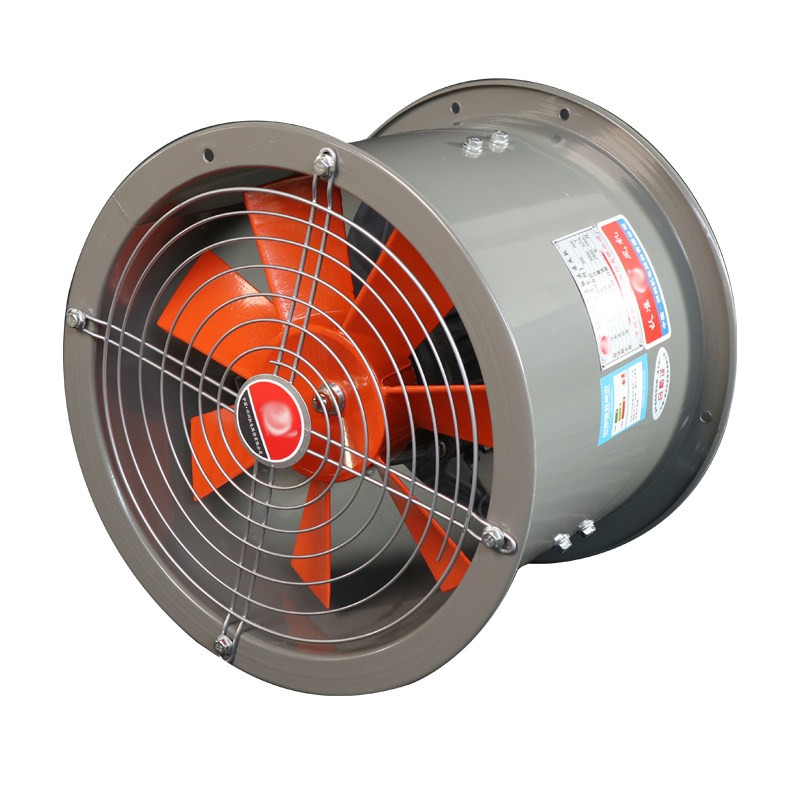
An axial cooling fan moves air along a direct path. It can help cool a work area, circulate air, or support a drying process. This axial cooling fan page covers the closest current axial fan products. These include a stainless steel fan for drying rooms, an aluminum-blade fan for tobacco curing, and a portable axial-flow fan for confined spaces. Each axial cooling fan duty is different. Define the axial cooling fan duty before requesting a model. Check airflow, air path, ambient heat, power, and mounting before you choose. Ducts, guards, and bends can change the result. Taizhou Zicheng Electromechanical Co., Ltd. makes axial, centrifugal, kitchen-exhaust, and vortex-blower products. Send your room size, air route, temperature, and airflow target. We can discuss an axial cooling fan configuration and provide a quote.
Get A Quote

Industrial Fan Supply Context

Verified manufacturer and product-range context for buyers evaluating an axial cooling fan supplier.

Direct Manufacturing Focus

Taizhou Zicheng Electromechanical Co., Ltd. is identified in the merchant profile as a manufacturer. It has direct factory production capability for the fan products it offers. Buyers can discuss an axial cooling fan application directly with the supplier.

Broader Fan Product Range

The documented range includes axial fan types, centrifugal fan types, kitchen exhaust fans, and vortex blowers. Buyers with more than one air-moving duty can compare categories in one conversation. This helps when an axial cooling fan is only part of a wider project.

Related products

Match Airflow to the Air Path

Match Airflow to the Air Path

Select an axial cooling fan around the real air path. Do not use its open-air rating alone. The listed portable axial-flow fan can connect with telescopic air ducts. For a fixed axial cooling fan, check airflow, duct length, bends, guards, heat, and mounting before you choose a model.

Define the Axial Cooling Fan Duty

An axial cooling fan moves air in a straight direction. It can suit general air movement, heat removal, drying, or temporary ventilation. Start with the job. What needs cooling? Where should air enter? Where should it leave?

Write down room size, heat source, target airflow, and run time. Also note the air temperature near the fan. These facts help describe the axial cooling fan duty. They also help narrow an axial cooling fan choice. They are more useful than a broad product name.

Check the Air Path

The air path matters for every axial cooling fan. Map the route from inlet to outlet. Mark duct size, duct length, bends, screens, dampers, and filters. Each item can add resistance. A fan may move less air after these items are installed.

  • Use a short, direct path when the site allows it.
  • List every bend before you size the axial cooling fan.
  • State if the fan supplies, exhausts, or circulates air.
  • Keep the inlet and outlet clear for airflow.

An axial cooling fan can fit an open or low-resistance air path. A long path needs more review. Airflow alone does not describe the whole duty. Ask for a check of the real operating point.

Match Materials to the Environment

The work environment guides axial cooling fan construction. Check heat, humidity, dust, vapors, and cleaning methods. The selected stainless steel axial fan is titled for drying rooms up to 200°C. Its product record lists 304 stainless steel and F-class or H-class insulation options.

Use those details as a starting point, not a site approval. Measure the temperature at the planned location. Share the air conditions and voltage. Then ask if the axial cooling fan configuration fits the duty.

The selected aluminum-blade axial fan is listed for tobacco curing and up to 39,000 m³/h. It is a relevant product for high-volume drying airflow. Confirm model data, voltage, and mounting before you specify it. An axial cooling fan title is not a final site specification.

Choose Fixed or Portable Use

A fixed axial cooling fan can suit a stable wall, roof, or equipment location. The air route stays in one place. A portable unit serves a different task. The listed portable axial-flow fan is for confined spaces. Its product record gives a 3,000–10,000 m³/h range for the series.

A portable axial cooling fan can move to a temporary work zone. It can work with telescopic ducting. Still, portable use needs a plan. Check the space shape, duct connection, power, and air direction. Follow the site safety plan for confined-space work.

Send Useful Project Details

A clear inquiry supports a better axial cooling fan discussion. Send airflow target, dimensions, air temperature, voltage, mounting point, and duty cycle. Add a sketch of the duct route where possible. State whether the goal is cooling, drying, exhaust, or temporary ventilation. The supplier can then compare the closest available axial cooling fan products and identify details that need confirmation.

Axial Cooling Fan Questions

Practical questions to prepare before selecting a cooling or ventilation fan.

How do I size an axial cooling fan?

Size an axial cooling fan from the duty, not the name. A clear axial cooling fan brief prevents a poor match. Gather the room or equipment volume, heat source, target airflow, operating temperature, and run time. Then map the air route. Include ducts, bends, screens, dampers, and filters. These parts affect resistance and delivered air. Share the details with the supplier. The available axial cooling fan model data can then be compared with the installed conditions. Do not use a free-air airflow figure as the only selection input.
An axial cooling fan can work with ducting when the fan and air route are reviewed together. This axial cooling fan review should cover every restriction. Duct length, diameter, bends, guards, and other restrictions affect delivered airflow. The listed portable axial-flow product is described as compatible with telescopic ducts. For a fixed axial cooling fan, provide the duct drawing and required air direction. If resistance is high, ask for an operating-point review before selecting a unit.
Material and motor needs depend on the measured heat, humidity, contaminants, and cleaning conditions. One selected axial cooling fan is a 304 stainless steel model titled for drying rooms up to 200°C. Its product record refers to F-class or H-class insulation options. This makes it relevant to discuss for a demanding drying duty. It does not prove fit for every site. Share the real environment, voltage, and duty cycle for review.
A portable axial cooling fan can help when ventilation moves with the task. The selected portable series is listed for confined spaces. Its product record gives a 3,000–10,000 m³/h range and refers to telescopic ducting. Match the axial cooling fan to space shape, duct arrangement, power supply, and air direction. A portable unit is not always a substitute for a permanent system. Follow the applicable site safety plan and use qualified personnel for confined-space work.

Related article

How to Choose a Reliable Centrifugal Fan Manufacturer in China (2026 Buyer's Guide)

14

Sep

How to Choose a Reliable Centrifugal Fan Manufacturer in China (2026 Buyer's Guide)

A practical 2026 buyer's guide to choosing a trustworthy centrifugal fan manufacturer: certifications, quality control, SS304 materials, OEM support, MOQ and delivery.
View More
How to Choose the Right Aquaculture Aerator for Your Fish Farm (2026 Buying Guide)

14

Sep

How to Choose the Right Aquaculture Aerator for Your Fish Farm (2026 Buying Guide)

Paddle wheel, impeller or vortex? Learn how to size a pond aerator, cut energy costs and find a reliable aquaculture aerator manufacturer for your farm.
View More
Industrial Ventilation Fan Selection Guide: Axial vs Centrifugal vs Mixed Flow

14

Sep

Industrial Ventilation Fan Selection Guide: Axial vs Centrifugal vs Mixed Flow

Compare axial, centrifugal and mixed flow industrial ventilation fans by pressure, airflow and noise, and learn how to buy direct from a factory.
View More

Get a Free Quote

Our representative will contact you soon.
Email
Mobile/WhatsApp
Name
Company Name
Message
0/1000