High Temperature Axial Fan for Drying Systems

Get a Free Quote

Our representative will contact you soon.
Email
Mobile/WhatsApp
Name
Company Name
Message
0/1000
High Temperature Axial Fan for Drying System Selection

High Temperature Axial Fan for Drying System Selection

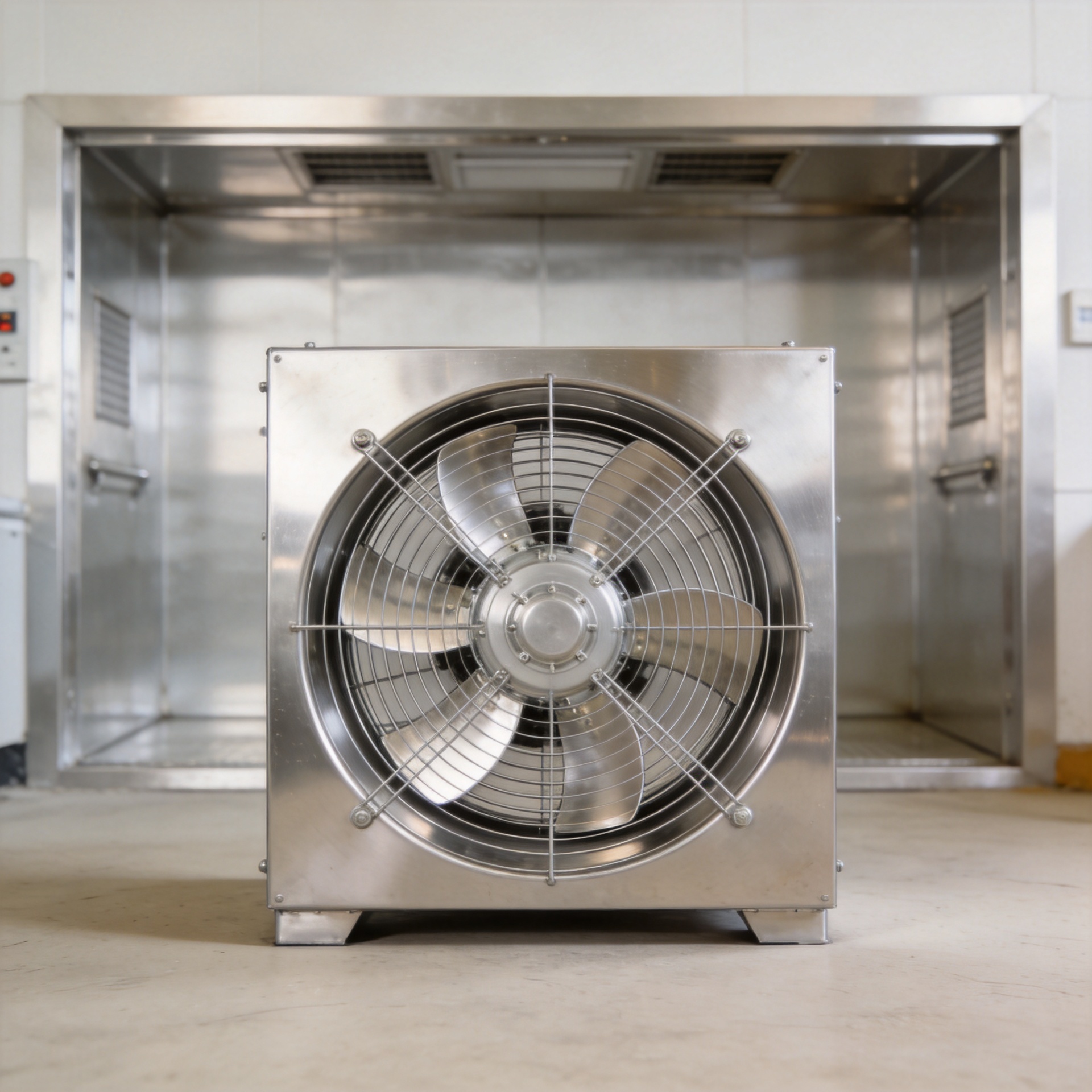
A high temperature axial fan can move air in a drying room, heated process area, or other warm enclosure. Each high temperature axial fan needs to suit the actual site, not only the process temperature. This page covers high temperature axial fan options for buyers who need to review heat, moisture, airflow, power, and installation before they ask for a quote. The available range includes a stainless steel axial fan listed for drying rooms up to 200°C, an aluminum-blade fan for tobacco curing, and a portable axial flow fan for confined spaces. A fixed high temperature axial fan and a portable unit have different roles. Share the temperature at the fan, the desired airflow, voltage, air path, and mounting plan. Those details support a useful high temperature axial fan recommendation.
Get A Quote

Industrial Fan Supply Context

Verified manufacturer and product-range context for project sourcing.

Direct Factory Production

Taizhou Zicheng Electromechanical Co., Ltd. is listed in the merchant profile as a manufacturer, not a trading company, with direct production capability for its listed fan products.

Axial and Fan Range

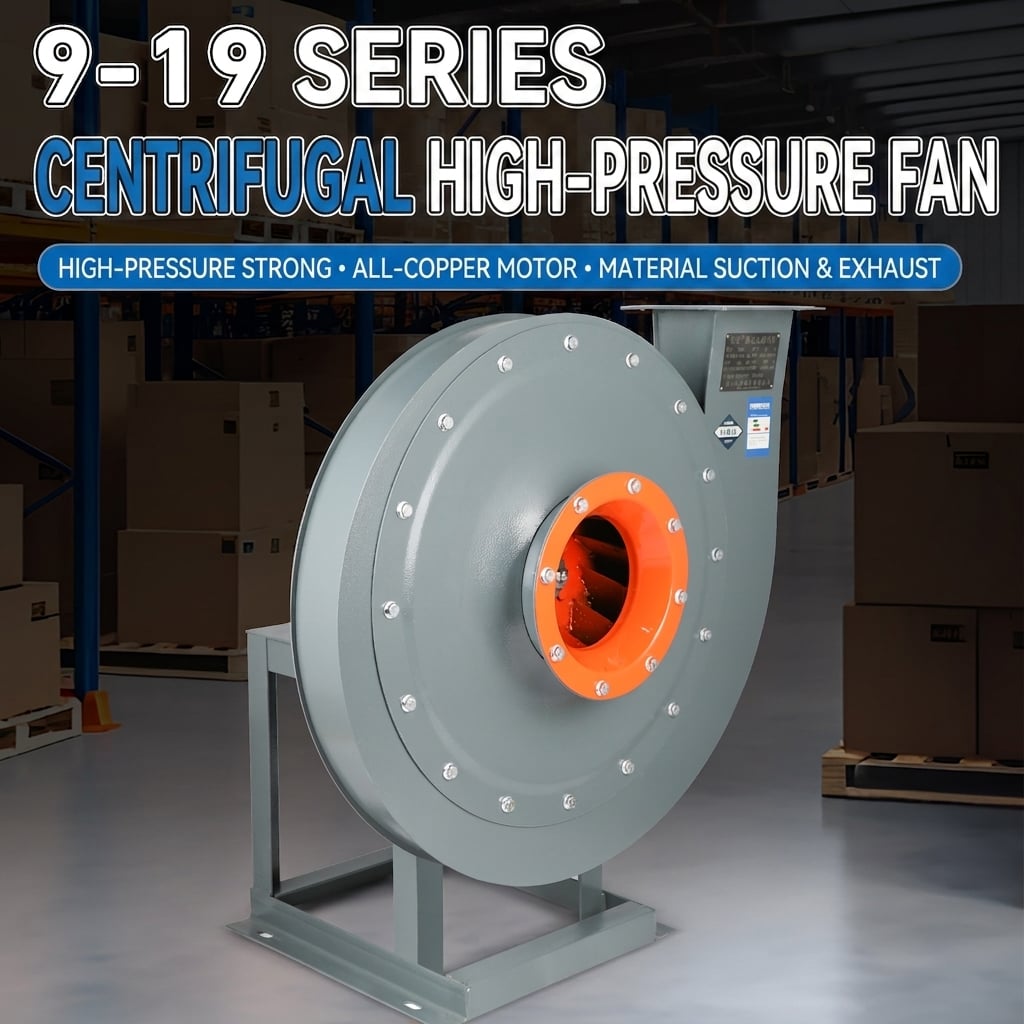
The available range includes axial fan types, centrifugal fans, kitchen exhaust fans, and vortex blowers. This can help a buyer compare more than one ventilation approach.

Related products

200°C Drying Room Option

200°C Drying Room Option

The listed 304 Stainless Steel Axial Fan is specified for drying rooms up to 200°C. Its record lists 304 stainless steel, F-class or H-class motor insulation, 220V or 380V options, and airflow from 2,100 to 39,000 m³/h. A high temperature axial fan still needs a site check. Confirm the temperature at the motor and the needed duty point before selecting a configuration.

Check the Temperature at the Fan

Start high temperature axial fan selection with the heat at the fan. Do not use only the process set point. Heat at the motor can differ from heat in the room. It can also change during a cycle. A high temperature axial fan needs a clear temperature limit for its own location. Note if the air has moisture, dust, or vapor. These details help define the working conditions. For each high temperature axial fan request, include the hottest expected condition at the motor.

The selected stainless steel product is listed for drying rooms up to 200°C. Its record also lists F-class or H-class motor insulation. Use those details as a starting point. Do not treat them as a full site design. A high temperature axial fan should match the real temperature, duty cycle, and mounting position. Ask whether the proposed high temperature axial fan is suitable for that measured location.

Set the Airflow and Air Path

A high temperature axial fan needs the right airflow at the work point. A rated airflow is useful, but it is not the full answer. Ducts and bends add resistance. Guards, filters, and process equipment can also change the air path. A high temperature axial fan may give a different result after it is placed in a duct system. Describe the full air path when you request a high temperature axial fan recommendation.

  • Give the room length, width, height, and target air zone.
  • List duct size, total length, bends, and other restrictions.
  • State if the high temperature axial fan will supply, exhaust, or circulate air.
  • Confirm voltage and whether the high temperature axial fan runs all day or in short cycles.

The available SF-series record lists airflow from 2,100 to 39,000 m³/h across its configurations. That is a range for review. It is not proof that every model fits every room. A high temperature axial fan choice should use the required airflow and actual resistance. This is the practical basis for comparing each high temperature axial fan option.

Review Materials and Insulation

Heat is not the only issue. A high temperature axial fan may also face humidity, wash-down work, or process vapor. The closest product for this page is a 304 stainless steel axial fan. Its record identifies a drying-room use. A high temperature axial fan with this material can be reviewed when the site calls for it. It is not a default choice for every installation. State the exposure conditions when you ask about a high temperature axial fan material option.

Motor insulation also needs a check. Product 842 lists F-class or H-class insulation. The aluminum-blade tobacco-curing product lists the same class options. For a high temperature axial fan, compare these facts with the actual heat, power supply, and load. Check applicable standard categories and local site rules when the project has material or safety needs. This check helps keep high temperature axial fan selection tied to the real application.

Choose Fixed or Portable Use

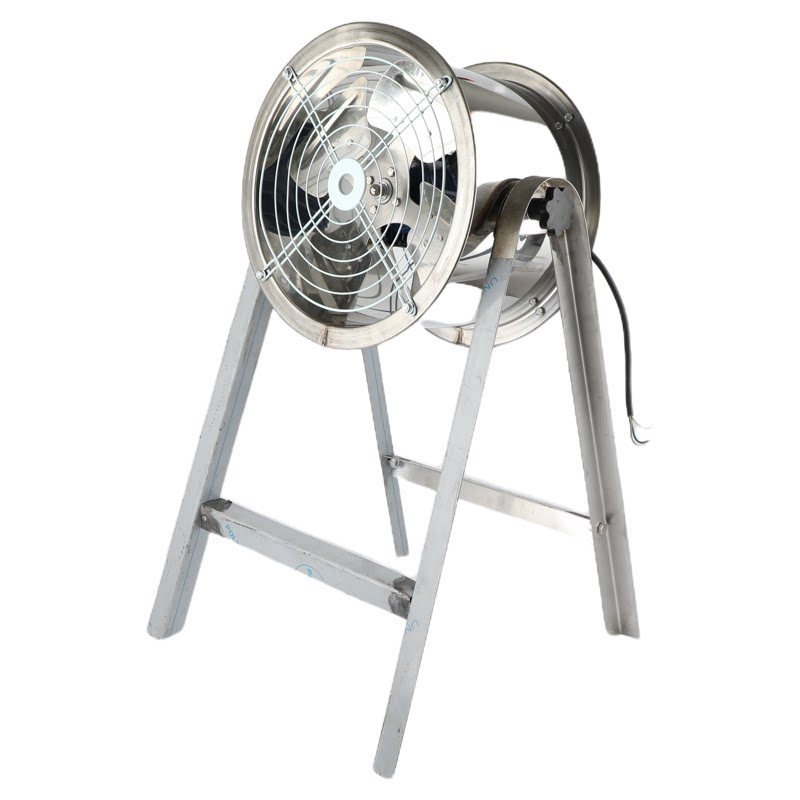
A high temperature axial fan for a fixed drying room has a different job from a portable fan. The stainless steel and aluminum-blade products are relevant to installed axial ventilation. The portable axial flow fan is listed for confined spaces and telescopic ducts. It moves air where a work area changes.

A portable unit does not replace a fixed high temperature axial fan in every process. This matters when a site has ducts, a steady heat load, or a set airflow plan. A portable fan can suit temporary work. A fixed high temperature axial fan can suit an installed process. The better fit depends on the layout. Use the installation plan to decide which high temperature axial fan approach to review.

Send a Useful Request

A high temperature axial fan inquiry should include process heat, fan-location heat, airflow, duct data, voltage, and mounting position. Add room size and exposure to moisture or contaminants. Say if the high temperature axial fan is fixed or used with temporary ducting. These facts help narrow the available options without making unsupported claims about the final design. A complete high temperature axial fan request also makes it easier to compare the listed product options.

High Temperature Axial Fan FAQ

Questions to review before requesting a model recommendation.

What temperature is needed for fan selection?

Give the process temperature and the air temperature at the fan and motor. They can differ. This is important for a high temperature axial fan near a chamber, ceiling, or exhaust point. State if the heat is steady or cyclical. Also note humidity and vapor. The selected stainless steel fan is listed for drying rooms up to 200°C. A high temperature axial fan configuration still depends on all site conditions. The supplier can review those details before a model is chosen.
Ducts, bends, guards, filters, and transitions add resistance. A high temperature axial fan should therefore be reviewed with the real air path. Provide duct diameter, length, bends, and equipment in the path. Do not choose a high temperature axial fan from free-air airflow alone. Ask for guidance based on airflow and static-pressure needs. This helps separate a simple axial ventilation task from a system that needs another fan arrangement.
Review stainless steel when heat, moisture, cleaning, or exposure conditions make material choice important. The selected product record lists a 304 stainless steel high temperature axial fan for drying rooms. That does not mean all sites need this construction. Compare the air stream, maintenance method, and site rules. Include those facts in the request. The supplier can then respond with relevant high temperature axial fan product information.
A portable axial flow fan can suit temporary or mobile air-moving work. The selected portable product is listed for confined spaces and can connect to telescopic ducts. It has a different role from a fixed high temperature axial fan. For a permanent drying process, first review airflow distribution, motor heat, mounting, and duty cycle. The better option depends on whether the site needs a mobile tool or an installed high temperature axial fan.

Related article

How to Choose a Reliable Centrifugal Fan Manufacturer in China (2026 Buyer's Guide)

14

Sep

How to Choose a Reliable Centrifugal Fan Manufacturer in China (2026 Buyer's Guide)

A practical 2026 buyer's guide to choosing a trustworthy centrifugal fan manufacturer: certifications, quality control, SS304 materials, OEM support, MOQ and delivery.
View More
How to Choose the Right Aquaculture Aerator for Your Fish Farm (2026 Buying Guide)

14

Sep

How to Choose the Right Aquaculture Aerator for Your Fish Farm (2026 Buying Guide)

Paddle wheel, impeller or vortex? Learn how to size a pond aerator, cut energy costs and find a reliable aquaculture aerator manufacturer for your farm.
View More
Industrial Ventilation Fan Selection Guide: Axial vs Centrifugal vs Mixed Flow

14

Sep

Industrial Ventilation Fan Selection Guide: Axial vs Centrifugal vs Mixed Flow

Compare axial, centrifugal and mixed flow industrial ventilation fans by pressure, airflow and noise, and learn how to buy direct from a factory.
View More

Get a Free Quote

Our representative will contact you soon.
Email
Mobile/WhatsApp
Name
Company Name
Message
0/1000