6 Inch Extractor Fan: Start With the Air Path
A 6 inch extractor fan is often picked because an opening or duct collar is already in place. That is useful, but it is not enough. A 6 inch extractor fan must move air through the real route, not an ideal route. First, state what air must leave the room or enclosure. Then show where fresh air can enter. A 6 inch extractor fan cannot work well if the space has no make-up air.
For a replacement, measure the opening and note the mounting face. Record the fan location, clear space, and power supply. For a new job, note the room volume and the source of heat, moisture, fumes, or dust. These details make a 6 inch extractor fan request clearer. They also help separate a simple wall opening from a ducted system.
6 Inch Extractor Fan Duct Resistance
A 6 inch extractor fan may move air freely in an open test. Its airflow can change after duct and fittings are added. Duct length, elbows, filters, grilles, dampers, and outlet hoods all add resistance. This is why a 6 inch extractor fan should be checked against the full air path.
- Measure the duct from the intake point to the outlet.
- List each bend, branch, grille, damper, filter, and size change.
- State whether the 6 inch extractor fan serves an open room or a closed enclosure.
- Describe the temperature, moisture, dust, grease, or fumes in the air.
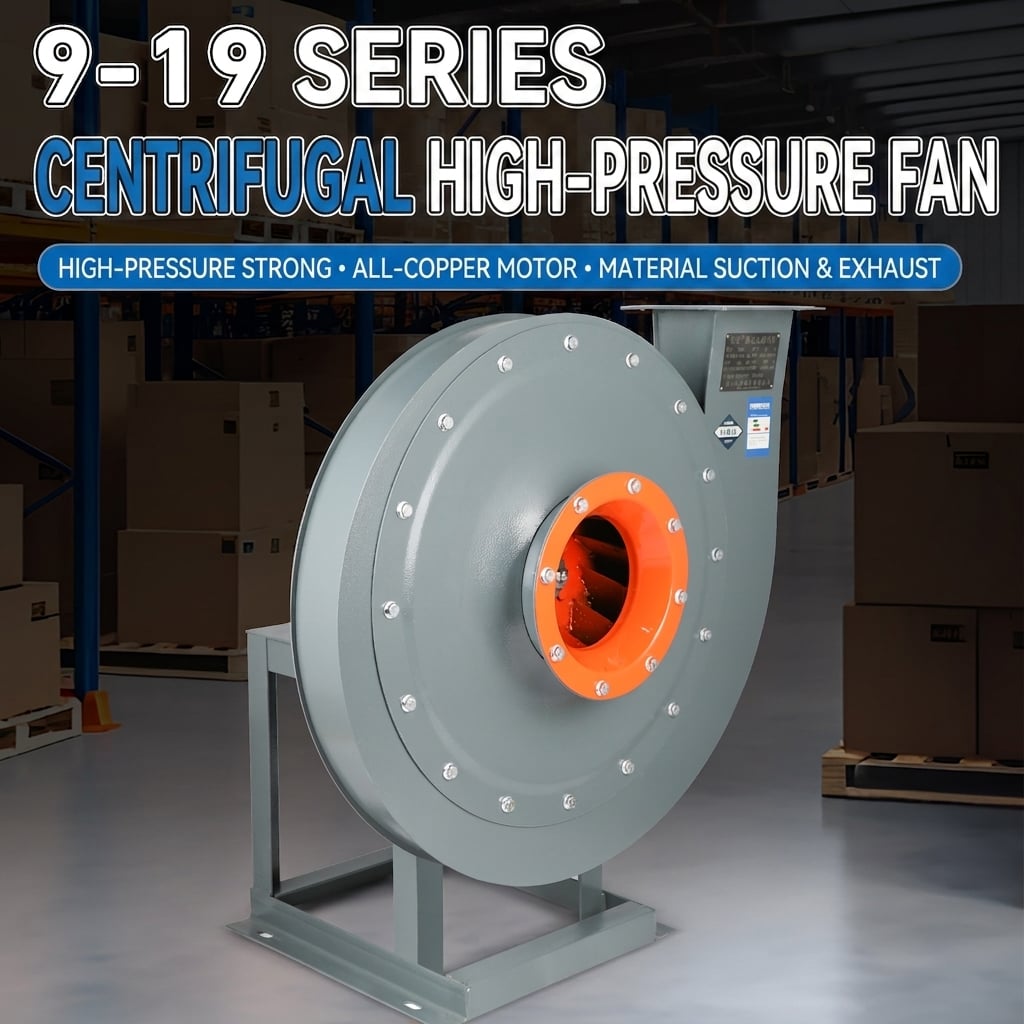
There is no single best 6 inch extractor fan for every job. A short and direct route may suit an axial layout. A long route may need another fan type or a better duct route. Ask for a fan curve. Compare it with the expected airflow and pressure before buying a 6 inch extractor fan.
Match the Fan Type to the Job
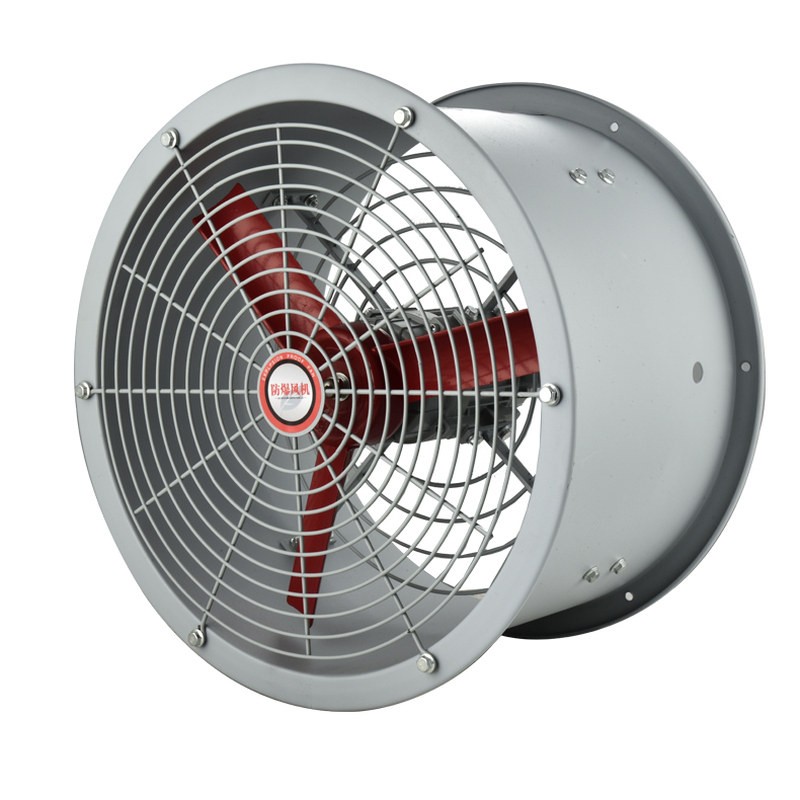
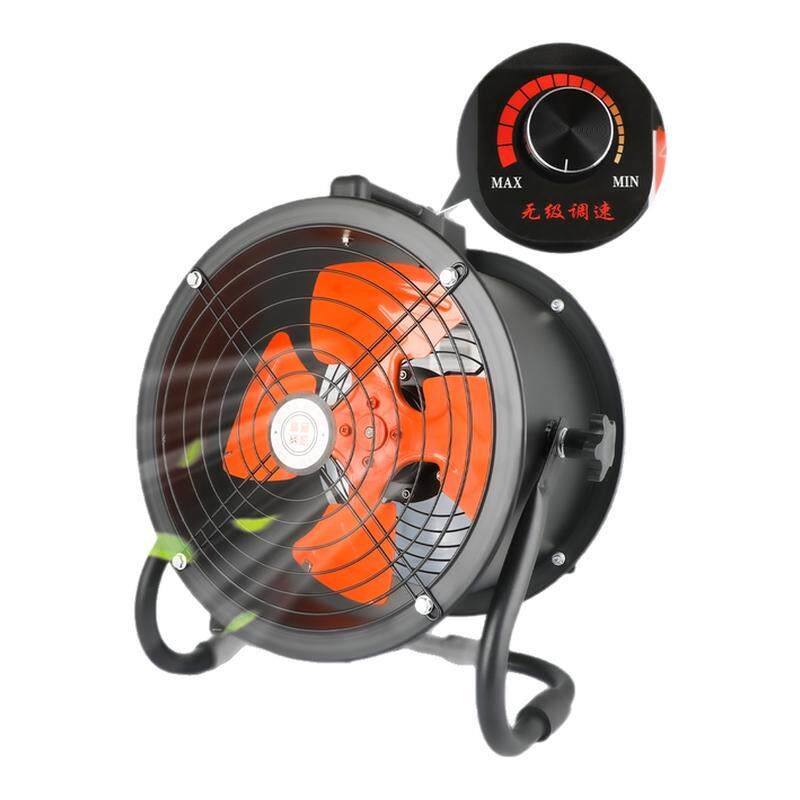
Axial fans move air along the shaft. They are often considered for general ventilation with a direct route. The available site catalog has industrial axial references. One portable axial-flow fan is listed for confined spaces and telescopic duct connection. These records can guide an application talk. They do not claim to be exact 6 inch extractor fan models.
Decide if the job needs a fixed or portable unit. A portable fan can help with temporary work where fixed duct is not ready. A fixed 6 inch extractor fan needs a sound mounting face and service space. In both cases, keep loose material out of the air path. Place the outlet so extracted air does not return to the intake.
6 Inch Extractor Fan Site Conditions
Site conditions affect the selection. The chosen stainless-steel axial product is listed for drying rooms at up to 200°C. The site also lists several fan types. This does not mean every 6 inch extractor fan needs a high-temperature product. It shows why the actual temperature, humidity, and air content should be shared early.
Confirm voltage, phase, frequency, and any electrical protection before ordering. If the 6 inch extractor fan is near heat, water, grease, chemicals, or process dust, say so. Do not assume a general fan fits every process. The supplier can then identify which product details need to be checked.
Send a Useful Inquiry
A complete request for a 6 inch extractor fan includes the opening or duct size, target airflow if known, duct sketch, run length, number of bends, air conditions, power supply, mounting location, and quantity. Photos can help show clearance and outlet limits. This makes it easier to review whether a 6 inch extractor fan is a fit or whether the system needs another approach.

 EN