Solar Power Attic Fan Selection Guide

Get a Free Quote

Our representative will contact you soon.
Email
Mobile/WhatsApp
Name
Company Name
Message
0/1000
Solar Power Attic Fan Guide for Project Buyers

Solar Power Attic Fan Guide for Project Buyers

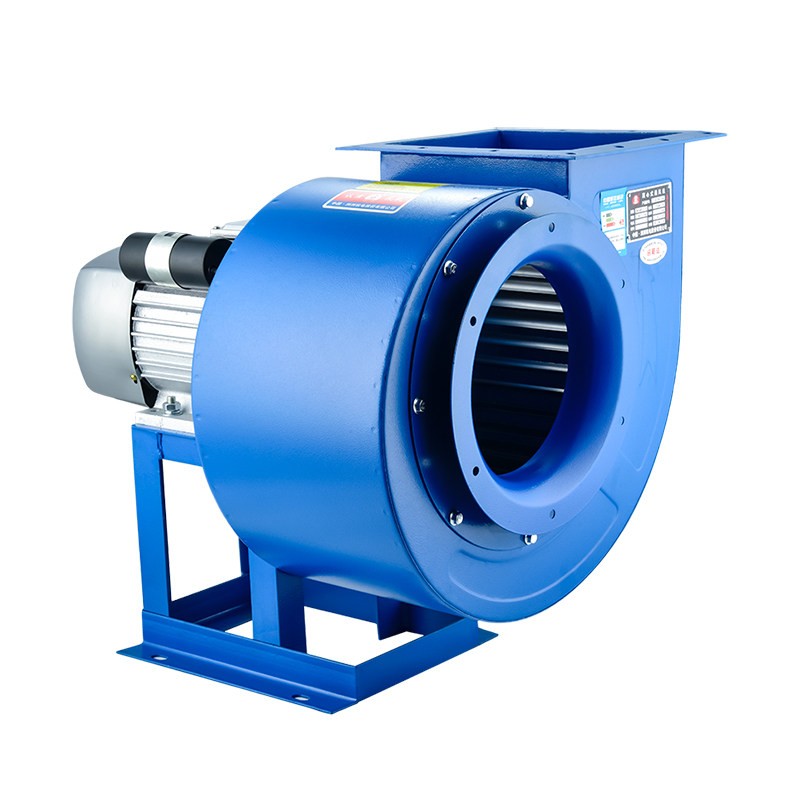
A solar power attic fan can help move air from a roof space in daylight. The right solar power attic fan depends on roof sun, attic size, air inlets, and the air path. A solar power attic fan needs a clear site check. Map the roof. Note shade, vents, ducts, and safe service access. A solar power attic fan is one part of a roof plan. It does not replace good insulation, air sealing, or HVAC work. Taizhou Zicheng Electromechanical Co., Ltd. makes axial and centrifugal fan products. The products shown here are industrial centrifugal choices. They are not confirmed solar power attic fan models. Send your roof plan, airflow aim, and duct details. We can discuss a suitable fan path before a quote.
Get A Quote

Ventilation Supplier Context

Documented supplier and range details for a project review.

Direct Factory Production

Taizhou Zicheng Electromechanical Co., Ltd. is a manufacturer, not a trading company. It has direct factory production capability for the fan products it offers. Buyers can use that direct route to discuss a solar power attic fan application. A solar power attic fan product fit can then be checked.

Broad Fan Product Range

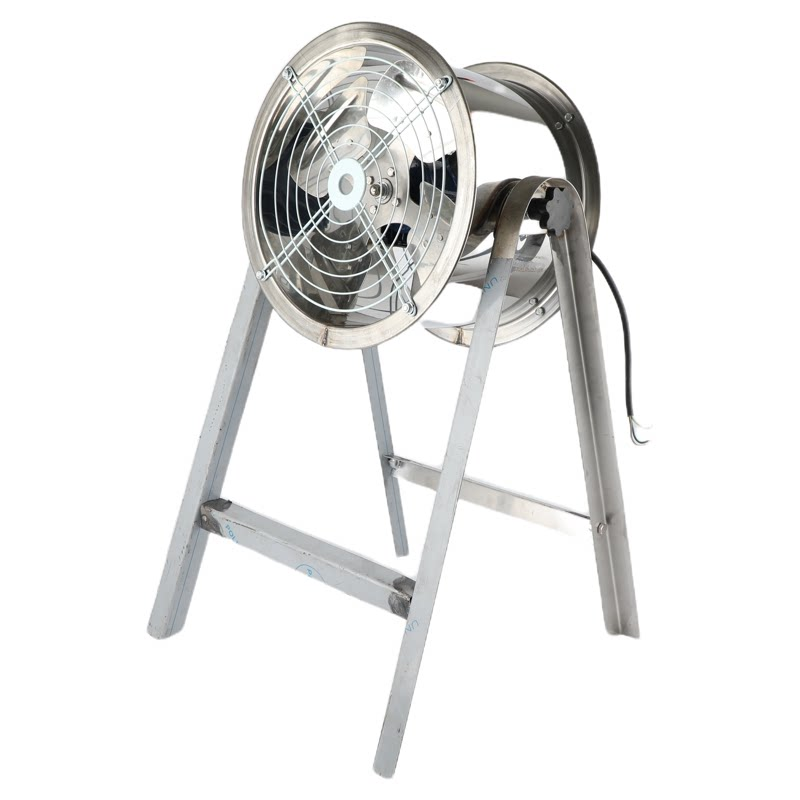
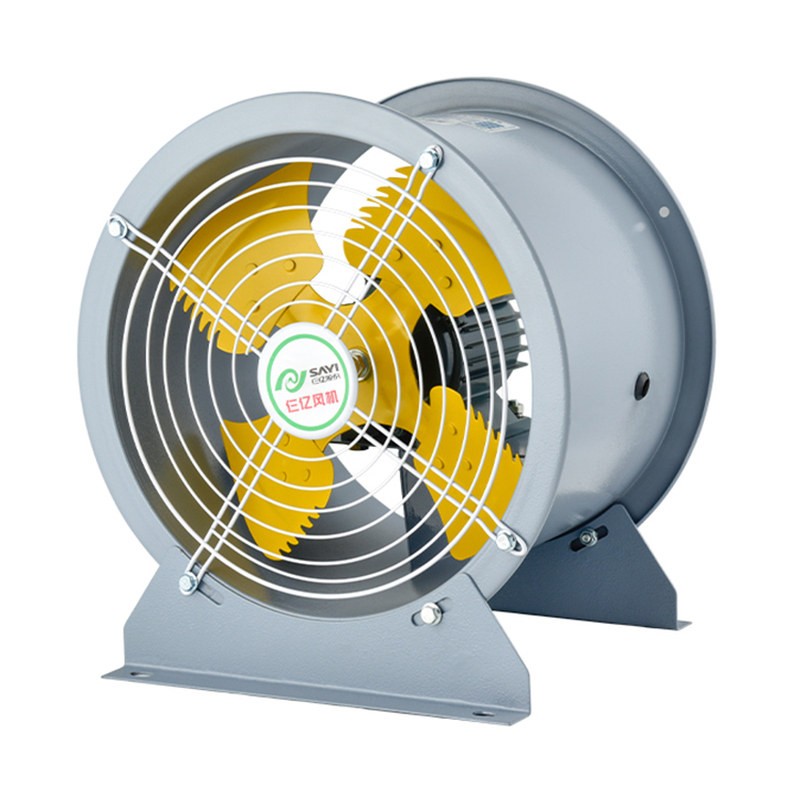
The documented range includes standard and handheld axial fans, CF-11 and 11-62 centrifugal fan types, and PCF Series smoke exhaust fans. This range can support a project with more than one fan type. It does not confirm a solar power attic fan model. Ask about a solar power attic fan before selection.

Related products

Match Pressure to Air Path

Match Pressure to Air Path

A solar power attic fan needs a clear air path. Ducts, bends, screens, and louvers add drag. Check the fan curve against the site need. Select a solar power attic fan for the site, not a peak number. A centrifugal fan can suit a ducted industrial job. That fact does not make it a solar power attic fan.

Set the Job for a Solar Power Attic Fan

A solar power attic fan moves air from a roof space when sun is available. A solar power attic fan is for a defined roof-space job. First, name the job. Is heat the main issue? Is damp air the main issue? Is the goal to improve air flow in a closed roof space? A solar power attic fan should have a clear job before a buyer picks a model.

Measure the attic. Note its shape and height. Mark any split spaces. Find each intake vent and each exhaust vent. A solar power attic fan needs make-up air. A solar power attic fan will not move the planned air if air cannot enter. Check the roof, not only the room below it.

Check Sun on the Roof

A solar power attic fan needs a roof area with useful sun. Look for tree shade. Look for shade from a wall, chimney, or near roof. Check sun in the warm part of the year. Check sun in the cool part too. A solar power attic fan needs sun at the panel. A solar power attic fan may run for less time when shade or clouds cut the panel input.

Do not assume that one roof face is the same as the next. Note the roof slope and the place for the panel. Plan safe access for a solar power attic fan. A solar power attic fan needs a safe roof opening. A worker must be able to fit, check, and clean the unit. The roof opening and flashing plan also need review.

Keep the Air Path Simple

A solar power attic fan works with the full air path. The path starts at the intake. It ends at the exhaust point. A short, open path has less drag. A long duct has more drag. Each bend, screen, damper, or louver can add more drag. A solar power attic fan must use that real path. This is why a solar power attic fan must be matched to the real site, not only to a top airflow figure.

  • List each vent that lets air into the attic.
  • Mark each duct, bend, screen, and damper in the air path.
  • Check that the solar power attic fan can be reached for service.
  • Keep roof work safe and follow local site rules.

For a ducted job, ask for the fan curve. Compare the needed flow and the system drag. A solar power attic fan for an open roof space may need a different approach from a fan for a ducted path. A solar power attic fan must fit its path. Do not use a peak airflow figure as the only selection rule.

Review the Catalog with Care

The listed products are industrial centrifugal fans. They are the closest available catalog choices for this page. They are not confirmed solar power attic fan products. A solar power attic fan needs its own fit review. The 4-72A records list up to 2,500 Pa. The selected 9-19 and 9-26 records list higher pressure use. These facts may help when a job has ducts and drag.

A solar power attic fan request also needs facts that these records do not confirm. A solar power attic fan needs solar supply, roof fit, panel mount, control parts, and day or night duty checks. Ask about the air moved, site heat, and the way the fan will be held in place. Do not treat an industrial centrifugal record as a solar power attic fan without a direct fit check.

Send a Clear Project Brief

A good brief helps a supplier check fit. Send attic size, a roof sketch, roof face, shade, vents, and duct path. State why a solar power attic fan is wanted. A solar power attic fan brief should state the target run time. Add photos if you can. Note the local power plan and any need for night use.

For a business site, also state what is in the air. Note dust, damp air, or corrosive air. Give peak heat at the fan inlet if known. Taizhou Zicheng Electromechanical Co., Ltd. can discuss airflow, static pressure, material, and voltage needs for fan work. State that you need a solar power attic fan. A solar power attic fan request needs that clear label. That lets the team confirm if a documented product fits or if another path is needed.

Solar Power Attic Fan FAQ

Questions to ask before a fan choice is reviewed.

How do I size a solar power attic fan?

Start with the attic size, roof shape, and existing vents. A solar power attic fan needs enough intake air as well as an exit path. Map screens, ducts, bends, and louvers. These parts add drag. Do not select a solar power attic fan from one peak airflow figure. Send a simple roof plan and the aim of the job. A supplier can then review the air path, the run time needed, and the type of fan that may fit the site.
A solar power attic fan may run only when its documented design has usable solar input. Night use depends on the actual product design and any documented power or storage setup. Do not assume a solar power attic fan includes a battery, a controller, or night duty. Tell the supplier when airflow is needed. Also note shade, roof face, and the season. These facts help show if the planned duty matches the solar input at the site.
Not by default. A centrifugal fan can help in a ducted job with more drag. Yet the listed industrial products are not confirmed solar power attic fan models. The fan must fit the air path, heat, air type, power plan, and mount plan. A solar power attic fan has its own roof and solar needs. Ask for a direct fit check before using an industrial centrifugal product in place of a roof fan.
Send attic size, roof face, photos, and a simple sketch. Mark each vent and each duct. State why you need a solar power attic fan. Add shade details and the run time you expect. If the site is a business or plant, state what is in the air. Note dust, damp air, and heat. This gives the supplier a sound base to review a solar power attic fan request without making guesses about the site.

Related article

How to eliminate fan blower vibration during ventilation duct installation work?

24

Oct

How to eliminate fan blower vibration during ventilation duct installation work?

Identifying Root Causes of Fan Blower VibrationMechanical Imbalance and Bearing Degradation in Fan BlowersMechanical imbalance—often caused by dirt, ice, moisture, or blade damage—alters mass distribution in the rotating assembly, generating a domina...
View More
6 inch extractor fan power and noise parameters need checking before ordering.

27

Oct

6 inch extractor fan power and noise parameters need checking before ordering.

Why Noise Performance Is Critical for 6 Inch Extractor Fan SelectionA quiet fan is not just a convenience—it determines whether users keep ventilation running. Because a 6 inch extractor fan often operates in bathrooms, kitchens, and laundry rooms, p...
View More
What certifications should a qualified centrifugal blower manufacturer provide?

28

Oct

What certifications should a qualified centrifugal blower manufacturer provide?

ISO 9001: The Foundational Quality Assurance for Every Centrifugal Blower Manufacturer How ISO 9001 Certification Ensures Consistent Design, Manufacturing, and After-Sales Support ISO 9001:2015 does not certify product performance—it validate...
View More
How to Choose a Reliable Centrifugal Fan Manufacturer in China (2026 Buyer's Guide)

14

Sep

How to Choose a Reliable Centrifugal Fan Manufacturer in China (2026 Buyer's Guide)

A practical 2026 buyer's guide to choosing a trustworthy centrifugal fan manufacturer: certifications, quality control, SS304 materials, OEM support, MOQ and delivery.
View More

Get a Free Quote

Our representative will contact you soon.
Email
Mobile/WhatsApp
Name
Company Name
Message
0/1000