Define the Roof Fan Job
Start a roof fan plan with the work the system must do. It may exhaust heat, remove stale air, move process air, or feed a duct line. State the air volume needed at the use point. Then mark the intake and discharge points. A roof fan location can affect the route, support work, weather cover, and service access. Put those facts in the project brief from the start.
A roof fan is not sized by a name alone. Ask if the planned airflow can meet the real load in the space. A free-air value does not prove that the roof fan will give the same flow after air moves through ducts and fittings. This is a basic check, but it can prevent a poor match.
Map the Air Path
The full air path sets the pressure loss for a roof fan. List the duct length, duct size, elbows, changes in size, dampers, filters, grilles, and outlet parts. Each part can add loss. A roof fan on a long route with turns may need a different pressure range than one on a short, straight route with the same airflow target.
- Draw the roof fan duct route and show its main sizes.
- List filters and parts that may gain resistance in use.
- State if the roof fan must pull air, push air, or serve both tasks.
- Use site data where possible, not only a basic drawing.
The product records show several pressure ranges. The two 4-72A products list a maximum static pressure of 2,500 Pa. The 9-19 and 9-26 products list a maximum static pressure of 9,200 Pa. These limits do not select a roof fan for a project. The right check is the fan curve at the needed airflow and pressure.
Check the Air and Site
Before a roof fan is chosen, check the air it will move. Record the peak air temperature at the inlet. Record dust, water, humidity, and any gas that may be corrosive, sticky, or unsafe for the stated product range. The catalog records for the listed roof fan options set limits that need to be checked against the actual job.
A roof fan layout also needs a site review. Discuss the roof opening, cover, drainage, support, vibration path, and safe access for service. These points can change the final layout. If a rule on materials, safety, or performance applies, use the right standard category for the site and market only after it is confirmed.
Choose by the Duty Point
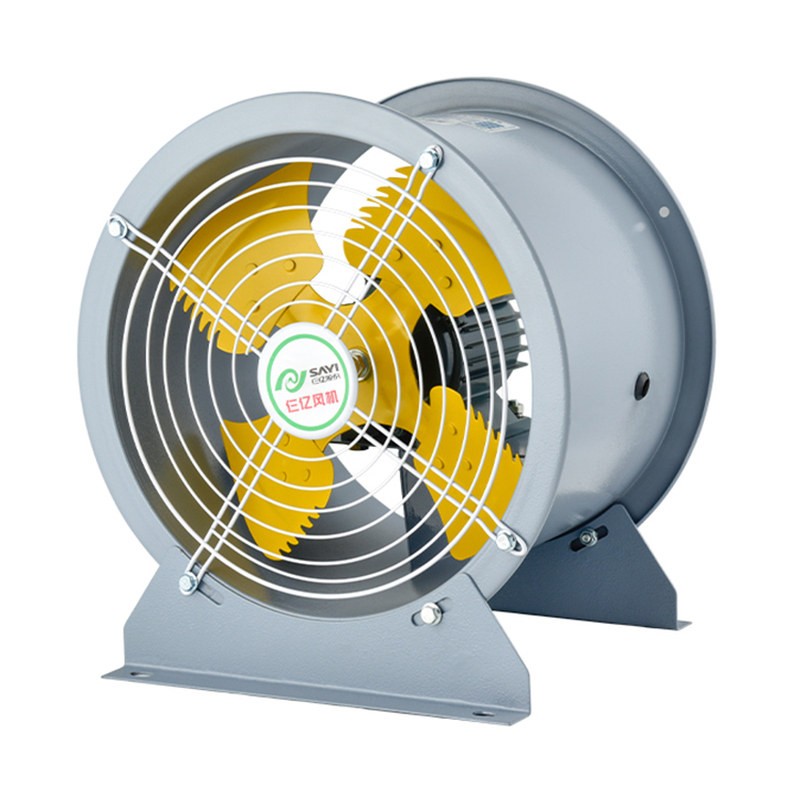
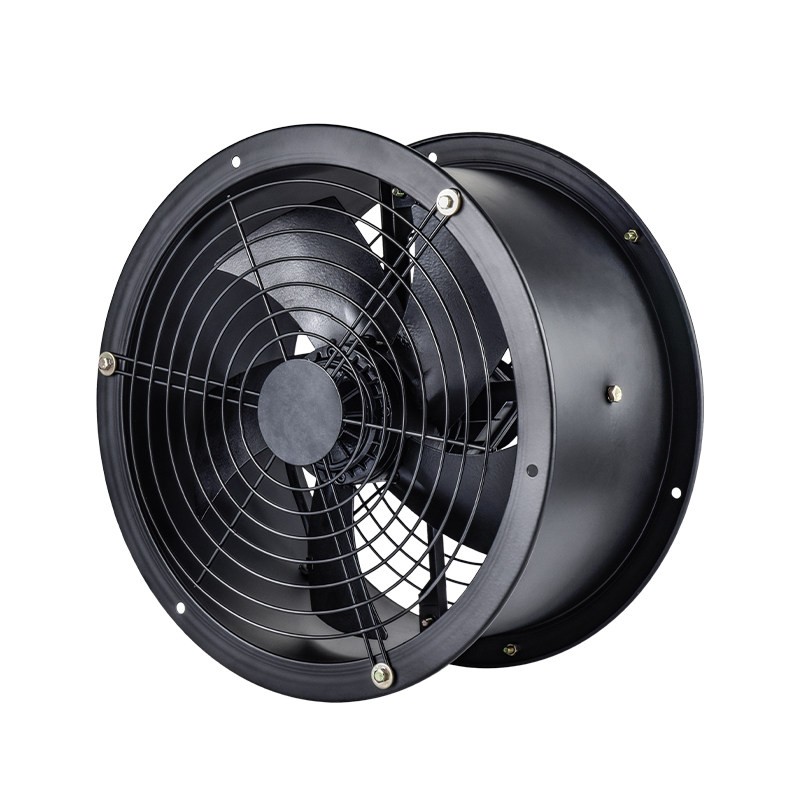
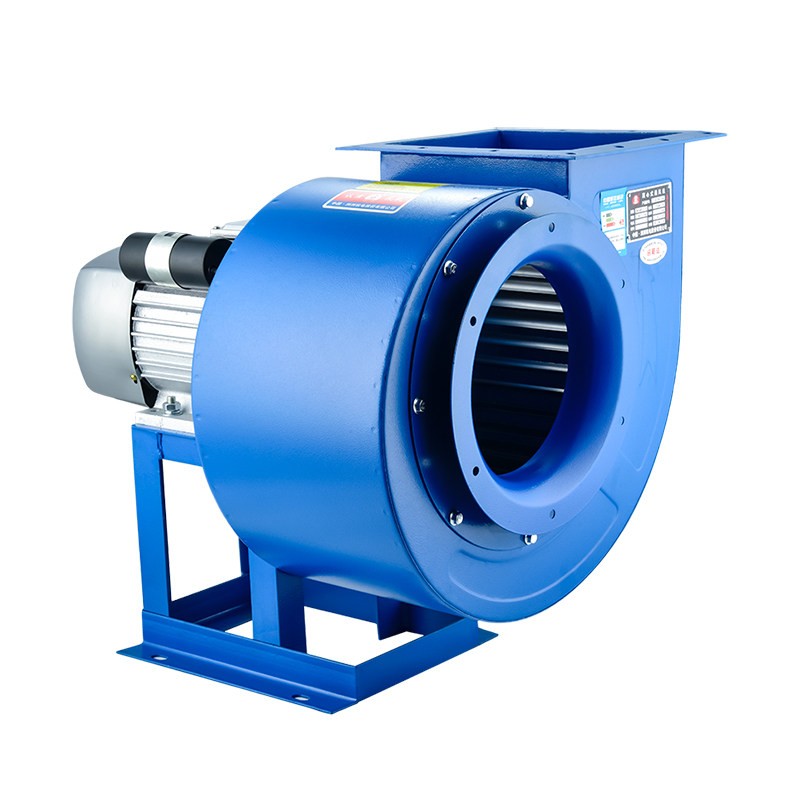
A roof fan idea does not always mean one fan form. Axial and centrifugal fans suit different air paths. A centrifugal roof fan option can be useful when ducts create high resistance. A lower-loss route may call for another choice. The products on this page are centrifugal products because they are the closest published options. That does not mean every roof fan job needs a centrifugal model.
| Project input |
Why it matters |
| Airflow needed |
It sets the volume the roof fan must move. |
| Static pressure |
It shows the loss caused by ducts and parts. |
| Air conditions |
It checks if the roof fan product range fits the air. |
| Power supply |
It checks motor and site power fit. |
| Site access |
It helps make roof fan service practical and safe. |
Send Useful Project Data
For a roof fan inquiry, send the airflow target, pressure estimate, duct drawing, air details, power supply, site location, and size limits. State if the roof fan is for a new job, a change, or a replacement. Good inputs let the discussion focus on the duty point. If the route is complex or the losses are not known, have project engineering check the final roof fan layout before it is installed.

 EN