Set the Wholehouse Fan Goal
Start with the job a wholehouse fan must do. It may move air through a building, help clear heat, or support general air change. A wholehouse fan need is not always the same from one site to the next. Write down the problem first. Then list the rooms or zones that need air movement. This keeps the choice tied to the site rather than a product name alone.
Map where air enters and where it leaves. A wholehouse fan needs a clear route. Closed doors, small openings, or poor outlet space can limit the result. Note walls, ceiling height, and room links. Do not use floor size as the only input. A wholehouse fan plan should also show who uses each zone and when.
Measure the Space and Air Path
Measure length, width, and usable height for each zone. Add the hours of use and the time of year. A wholehouse fan for a short daily run may need a different plan from one used for long periods. Note heat, moisture, dust, or process equipment. These details help show the real ventilation need.
- Record each separate room or zone that the wholehouse fan must serve.
- List doors, openings, and roof or wall exits that affect the air route.
- Note the place where fresh air enters the building.
- Check that discharged air will not return to an occupied opening.
Match the Fan Type to the Route
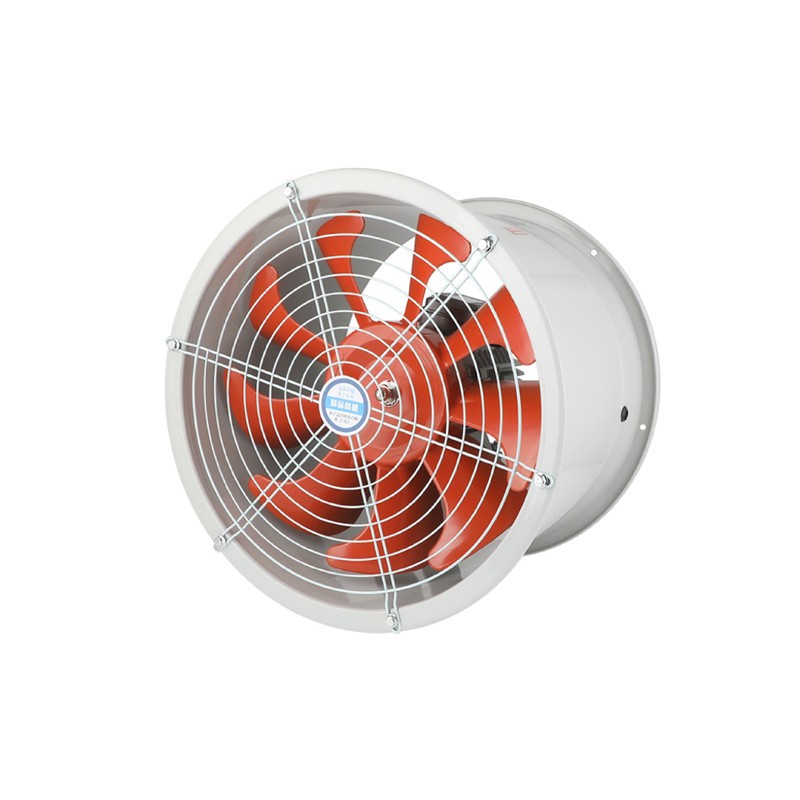
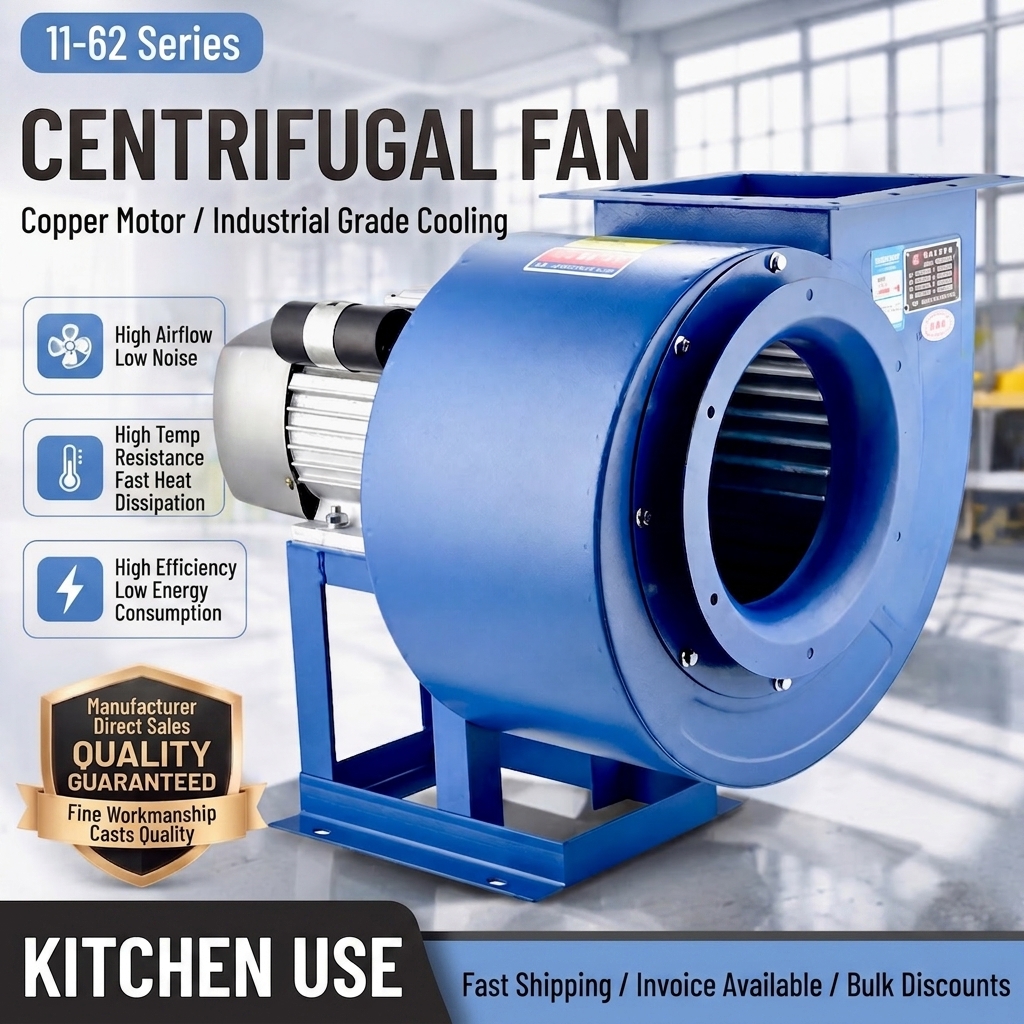
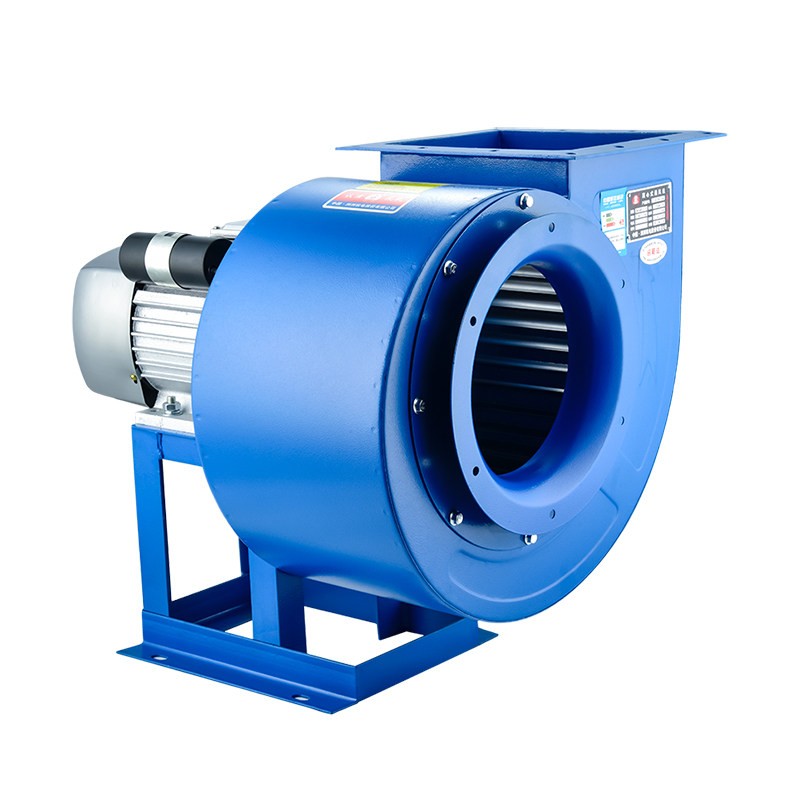
An axial fan may suit a direct and open air path. A centrifugal fan may be worth reviewing when the route has more resistance. The wholehouse fan choice depends on the site duty point. It does not depend only on a category label. ZICHENG has axial and centrifugal fan types. This gives buyers a way to discuss the required air path before they settle on a model.
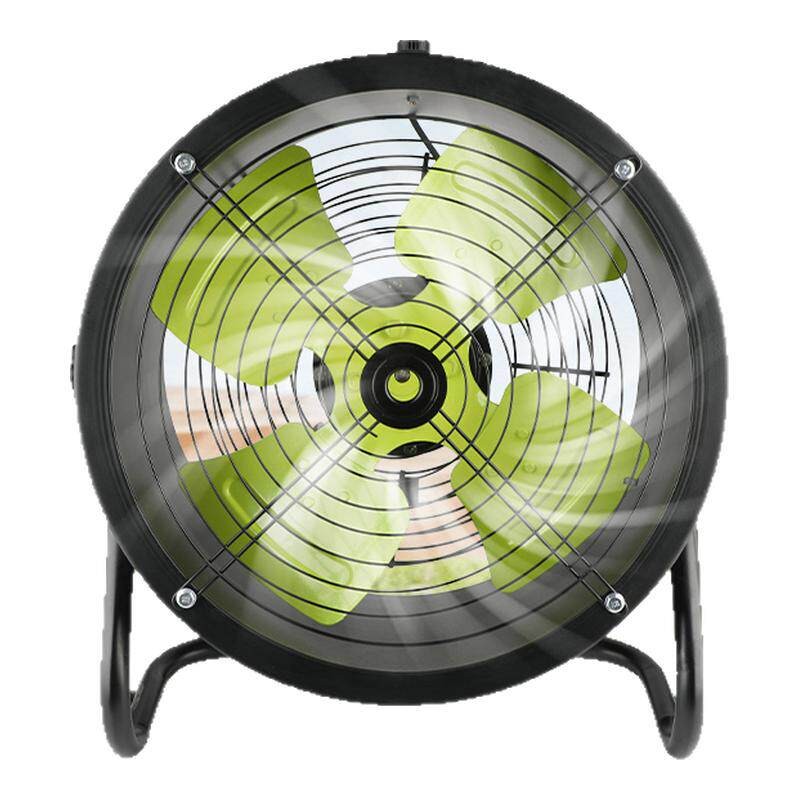
The three listed products are the closest published axial fan items. Their stated uses are drying rooms, tobacco curing, and portable confined-space work. They are not sold here as a home wholehouse fan kit. Use them as product references. Confirm the final fit after the site facts are known.
Check Ducts and Other Limits
Ducts, turns, dampers, grilles, louvers, and filters can slow the air. A wholehouse fan can deliver less air than its open-air rating when those parts are in the route. This is often a system match issue, not a product fault. Share duct size, length, turns, and added parts. That lets the selection discussion focus on the real air path.
For a direct route, an axial fan may be useful. For a more restricted route, a different pressure characteristic may be needed. Do not assume that a larger wholehouse fan will solve an air-path problem. The planned route should be checked first. A wholehouse fan layout should include all parts that narrow or turn the air route.
Review Site Conditions
Power supply, heat, moisture, dust, and mounting space all matter. The published stainless-steel axial fan is for drying-room conditions. Its stated airflow range is 2,100 to 39,000 m³/h. That fact may help with an industrial review. It is not a wholehouse fan sizing rule. The portable axial product is for mobile or short-term work. It should not be treated as a fixed wholehouse fan system.
- State the available voltage and the need for fixed or portable mounting.
- Describe the temperature, humidity, dust, fumes, and material exposure.
- Send duct size and route details if the wholehouse fan will use ducts.
- Show mounting, service, and replacement access in photos or a drawing.
Send Clear Project Details
A wholehouse fan inquiry is easier to review when it has simple site facts. Send the building size, ceiling height, use case, power supply, air path, and images or a sketch. Add any known airflow or pressure need. If those values are not known, explain the ventilation problem instead. ZICHENG states that it supports airflow and static-pressure sizing, model selection, and material and voltage discussion before an order. The final wholehouse fan recommendation should stay tied to the confirmed site conditions. A wholehouse fan request can also name the desired service and access needs.

 EN