Define the Air Movement Task
An air circulation fan should match the task in the space. In an open workshop, warehouse aisle, greenhouse bay, or drying room, an air circulation fan can move a large amount of air along a direct path. It can help reduce still areas. It can also spread heat more evenly. First, decide what the air circulation fan must do. It may push air across a room. It may draw air toward an outlet. It may support an existing supply or exhaust system.
Record the room length, width, height, and layout. Note heat sources and areas with poor air movement. Also note whether people, products, moisture, dust, or fumes are present. These facts help define the need for an air circulation fan. They also show when general air movement is not enough. An air circulation fan can support room airflow. It does not replace source extraction when a process needs direct capture.
Choose a Fan Type for the Site
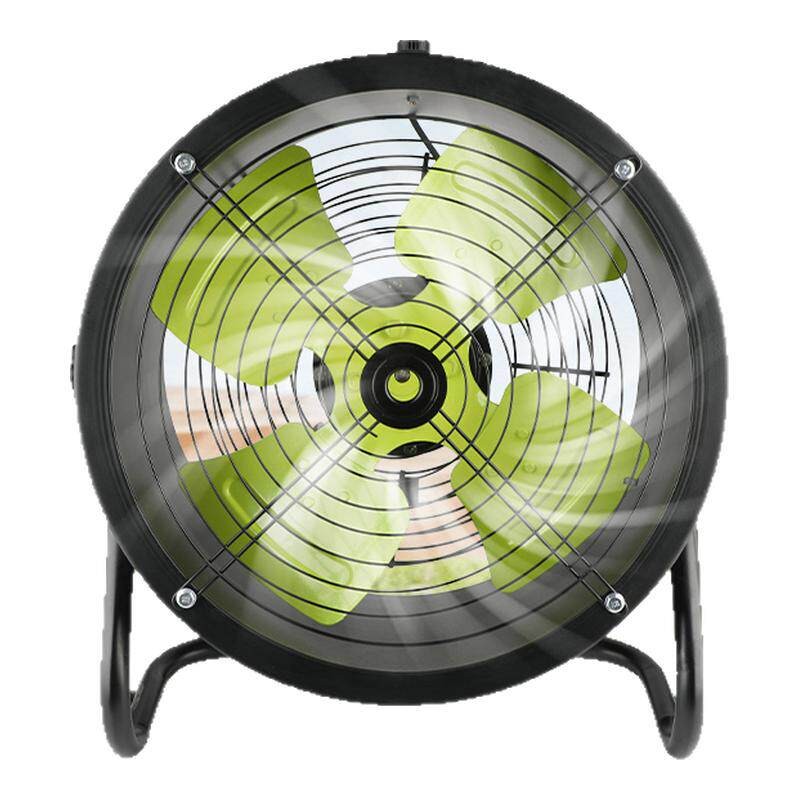
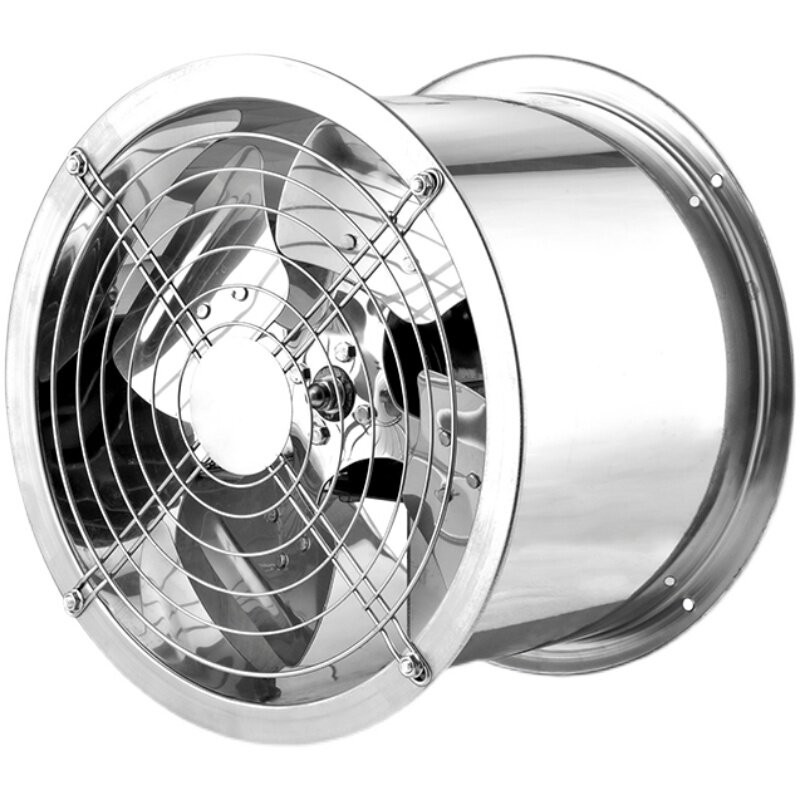
The products on this page are the closest published choices for an air circulation fan request. The 304 Stainless Steel Axial Fan 200°C for Drying Rooms is listed for drying use. Its product record lists 304 stainless-steel construction, 220V or 380V options, and airflow from 2,100 to 39,000 m³/h. The Aluminum Blade Axial Fan 39,000 m³/h for Tobacco Curing is a high-volume option. The Portable Axial Flow Fan 10,000 m³/h for Confined Spaces is for mobile use. It can connect with telescopic air ducts.
- Use a fixed air circulation fan when the mounting point stays the same and the air path is open.
- Consider a portable air circulation fan when airflow is needed at changing work locations.
- Check material, heat, humidity, and corrosion exposure before selecting an air circulation fan.
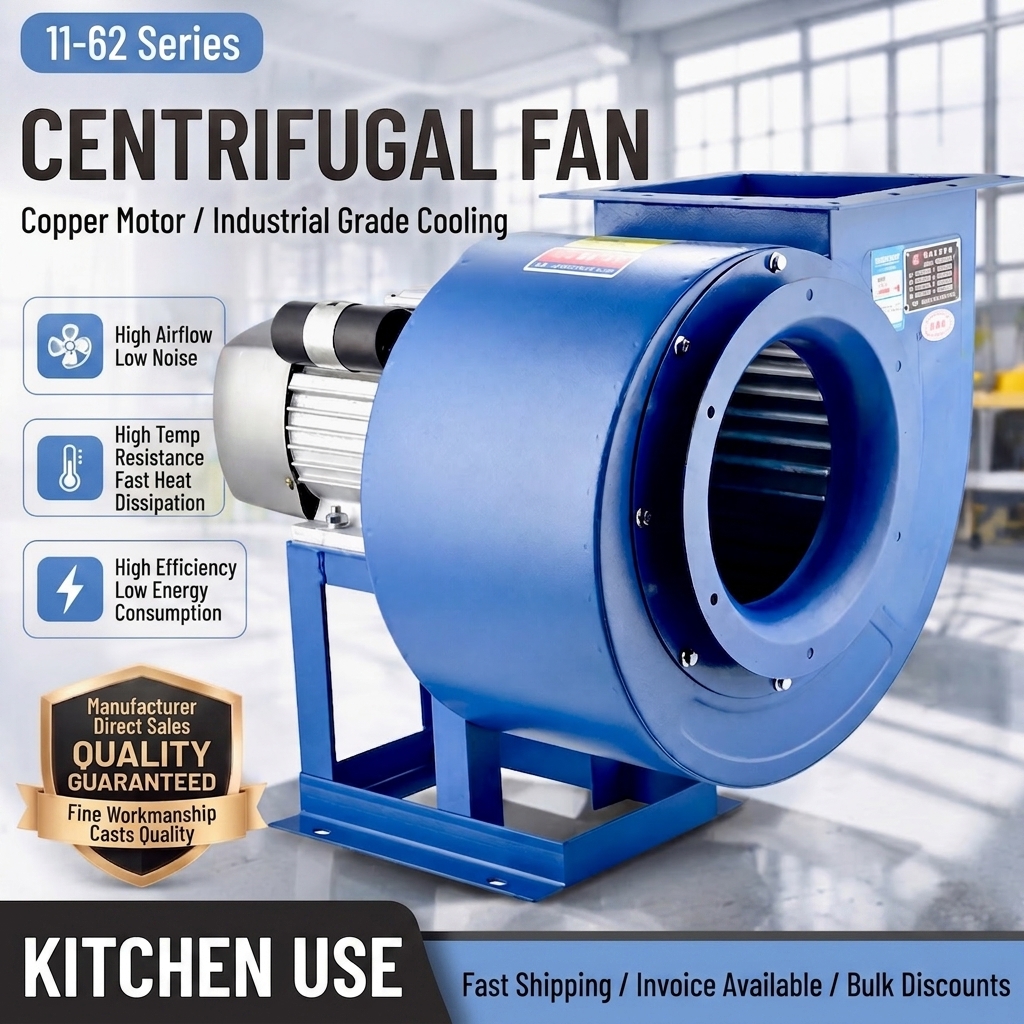
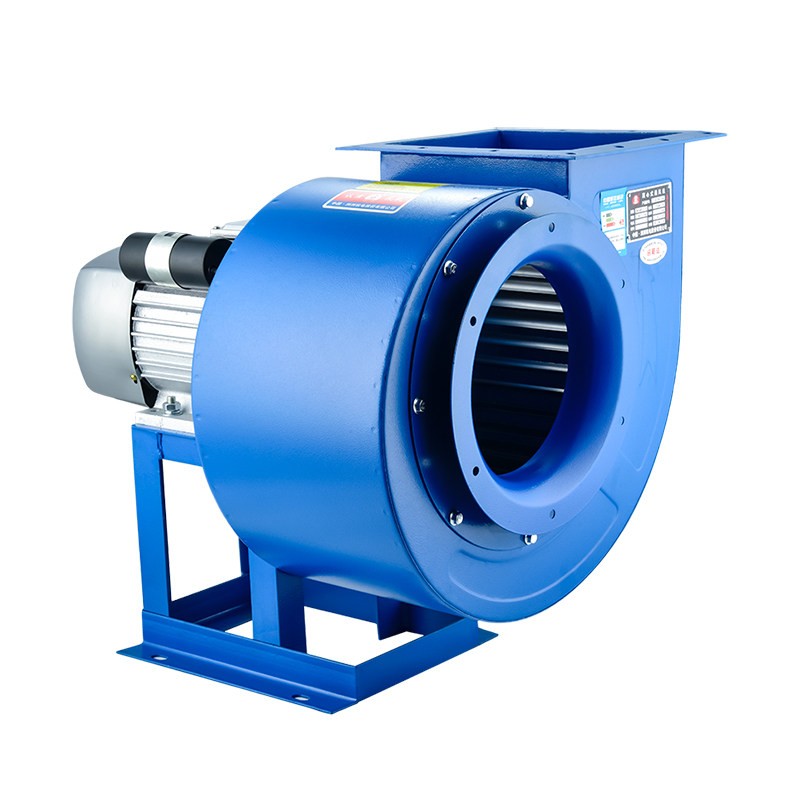
- Ask for a centrifugal comparison when ducts or filters add strong resistance.
Check the Real Air Path
The listed airflow of an air circulation fan is not always the airflow at the work area. Duct length, bends, guards, filters, louvres, dampers, and outlets all add resistance. An air circulation fan that looks suitable in an open-room estimate may not give enough air at the end of a long duct. State the required airflow, estimated static pressure, power supply, mounting space, and operating temperature.
Ask whether the air circulation fan will work in open air, direct exhaust, or ducted supply. For ducted work, list the duct diameter, length, bends, transitions, and filters. A supplier can compare the duty point with a fan curve. This is better than choosing an air circulation fan from free-air capacity alone. It is important when air must reach a distant work area.
Review the Working Environment
Heat, humidity, and corrosion affect air circulation fan selection. For a drying room, measure conditions at the mounting point. Do not measure only near the door. The stainless-steel axial fan on this page is listed for drying-room use up to 200°C. Its product record lists F-class or H-class motor insulation. These facts may help when heat or moisture is high. Final suitability still depends on the site and the installation design.
For temporary work, a portable air circulation fan can route air through compatible ducting. This use differs from permanent room circulation. In confined spaces, follow the site safety plan and confirm the ventilation method for the task. An air circulation fan alone is not a complete confined-space control measure. In areas with hazardous or corrosive materials, confirm equipment needs with the responsible engineering and safety teams.
Send Useful Selection Details
A good air circulation fan inquiry includes the application, space size, airflow target, duct details, temperature range, humidity, voltage, and mounting plan. State the noise concern if it matters. For a replacement, share the current model and the problem seen in use. Taizhou Zicheng Electromechanical Co., Ltd. makes axial, centrifugal, kitchen-exhaust, and vortex-blower products. Share the real air path and working conditions. The team can start the air circulation fan discussion with facts instead of one rating alone.

 EN