Turbo Ventilator Choices for Industrial Airflow

Get a Free Quote

Our representative will contact you soon.
Email
Mobile/WhatsApp
Name
Company Name
Message
0/1000
Turbo Ventilator Choices for Ducted Airflow

Turbo Ventilator Choices for Ducted Airflow

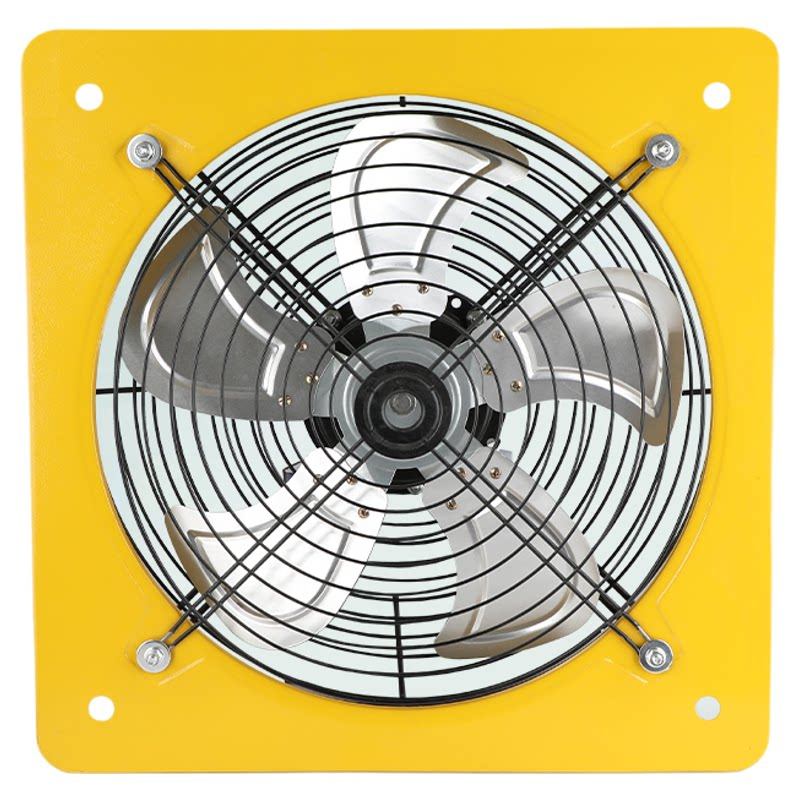
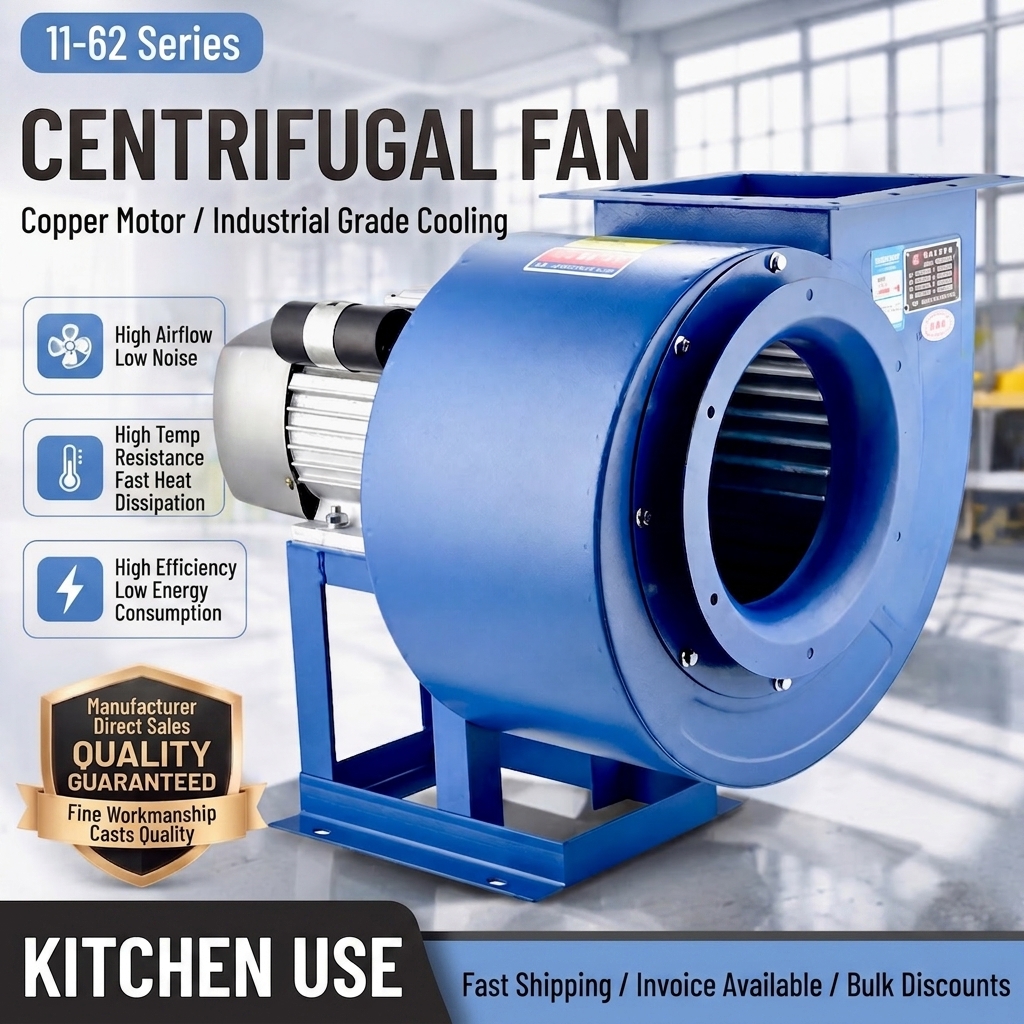
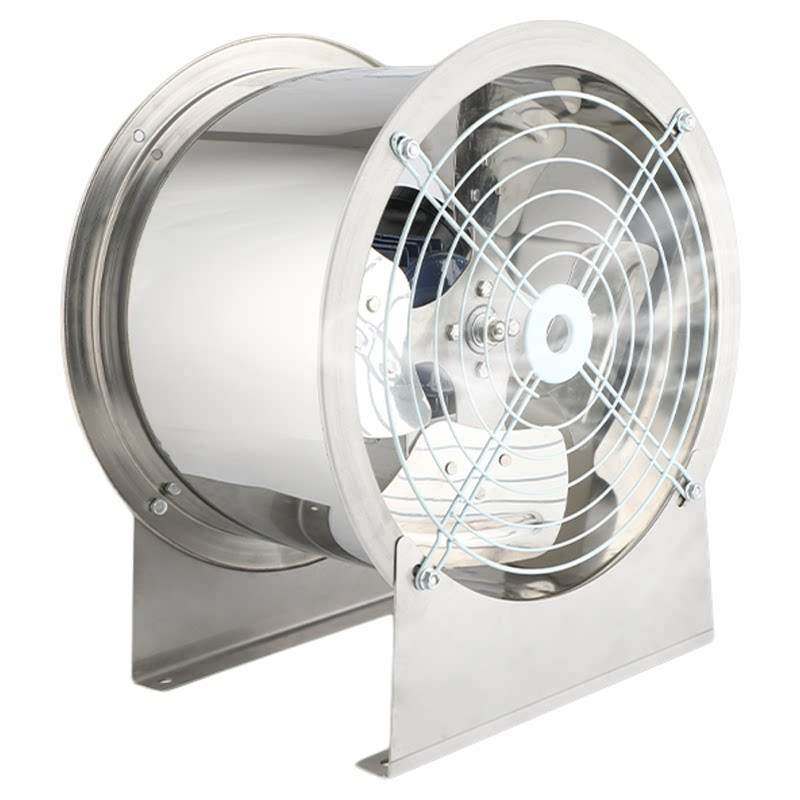
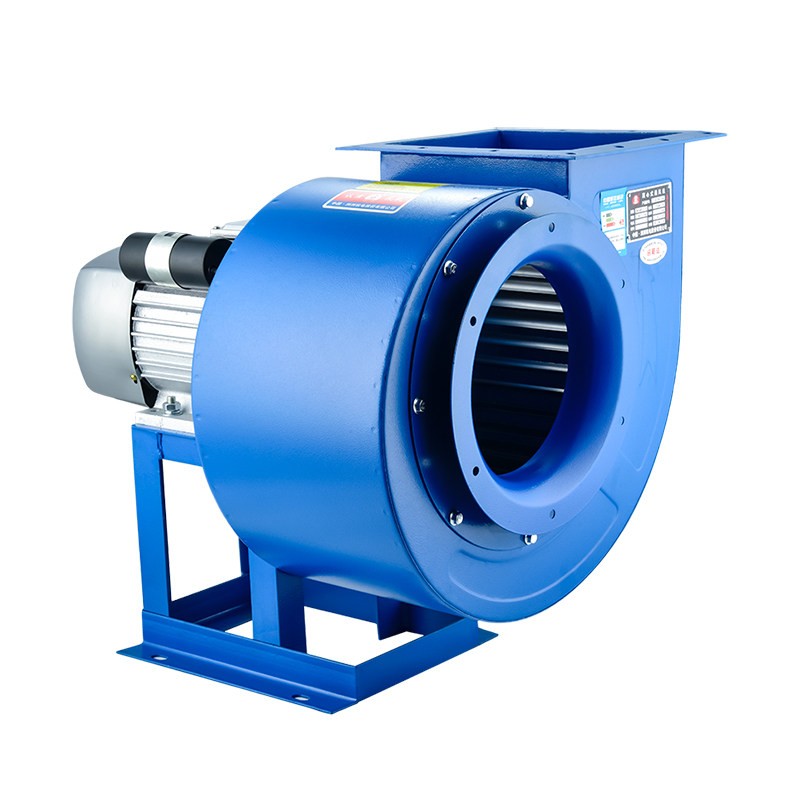
A turbo ventilator request can mean many things. It may be for a factory duct, a process line, or a work area. Start with the airflow and pressure that the system needs. Ducts, bends, filters, and hoods all add resistance. A turbo ventilator choice should match that resistance, not just a free-air flow figure. This page shows the closest published centrifugal products for a turbo ventilator inquiry. It does not say that each product is an exact turbo ventilator match. ZICHENG makes axial and centrifugal fans directly. Share your airflow, static pressure, inlet air condition, voltage, and duct layout. A turbo ventilator review can then compare the duty point with an available centrifugal option. We can discuss a turbo ventilator configuration and provide a quotation.
Get A Quote

Manufacturer Context for Fan Projects

Supplier facts for a turbo ventilator project review and turbo ventilator product discussion.

Direct Factory Production

Taizhou Zicheng Electromechanical Co., Ltd. is a manufacturer, not a trading company. Direct factory production gives buyers a clear source for the fan products offered and supports quality control at the production source.

Multi-Type Fan Portfolio

The product range covers axial fans, centrifugal fans such as CF-11 and 11-62, and PCF-series smoke exhaust fans. This helps a turbo ventilator buyer compare more than one fan type in one supplier discussion.

Related products

Match Pressure to Duct Resistance

Match Pressure to Duct Resistance

For a turbo ventilator system, airflow alone is not enough. Long ducts, bends, filters, and equipment raise system resistance. The listed 4-72A products state up to 2,500 Pa. The selected 9-19 and 9-26 records state up to 9,200 Pa. Compare the turbo ventilator duty point with the fan curve and the installed system before choosing a model.

Define the Turbo Ventilator Duty Point

A turbo ventilator search term does not define a full fan duty. It tells a supplier that the buyer needs air movement. The key facts are airflow and static pressure. Airflow is the air volume that must reach the work area. Static pressure is the force needed to move that air through the system. A turbo ventilator can be a poor fit if the pressure need is not known.

Ask where the turbo ventilator will sit. Is it at the end of a long duct? Does it serve a hood, filter, dryer, or process machine? Is it used for supply air or exhaust? These simple questions help define the job. They also help show whether a centrifugal fan is a close option for the turbo ventilator request.

Account for the Duct System

Every duct item adds resistance. Long straight runs add some resistance. Bends, small ducts, dampers, filters, and abrupt changes add more. A turbo ventilator that works well in open air can move less air after it is linked to a real duct system. That is why free-air flow is not enough for a turbo ventilator selection.

  • Give the duct size, length, and number of bends.
  • List filters, hoods, branches, dampers, and process equipment.
  • State if the system will change after the fan is installed.
  • Share a simple duct sketch when it is available.

Use these facts to estimate system pressure at the required airflow. Then compare that duty point with the curve for the selected turbo ventilator alternative. This turbo ventilator review should use the normal point of use, not only a peak figure in a catalog.

Compare the Published Pressure Ranges

The 4-72A products selected here state a maximum static pressure of 2,500 Pa. One uses carbon steel. One uses 304 stainless steel. The selected 9-19 and 9-26 records state maximum pressure up to 9,200 Pa. These ranges help frame a turbo ventilator discussion. They do not replace a curve review.

More pressure is not always better. A higher-pressure turbo ventilator option may not be right for a short, low-resistance duct. It can add cost or move the duty away from the best point on the curve. Select the turbo ventilator product after both pressure and airflow are known.

Check the Air and Site Conditions

Describe the air stream before choosing a turbo ventilator model. The published 4-72A records give limits for gas temperature and dust or hard particles. They also set boundaries for the medium. The stainless 4-72A record uses a 304 stainless-steel housing. The carbon-steel record is for air and gases that are non-self-igniting and non-corrosive to steel.

The 9-19 and 9-26 records also define medium, temperature, and particulate limits. Check the actual inlet condition against the relevant record. Do not assume that a turbo ventilator for general air exchange also fits a hot, wet, corrosive, or dust-heavy process. Raise any such condition during the technical review.

Prepare a Useful Request

A useful turbo ventilator inquiry states target airflow, static pressure, voltage, air condition, inlet temperature, and installation location. Add desired material, duct connection size, and available mounting space. For a replacement, add the old fan model and the current problem. ZICHENG can use these details to discuss the closest available turbo ventilator configuration. This turbo ventilator request gives the engineering and purchasing teams the same starting point. If no listed item is an exact match, the gap can be identified before a purchasing decision is made.

Turbo Ventilator Buying Questions

Simple questions for a turbo ventilator duty-point review.

What data is needed for fan selection?

For a turbo ventilator review, provide airflow, static pressure, duct layout, inlet temperature, air condition, particulate condition, voltage, and installation location. Duct size, run length, bends, filters, hoods, and connected equipment are also useful. They change system resistance. If you are replacing an old unit, share its model and the problem seen on site. This data gives the supplier a sound basis to compare the turbo ventilator duty point with available fan curves and stated product limits.
A centrifugal fan is often considered for a turbo ventilator duty when a ducted system has resistance from long runs, bends, filters, transitions, or equipment. The listed 4-72A products state up to 2,500 Pa. The selected 9-19 and 9-26 records state up to 9,200 Pa. The right turbo ventilator choice still depends on airflow and pressure together. It also depends on the medium, temperature, and power supply. Check the curve and stated limits before selection.
Duct bends, narrow sections, filters, transitions, and leaks all raise resistance. As resistance rises, a turbo ventilator may deliver less air than its free-air figure suggests. Select the fan using airflow at the calculated or measured system pressure. Do not use free-air flow alone. Share the duct route and its main parts during the turbo ventilator discussion. If the layout may change, explain that early so the system review can include a suitable operating margin.
No. Each turbo ventilator alternative has stated limits. The 4-72A product records define gas temperature and dust or hard-particle limits. They also distinguish material use for different environments. The high-pressure records set their own medium limits. Confirm the actual air stream, including moisture, corrosive exposure, temperature, and particulate, against the correct product record. A turbo ventilator application outside those limits needs separate technical review. It should not be treated as a standard listed configuration.

Related article

How to eliminate fan blower vibration during ventilation duct installation work?

24

Oct

How to eliminate fan blower vibration during ventilation duct installation work?

Identifying Root Causes of Fan Blower VibrationMechanical Imbalance and Bearing Degradation in Fan BlowersMechanical imbalance—often caused by dirt, ice, moisture, or blade damage—alters mass distribution in the rotating assembly, generating a domina...
View More
What certifications should a qualified centrifugal blower manufacturer provide?

28

Oct

What certifications should a qualified centrifugal blower manufacturer provide?

ISO 9001: The Foundational Quality Assurance for Every Centrifugal Blower Manufacturer How ISO 9001 Certification Ensures Consistent Design, Manufacturing, and After-Sales Support ISO 9001:2015 does not certify product performance—it validate...
View More
How to Choose a Reliable Centrifugal Fan Manufacturer in China (2026 Buyer's Guide)

14

Sep

How to Choose a Reliable Centrifugal Fan Manufacturer in China (2026 Buyer's Guide)

A practical 2026 buyer's guide to choosing a trustworthy centrifugal fan manufacturer: certifications, quality control, SS304 materials, OEM support, MOQ and delivery.
View More
Industrial Ventilation Fan Selection Guide: Axial vs Centrifugal vs Mixed Flow

14

Sep

Industrial Ventilation Fan Selection Guide: Axial vs Centrifugal vs Mixed Flow

Compare axial, centrifugal and mixed flow industrial ventilation fans by pressure, airflow and noise, and learn how to buy direct from a factory.
View More

Get a Free Quote

Our representative will contact you soon.
Email
Mobile/WhatsApp
Name
Company Name
Message
0/1000