Industrial Ventilation Fan Selection Guide

Get a Free Quote

Our representative will contact you soon.
Email
Mobile/WhatsApp
Name
Company Name
Message
0/1000
Industrial Ventilation Fan Choices for Ducted Work

Industrial Ventilation Fan Choices for Ducted Work

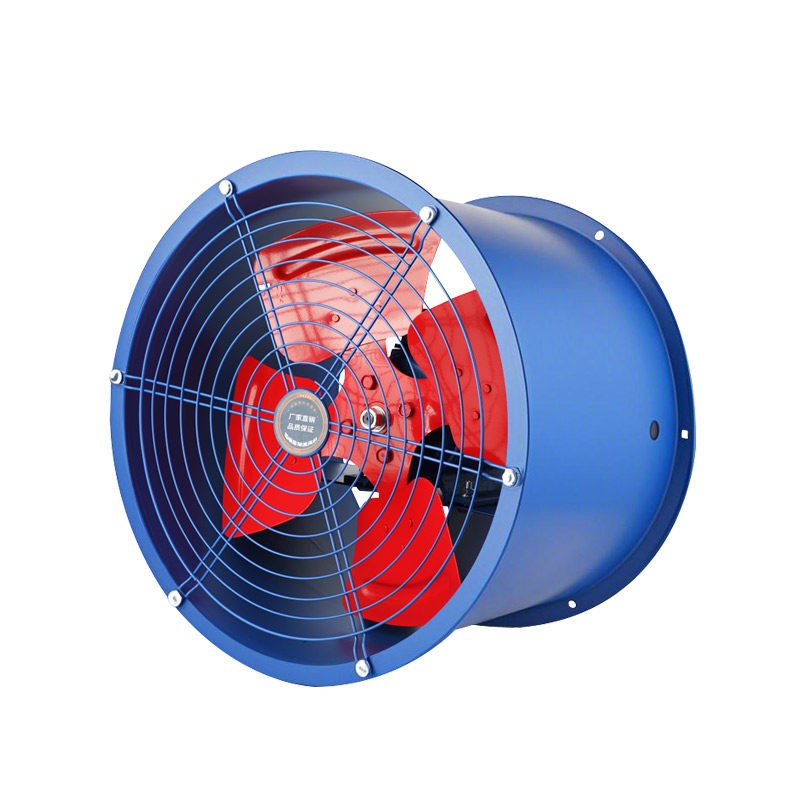
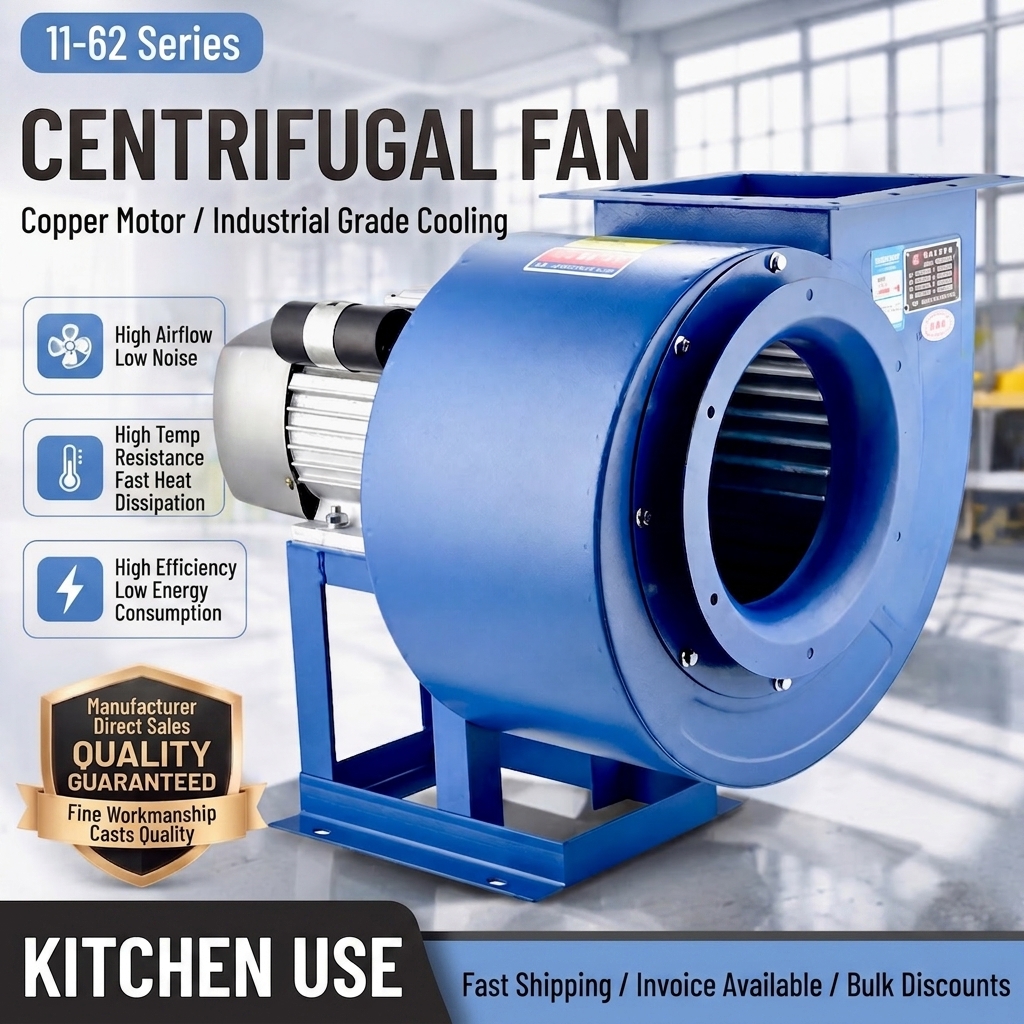
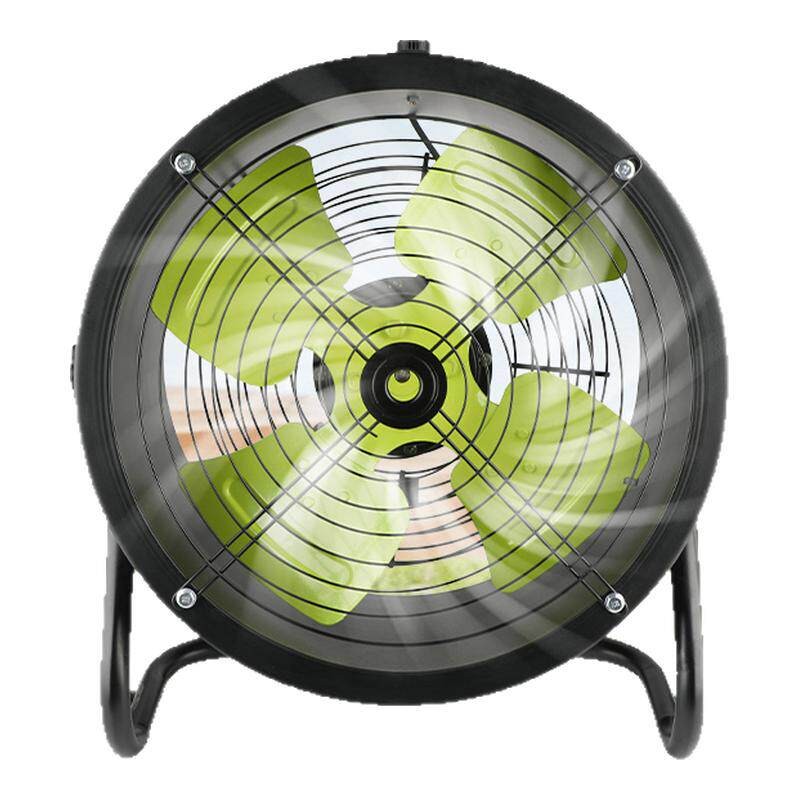
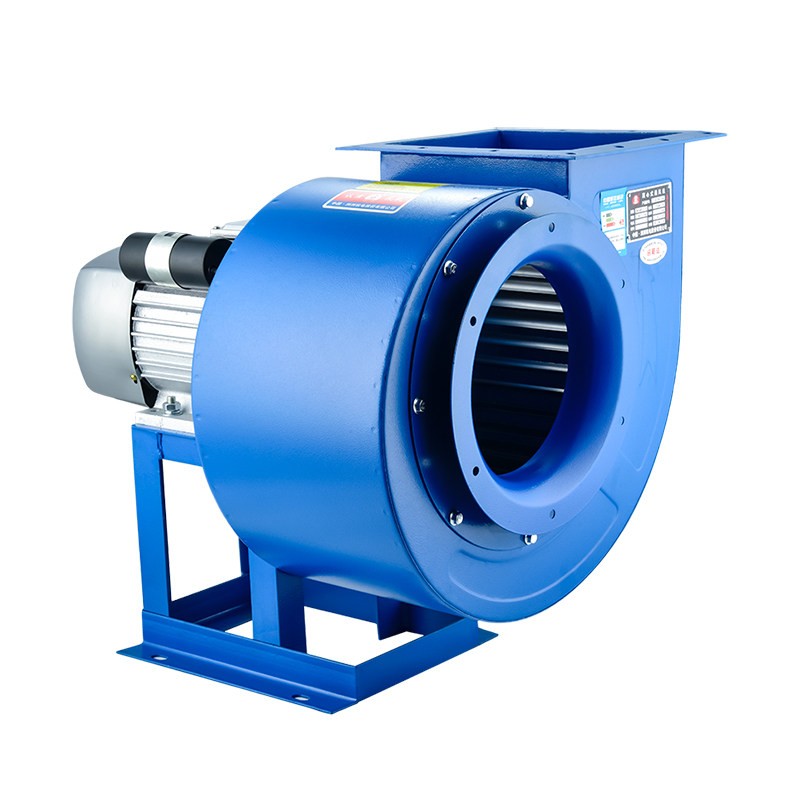
An industrial ventilation fan moves air in a plant, workshop, large building, or process area. An industrial ventilation fan must fit the full air path. The path may include ducts, bends, filters, hoods, and outlets. Each part adds resistance. This page shows centrifugal options for an industrial ventilation fan system. The listed 4-72A models suit general air exchange within their stated limits. The 9-19 and 9-26 models offer higher pressure ratings for demanding duct paths. Taizhou Zicheng Electromechanical Co., Ltd. makes axial fans, centrifugal fans, kitchen exhaust fans, and aeration blowers. Send your airflow, pressure, air condition, temperature, voltage, and duct layout. We can discuss an industrial ventilation fan option and provide a quote.
Get A Quote

Manufacturer Context for Project Buyers

Useful supplier context for industrial fan projects.

Direct Factory Production

Taizhou Zicheng Electromechanical Co., Ltd. is listed as a manufacturer, not a trading company. Buyers can discuss the industrial ventilation fan source and the proposed product setup with the factory.

Multi-Type Fan Portfolio

The documented range includes axial fans, centrifugal fans, kitchen exhaust fans, and aeration blowers. This helps a project team compare an industrial ventilation fan type for each area.

Related products

Match Pressure to the Air Path

Match Pressure to the Air Path

An industrial ventilation fan works with the duct system, not alone. A ducted industrial ventilation fan faces loss from long ducts, bends, filters, and outlets. The selected 4-72A products are listed up to 2,500 Pa. The 9-19 and 9-26 products are listed up to 9,200 Pa. Check the required airflow and pressure together before selecting an industrial ventilation fan.

Define the Airflow Need

Start an industrial ventilation fan project with the air volume needed at the work area. State what the industrial ventilation fan must do. It may remove warm air, bring in fresh air, move process air, or support a ducted exhaust system. Give the size of the space and the number of zones. State the hours of use. These simple facts help define the first industrial ventilation fan choice.

Do not select an industrial ventilation fan from a free-air airflow value alone. Airflow at the end of a real duct can change. A hood, grille, bend, damper, filter, or long duct adds resistance. List each part in the path. For a replacement job, list parts added after the old fan was installed. This gives the supplier a clearer picture of the industrial ventilation fan duty.

Check Pressure in the Duct System

Pressure is a key part of an industrial ventilation fan selection. A short and open path may need less pressure. A long path with many bends or filters may need more pressure. The selected product records list 4-72A centrifugal fan options up to 2,500 Pa. They also list 9-19 and 9-26 high-pressure options up to 9,200 Pa. These figures are product limits. They are not a final industrial ventilation fan system design.

Ask for a review of airflow and static pressure as a pair. This helps place the industrial ventilation fan at a suitable operating point. It also helps avoid a choice based on one large number. A high-pressure industrial ventilation fan is not always the right fan. The duct layout, air volume, power, and use case all matter.

Choose a Product for the Conditions

The four products on this page are centrifugal fan options. A centrifugal industrial ventilation fan can be useful when a duct path has meaningful resistance. The 4-72A models are listed for indoor ventilation and air exchange in industrial and mining sites, large buildings, hotels, and restaurants. The 9-19 and 9-26 products are listed for high-pressure ventilation and conveying uses.

Check the product record before you choose an industrial ventilation fan. The selected records state limits for the gas stream. For specified models, the maximum gas temperature is 80°C. The maximum dust or hard-particle content is 150 mg/m³. The records also describe non-self-igniting and non-corrosive gases for given models. Match your real air condition to the stated limit. Do not assume that one industrial ventilation fan fits every gas, dust, or heat condition.

Review Power and Installation Details

Power supply and installation shape can change the industrial ventilation fan options. The selected 4-72A products list several motor power choices and A, B, C, and D structures. The selected 9-19 and 9-26 products list 0.75 kW to 30 kW choices and 380 V motor setups. Confirm voltage before you choose an industrial ventilation fan. Also confirm the inlet, outlet, mounting point, and space for service.

  • State the needed airflow for each industrial ventilation fan zone.
  • State the estimated static pressure for each industrial ventilation fan duct path.
  • Show duct size, length, bends, filters, hoods, and outlets.
  • State the air temperature and dust condition at the industrial ventilation fan inlet.
  • State the voltage, mounting plan, and operating hours.

Send Clear Project Data

A clear request makes industrial ventilation fan selection easier. Include a duct sketch if possible. Note the use of the industrial ventilation fan as supply, exhaust, suction, or blowing. State whether the job is new work or a replacement. If the site has more than one zone, send details for each zone. One zone may need general air exchange. Another may need a high-pressure industrial ventilation fan because the duct route has more resistance.

Taizhou Zicheng Electromechanical Co., Ltd. states that it handles design, development, and production in house. Its site also says its team supports airflow and static-pressure sizing, model selection, and material and voltage advice. The aim is to compare the listed industrial ventilation fan products with your stated duty. This supports a practical industrial ventilation fan discussion before an order is placed.

Industrial Ventilation Fan FAQ

Common questions for industrial fan selection.

What data selects an industrial fan?

Give the needed airflow, estimated static pressure, and a clear duct layout. List duct size, length, bends, hoods, filters, dampers, and outlets. Also state the air condition, inlet temperature, dust level, voltage, and hours of use. This information helps compare an industrial ventilation fan with the real system. It is more useful than choosing from a maximum airflow figure alone. A simple duct sketch can also show where resistance may occur.
A centrifugal industrial ventilation fan is often reviewed for a ducted system with resistance from long runs, bends, filters, or transitions. The selected 4-72A products are listed up to 2,500 Pa. The selected 9-19 and 9-26 products are listed up to 9,200 Pa. The right industrial ventilation fan option depends on both airflow and system pressure. A higher pressure rating does not, by itself, prove that a fan fits the project.
Check the actual condition at the inlet of the industrial ventilation fan during use. The selected product records state an 80°C maximum gas temperature and a 150 mg/m³ maximum dust or hard-particle content for specified models. Confirm peak conditions, not only normal conditions. Give details for corrosive, combustible, self-igniting, viscous, or unknown material before choosing a general industrial ventilation fan product. This allows a technical review of the listed operating boundaries.
State the application, airflow, static pressure, air condition, inlet temperature, dust level, voltage, layout, and quantity. Add a duct sketch and dimensions when available. For a replacement, state what is not working with the present setup. These details give a supplier a clear basis to discuss an industrial ventilation fan configuration. They also help confirm industrial ventilation fan installation direction, service space, and the product options that are worth reviewing.

Related article

How to eliminate fan blower vibration during ventilation duct installation work?

24

Oct

How to eliminate fan blower vibration during ventilation duct installation work?

Identifying Root Causes of Fan Blower VibrationMechanical Imbalance and Bearing Degradation in Fan BlowersMechanical imbalance—often caused by dirt, ice, moisture, or blade damage—alters mass distribution in the rotating assembly, generating a domina...
View More
What certifications should a qualified centrifugal blower manufacturer provide?

28

Oct

What certifications should a qualified centrifugal blower manufacturer provide?

ISO 9001: The Foundational Quality Assurance for Every Centrifugal Blower Manufacturer How ISO 9001 Certification Ensures Consistent Design, Manufacturing, and After-Sales Support ISO 9001:2015 does not certify product performance—it validate...
View More
How to Choose a Reliable Centrifugal Fan Manufacturer in China (2026 Buyer's Guide)

14

Sep

How to Choose a Reliable Centrifugal Fan Manufacturer in China (2026 Buyer's Guide)

A practical 2026 buyer's guide to choosing a trustworthy centrifugal fan manufacturer: certifications, quality control, SS304 materials, OEM support, MOQ and delivery.
View More
Industrial Ventilation Fan Selection Guide: Axial vs Centrifugal vs Mixed Flow

14

Sep

Industrial Ventilation Fan Selection Guide: Axial vs Centrifugal vs Mixed Flow

Compare axial, centrifugal and mixed flow industrial ventilation fans by pressure, airflow and noise, and learn how to buy direct from a factory.
View More

Get a Free Quote

Our representative will contact you soon.
Email
Mobile/WhatsApp
Name
Company Name
Message
0/1000