Start With the Room and Route
An inline bathroom extractor fan sits in a duct route. It can draw moist air from the room and send it to an outlet. First, list the room size and how the room is used. Note if it has a shower, bath, or other wet use. Then draw the duct route. Mark the fan point, the grille, each bend, and the outlet.
An inline bathroom extractor fan is not chosen by duct size alone. A short, straight route has one need. A long route with several bends has another. The visible grille is only one part of the system. The fan, duct, fittings, and outlet work as one system.
Look at Duct Resistance
Every duct route slows air to some degree. A bend slows it. A damper slows it. A small grille or dirty outlet can slow it too. This is called system resistance. The more resistance a route has, the more the fan needs pressure capability at the needed airflow.
When you plan an inline bathroom extractor fan, measure the duct diameter and the straight length. Count the bends. Note any change in duct size. Check if the duct is rigid or flexible. Flexible duct may add more resistance if it sags or is squeezed. Keep the route as short and smooth as the site allows.
- List each elbow, damper, grille, and outlet before you ask for a selection.
- Use the same duct size where the design allows it.
- Check that the outlet is open and clear of debris.
- Ask for a curve review when the route is long or has many fittings.
An inline bathroom extractor fan may seem weak after it is installed. The cause is often the route, not one bad part. A high free-air number does not prove high airflow at the end of a hard duct route. Compare the planned route with the actual route before you change the fan.
Choose the Right Fan Category
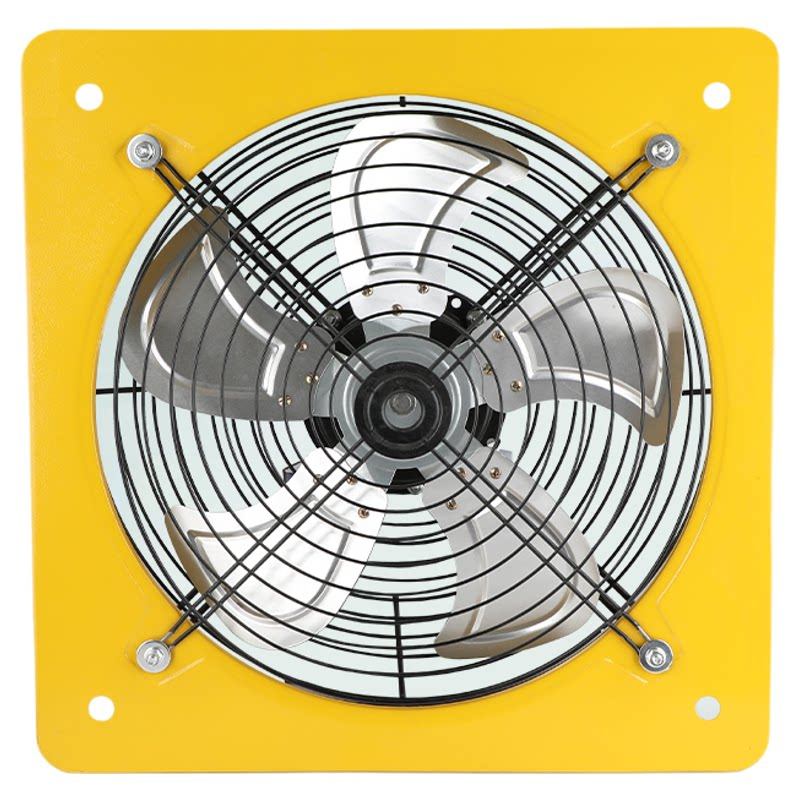
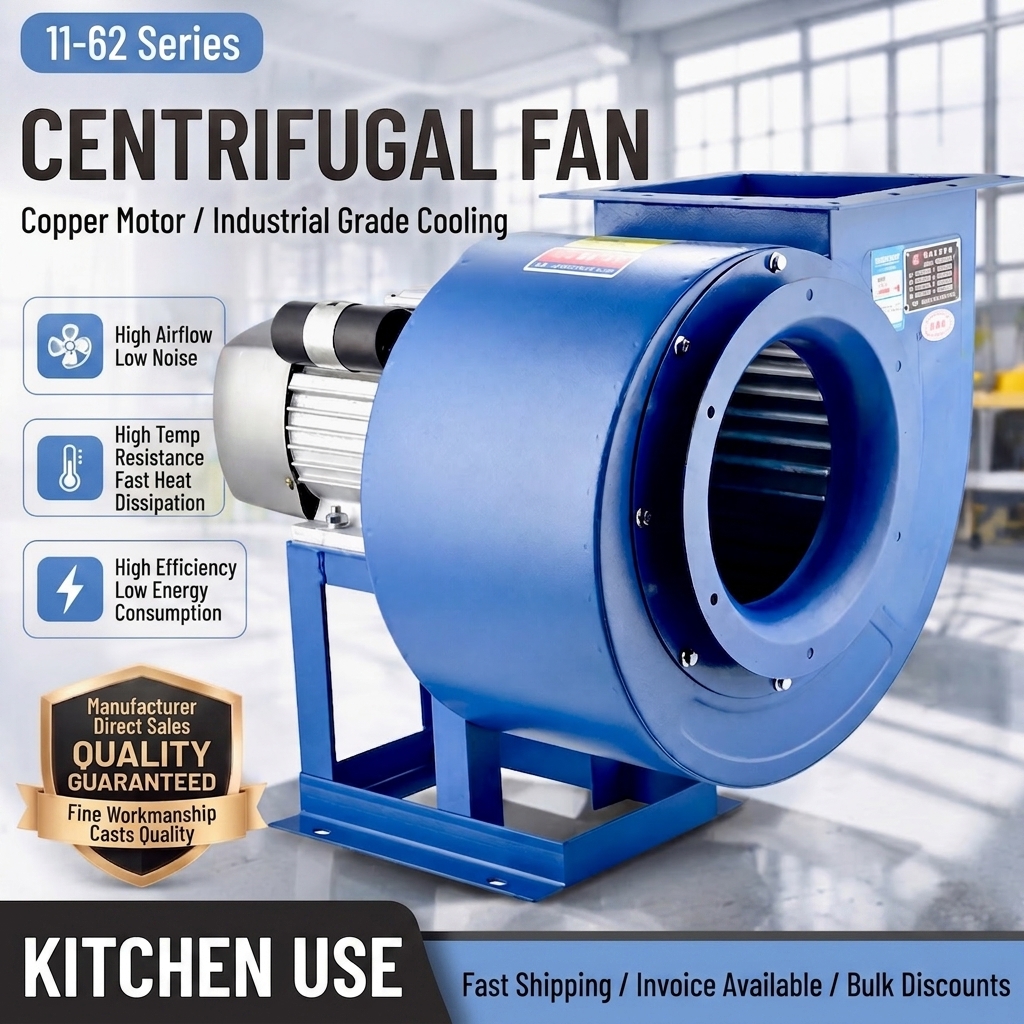
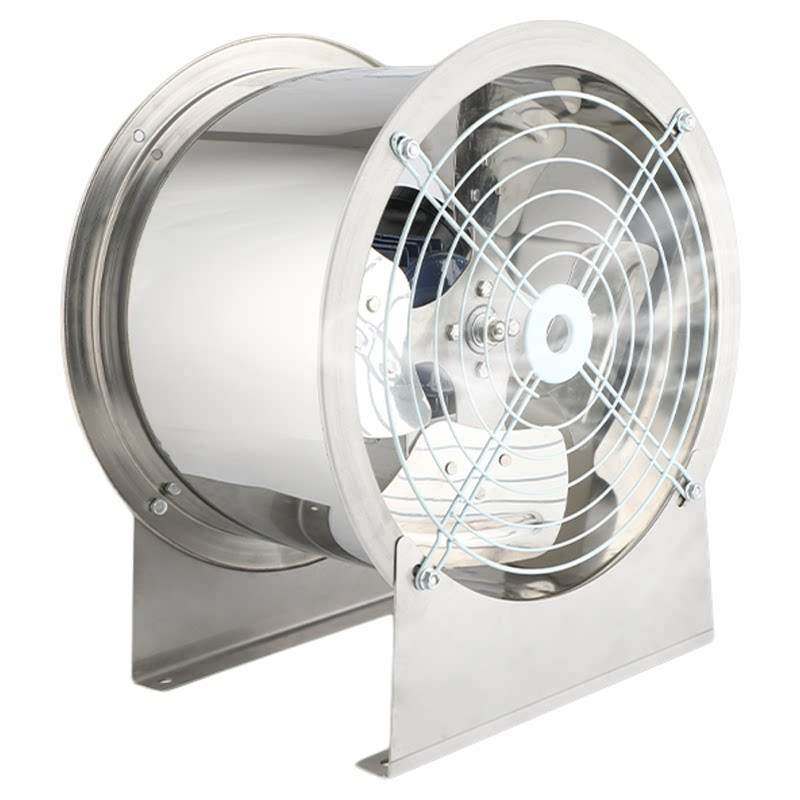
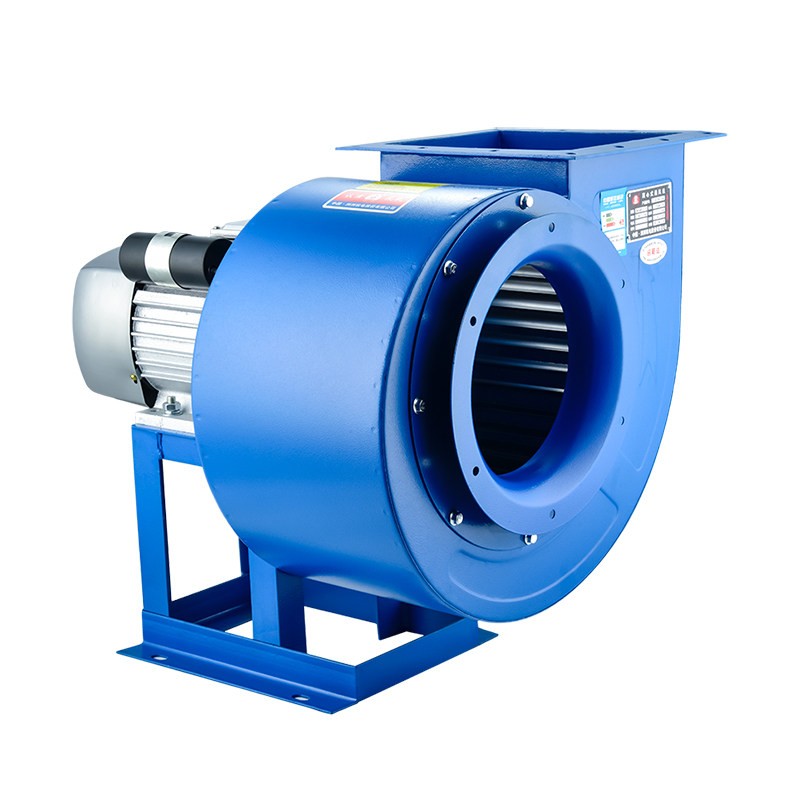
An axial fan can be useful where duct resistance is low and the fan curve fits the duty. A centrifugal fan may be worth review when the route has more resistance. This is a category choice. It is not a promise that one fan type fits every bathroom.
The published products on this page are industrial axial-fan products. They are the closest items in the current catalog. They are not exact inline bathroom extractor fan products. A small quiet bathroom may need a dedicated duct fan with a different design. Ask for a model review based on the exact route and duty point.
The allocated product information says that CF-11 and 11-62 low-noise multi-wing centrifugal fan types can suit long duct runs and higher-resistance systems. Their blade design can offer more static-pressure output than a single-blade axial design. Use this as a selection point, not as a final model claim.
Check the Site Conditions
An inline bathroom extractor fan works near humidity, cleaning, and limited access. Check the space around the fan. Make sure the unit can be reached for service. Check where moisture may collect in the duct. Confirm the power supply with a qualified installer.
Do not assume that an industrial fan feature makes it fit a bathroom. High airflow or high heat tolerance does not settle noise, vibration, size, or indoor use. Check those points for the exact product. Where local rules call for a certain protection class or safety feature, verify that need against the final model and the site rules.
Use One Clear Term in the Project Brief
Use the term inline bathroom extractor fan in the project brief. It helps the buyer, installer, and supplier discuss the same application. State that the inline bathroom extractor fan serves a bathroom. State where the inline bathroom extractor fan will sit. State where the inline bathroom extractor fan will discharge. State the duct size for the inline bathroom extractor fan. State the route length for the inline bathroom extractor fan. State the bend count for the inline bathroom extractor fan. State the outlet type for the inline bathroom extractor fan. State the power supply for the inline bathroom extractor fan. State the space available around the inline bathroom extractor fan. If you replace an old inline bathroom extractor fan, send its model and the issue you see.
A clear brief helps a supplier give a useful answer. Add a photo or simple sketch if possible. These details help all parties review the route before a model is selected.
Taizhou Zicheng can discuss axial and centrifugal fan categories from direct factory production. The final choice should match the route, the site, and local installation rules. That simple process helps avoid a mismatch between the fan and the duct system.

 EN