Commercial Extraction Fan Selection for Ducted Systems

Get a Free Quote

Our representative will contact you soon.
Email
Mobile/WhatsApp
Name
Company Name
Message
0/1000
Commercial Extraction Fan Selection for Ducted Systems

Commercial Extraction Fan Selection for Ducted Systems

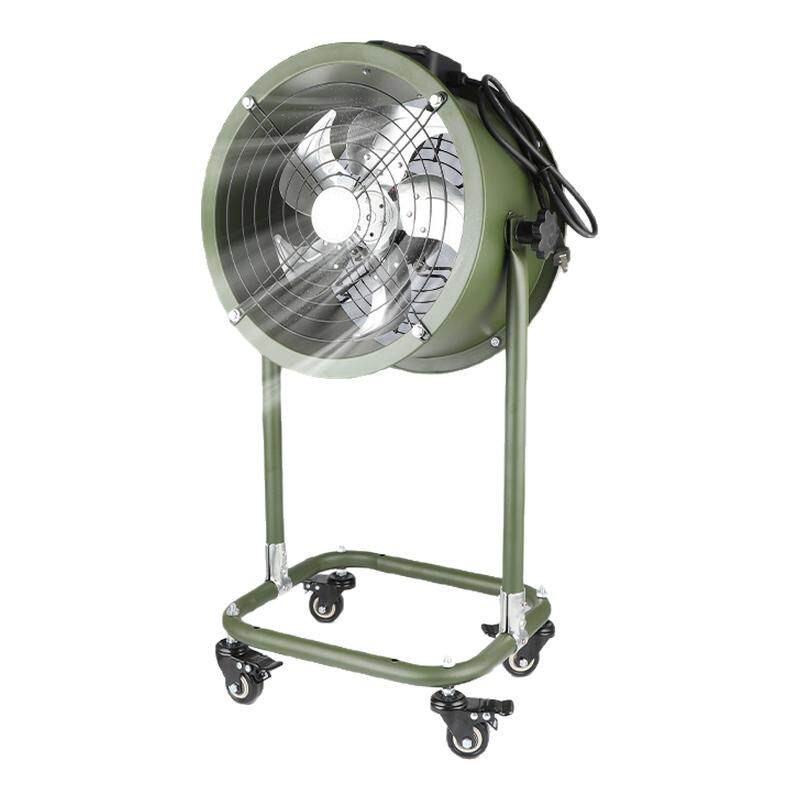
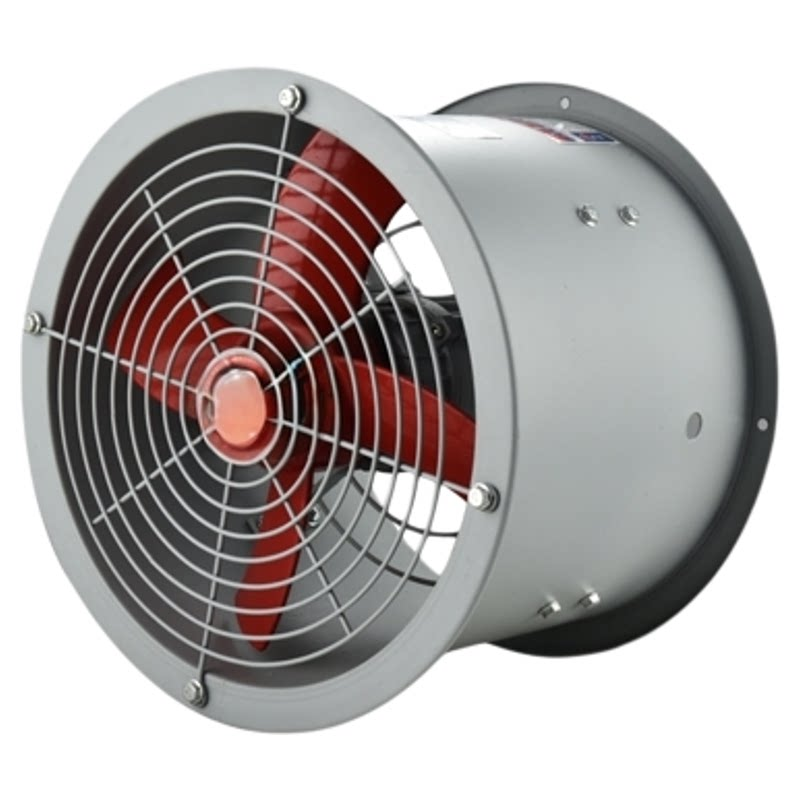
A commercial extraction fan must fit the real duty. This commercial extraction fan page covers ducted exhaust, air change, and process air work. It lists 4-72A models for general duct runs, plus 9-19 and 9-26 models for high pressure work. Taizhou Zicheng Electromechanical Co., Ltd. makes axial fans, centrifugal fans, kitchen exhaust fans, and vortex blowers. For a commercial extraction fan review, send the air flow, static pressure, air state, duct plan, voltage, and use case. These facts help match a commercial extraction fan to the site instead of using one model for all jobs.
Get A Quote

Manufacturer Context for Project Buyers

Direct maker and product-range context for a commercial extraction fan request.

Direct Factory Production

Taizhou Zicheng Electromechanical Co., Ltd. is a documented maker, not a trading firm. It has direct factory production for the fans it offers. This gives a commercial extraction fan buyer a direct source for product and use-case talks.

Multi-Type Fan Portfolio

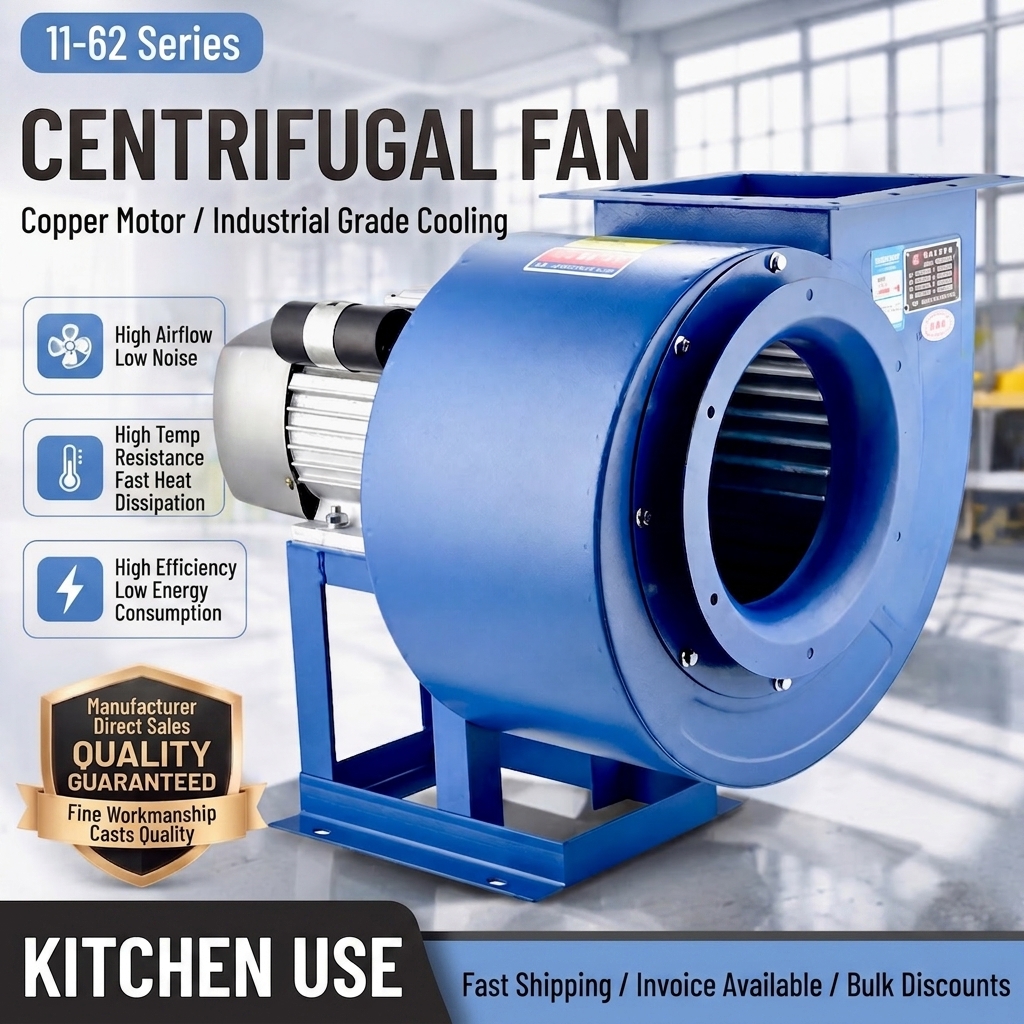
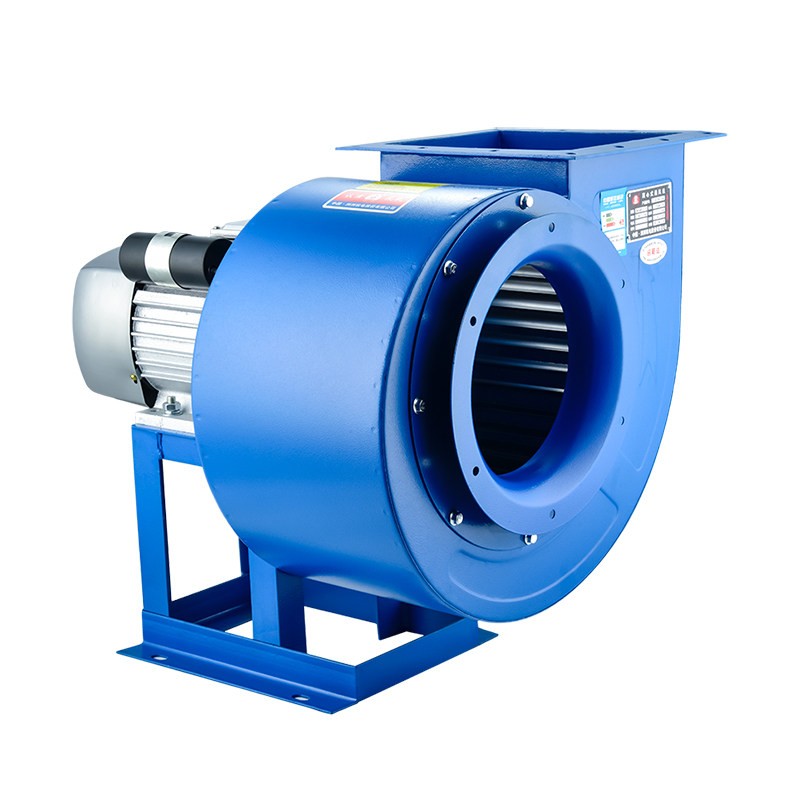
The available range has axial fan types, centrifugal fan types such as CF-11 and 11-62, and PCF smoke exhaust fans. This lets a commercial extraction fan buyer compare fan paths for a multi-zone project.

Related products

Check Static Pressure First

Check Static Pressure First

Duct length, bends, filters, and outlets add drag. For a commercial extraction fan with duct drag, start with air flow at the full system pressure. Then check the fan curve. The available range has 4-72A products rated up to 2,500 Pa and high-pressure options rated up to 9,200 Pa. A commercial extraction fan still has to suit the full job site.

Set the Fan Duty

Start each commercial extraction fan request with the air flow needed at the point of use. Say if the fan must take out room air, heat, fumes, or process air. State where air comes in and where it goes out. This gives the commercial extraction fan request a clear aim before a model is named.

Give the design air flow, run time, power supply, and space limits. If this is a change-out job, give the old fan model. Say what changed in the duct run or in the work area. A commercial extraction fan that moves air in free air can give less flow when a long duct is added.

Find the System Drag

Static pressure is as key as air flow for a commercial extraction fan. Each duct, elbow, bend, damper, hood, filter, and outlet adds drag. Add these losses at the needed flow rate. Then check the total against the fan curve. A commercial extraction fan can seem weak if the duct drag was left out of the plan.

  • Mark duct length, bends, branches, and changes in duct size.
  • List filters, hoods, grilles, and dampers that add drag.
  • Say if dust can make system drag rise over time.
  • Check inlet and outlet paths before you pick an arrangement.

The 4-72A products list A, B, C, and D forms. The selected 9-19 and 9-26 models are high-pressure centrifugal choices. A commercial extraction fan must still match the duty point and the site state.

Know the Air Stream

The air stream is key to a commercial extraction fan choice. The 304 stainless 4-72A record covers air and non-self-igniting, non-corrosive gas. It lists a 304 stainless steel case, a top gas heat of 80°C, and a dust and hard-particle limit of 150 mg/m³. Check that the actual air stream stays in those limits.

The carbon steel 4-72A record also covers gas that is non-self-igniting and non-corrosive to steel. If the job has corrosive, flammable, thick, or unknown air, do not assume a standard commercial extraction fan will fit. Give the gas type, heat, wet level, and particle data when you ask for help.

Compare Pressure Needs

The listed models give a few paths for a commercial extraction fan review. The 4-72A products list top static pressure of 2,500 Pa and top air flow of 20,000 m³/h. The 9-19 and 9-26 products list top pressure of 9,200 Pa and top air flow of 7,000 m³/h. These are product limits. They are not a site duty plan.

More pressure is not always best for a commercial extraction fan. A fan that is too large may not fit the system. A fan picked only by free-air flow may lack pressure for the duct. Check flow and total static pressure as a pair. Ask for the fan curve for the planned setup.

Send Good Job Data

A commercial extraction fan quote request should give air flow, static pressure, gas heat, particle data, duct plan, voltage, mount limits, and use case. Say if the job is new, a change-out, or an add-on. A sketch or duct list can show drag and join needs.

Taizhou Zicheng Electromechanical Co., Ltd. states that it offers air-flow and static-pressure sizing, model choice, and material and voltage advice before an order. Send commercial extraction fan job data through the form. This keeps the talk tied to the real system.

Commercial Extraction Fan FAQ

Questions for commercial extraction fan selection and job data.

What data is needed to size an extraction fan?

Start a commercial extraction fan request with the needed air flow and total static pressure at that flow. Give duct length, bends, filters, hoods, dampers, and outlets. Add air heat, particle data, voltage, space limits, and use. For a change-out job, give the old model and the known fault. This lets the duty point be checked against a fan curve, not just a top air-flow claim. A clear commercial extraction fan request helps avoid a poor match.
A centrifugal commercial extraction fan is often used in ducted systems with drag from long runs, bends, filters, or changes in duct size. The chosen list has 4-72A products rated up to 2,500 Pa. It also has 9-19 and 9-26 products rated up to 9,200 Pa. These numbers do not pick a model by themselves. Check the required flow, system drag, air stream, and site state as one set. Then a commercial extraction fan choice can be reviewed.
Do not assume that a standard commercial extraction fan can move corrosive air. The carbon steel 4-72A record covers gas that is non-corrosive to steel. The stainless 4-72A is an available option where its stated case and limits may fit. Give the real gas, heat, wet level, dust, and chemical exposure for review. Do not pick a standard unit for flammable, self-igniting, thick, or out-of-range air without a technical check. A commercial extraction fan needs a safe fit to its air stream.
A commercial extraction fan is rated in set test terms, but a site system has its own drag. Ducts, elbows, filters, hoods, grilles, and outlets use pressure. Drag can rise as filters load or the job changes. Check flow and static pressure at the same time. Send the duct plan with the request so the commercial extraction fan talk can focus on the real duty point. This is more useful than free-air flow alone.

Related article

How to eliminate fan blower vibration during ventilation duct installation work?

24

Oct

How to eliminate fan blower vibration during ventilation duct installation work?

Identifying Root Causes of Fan Blower VibrationMechanical Imbalance and Bearing Degradation in Fan BlowersMechanical imbalance—often caused by dirt, ice, moisture, or blade damage—alters mass distribution in the rotating assembly, generating a domina...
View More
6 inch extractor fan power and noise parameters need checking before ordering.

27

Oct

6 inch extractor fan power and noise parameters need checking before ordering.

Why Noise Performance Is Critical for 6 Inch Extractor Fan SelectionA quiet fan is not just a convenience—it determines whether users keep ventilation running. Because a 6 inch extractor fan often operates in bathrooms, kitchens, and laundry rooms, p...
View More
What certifications should a qualified centrifugal blower manufacturer provide?

28

Oct

What certifications should a qualified centrifugal blower manufacturer provide?

ISO 9001: The Foundational Quality Assurance for Every Centrifugal Blower Manufacturer How ISO 9001 Certification Ensures Consistent Design, Manufacturing, and After-Sales Support ISO 9001:2015 does not certify product performance—it validate...
View More
Industrial Ventilation Fan Selection Guide: Axial vs Centrifugal vs Mixed Flow

14

Sep

Industrial Ventilation Fan Selection Guide: Axial vs Centrifugal vs Mixed Flow

Compare axial, centrifugal and mixed flow industrial ventilation fans by pressure, airflow and noise, and learn how to buy direct from a factory.
View More

Get a Free Quote

Our representative will contact you soon.
Email
Mobile/WhatsApp
Name
Company Name
Message
0/1000