Aircon Exhaust Fan Selection Guide

Get a Free Quote

Our representative will contact you soon.
Email
Mobile/WhatsApp
Name
Company Name
Message
0/1000
Aircon Exhaust Fan Selection for Ventilation Systems

Aircon Exhaust Fan Selection for Ventilation Systems

An aircon exhaust fan removes warm, stale, or process air from a conditioned space. It is used when a project needs mechanical extraction. This page is for contractors, equipment integrators, and facility buyers. It explains how to compare fan types for ducted or local exhaust work. The listed range includes axial products for direct routes, a portable axial option for temporary duct work, and a centrifugal option for systems with more duct resistance. Taizhou Zicheng Electromechanical Co., Ltd. makes axial, centrifugal, and kitchen exhaust fans. Buyers can start with the real duty point, not a nameplate airflow alone. Send the airflow target, duct route, resistance, temperature, power supply, and install location to discuss an aircon exhaust fan configuration and request a quote.
Get A Quote

Manufacturer Context for Fan Projects

Supplier context for ventilation equipment buyers.

Direct Factory Production

Taizhou Zicheng Electromechanical Co., Ltd. is identified as a manufacturer, not a trading company. Buyers can discuss aircon exhaust fan configuration and quality control at the production source.

Multi-Type Fan Coverage

The documented portfolio includes axial types, CF-11 and 11-62 centrifugal types, and PCF-series smoke exhaust fans. This helps projects that need more than one ventilation approach.

Related products

Match Pressure to the Duct Route

Match Pressure to the Duct Route

For a ducted aircon exhaust fan, rated airflow is only one part of the choice. Bends, filters, grilles, dampers, and long runs add resistance. Check delivered airflow at the real duty point. Axial fans can suit a low-resistance route. A centrifugal option may suit a route with more resistance. Confirm the fan curve before final selection.

Define the Air Path First

An aircon exhaust fan should match the air path it serves. Do not choose an aircon exhaust fan from its name alone. First, define what the fan removes. It may remove warm air, stale room air, moisture, fumes, or process air. Next, mark the pickup point and the discharge point. List the duct sections between them.

A short and open route is not the same as a long duct route. Elbows, louvers, filters, and grilles all add resistance. An aircon exhaust fan can move less air when those losses are high. For a replacement job, note the aircon exhaust fan position, duct size, power supply, and reason for replacement. Weak extraction at a distant grille may point to system resistance. It may not mean that the old fan simply failed.

Compare Axial and Centrifugal Fans

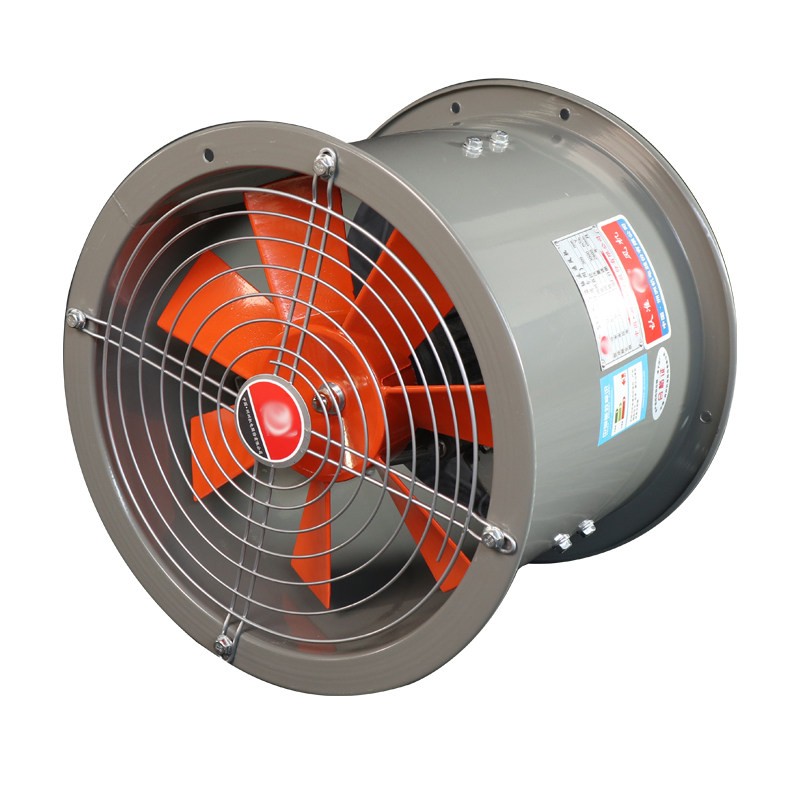
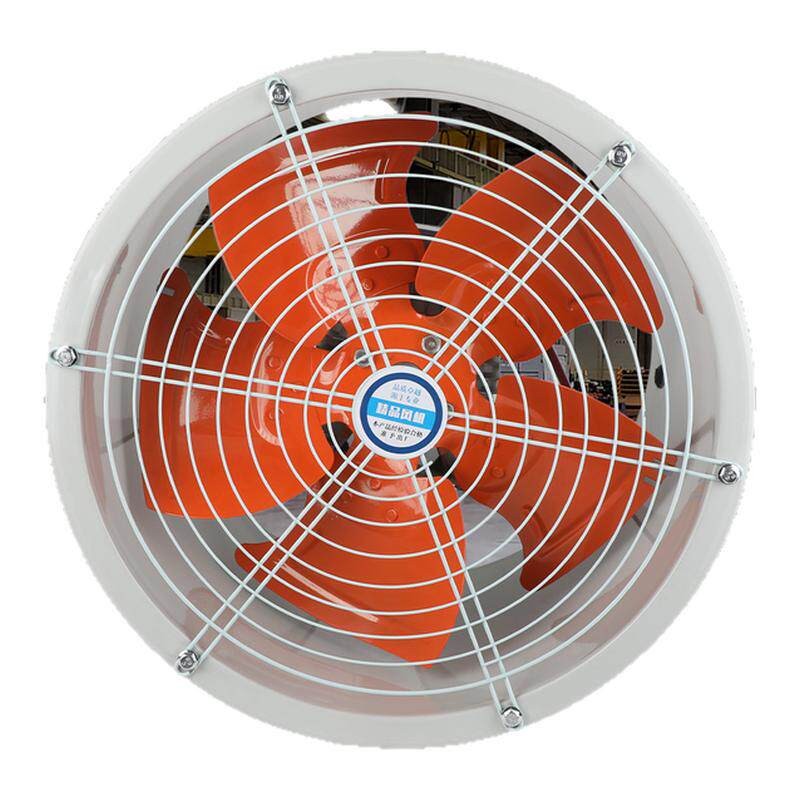
An axial aircon exhaust fan is often considered for high air volume through a direct route. The axial products on this page include models for drying rooms and high-volume work. A portable axial flow fan is also listed for temporary work with telescopic ducts. These products are starting points for comparing an aircon exhaust fan. They are not claimed as exact matches for every project.

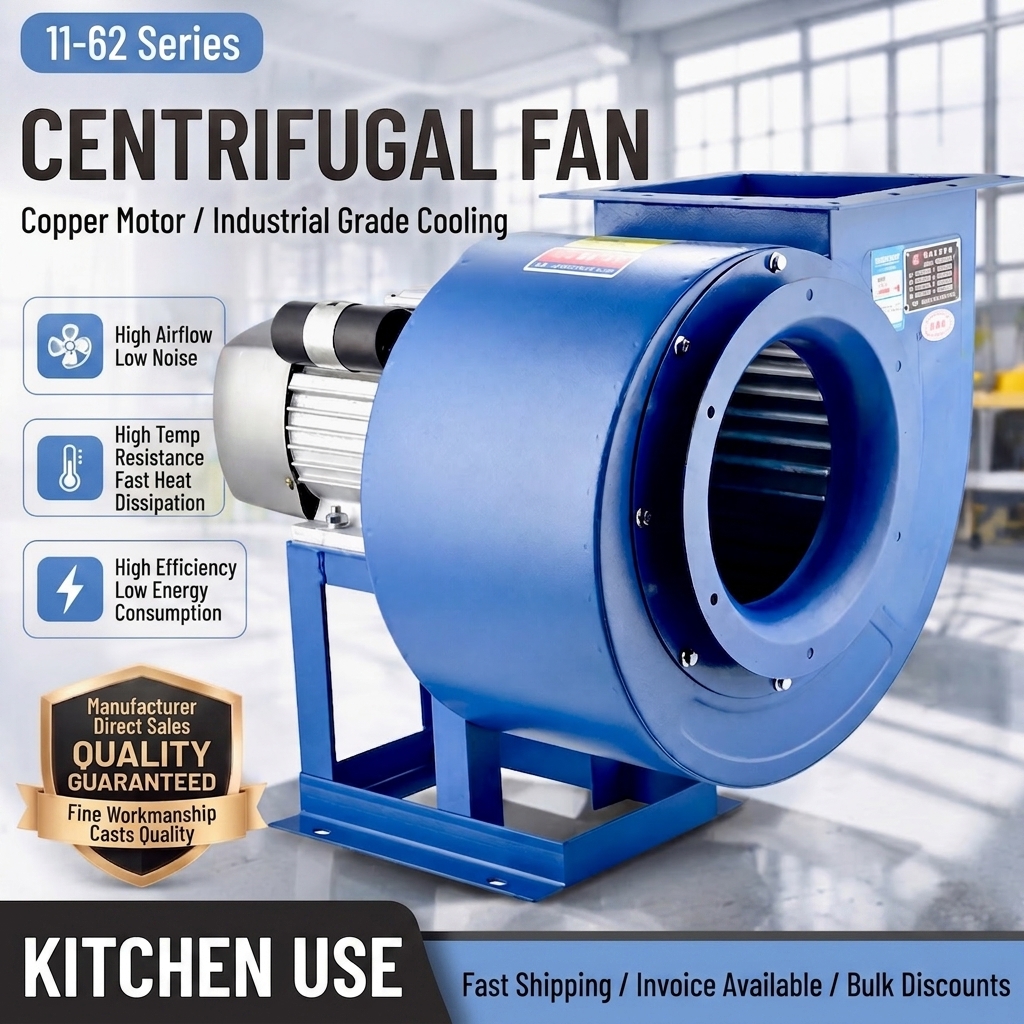
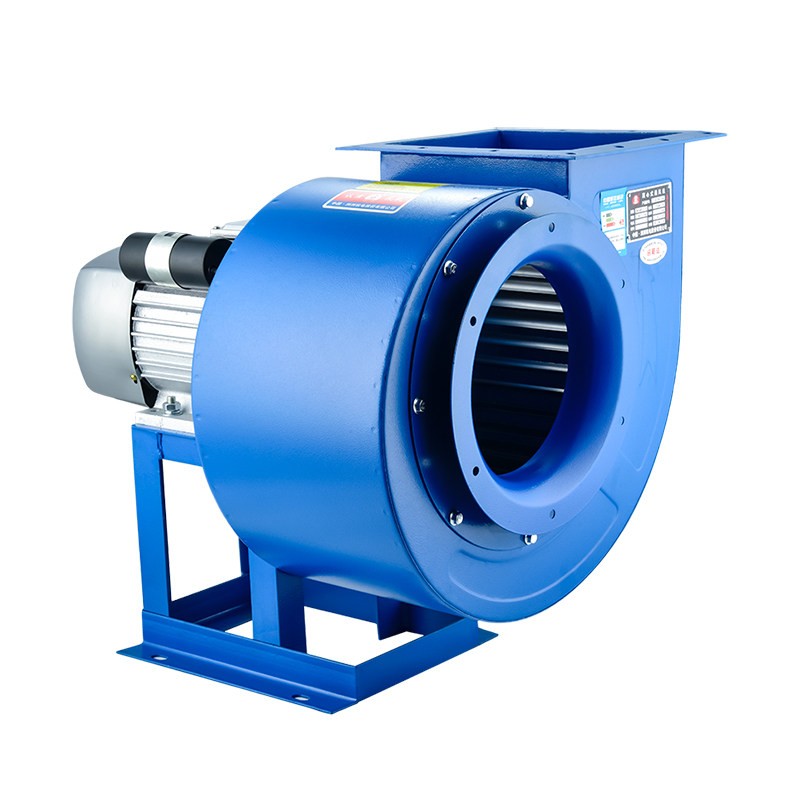
A centrifugal aircon exhaust fan may need review when duct resistance is a key issue. The listed 11-62 low-noise centrifugal fan is documented for kitchen exhaust and general ventilation. It has a published maximum flow of 20,000 m³/h and a maximum static pressure of 1,000 Pa. Its multi-wing design gives buyers another aircon exhaust fan format to compare. Final fit depends on the system curve, air conditions, and site layout.

Send the Key Duty Details

A good aircon exhaust fan request contains more than one airflow number. It should describe the job. The following points help a supplier discuss the right aircon exhaust fan type.

  • State the needed airflow for the aircon exhaust fan and say where that airflow is needed.
  • Give the duct size, route length, bends, filters, dampers, hoods, and grilles.
  • Describe the air. Include normal temperature, humidity, grease, dust, or corrosive content.
  • Confirm voltage, phase, mounting location, and space around the proposed aircon exhaust fan.
  • Explain if the aircon exhaust fan will run all day, on a timer, or during a process cycle.

These facts help define the aircon exhaust fan duty point. They also help compare fan formats in the same way. If a formal rule applies, use the relevant project standard. Check its test conditions before adding it to a specification.

Review the Installation Environment

The site can change an aircon exhaust fan choice. A hot room, wet space, roof void, or greasy duct can need a different material or motor plan. The 304 stainless steel axial fan listed here is documented for drying-room conditions and temperatures up to 200°C. That fact does not make it right for every aircon exhaust fan job. It shows why an aircon exhaust fan temperature and air condition should be shared early.

Plan aircon exhaust fan service access as well. Leave room to inspect the impeller, remove a guard where needed, and service the motor. Check the mounting support, vibration control, weather exposure, and discharge direction. A well-chosen aircon exhaust fan can still be hard to maintain if access is ignored.

Prepare a Focused Quote Request

Taizhou Zicheng Electromechanical Co., Ltd. offers axial fans, centrifugal fans, kitchen exhaust fans, and vortex blowers. Send the aircon exhaust fan duty details, a duct sketch if available, and the project location. The aircon exhaust fan discussion can then focus on airflow and actual system resistance. This is more useful than choosing the largest fan. It helps buyers compare the closest aircon exhaust fan product type and see what facts are still needed before a final configuration decision.

Aircon Exhaust Fan FAQ

Questions to clarify the installation before fan selection.

How do I size an aircon exhaust fan?

Start with the airflow needed at the extraction point. Then review the duct route. Duct length, bends, filters, dampers, grilles, and the discharge layout add resistance. An aircon exhaust fan should be checked at the duty point, where airflow and static pressure are considered together. For an aircon exhaust fan replacement, record the duct size and route. Do not choose only from motor power or the old fan nameplate. A supplier can discuss suitable aircon exhaust fan formats when these operating details are clear.
Consider a centrifugal aircon exhaust fan when the route has notable resistance from ducts, bends, filters, or other parts. Choose an aircon exhaust fan from airflow and static pressure, not from its category name alone. The listed 11-62 fan is a low-noise centrifugal fan for kitchen exhaust and general ventilation. It has published maximum flow and pressure figures. Check the fan curve, air conditions, electrical supply, and site layout before treating it as a match for a specific aircon exhaust fan project.
Send the required airflow, expected static pressure if known, duct size, duct length, bends, filters, dampers, and air temperature. State the power supply, install location, run schedule, and any material, noise, or service-access limits. A drawing or photo of the route can help. These details show whether the aircon exhaust fan task is open ventilation or ducted extraction. They give the supplier a better basis for discussing an aircon exhaust fan product configuration.
No. An aircon exhaust fan must match the air path, resistance, environment, and duty cycle. An axial fan can be relevant for high air volume through a direct route. A centrifugal design may be considered for a more resistant duct route. Temperature, humidity, grease, dust, and service access also matter. Product names and maximum ratings help with comparison, but they do not replace a duty-point review. Confirm the operating conditions before choosing an aircon exhaust fan model.

Related article

How to eliminate fan blower vibration during ventilation duct installation work?

24

Oct

How to eliminate fan blower vibration during ventilation duct installation work?

Identifying Root Causes of Fan Blower VibrationMechanical Imbalance and Bearing Degradation in Fan BlowersMechanical imbalance—often caused by dirt, ice, moisture, or blade damage—alters mass distribution in the rotating assembly, generating a domina...
View More
What certifications should a qualified centrifugal blower manufacturer provide?

28

Oct

What certifications should a qualified centrifugal blower manufacturer provide?

ISO 9001: The Foundational Quality Assurance for Every Centrifugal Blower Manufacturer How ISO 9001 Certification Ensures Consistent Design, Manufacturing, and After-Sales Support ISO 9001:2015 does not certify product performance—it validate...
View More
How to Choose a Reliable Centrifugal Fan Manufacturer in China (2026 Buyer's Guide)

14

Sep

How to Choose a Reliable Centrifugal Fan Manufacturer in China (2026 Buyer's Guide)

A practical 2026 buyer's guide to choosing a trustworthy centrifugal fan manufacturer: certifications, quality control, SS304 materials, OEM support, MOQ and delivery.
View More
Industrial Ventilation Fan Selection Guide: Axial vs Centrifugal vs Mixed Flow

14

Sep

Industrial Ventilation Fan Selection Guide: Axial vs Centrifugal vs Mixed Flow

Compare axial, centrifugal and mixed flow industrial ventilation fans by pressure, airflow and noise, and learn how to buy direct from a factory.
View More

Get a Free Quote

Our representative will contact you soon.
Email
Mobile/WhatsApp
Name
Company Name
Message
0/1000