Plan the Full Air Path
A soffit vent for bathroom fan works with the fan and duct. Start at the fan. Then trace the duct to the outlet. Note the duct size, its length, and each turn. A soffit vent for bathroom fan is not a stand-alone choice. The full path sets how air will move. A soffit vent for bathroom fan plan should show each part of that path.
Keep the route as plain as the site allows. A short, straight run is easier to review than a long run with many turns. Do not crush flexible duct. Do not use a turn that is too tight. A soffit vent for bathroom fan needs a route that the installer can fit and check. Mark the soffit vent for bathroom fan position on a simple site sketch.
Check the Duct Before Choosing a Fan
Air has to push through the whole duct. Each bend, screen, damper, and change in size can slow it down. This is why a rated air figure is only one part of a fan choice. A soffit vent for bathroom fan may need a different fan duty when the route is long or has many parts. Compare the soffit vent for bathroom fan route with the fan guide before ordering.
- Write down the duct size for the soffit vent for bathroom fan.
- Measure the straight parts of the duct run.
- Count each elbow, join, damper, and outlet screen.
- Note the power supply and how long the fan will run.
Send this list with the inquiry. It gives the supplier a better view of the real job. For a soffit vent for bathroom fan, this is more useful than asking for a fan by outlet size alone. It also helps the buyer explain the soffit vent for bathroom fan duty to the installer.
Review the Outer Outlet
The outlet sits in an area that sees rain, wind, dust, and heat. Its cover and screen need to suit that setting. A soffit vent for bathroom fan also needs to be placed with nearby roof parts, walls, and openings in mind. Check the local rules and the fan maker's guide before work starts. A soffit vent for bathroom fan should have a clear service plan.
Plan access as well. A soffit vent for bathroom fan may need a check after it is put in. Make sure the duct joins can be reached if service is needed. Before the ceiling or soffit is closed, check that the duct is held up and that its path is still open. This check can prevent a blocked soffit vent for bathroom fan path.
Know What the Listed Products Are
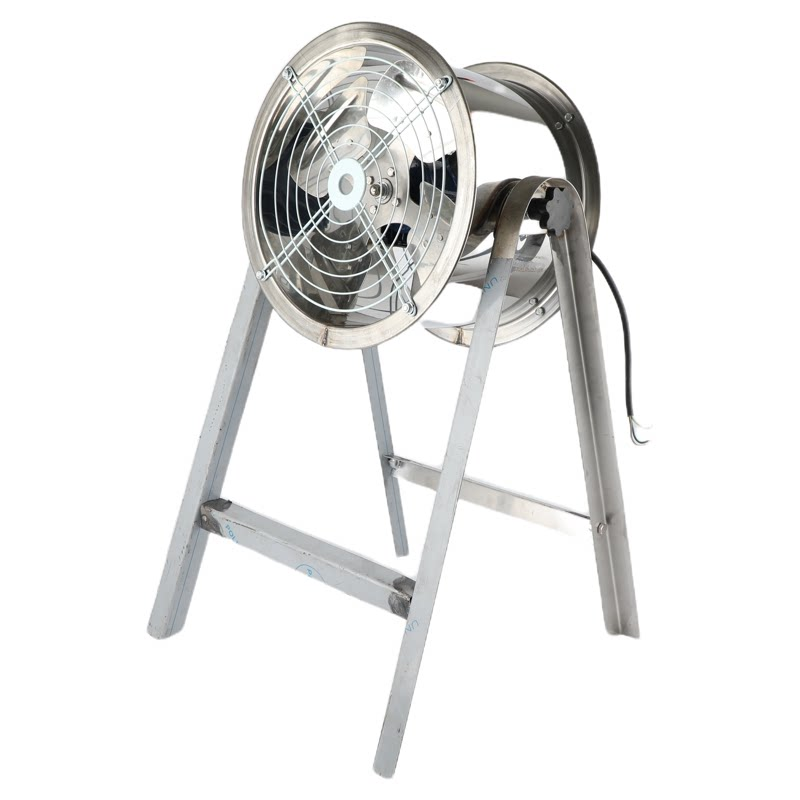
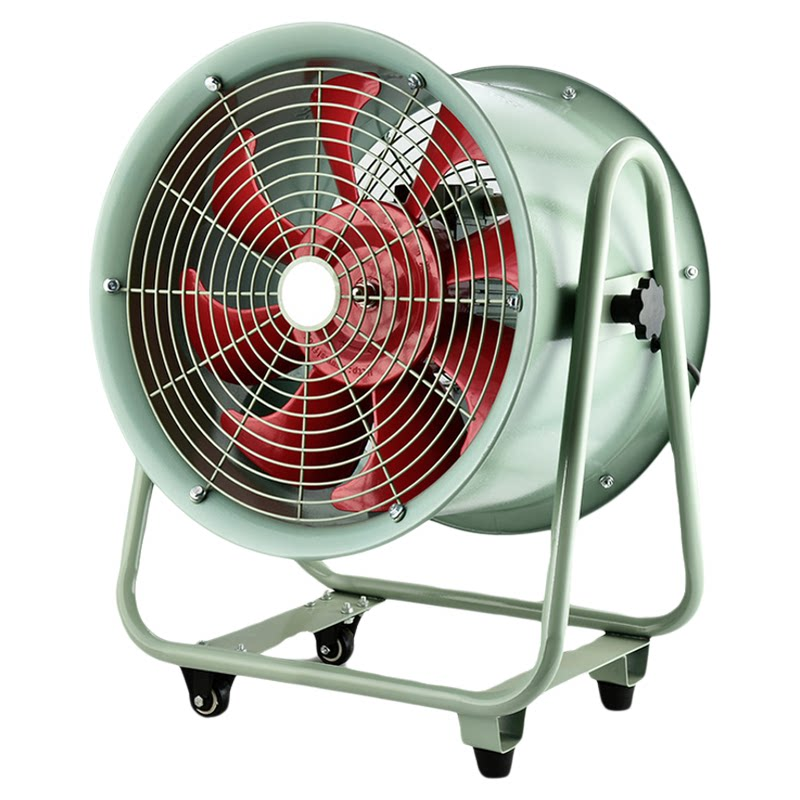
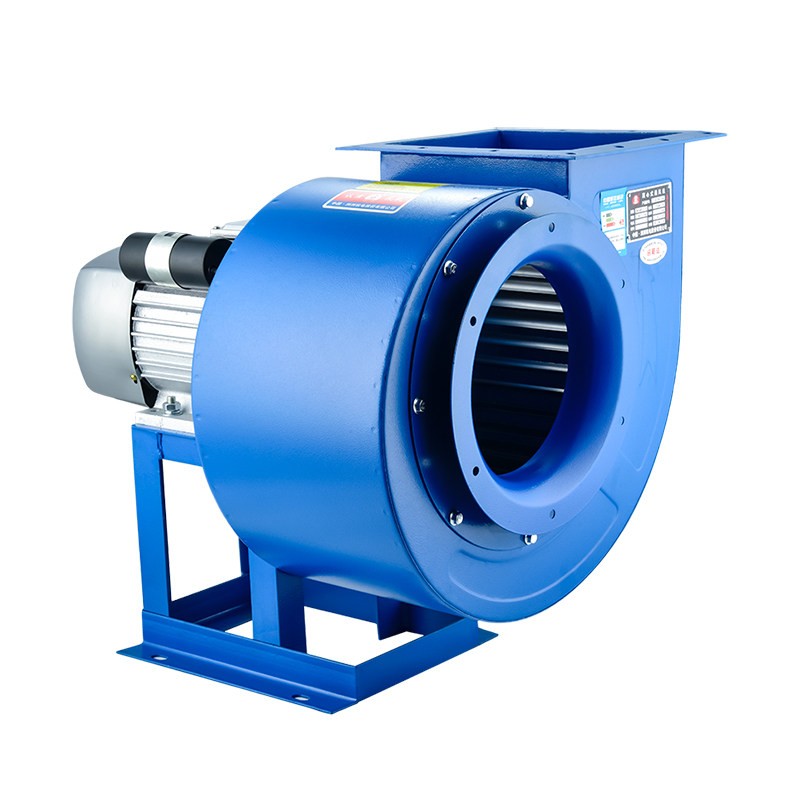
The three products on this page are the closest live axial-fan records in the catalog. They are for drying, high-airflow curing, or portable work in tight spaces. They show the maker's axial-fan range. They are not stated to be home bathroom fan models.
A soffit vent for bathroom fan may need a different fan type and a different outer part. Do not treat the listed products as a direct home match. If the site is a shop, plant, or other non-standard site, give the duct plan and duty to the supplier. A soffit vent for bathroom fan can then be reviewed against the real job. The supplier can note whether the soffit vent for bathroom fan request fits any listed option.
Send Useful Job Details
A clear request saves time. State the room use, room size, duct size, duct length, and number of turns. State where the soffit vent for bathroom fan will sit. Add the voltage, space limits, and any noise limit. A photo or simple drawing can help show the route. Label the soffit vent for bathroom fan point on that drawing.
With these facts, the talk can move from a broad soffit vent for bathroom fan search to a real fit check. The supplier can review whether an axial or centrifugal option is relevant. A final choice should follow the actual site and the rules that apply there. Keep the soffit vent for bathroom fan details with the final job record.

 EN