Set the Job for the Window Exhaust Fan
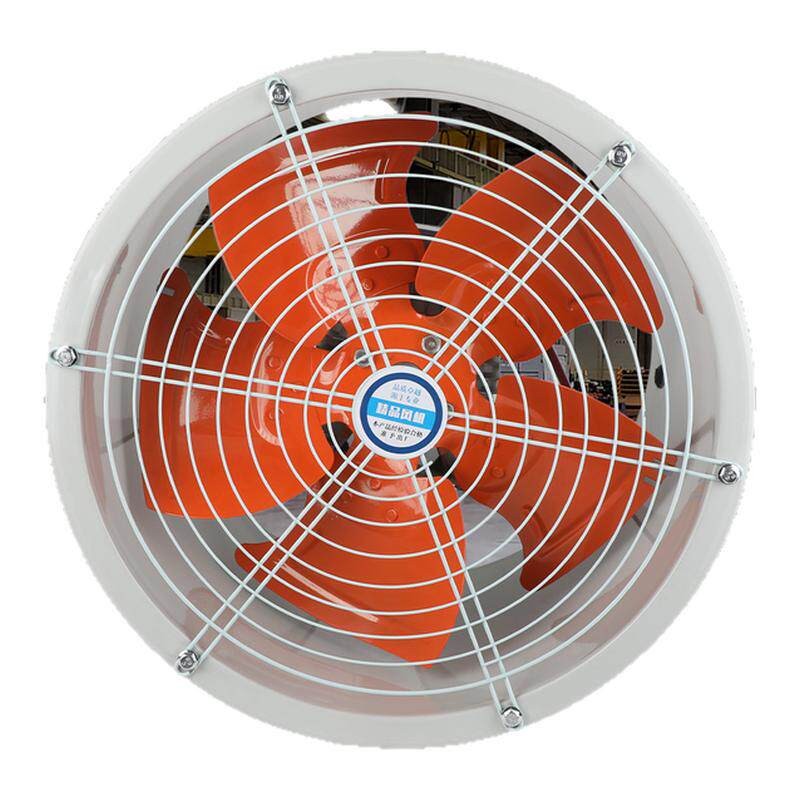
A window exhaust fan moves indoor air out through an exterior opening. First, state the job in simple terms. A window exhaust fan may release heat from a workshop, renew air in an agricultural building, remove moisture from a drying area, or give local extraction near a process. These jobs need different checks. Ask if the fan will run all day, if outside air can enter elsewhere, and if people work near the discharge.
Measure the clear opening. Note its width, height, frame, and mounting surface. Also list the parts around it. A louver, screen, shutter, grille, or backdraft device may be needed. Each part can change the air path. A useful window exhaust fan inquiry describes the whole opening, not just a fan size.
Match the Fan to the Air Path
Rated airflow helps compare a window exhaust fan, but it does not prove airflow at the installed point. Resistance can come from a close louver, mesh, a bend, a filter, or a long discharge route. The product sheet is only part of the picture. The air path on both sides of the window exhaust fan also matters.
- Measure the room and describe the heat, moisture, dust, or odor source.
- List every restriction at the intake and discharge of the window exhaust fan.
- Confirm there is a route for make-up air to enter the room.
- State the run hours and the temperature near the motor.
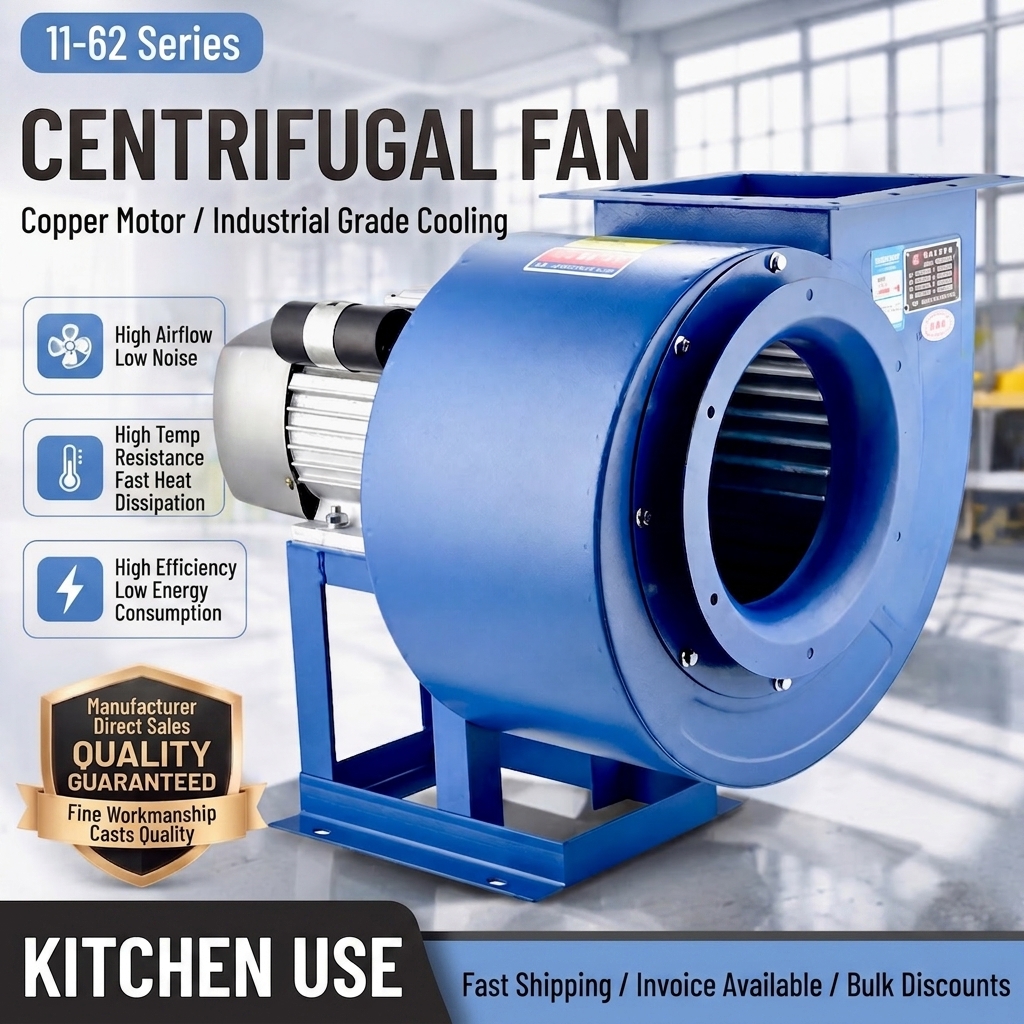
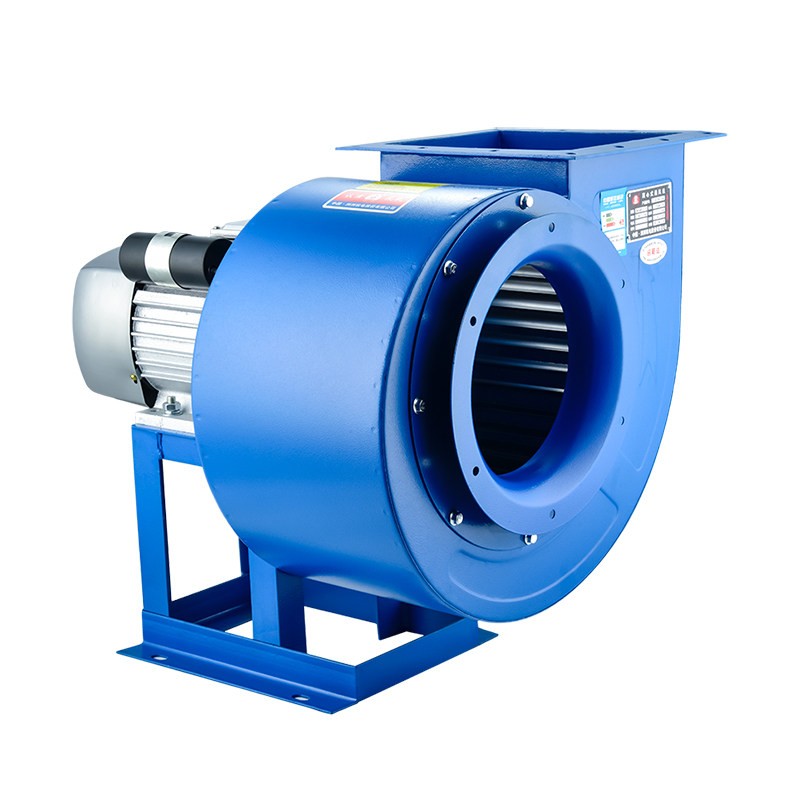
For an open window exhaust fan installation, resistance may be low. A guarded or ducted installation needs more review. If a project has a long run or high resistance, ask whether a centrifugal fan should also be compared. That does not mean every window exhaust fan needs a centrifugal design.
Check Mounting, Environment, and Power
Confirm mechanical fit before calling a listed item a replacement window exhaust fan. Check the mounting direction, support structure, impeller clearance, and service access. Keep the discharge away from nearby openings where air could return to the building. Note rain, moisture, high temperature, or corrosive exposure at the window exhaust fan location.
Confirm local voltage, phase, and frequency. The 304 Stainless Steel Axial Fan 200°C for Drying Rooms is a documented high-temperature product. The Aluminum Blade Axial Fan 39,000 m³/h for Tobacco Curing is documented for tobacco-curing use. Neither fact confirms a fixed window exhaust fan fit. It shows why the working environment and duty point must guide the choice.
Review the Listed Products Carefully
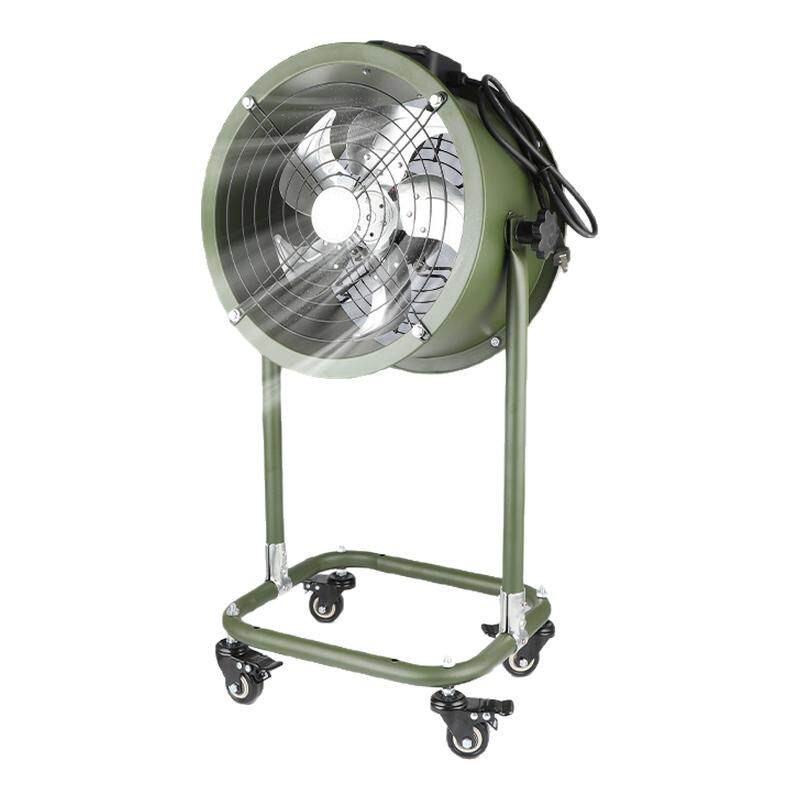
The three products were selected as the closest available axial-fan catalog items. Their names show different main uses: drying rooms, tobacco curing, and confined spaces. The Portable Axial Flow Fan 10,000 m³/h for Confined Spaces is portable and may connect to telescopic air ducts according to its product record. Do not present it as a fixed window exhaust fan without checking the arrangement.
Use the closest product as a starting point. Then request a window exhaust fan comparison. Send the opening size, airflow direction, temperature, local power, and accessory list. Add louver or duct dimensions and routing. This helps compare axial and centrifugal choices without assuming an open-air rating will equal installed airflow.
Send a Clear Project Brief
A simple application brief helps technical, purchasing, and operating teams review the same window exhaust fan setup. Include photos or a sketch of the opening when possible. State whether the work is a new build, replacement, or upgrade. If a unit is being replaced, show its position and the issue being addressed. Do not use its model name as the only sizing basis.
Taizhou Zicheng Electromechanical makes axial and centrifugal fans. It can discuss airflow and static-pressure sizing, model selection, material, and voltage needs before an order. Request a window exhaust fan quotation with the project details. A window exhaust fan quote should state the opening. It should state the air path, power, run hours, accessories, and conditions for the window exhaust fan. This keeps the choice focused on the real operating point, not only on a catalog title.

 EN