Set the Required Airflow
Define the airflow need from the booth design, work area, and process. Use the local rules that apply to the site. A paint booth exhaust fan needs a clear duty point. The duty point has both flow and pressure. Flow alone is not enough.
Record each extraction point. Note if zones run at the same time. Note if the booth has supply air. These facts help you decide if one paint booth exhaust fan or several units suit the layout. Ask for a schedule that shows flow and total static pressure for each zone. Add the operating hours and the planned filter change point. This helps the team set a useful paint booth exhaust fan duty point.
Map the Pressure Path
Every part of the route adds pressure loss. This includes straight duct, elbows, transitions, grilles, dampers, filters, and the outlet. A paint booth exhaust fan must overcome the loss at the target flow. Filter loss can rise as the filter loads. Use data for the planned filter condition. Do not use only a clean-filter value.
- List the duct size, length, bends, and branch links.
- Include loss data for each filter or air-treatment stage.
- Describe the outlet and any limits at the discharge point.
- Check the paint booth exhaust fan duty point on its fan curve.
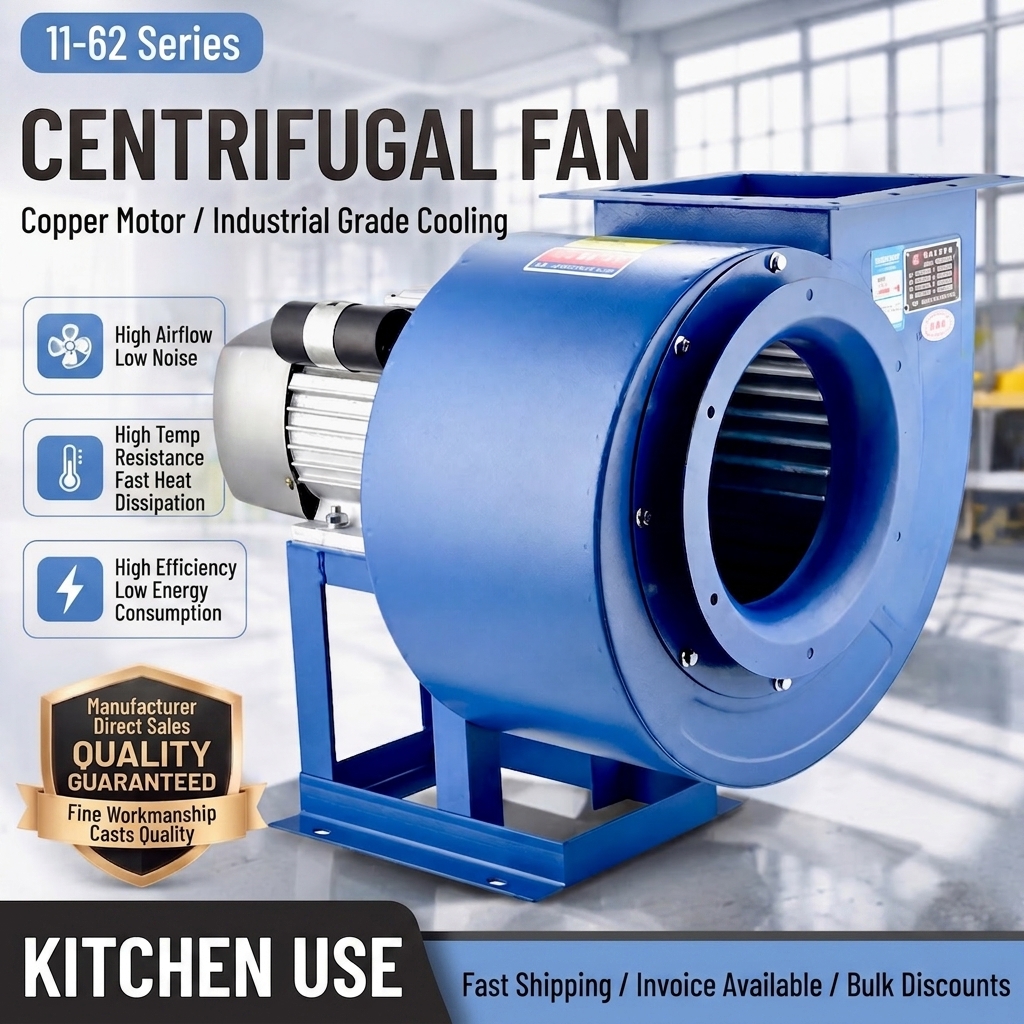
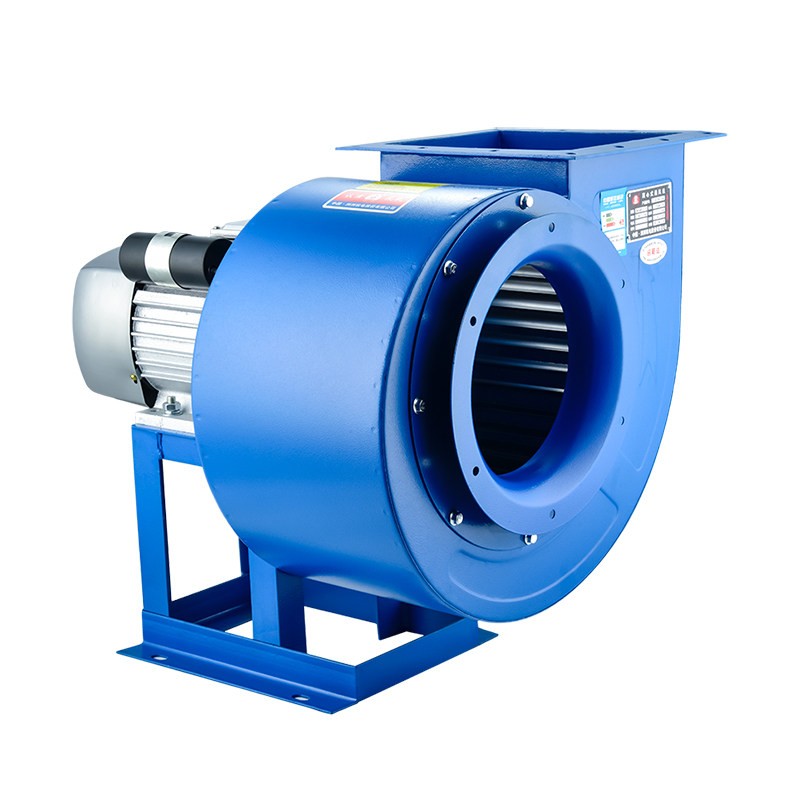
Centrifugal designs are often checked for ducted routes because they can serve systems with more resistance. Yet a paint booth exhaust fan still needs the right pressure range, motor power, and flow range. The layout matters as much as the product class. Confirm the fan direction and discharge position before the order is placed.
Compare the Listed Fan Options
The selected catalog has two 4-72A options and two high-pressure options. The 304 stainless 4-72A and carbon-steel 4-72A products list maximum static pressure of 2,500 Pa. They list maximum flow of 20,000 m³/h. Their records state a maximum gas temperature of 80°C and particle content up to 150 mg/m³. These are product limits. They are not a paint booth exhaust fan design rule.
The 9-19 and 9-26 products list maximum pressure of 9,200 Pa and maximum flow of 7,000 m³/h. Their records also state an 80°C maximum medium temperature and a 150 mg/m³ dust or hard-particle limit. A higher rating does not prove a better fit. Choose a paint booth exhaust fan only after the actual system need is known. Confirm that the system curve and the fan curve meet at a stable working point.
Check the Air Stream and Site
Write down what enters the exhaust route. The listed records do not prove fit for flammable air, explosive air, corrosive vapor, or sticky material. A paint booth exhaust fan may see solvent vapor or other hazards. That calls for a project safety review. Confirm the booth design, local rules, treatment system, and needed motor or electrical protection with qualified project staff.
Check temperature at the fan inlet during peak use. Room temperature is not always the same as air-stream temperature. Check dust load and filter service plans too. For long duct runs, confirm support, vibration mounts, service space, rotation, and discharge direction before ordering a paint booth exhaust fan. The installer should also confirm that the intended location gives safe service access.
Send Clear Inquiry Data
Good data helps with a paint booth exhaust fan discussion. Send target flow, total static pressure, booth size, duct plan, duct size, filter stages, air temperature, voltage, and site location. State if the job is new, a replacement, or a change to an old system. Share measured data from the current paint booth exhaust fan if you have it. A sketch of the duct route can also help the review.
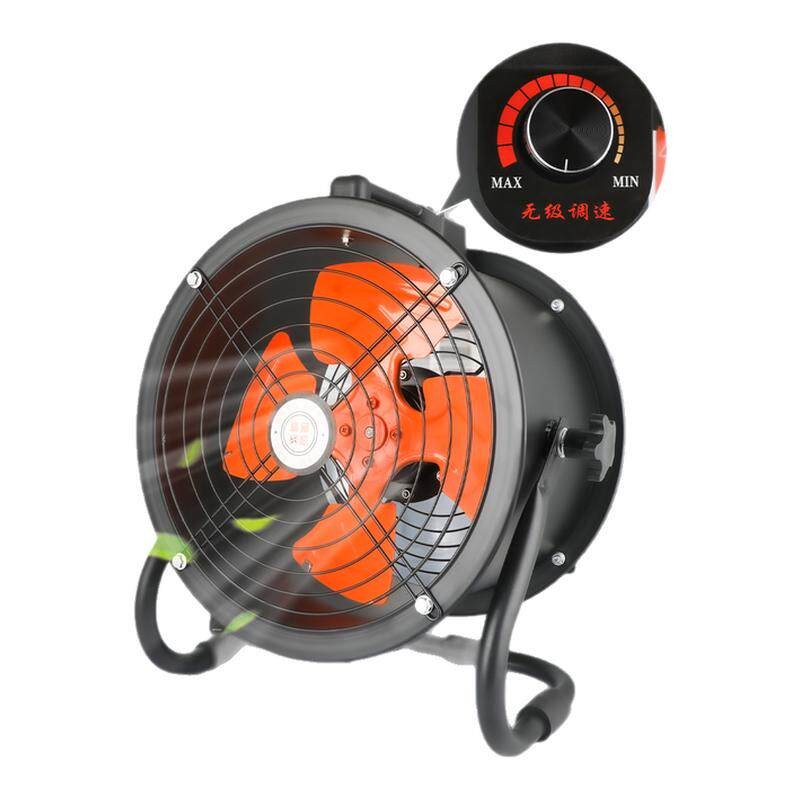
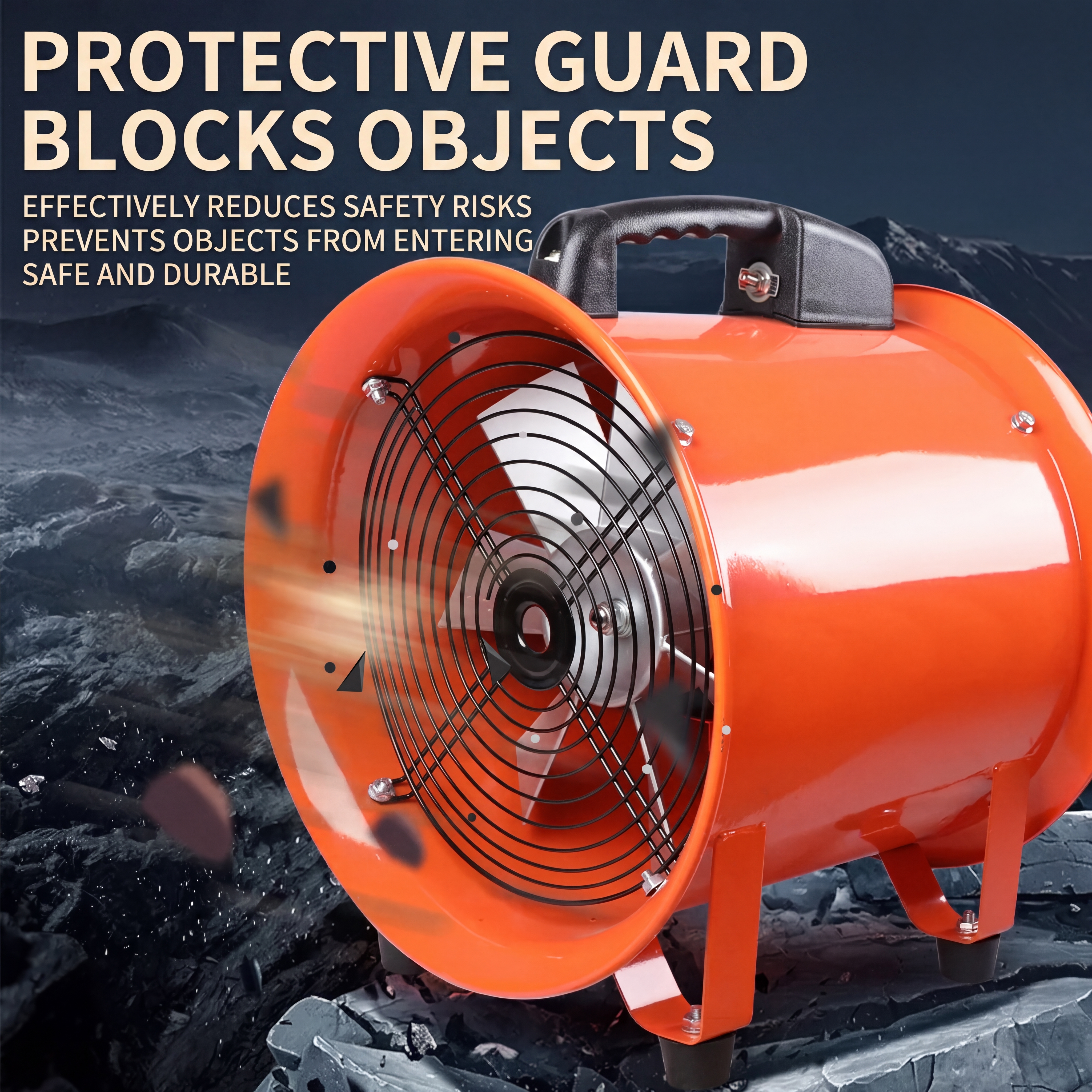
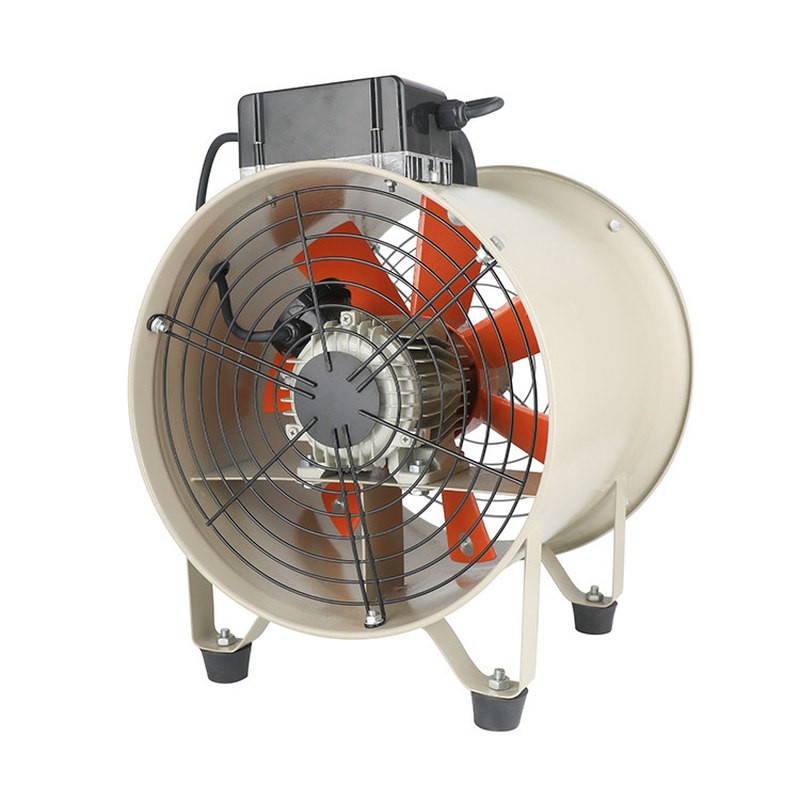
Taizhou Zicheng Electromechanical Co., Ltd. offers centrifugal fans, axial fans, kitchen exhaust fans, and vortex blowers. The products above are the closest catalog choices. They are not pre-approved paint booth exhaust fan models. Final selection needs the real duty point and operating conditions. Send those details when you request a paint booth exhaust fan quotation.

 EN