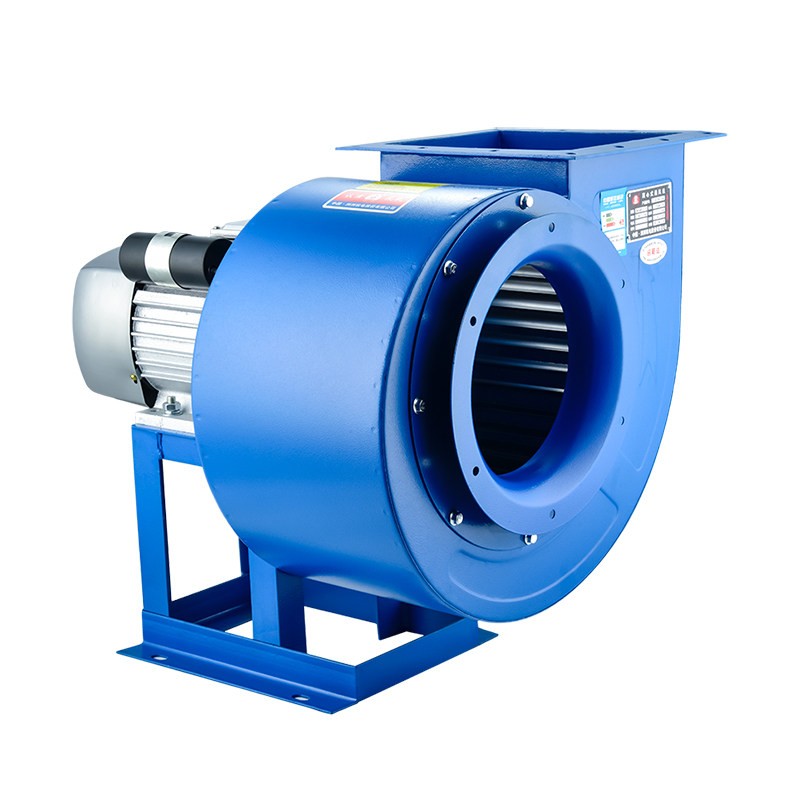
Cooktop Exhaust Fan for Ducted Kitchens

Get a Free Quote

Our representative will contact you soon.
Email
Mobile/WhatsApp
Name
Company Name
Message
0/1000
Cooktop Exhaust Fan Selection for Ducted Kitchen Systems

Cooktop Exhaust Fan Selection for Ducted Kitchen Systems

A cooktop exhaust fan moves heat, vapor, and grease-laden air from a ducted kitchen system. This page is for kitchen buyers, installers, and project teams. It is not a guide to a full home hood package. Start with the job details. List the needed airflow, duct resistance, fan location, power supply, and air conditions. Long ducts, elbows, filters, dampers, and roof outlets can all add resistance. A cooktop exhaust fan must match that resistance as well as the airflow need. ZICHENG makes axial, centrifugal, kitchen exhaust, and aeration fan products. We can discuss a model when project details are ready. Review the closest products below. Then send the duct layout and duty details for a cooktop exhaust fan discussion and quotation.
Get A Quote

Manufacturer and Product Range Context

Direct Manufacturing Source

Taizhou Zicheng Electromechanical Co., Ltd. makes the fan products it offers. This direct factory role supports discussion of product setup and project needs with the source.

Multi-Type Fan Portfolio

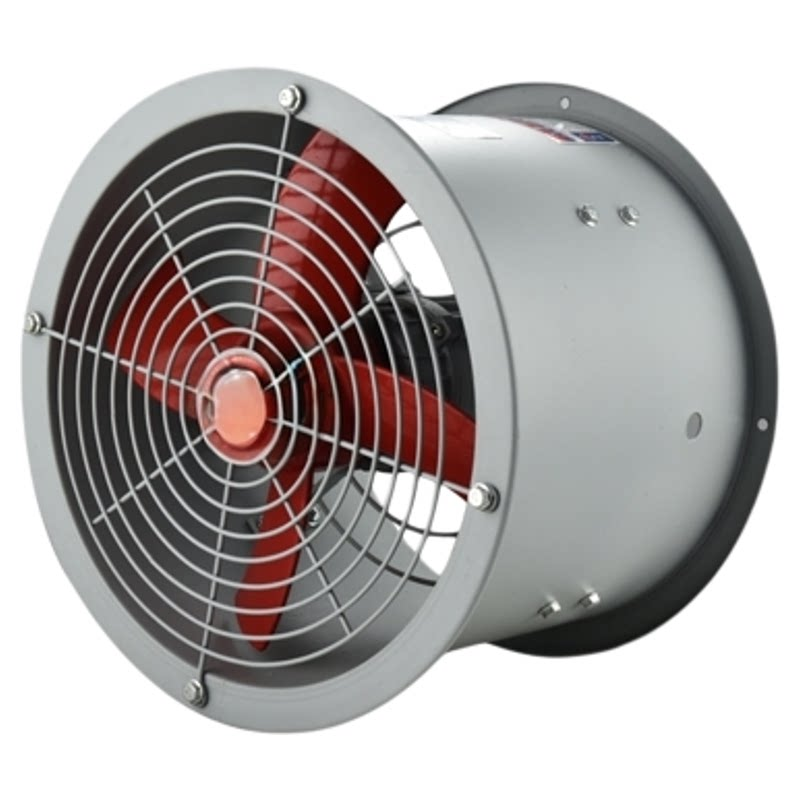
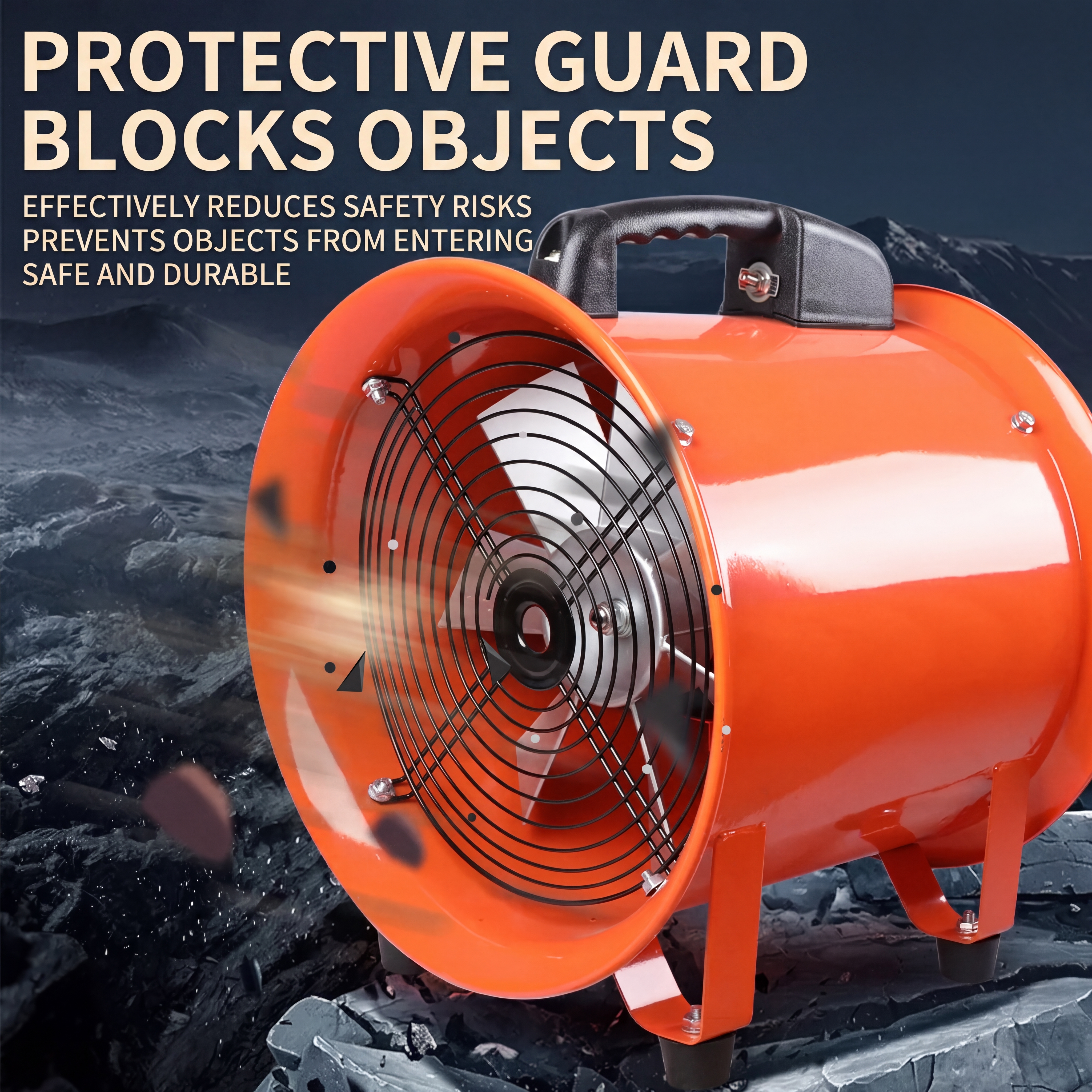
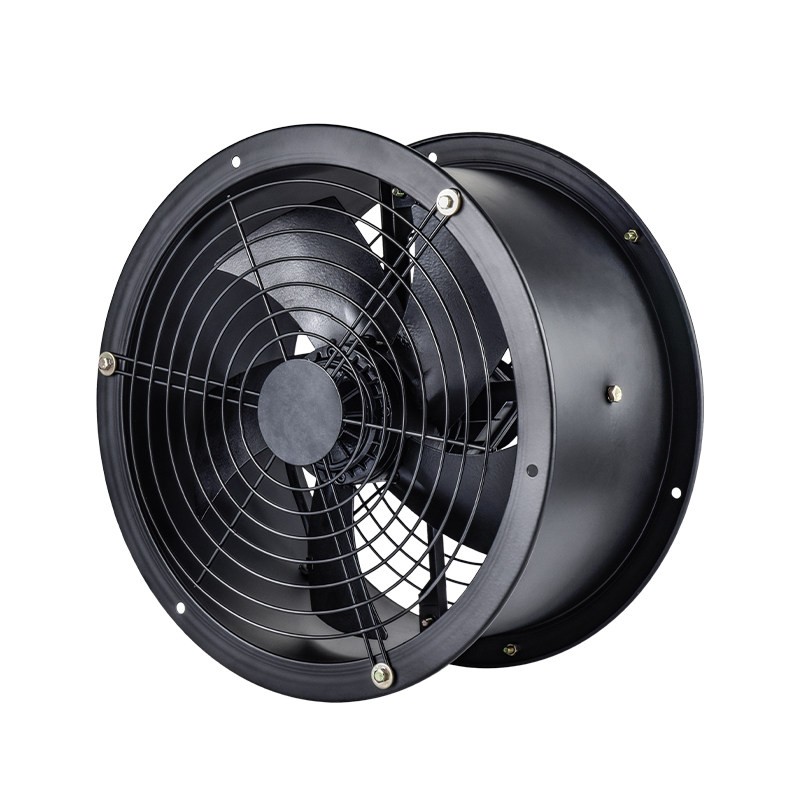
The product range includes standard and handheld axial fans, CF-11 and 11-62 centrifugal fans, and PCF smoke exhaust fans. Buyers can discuss related fan types with one supplier.

Related products

Select for Duct Resistance

Select for Duct Resistance

A cooktop exhaust fan needs more than a high airflow number. Duct length, elbows, filters, dampers, and outlets add resistance. Compare the system duty point with the fan curve. Then confirm the model, motor option, and installation plan with the supplier before placing an order.

Start With the Kitchen Exhaust Job

A cooktop exhaust fan works with a hood and duct system. Do not choose a cooktop exhaust fan from an airflow figure alone. First, note the cooking equipment, hood type, hours of use, and discharge point. The project may also need rules for airflow, makeup air, grease control, and fire safety. A supplier can help compare cooktop exhaust fan options. The final system design should be checked by the person responsible for the project.

For a replacement, record the old fan model, duct size, power details, mounting point, and the problem seen on site. It may be smoke at the hood, too much heat, vibration, or noise. These notes help show whether the issue is the fan, the duct, the filter, or the makeup air. A larger cooktop exhaust fan may not fix a blocked or badly sized duct.

Check Airflow and Pressure Together

Airflow is the volume of air moved. Static pressure is the resistance the fan must beat. A cooktop exhaust fan needs both values. Straight duct runs, elbows, size changes, dampers, filters, and roof outlets all add resistance. Two kitchens can have the same cooking load and still need different fan duty points. Their duct routes may not be the same.

  • Send a duct sketch with sizes, lengths, elbows, branches, and the outlet point for the cooktop exhaust fan.
  • List filters, dampers, grease devices, and sound-control parts in the cooktop exhaust fan air path.
  • Give the target airflow and static pressure when the project engineer has calculated them.
  • Say if the cooktop exhaust fan is for normal kitchen exhaust, smoke control, or another duty.

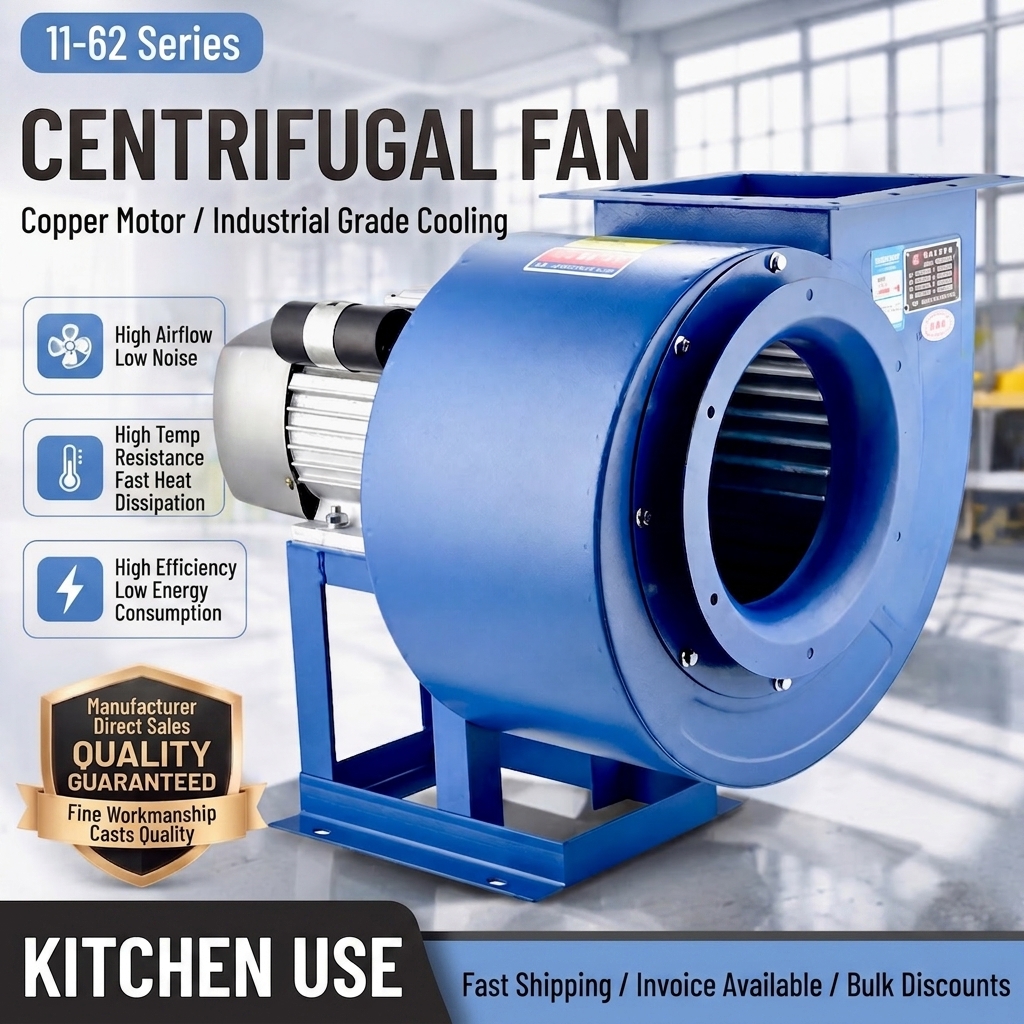
The 11-62 and CF-11 choices are multi-wing centrifugal fans for ducted uses. Their published records list maximum airflow up to 20,000 m³/h and maximum static pressure up to 1,000 Pa for the listed ranges. Those values are limits. They do not prove that a model will meet a given installed duty. Use the fan curve and the system calculation to select a cooktop exhaust fan.

Match the Fan to the Space

Space can affect the cooktop exhaust fan form and the service plan. A centrifugal fan may fit a duct system where pressure is important. A cabinet-style fan may help where ceiling or wall space is tight. Keep room for checks, cleaning, motor work, and safe duct links. The project design should also cover the mounting base, vibration parts, flexible links, and weather cover when needed.

The Cabinet Smoke Exhaust Fan record lists a cabinet style, an IP65 motor rating, high-temperature coils, high-temperature ball bearings, direct drive, and a maximum static pressure of 1,000 Pa. These facts may matter for a kitchen job. But a smoke-control system has its own design and code needs. Do not use a product name alone as proof that a cooktop exhaust fan meets a regulated duty.

Plan for Noise, Heat, and Cleaning

Check cooktop exhaust fan noise in the full system, not only at the fan. The duct route, mounting, speed, building frame, and nearby rooms can change the result. The 11-62 record lists a 65 dB noise value. The CF-11 record lists low-noise design features. Ask which setup the published data covers. A quiet site may still need sound treatment or a changed duct plan.

Kitchen air can be hot, wet, and greasy. The cooktop exhaust fan may sit in a very different place from the hood. Give the air conditions, cleaning exposure, and duty cycle when asking for a cooktop exhaust fan. Plan access to clean the hood, duct, and related parts. Build-up can raise resistance and lower the airflow over time.

Send Clear Details for a Fan Review

Send the location, job type, hood or cooking details, target airflow, static pressure, duct drawing, voltage, frequency, mounting choice, and any noise or space limit. If the pressure calculation is not ready, send sizes and a sketch instead of guessing at a fan. ZICHENG states that its team supports airflow and static-pressure sizing, model choice, and material and voltage advice before an order. This can show whether one of the listed products is a close fit or whether the cooktop exhaust fan needs a different setup. A complete cooktop exhaust fan request supports a clearer model review.

Cooktop Exhaust Fan FAQ

Questions for cooktop exhaust fan planning.

How do I size a cooktop exhaust fan?

Start with the hood and cooking need. Then calculate the resistance from the duct route and its parts. Airflow and static pressure both matter. Send hood details, a duct drawing, lengths, elbows, filters, dampers, outlet details, voltage, and site conditions to the project engineer or supplier. A high maximum airflow figure does not show how one model will work after it is installed. Confirm the duty point with fan performance data before you buy a cooktop exhaust fan.
Airflow may fall because a real duct system adds resistance. Long runs, narrow ducts, elbows, filters, dampers, grease build-up, and a tight outlet can all change the duty point. This does not always mean the cooktop exhaust fan has failed. Compare the installed duct route with the first calculation. Check for blockage or changed parts. Then review the fan curve at the right static pressure. Fixing the duct issue can be better than choosing a larger cooktop exhaust fan.
A centrifugal fan can be a good cooktop exhaust fan option when its curve, motor setup, materials, and location match the job. The available CF-11 and 11-62 records describe multi-wing centrifugal fans for kitchen exhaust and ventilation. Fit still depends on airflow, static pressure, space, service access, power supply, and project needs. Ask for a model check rather than choosing a cooktop exhaust fan only from its name or maximum rating.
Send the job type, hood or cooking details, operating hours, target airflow, static pressure, duct layout, voltage, frequency, fan location, and any limit on noise or space. Add photos or a drawing for a replacement job when you can. If the system has a regulated smoke-control role, say so at the start and provide the project specification. Clear details help the supplier discuss a suitable cooktop exhaust fan setup and reduce poor product comparisons.

Related article

How to eliminate fan blower vibration during ventilation duct installation work?

24

Oct

How to eliminate fan blower vibration during ventilation duct installation work?

Identifying Root Causes of Fan Blower VibrationMechanical Imbalance and Bearing Degradation in Fan BlowersMechanical imbalance—often caused by dirt, ice, moisture, or blade damage—alters mass distribution in the rotating assembly, generating a domina...
View More
What certifications should a qualified centrifugal blower manufacturer provide?

28

Oct

What certifications should a qualified centrifugal blower manufacturer provide?

ISO 9001: The Foundational Quality Assurance for Every Centrifugal Blower Manufacturer How ISO 9001 Certification Ensures Consistent Design, Manufacturing, and After-Sales Support ISO 9001:2015 does not certify product performance—it validate...
View More
How to Choose a Reliable Centrifugal Fan Manufacturer in China (2026 Buyer's Guide)

14

Sep

How to Choose a Reliable Centrifugal Fan Manufacturer in China (2026 Buyer's Guide)

A practical 2026 buyer's guide to choosing a trustworthy centrifugal fan manufacturer: certifications, quality control, SS304 materials, OEM support, MOQ and delivery.
View More
Industrial Ventilation Fan Selection Guide: Axial vs Centrifugal vs Mixed Flow

14

Sep

Industrial Ventilation Fan Selection Guide: Axial vs Centrifugal vs Mixed Flow

Compare axial, centrifugal and mixed flow industrial ventilation fans by pressure, airflow and noise, and learn how to buy direct from a factory.
View More

Get a Free Quote

Our representative will contact you soon.
Email
Mobile/WhatsApp
Name
Company Name
Message
0/1000