Start With the Hood and Cooking Line
Choose a commercial vent hood fan from the hood and cooking line, not from a product name. Record the hood type, size, appliance layout, and cooking load. Note heat, steam, and grease vapour. A busy restaurant line may need a different setup from a hotel prep kitchen or a small canteen.
Ask for the hood supplier's airflow value or the project design value. The goal is to catch air at the commercial vent hood and move it through the duct to the discharge point. Review make-up air, interlocks, fire systems, and grease-control parts with the exhaust plan. They can change how a commercial vent hood system works.
Use Airflow and Static Pressure Together
Do not choose a commercial vent hood fan by maximum airflow alone. The fan must give the needed airflow at the pressure caused by the duct system. List the duct size, run length, elbows, transitions, filters, dampers, and roof or wall discharge parts. Each part can add loss.
- Include planned duct changes when you estimate loss.
- Allow for filter loading and grease-control parts during use.
- Check power supply, mounting space, and safe service access before you choose a model.
- Review the fan curve at the duty point, not only its free-air figure.
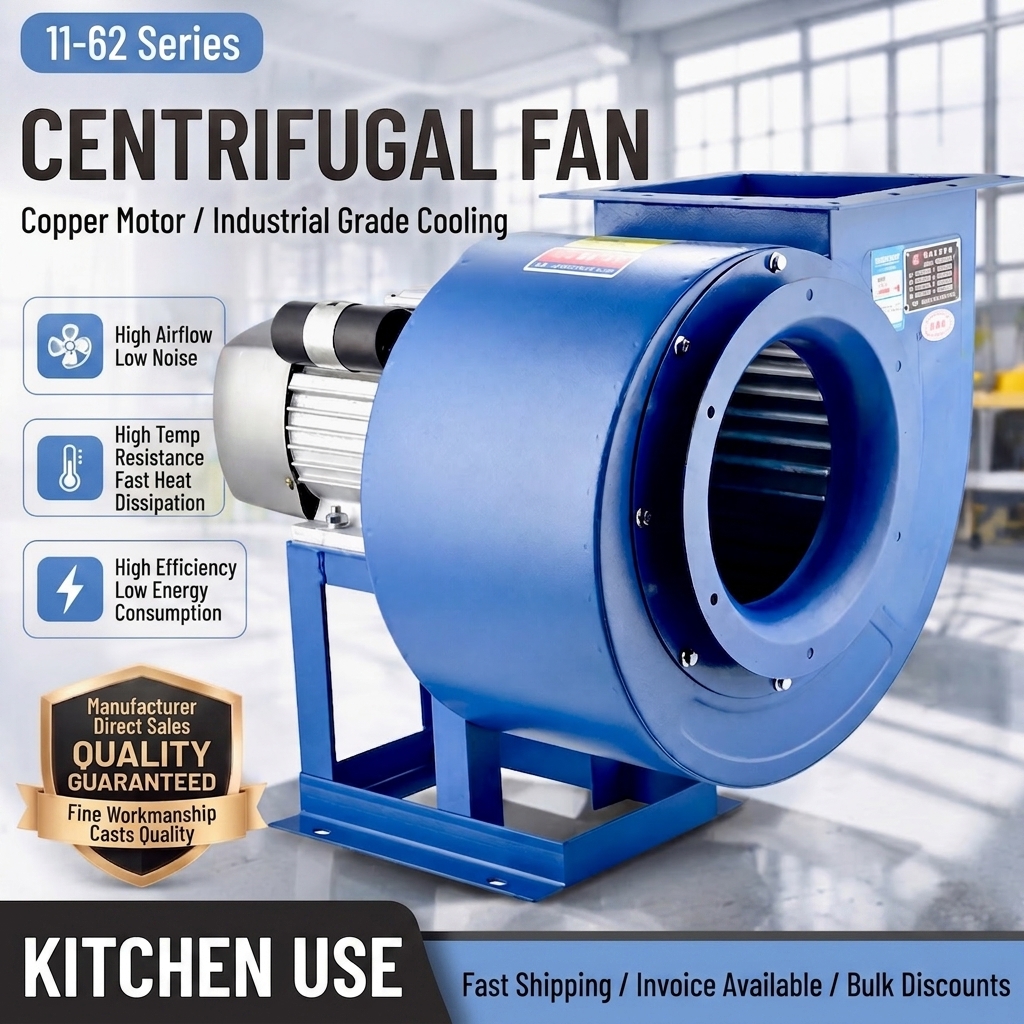
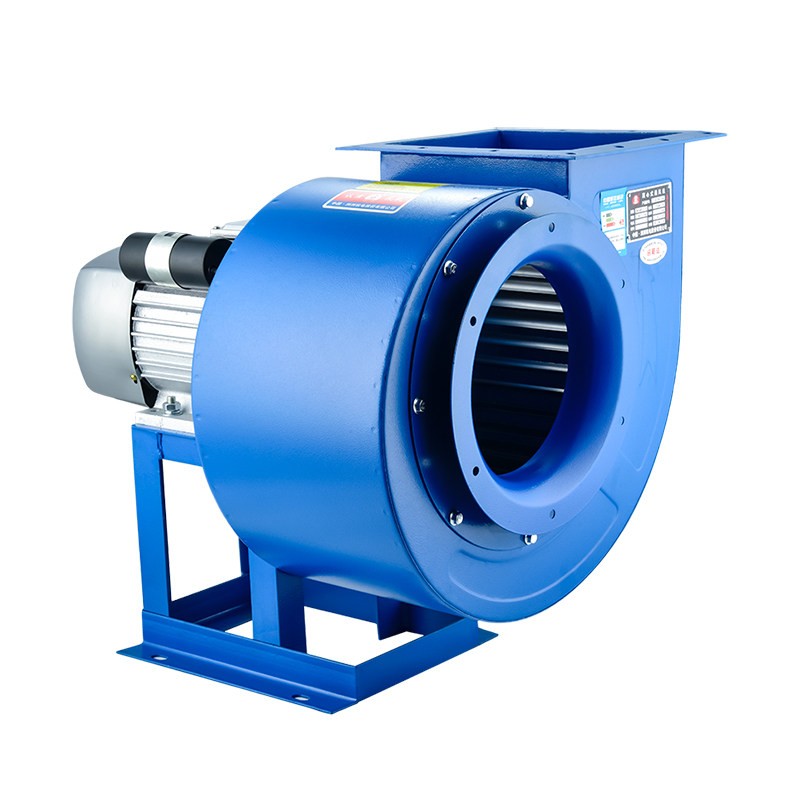
Long runs and many bends need a close check of static pressure. The selected catalog includes the 11-62 and CF-11 multi-wing centrifugal fans for kitchen-use work. Their maximum figures are reference points. They do not promise installed performance. A commercial vent hood fan works at the point set by its curve and the real system loss.
Compare the Listed Fan Types
The 11-62 and CF-11 are published low-noise, multi-wing centrifugal fan options for kitchen exhaust. The CF-11 record also lists a flange for ducted use. These details make them options to review when a commercial vent hood uses a ducted centrifugal fan.
The PCF cabinet smoke exhaust fan is a different type. Its record lists a cabinet-style unit for kitchen use with an IP65 motor, high-temperature coils, and bearings. Smoke-control duty, emergency use, and fire rules need project review. Do not use a general commercial vent hood exhaust choice as a smoke-control design without approval from the responsible designer.
Plan for Noise, Heat, and Service
A commercial vent hood fan may sit near dining areas, roof spaces, or ceilings. Check noise data under like test terms. The 11-62 product lists a noise figure. The CF-11 record describes a silencer-cotton-lined case and a balanced impeller. These are product facts. They do not predict sound at a site.
Also check motor heat, grease, cleaning, and vibration mounts. Make sure staff can reach belts, access doors, power isolation, and duct links. A sound service plan helps safe cleaning and checks of the commercial vent hood system.
Prepare a Clear Quote Request
Send target airflow, required static pressure if known, hood size, appliance details, duct route, voltage, frequency, install point, and run hours. State any limit on noise, heat, corrosion, space, or smoke-control duty. Photos and drawings can show bends, changes, and discharge points.
ZICHENG's published site information says its team supports airflow and static-pressure sizing, model choice, and material and voltage advice. Use that talk to compare listed options with the planned commercial vent hood duty point. Confirm the final commercial vent hood setup against complete site conditions and project requirements.

 EN