Name the Need First
A ventless bathroom exhaust fan can mean several things. A buyer may want to cut odors. A buyer may have no duct route. A buyer may want less steam after a shower. These needs are not the same. A ventless bathroom exhaust fan with a filter may suit a limited odor task. It should not be assumed to remove wet air. A ventless bathroom exhaust fan does not make humidity leave a room unless the system has a suitable path for that air.
Start with the main problem. Look for wet walls, fogged mirrors, musty smells, or a local odor issue. Then set the goal. The goal may be odor control. The goal may be moisture control. The goal may be both. A ventless bathroom exhaust fan request needs this clear goal before a product is selected. A ventless bathroom exhaust fan review should also identify how often the room is used.
Check the Room and Air Path
Measure the room. Note its length, width, and ceiling height. Check the door gap. Check windows and nearby openings. These points affect how air enters the room. A ventless bathroom exhaust fan cannot work as planned if there is no path for replacement air. A ventless bathroom exhaust fan plan should show where air enters and where it leaves.
If a duct route is possible, map it in simple steps. Note the duct size. Note its length. Count the bends. List any grille, damper, or filter. Each part can slow air. A ventless bathroom exhaust fan search should not ignore these parts. A free-air rating is not the same as airflow after a long route. A ventless bathroom exhaust fan inquiry should include the full route.
- Write down the source of steam, such as a shower, bath, or laundry area.
- State whether the room has a practical route to the outside.
- List the available power supply and mounting limits.
- Ask a local qualified installer about the rules that apply at the site.
Match the Fan to the Job
Short, open paths may suit one fan type. Longer paths may need more pressure. The right ventless bathroom exhaust fan decision starts with the system, not with the largest number on a label. Long ducts and filters can change the result. A ventless bathroom exhaust fan for odor treatment also needs a plan for filter service. A loaded filter can slow air. A ventless bathroom exhaust fan should be evaluated after the real air path is known.
Do not treat odor and humidity as the same task. A ventless bathroom exhaust fan may help at a local odor point when its filter system is right for that use. Moisture needs a different review. Wet air must be moved away or managed by a design that fits the building. For frequent shower use, ask a qualified local professional about a safe and code-appropriate solution. A ventless bathroom exhaust fan does not remove the need for that site review.
Review the Listed Products With Care
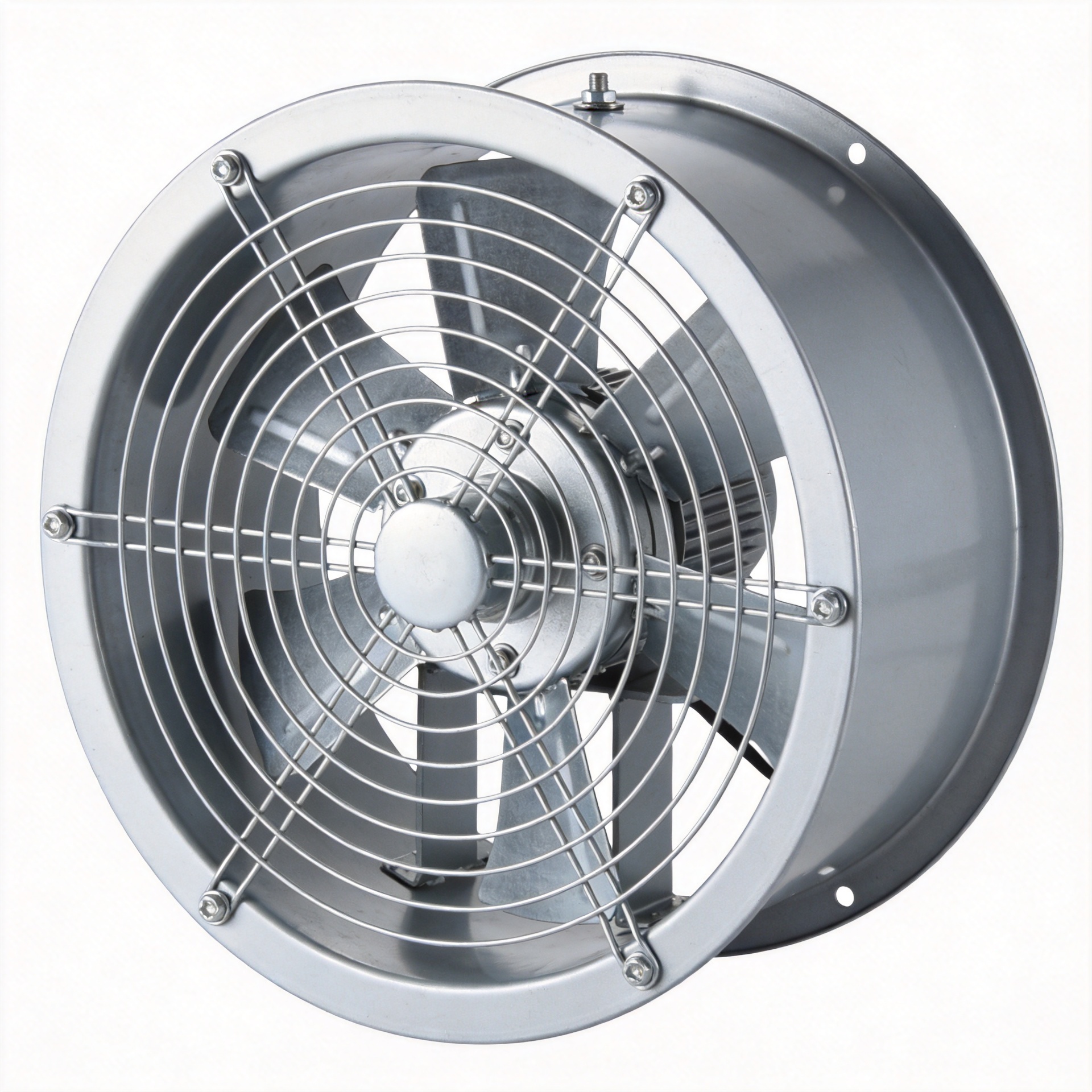
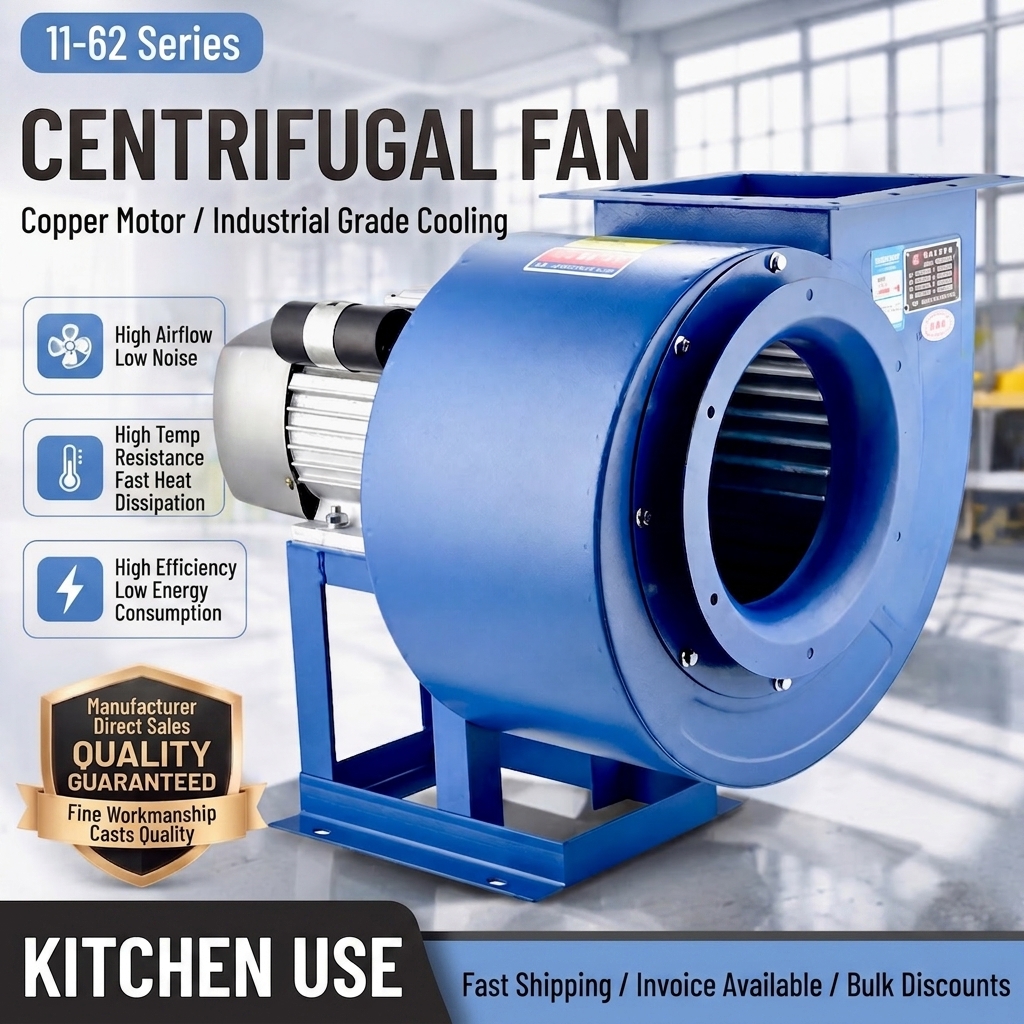
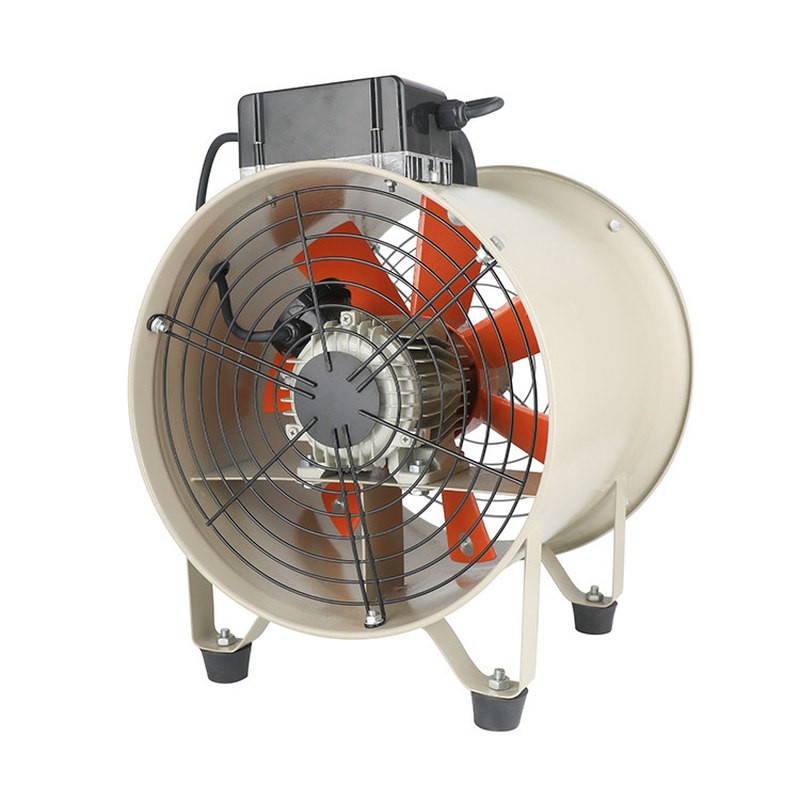
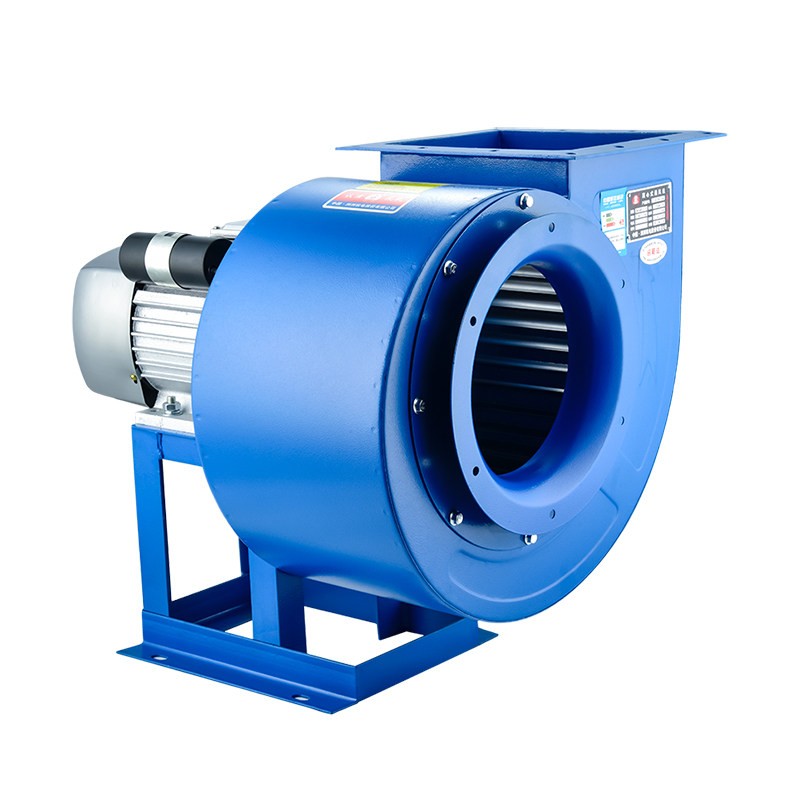
The products on this page are not direct bathroom fan models. The 304 Stainless Steel Axial Fan is listed for drying rooms. The Aluminum Blade Axial Fan is listed for tobacco curing. The Portable Axial Flow Fan is listed for confined spaces. They show the current industrial catalog range. They do not prove fit for a ventless bathroom exhaust fan project.
That boundary is important. Fan capacity, mount type, sound level, voltage, and use case must be checked before a purchase decision. A ventless bathroom exhaust fan for a small indoor room may have needs that differ from an industrial axial fan. Use the product list as a starting point for category discussion, not as a direct product match. A ventless bathroom exhaust fan request should state this boundary clearly.
Send a Clear Inquiry
A useful inquiry makes a ventless bathroom exhaust fan review faster. Send the room size. Say how often the room is used. State the main goal. Add the planned mount point and power supply. If there is a duct route, give the size, length, bends, grille, damper, and filter details. A ventless bathroom exhaust fan inquiry should also state whether the need is odor control, moisture control, or both.
ZICHENG can discuss fan categories for the stated application. Share the real air path and operating conditions. This supports a more useful engineering discussion. Final selection must be checked against the actual site and the applicable local requirements. A ventless bathroom exhaust fan is best reviewed with complete installation facts.

 EN