Start With the Duty Point
A high speed exhaust fan needs a clear job description. For a high speed exhaust fan, first state the airflow you need. Then state the pressure that the system needs. Add the air temperature, dust level, vapor type, voltage, and run time. These facts help define the high speed exhaust fan duty. They also help a supplier compare suitable models.
Do not use free-air airflow as the only guide. A high speed exhaust fan can move less air after it is linked to a real duct system. Duct length, bends, hoods, filters, grilles, and discharge points all add loss. Send a duct sketch with sizes and parts. This gives a better starting point for a high speed exhaust fan review and fan-curve comparison.
Check Static Pressure First
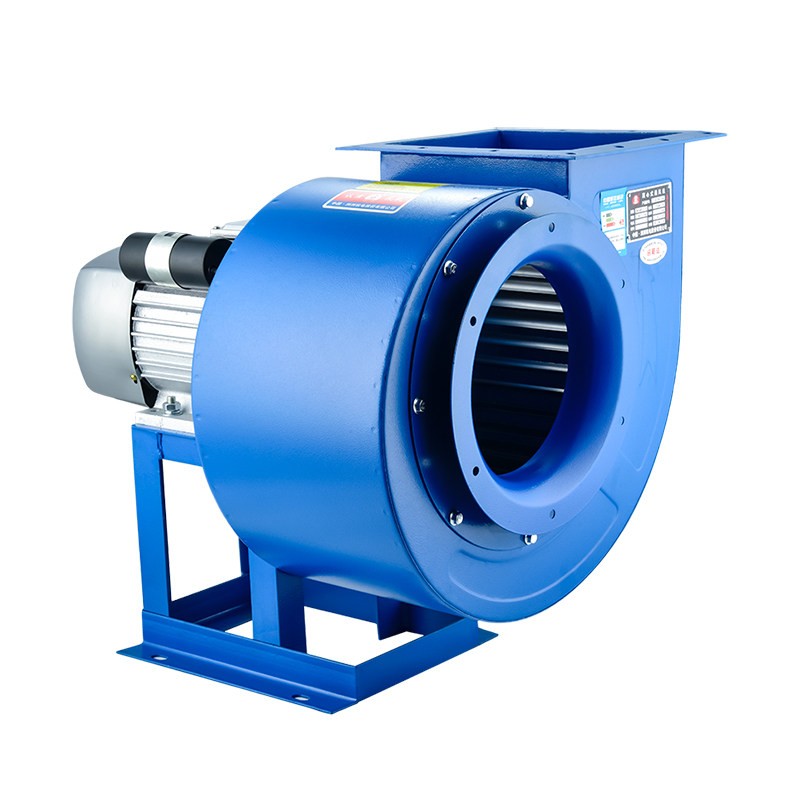
Many exhaust issues come from a poor match between fan pressure and system loss. This is not always a fan defect. A high speed exhaust fan for a long duct run may need more pressure than one for an open outlet. Centrifugal fan designs are often used when a high speed exhaust fan serves a ducted system with material resistance.
The listed 4-72A products state a maximum static pressure of 2,500 Pa. The listed 9-19 and 9-26 products state a maximum of 9,200 Pa. These are product limits. They are not a final fan selection. A high speed exhaust fan still needs a review against the system curve and the applicable fan curve.
- For a short outlet, check if a high speed exhaust fan needs a high-pressure design at all.
- For long ducts, list each bend, fitting, and change in duct size.
- For filters, include their resistance in both clean and working conditions.
- For a retrofit, measure the old connections before you choose a high speed exhaust fan.
Know the Air Stream
The air stream is part of the selection. The published 4-72A records list a maximum gas temperature of 80°C. They also list a particulate limit of 150 mg/m³. These are stated product boundaries. Check the actual air stream before you select a high speed exhaust fan for the stated duty.
The stainless 4-72A record names a 304 stainless-steel housing. The carbon-steel 4-72A is a different product. Material choice depends on the site. Tell the supplier about moisture, vapors, dust, and possible corrosive content. A general exhaust label is not enough for this check.
Review the Installation Site
Look at where the motor and fan will operate. A hot roof space or a closed plant room may have a higher local temperature than expected. Record the peak condition. Also provide the fan position, inlet and outlet direction, access space, and support method. These details can affect the high speed exhaust fan arrangement, connection, and service access.
If the site has hazardous dust, flammable material, or unknown vapor, state that before a model is considered. Do not assume that a general catalog fan is right for that environment. The product record and the site conditions both need review.
Compare the Published Options
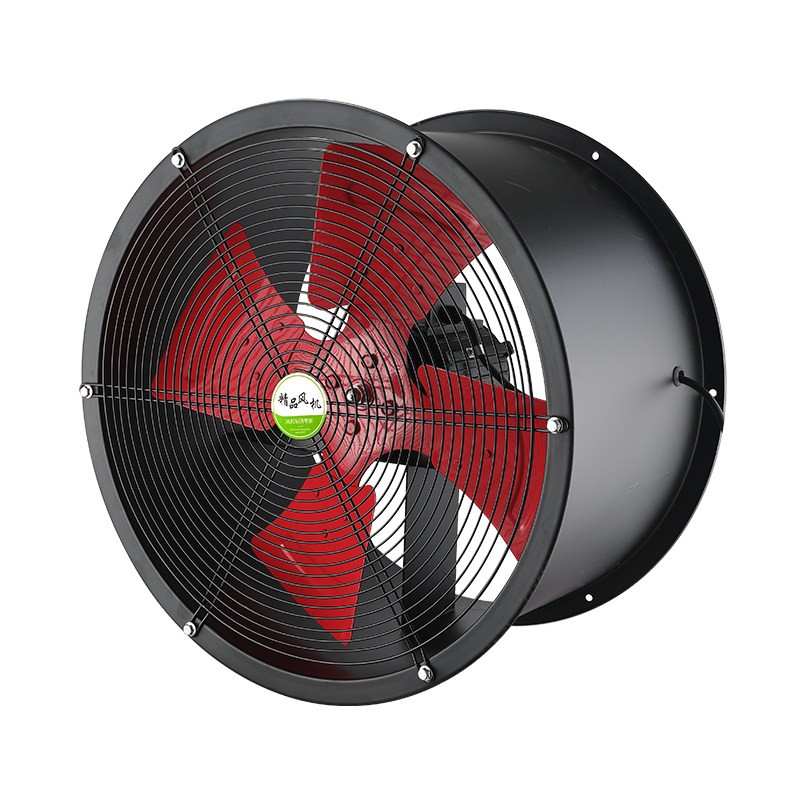
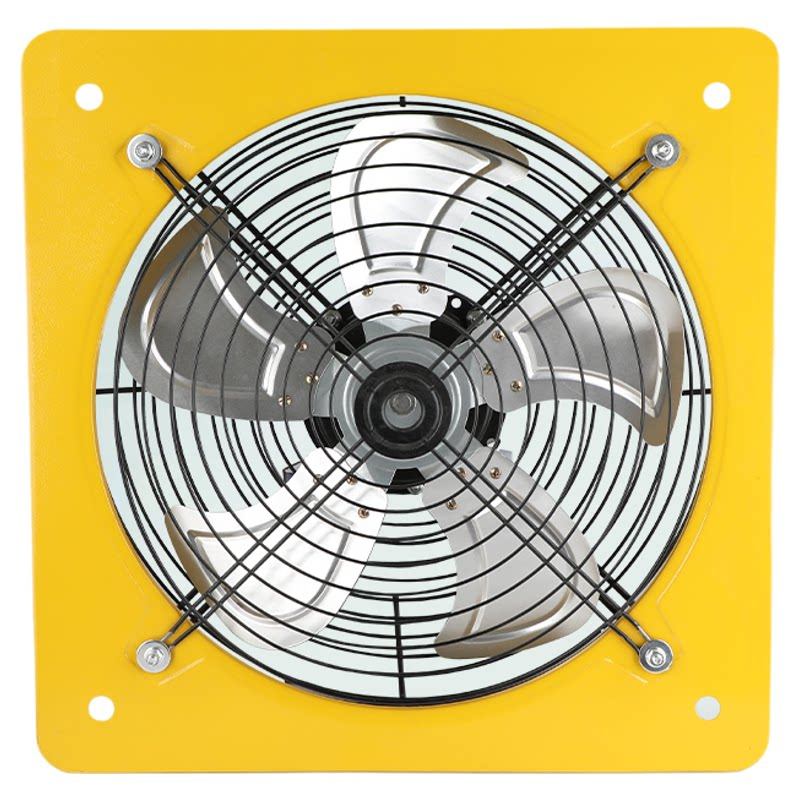
The four products on this page are the closest published centrifugal fan options for a high speed exhaust fan project in the current catalog. They are not claimed to be exact matches for every high speed exhaust fan project. The 4-72A range may be a starting point for general industrial exhaust within its stated conditions. The 9-19 and 9-26 records describe high-pressure options for duties with more system resistance.
Compare flow, pressure, motor power, material, connection layout, and voltage together. A high speed exhaust fan is a system component. For a high speed exhaust fan, the best option fits the real duty point, not just the one with the highest stated number.
Send a Clear Inquiry
For a high speed exhaust fan discussion, send airflow, static pressure, or duct details. Include temperature, dust or vapor information, voltage, photos, and a drawing if possible. State if the fan is for suction, discharge, replacement, or a new installation. Zicheng can compare high speed exhaust fan facts with its axial and centrifugal product range before a configuration is chosen.

 EN