AC Exhaust Fan Options for Industrial Ventilation

Get a Free Quote

Our representative will contact you soon.
Email
Mobile/WhatsApp
Name
Company Name
Message
0/1000
AC Exhaust Fan Choices for Industrial Air Systems

AC Exhaust Fan Choices for Industrial Air Systems

An ac exhaust fan removes heat, damp air, fumes, or used air from a work space. This page helps industrial buyers compare an ac exhaust fan for drying rooms, kitchens, work bays, and general air removal. Start with airflow needs. Then check the air path, power supply, heat near the motor, and the materials in the air. An axial ac exhaust fan can fit a short, open path. A centrifugal ac exhaust fan may fit a duct run with more drag. Taizhou Zicheng Electromechanical Co., Ltd. makes axial fans, centrifugal fans, kitchen exhaust fans, and aeration blowers. Send the duty point and site details to discuss an ac exhaust fan and ask for a quote.
Get A Quote

Manufacturer Context for Fan Projects

Relevant supplier details for a technical or commercial review.

Direct Factory Production

Taizhou Zicheng Electromechanical Co., Ltd. is a maker, not a trading firm. Direct factory work gives buyers a clear way to discuss an ac exhaust fan, its setup, and quality control at the source.

Multi-Type Fan Portfolio

The range has standard and handheld axial fans, CF-11 and 11-62 centrifugal fans, plus PCF smoke exhaust fans. This gives projects with more than one fan need a single supplier to discuss.

Related products

Check Duct Resistance First

Check Duct Resistance First

Choose an ac exhaust fan for the system it will serve, not just for an open-air flow figure. Long ducts, elbows, hoods, filters, and outlets add drag. For a ducted ac exhaust fan, compare required airflow and static pressure at the work point. A centrifugal type may suit that case better than an axial type.

Set the Exhaust Job First

An ac exhaust fan works as one part of an air system. The job tells you what type to review. First, name what must leave the space. It may be warm air, damp air, cooking vapour, dust, or used process air. Then note the room size, work hours, air inlets, and discharge point. These facts turn a broad ac exhaust fan request into a clear duty point.

Do not assume that an old unit was the right size. Weak exhaust may come from a small duct, a blocked grille, a loaded filter, or a poor outlet path. It may also mean the ac exhaust fan does not have enough pressure for the duct. Check these points before you pick a larger motor. An ac exhaust fan review should include both the fan and the path around it.

Match the Fan to the Air Path

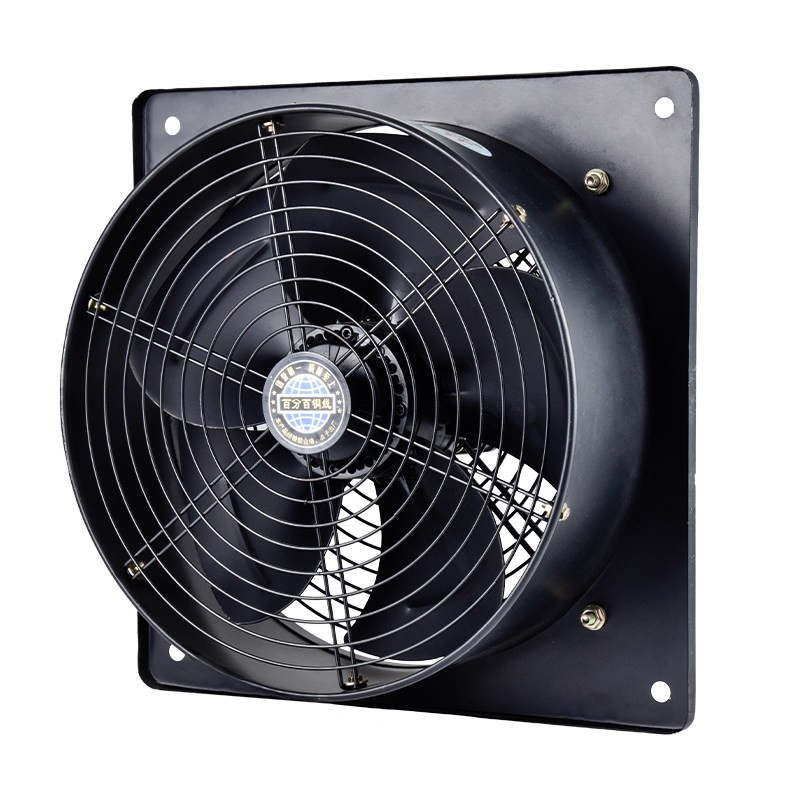
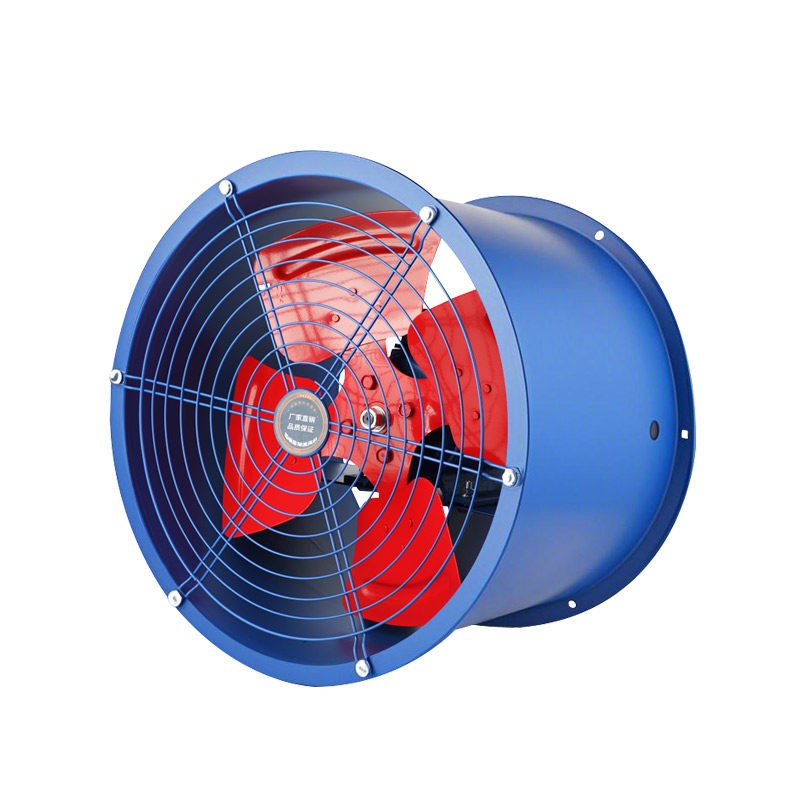
An axial ac exhaust fan moves air along its shaft. It can be a good fit where the path is short and open. The product list on this page has a stainless steel axial fan for drying rooms and an aluminum blade axial fan for tobacco curing. Each product has its own stated use. Use the site need, not the product name alone, to make the final choice.

  • Set the airflow need for the ac exhaust fan before you compare models.
  • Check if the air path is open or has ducts, bends, filters, dampers, or a hood.
  • Confirm the voltage at the ac exhaust fan location before you choose a unit.
  • Note heat, damp, dust, or corrosive air near the ac exhaust fan and motor.

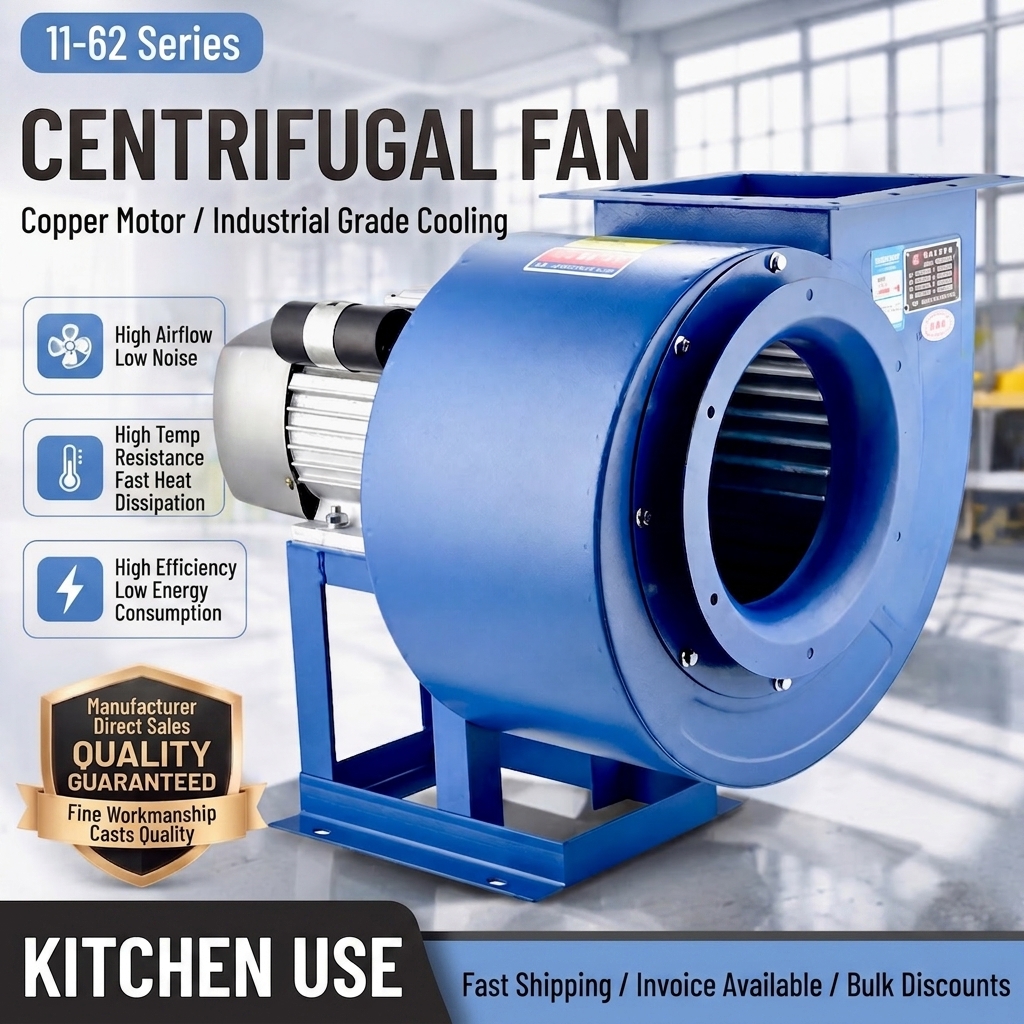
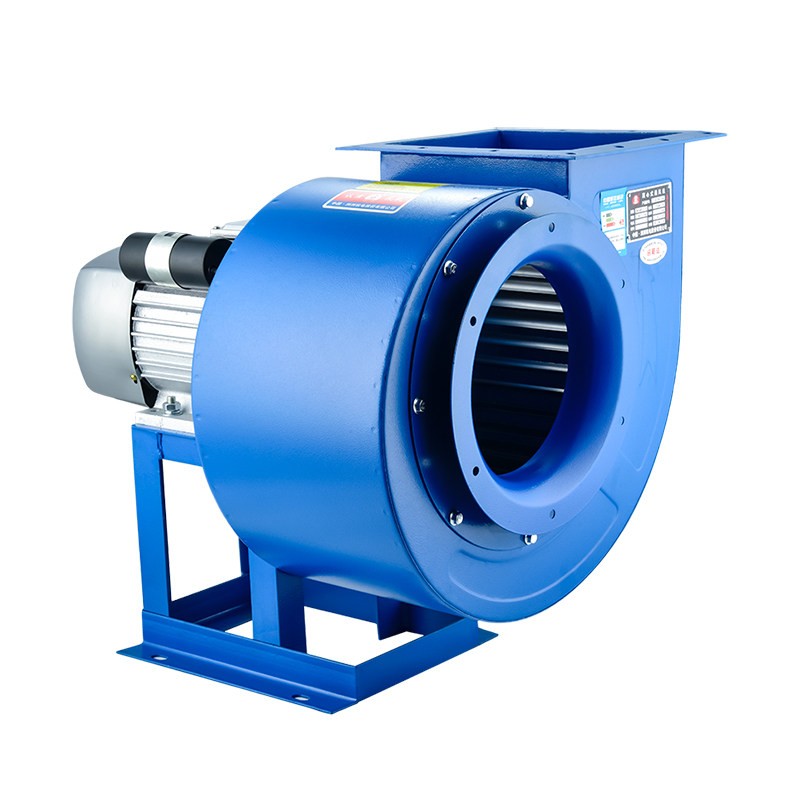
A centrifugal ac exhaust fan sends air through an impeller and a housing. It can be worth a look when a long duct or a hood adds drag. The published 11-62 fan is an option for this type of review. Its product record lists a multi-wing impeller and a maximum static pressure of 1,000 Pa. Those values do not replace a system check. They show why an ac exhaust fan needs both pressure and volume review.

Check What Lowers Real Airflow

Rated flow is not always the flow at the end of the system. Duct size, length, bends, filters, dampers, and outlets can change the result. Ask for a simple duct sketch before you order an ac exhaust fan. Include each part that the air must pass through. That record helps a supplier discuss an ac exhaust fan with less guesswork. It also helps show if the ac exhaust fan will face more drag than expected.

Heat and damp can also change the choice. The 304 stainless steel axial fan record names drying-room use and states operation up to 200°C. This is product data for that item only. It is not a claim for every ac exhaust fan. Measure the heat where the motor will sit. Do this at the busy part of the process, not only when the site is cool.

Keep Fixed and Portable Uses Apart

A fixed ac exhaust fan is normally part of a building or process system. A portable ac exhaust fan has a different job. It moves air at a work point when fixed duct work is not in place. The selected portable axial flow fan is listed for confined spaces. Its product record gives an airflow range of 3,000 to 10,000 m³/h. The record also says it can link to telescopic air ducts.

A portable ac exhaust fan does not take the place of a designed fixed system in all sites. For confined-space work, site safety rules and the air hazard set the rules. Give the work volume, duct length, air source, and discharge area before you pick equipment. Review how the portable ac exhaust fan and its duct will be placed before work starts.

Send Clear Details for a Quote

A clear request helps with an ac exhaust fan review. State the use, airflow need if known, duct sketch, voltage, fan position, site heat, and any noise limit. If the ac exhaust fan will serve a hood or a machine, describe its connection and work hours. Taizhou Zicheng Electromechanical Co., Ltd. can review these facts and discuss available axial or centrifugal options.

AC Exhaust Fan Buying Questions

Common questions for an exhaust fan review.

How do I size an ac exhaust fan for a site?

Start with the air that must be removed and the size of the work space. State the airflow need if it is known. For an ac exhaust fan with ducts, show the duct size, length, bends, filters, hoods, dampers, and outlet. Each item can add drag. Also share the voltage, heat, and damp at the site. A supplier can then discuss an ac exhaust fan from the available range. The final duty point should match the real project and its air path. Use the same site data when you compare each ac exhaust fan option.
Review a centrifugal fan when the ac exhaust fan system has ducts, bends, filters, hoods, or other parts that add drag. It is not the best type in every case. Compare airflow and static pressure at the planned work point. Then check the data for each ac exhaust fan model. The published 11-62 fan is one comparison option. Its fit will depend on the system, power supply, site conditions, and project needs. A ducted ac exhaust fan needs a system check before the final choice.
An axial ac exhaust fan can work with some duct runs, but the whole path needs review. A short, straight duct is not the same as a long run with bends, a hood, or a filter. The axial product records here cover drying, curing, and portable work. Do not treat those uses as proof for every ac exhaust fan system. Send a duct sketch and airflow target so the proposed model can be checked for the planned site. The supplier can then review the ac exhaust fan against the stated air path.
Send the use case, space size, airflow target if known, duct or site sketch, voltage, work heat, and any material or noise need. For a hood or process exhaust job, include the connection and work hours. For a portable ac exhaust fan, state the work area and duct setup. These facts help separate axial, centrifugal, fixed, and portable choices. They also support a more useful ac exhaust fan discussion without guesses about the site. State where the ac exhaust fan will discharge air.

Related article

How to eliminate fan blower vibration during ventilation duct installation work?

24

Oct

How to eliminate fan blower vibration during ventilation duct installation work?

Identifying Root Causes of Fan Blower VibrationMechanical Imbalance and Bearing Degradation in Fan BlowersMechanical imbalance—often caused by dirt, ice, moisture, or blade damage—alters mass distribution in the rotating assembly, generating a domina...
View More
6 inch extractor fan power and noise parameters need checking before ordering.

27

Oct

6 inch extractor fan power and noise parameters need checking before ordering.

Why Noise Performance Is Critical for 6 Inch Extractor Fan SelectionA quiet fan is not just a convenience—it determines whether users keep ventilation running. Because a 6 inch extractor fan often operates in bathrooms, kitchens, and laundry rooms, p...
View More
What certifications should a qualified centrifugal blower manufacturer provide?

28

Oct

What certifications should a qualified centrifugal blower manufacturer provide?

ISO 9001: The Foundational Quality Assurance for Every Centrifugal Blower Manufacturer How ISO 9001 Certification Ensures Consistent Design, Manufacturing, and After-Sales Support ISO 9001:2015 does not certify product performance—it validate...
View More
How to Choose a Reliable Centrifugal Fan Manufacturer in China (2026 Buyer's Guide)

14

Sep

How to Choose a Reliable Centrifugal Fan Manufacturer in China (2026 Buyer's Guide)

A practical 2026 buyer's guide to choosing a trustworthy centrifugal fan manufacturer: certifications, quality control, SS304 materials, OEM support, MOQ and delivery.
View More

Get a Free Quote

Our representative will contact you soon.
Email
Mobile/WhatsApp
Name
Company Name
Message
0/1000