Start With the Real Duty
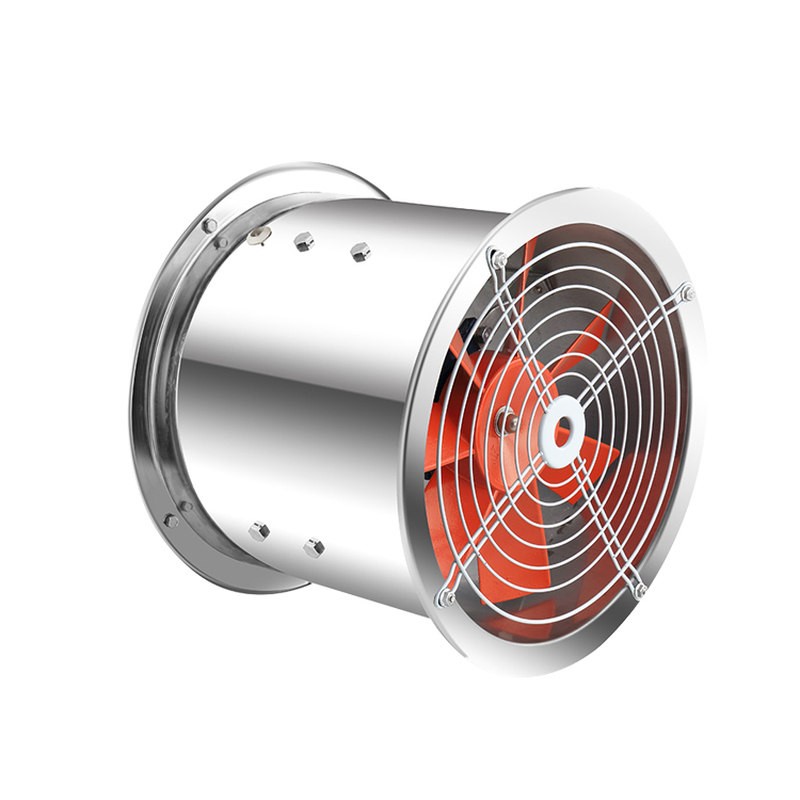
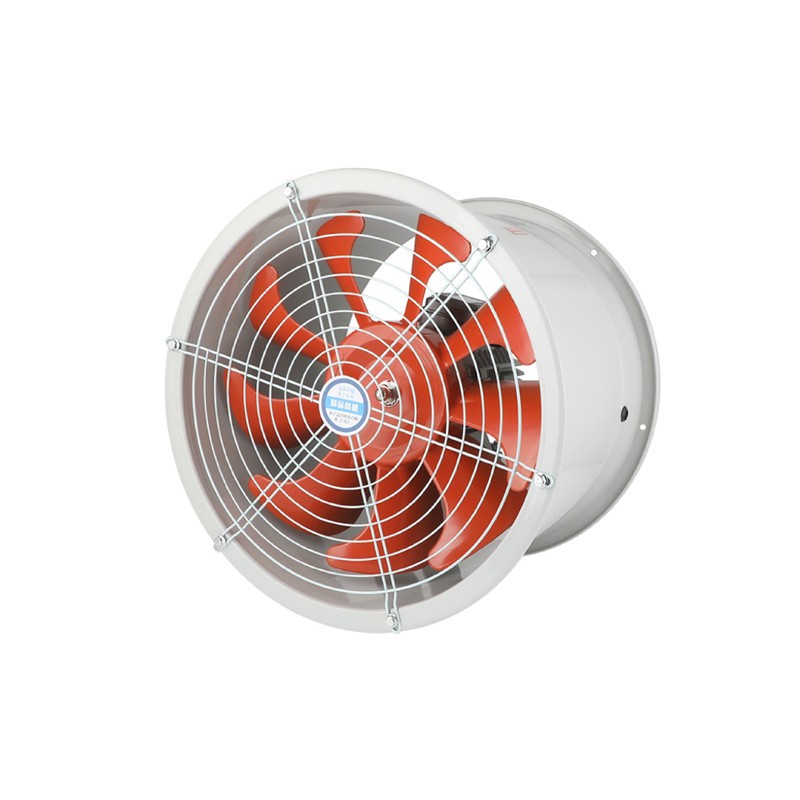
A kitchen wall extractor fan is one part of an exhaust system. Start at the cooking source. Note heat, steam, fumes, and odour. Then trace the air path to the outlet. A kitchen wall extractor fan may have a short route through an outside wall. It may also feed a longer duct. Both cases need clear planning.
For a new job, list the hood type and the place where air enters. For a retrofit, record the old fan, duct size, power supply, and wall space. A kitchen wall extractor fan that seems weak may have the wrong duty. It may also face a blocked or poor duct route. Check the whole system before you replace the unit.
Check Flow and Pressure Together
Flow is the air volume a kitchen wall extractor fan can move. Static pressure is its ability to push against resistance. You need both values for the same duty point. Long ducts add resistance. Small ducts add resistance. Bends, filters, dampers, louvers, and hoods add resistance too.
A kitchen wall extractor fan can lose useful flow if these items are not in the first plan. Do not use the free-air number as the only guide. Ask for the route length and duct size. Ask for each bend and fitting. This makes it easier to select a kitchen wall extractor fan for the installed system.
- Give the target airflow at the hood or capture point.
- Give the duct size and the route length.
- List bends, filters, dampers, and outlet parts.
- State the voltage, phase, frequency, and room conditions.
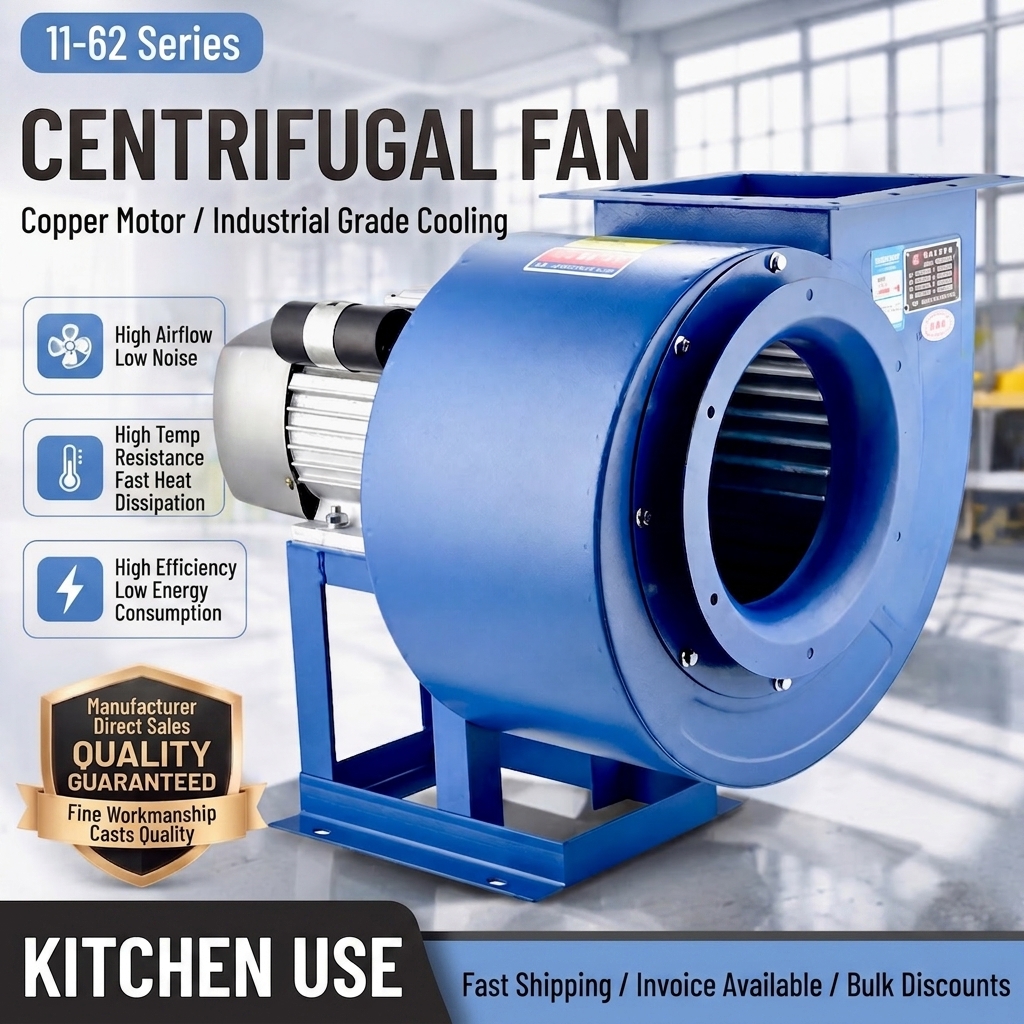
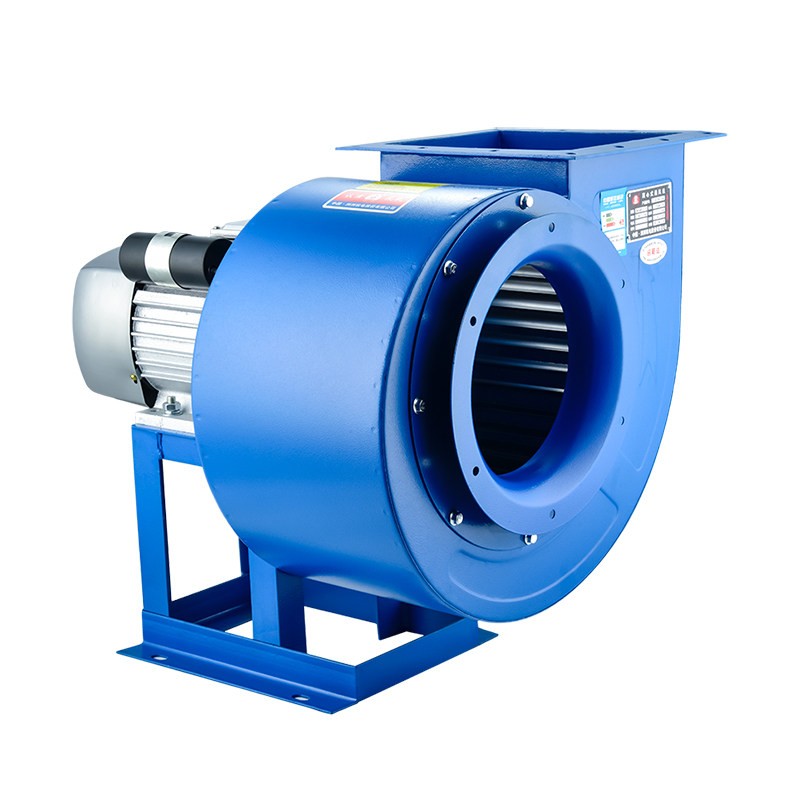
The CF-11 record lists up to 20,000 m³/h and up to 1,000 Pa. The 11-62 record also lists a multi-wing centrifugal form for kitchen use. These facts can help when a kitchen wall extractor fan needs to work with duct resistance. They do not replace a duty-point check. Match the proposed fan to the project data.
Fit the Fan to the Wall Space
A kitchen wall extractor fan needs enough room for the unit, duct joint, support, and service work. Check inlet and outlet direction. Check access for cleaning. Check if a flexible joint or vibration support is needed. The discharge point also needs a safe and planned location.
Some projects may suit a ducted centrifugal fan. Some may suit a cabinet form. The PCF record lists a cabinet form and an IP65 motor rating. It also lists high-temperature coils and bearings. These are stated product facts. A kitchen wall extractor fan for a code-defined smoke job must still be checked against local rules and the intended duty. General kitchen exhaust and smoke control are not the same task.
Plan for Noise and Site Conditions
Noise should be part of the early plan. A kitchen wall extractor fan near a dining room, hotel room, or work area needs a full system review. Fan speed, mounting, duct shape, and outlet parts can change the sound. A product label alone cannot predict the final site result.
Also note heat, moisture, grease, and cleaning. State the expected run time. If a kitchen wall extractor fan sits in a hot area, confirm the motor location and ambient condition. This simple step helps the supplier discuss a suitable setup. It also gives the site team clear facts.
Send Useful Selection Inputs
Send airflow, pressure, duct sketch, site photos, wall dimensions, power supply, and working medium. Add noise limits and service space if they apply. For a kitchen wall extractor fan replacement, show the old model and its connections. ZICHENG can discuss airflow and static-pressure sizing, model selection, material, and voltage before order. This lets procurement, engineering, and facility teams compare the closest available options on the same basis.

 EN