Define the Roof Fan Job
Initiate a roof fan plan by defining the work the system must perform. It may exhaust heat, remove stale air, move process air, or supply a duct line. Specify the required air volume at the point of use. Then identify the intake and discharge locations. The roof fan’s placement can influence duct routing, structural support requirements, weather protection, and service accessibility. Include these considerations in the project brief from the outset.
A roof fan is not selected based on its name alone. Verify whether the intended airflow can satisfy the actual load within the space. A free-air rating does not guarantee that the roof fan will deliver the same airflow once air passes through ducts and fittings. This is a fundamental check—but it helps avoid mismatched equipment.
Map the Air Path
The entire air path determines the total pressure loss for a roof fan. Enumerate the duct length, duct diameter, elbows, diameter transitions, dampers, filters, grilles, and outlet components. Each element contributes to pressure loss. A roof fan installed on a long, tortuous route may require a different pressure capability than one on a short, straight route—even if both target the same airflow.
- Drae la via ductus ventillatoris tecti et ostende eius magnitudines principales.
- Enumerate filtra et partes quae in usu resistentiam augere possunt.
- Indica utrum ventillator tecti aerem trahere, impellere, an utrumque officium praestare debeat.
- Utere data loci ubi possibile est, non solum schemate simplici.
Registri productorum ostendunt plures intervalles pressionis. Duo producta 4-72A indicant pressionem staticam maximam 2 500 Pa. Producta 9-19 et 9-26 indicant pressionem staticam maximam 9 200 Pa. Haec limita non eligunt ventillatorem tecti pro opere. Examinatio recta est curva ventillatoris ad fluxum aeris et pressionem necessarios.
Check the Air and Site
Antequam ventillator tecti eligitur, examina aerem quem movebit. Nota temperaturam maximam aeris ad introitum. Nota pulverem, aquam, umiditatem, et omnem gas qui fortasse corrosivus, viscosus, aut periculosus sit pro intervallo productorum declarato. Registri catalogi pro optionibus ventillatorum tecti posuerunt limites qui contra conditiones reales operis verificandi sunt.
A roof fan layout also needs a site review. Discuss the roof opening, cover, drainage, support, vibration path, and safe access for service. These points can change the final layout. If a rule on materials, safety, or performance applies, use the right standard category for the site and market only after it is confirmed.
Selige per punctum officii
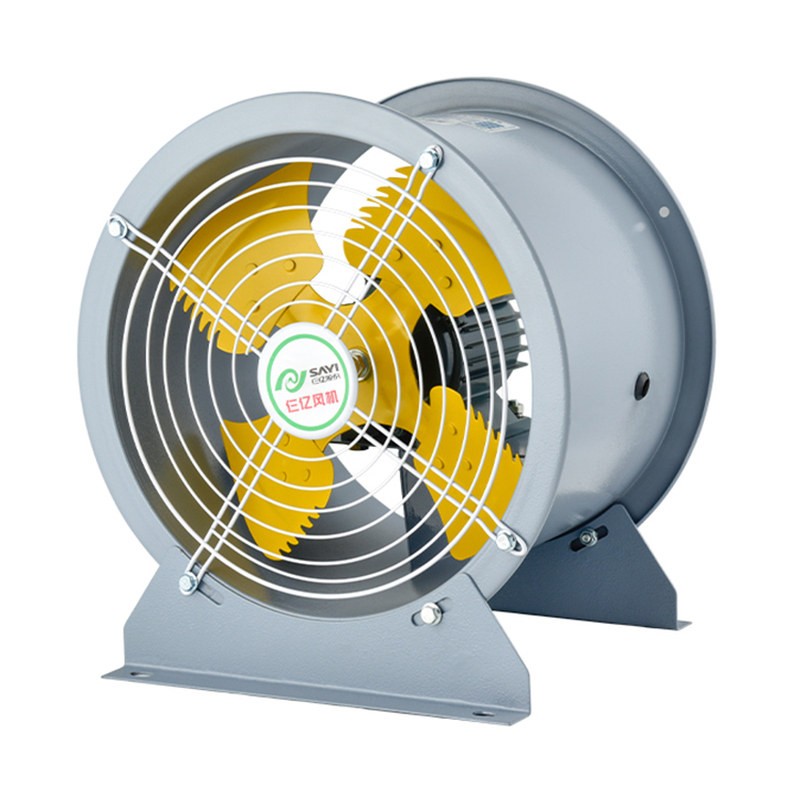
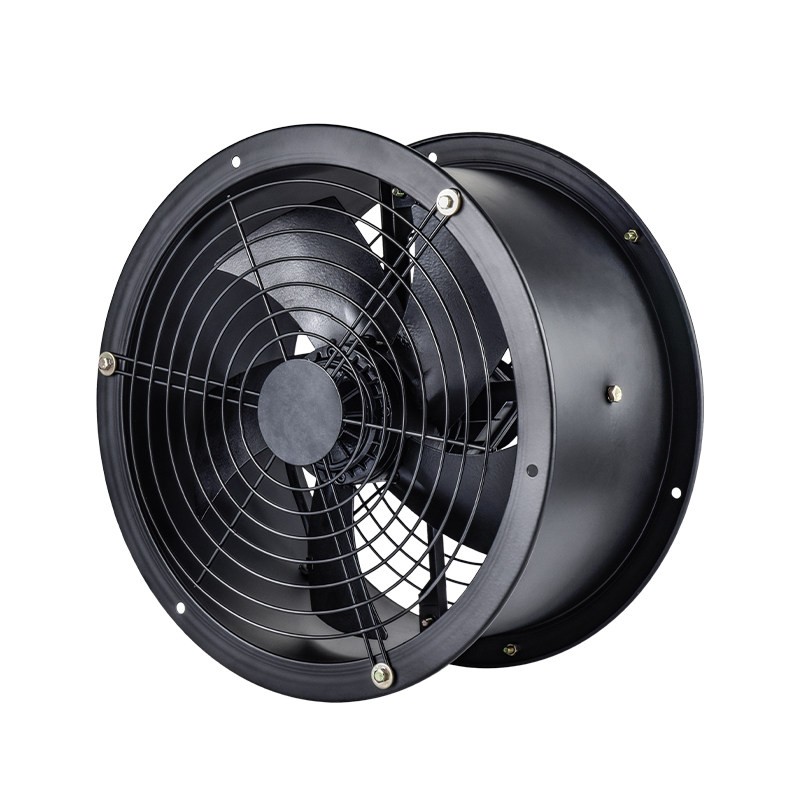
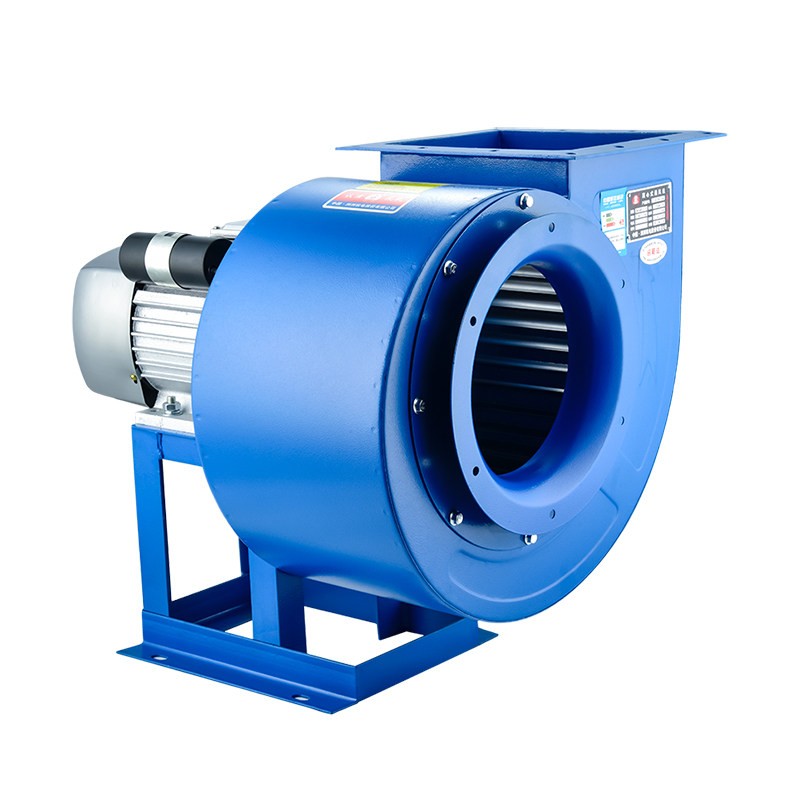
A roof fan idea does not always mean one fan form. Axial and centrifugal fans suit different air paths. A centrifugal roof fan option can be useful when ducts create high resistance. A lower-loss route may call for another choice. The products on this page are centrifugal products because they are the closest published options. That does not mean every roof fan job needs a centrifugal model.
| Ingressus proiectus |
Cur interest |
| Airflow needed |
It sets the volume the roof fan must move. |
| Pressio statica |
It shows the loss caused by ducts and parts. |
| Air conditions |
It checks if the roof fan product range fits the air. |
| Fons Potentiae |
It checks motor and site power fit. |
| Accessus ad locum |
It helps make roof fan service practical and safe. |
Mittite Data Projectus Utilia
Pro quaerendum ventilatorem tecti, mitte destinatum fluxum aeris, aestimationem pressionis, schemata ductuum, particularia aeris, fontem electricam, locum situs, et limites magnitudinis. Indica utrum ventilator tecti ad novum opus, ad mutationem, an ad substitutionem destinetur. Bona data permittunt discussionem concentrari in puncto officii. Si via est complexa aut perditae non sunt cognitae, aegrotus ingeniorum projectus examinet finalem dispositionem ventilatoris tecti antequam installatur.

 EN