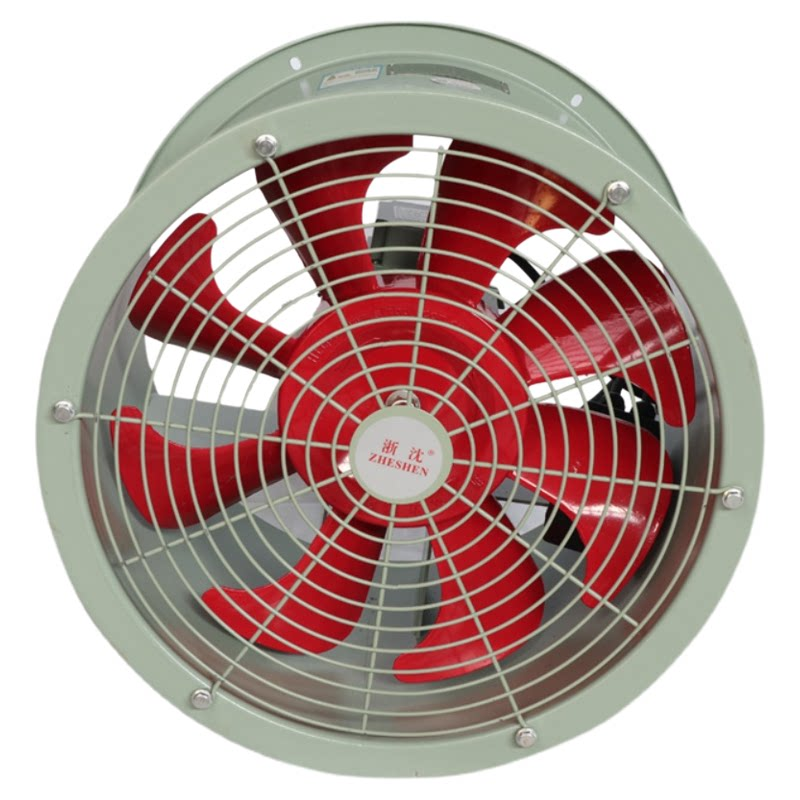
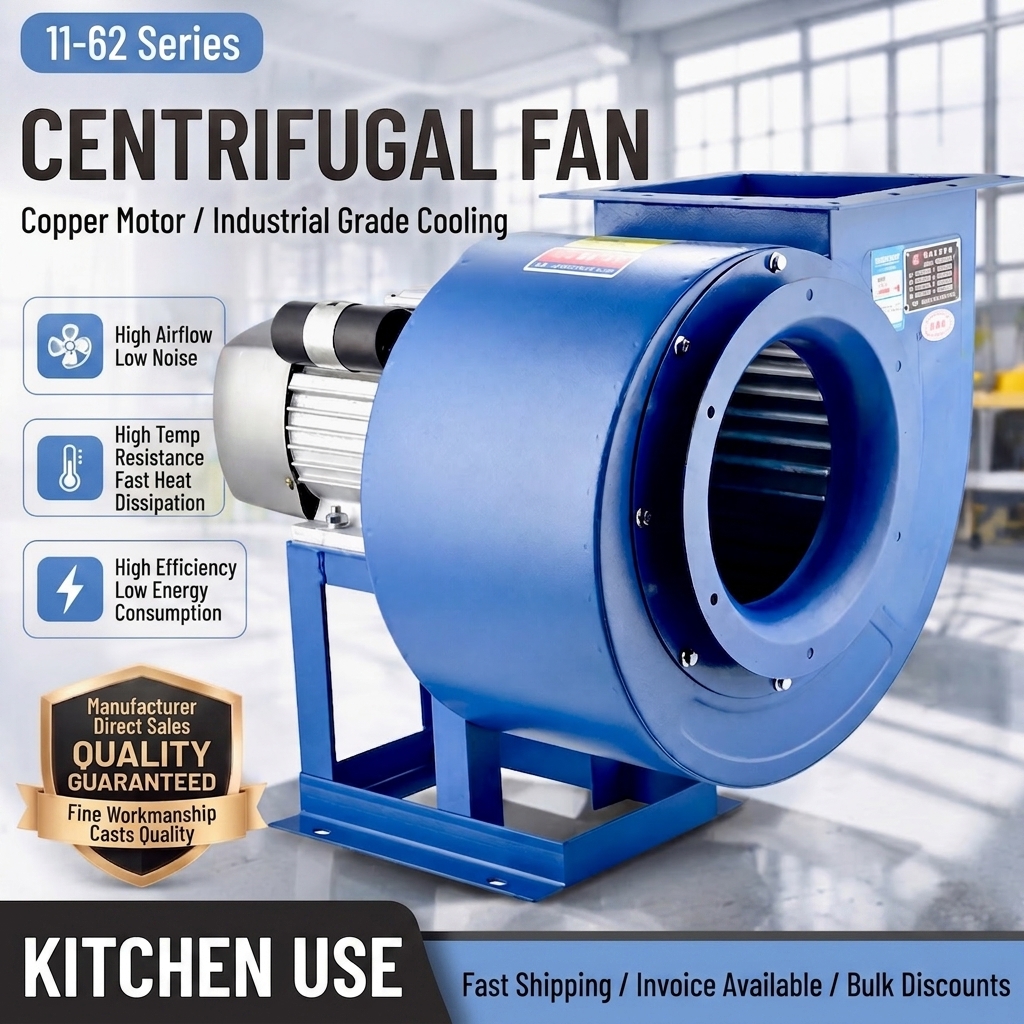
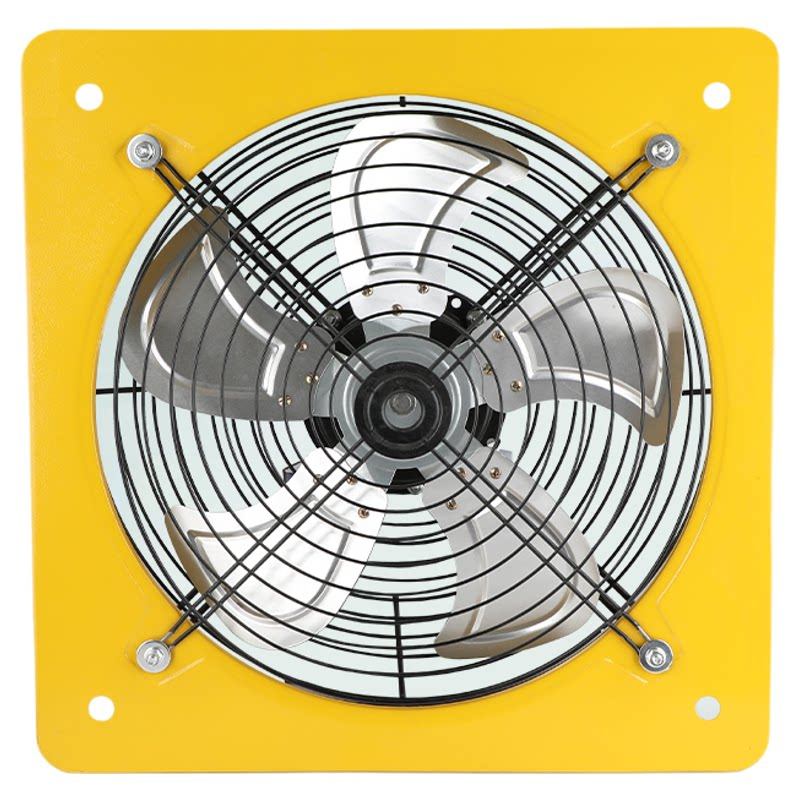
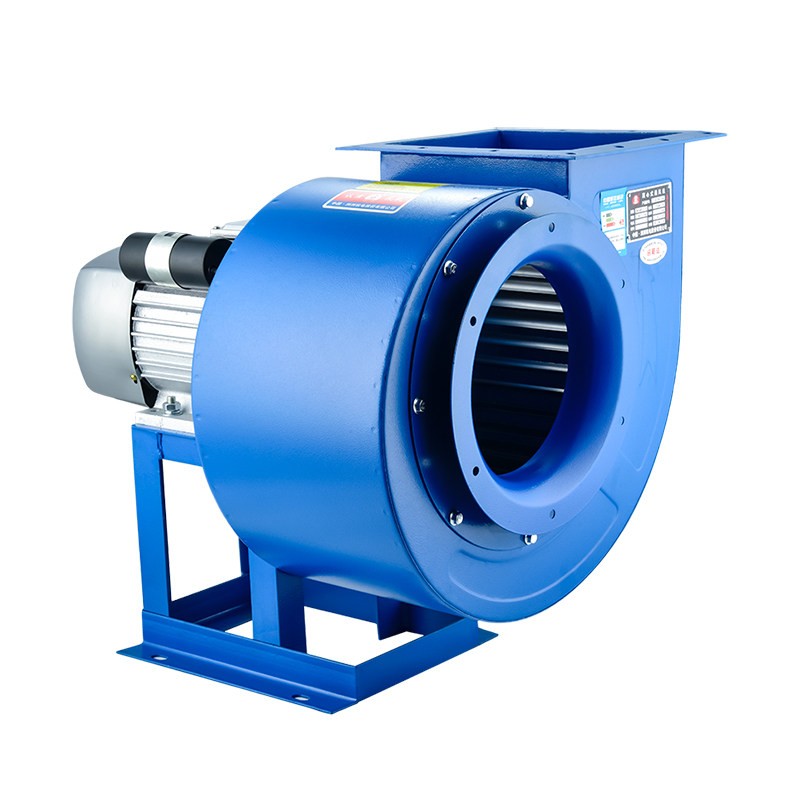
Set the Required Airflow and Pressure
Warehouse exhaust fans are selected for a job, not only for a building size. Start with the floor area, ceiling height, heat sources, work zones, and air discharge route. Note where replacement air can enter the warehouse. Then state the airflow that the system must move. Also state the pressure that the fan must overcome. Warehouse exhaust fans work against the full system, not against open air. Warehouse exhaust fans for hot work zones should also be reviewed against the inlet-air condition.
The selected 4-72A product records list maximum airflow up to 20,000 m³/h and maximum static pressure up to 2,500 Pa. The selected 9-19 and 9-26 records list maximum airflow up to 7,000 m³/h and maximum pressure up to 9,200 Pa. These figures are product limits. They are not a final selection. Warehouse exhaust fans must be checked at the required airflow and pressure on the correct fan curve. Warehouse exhaust fans for a shared duct system need the same curve check.
Map the Duct Path Before Selection
Warehouse exhaust fans can lose delivered airflow when the duct path has more resistance than expected. Warehouse exhaust fans in long duct runs need each duct run, elbow, branch, transition, damper, filter, louver, and discharge point reviewed. A new filter can have one pressure loss. A loaded filter can have another. Later changes to a warehouse can also add resistance.
- List the duct size and length for each main section.
- Show each bend, branch, filter, damper, and louver.
- State if the route is a direct discharge, a short run, or a long run.
- Share the inlet and outlet direction, mounting space, and access limits.
For warehouse exhaust fans in a ducted system within the listed 4-72A limits, that range may be relevant. If the system needs more calculated pressure, the 9-19 or 9-26 range may need review. Do not choose warehouse exhaust fans by the highest pressure number alone. The selected fan must fit the system duty.
Check the Air Stream First
Warehouse exhaust fans must suit the air that they move. The selected carbon-steel 4-72A record lists non-self-igniting and non-corrosive gases. It lists a maximum gas temperature of 80°C and dust and hard particles up to 150 mg/m³. The selected stainless 4-72A record also lists 80°C and 150 mg/m³. The selected high-pressure records state the same temperature and particle limits.
These values are selection limits. Tell the supplier if the air has corrosive vapor, flammable media, sticky material, high moisture, or more dust. Tell the supplier about hot zones near the ceiling or near equipment. Warehouse exhaust fans should not be assumed to suit every process air stream. Warehouse exhaust fans for a process area need air-stream facts before selection.
Confirm Power and Site Details
Warehouse exhaust fans also need the right electrical and mechanical fit. Warehouse exhaust fans in a replacement project need the same site checks. The selected stainless 4-72A record lists 380 V supply and A, B, C, and D structural variants. The 9-19 record lists 380 V and motor power from 0.75 kW to 30 kW. Share the site voltage, frequency, controls, mounting location, and service space. Include any need for supports, flexible duct joints, or vibration isolation.
For a replacement, do not rely only on the old fan nameplate. The duct path may have changed. Filters or equipment may have been added. Measure or estimate the current duty. This gives a better basis for choosing warehouse exhaust fans for the installed system.
Send Useful Data for a Model Discussion
A clear inquiry helps the manufacturer review warehouse exhaust fans with fewer assumptions. For warehouse exhaust fans serving several work areas, identify each area and duct branch. Include airflow, pressure, warehouse use, air temperature, dust or vapor details, a duct sketch, voltage, and size limits. Taizhou Zicheng Electromechanical Co., Ltd. states that its engineering team supports airflow and static-pressure sizing, model selection, and material and voltage advice before an order. Good project data helps separate a general air-exchange need from a high-resistance exhaust task.

 EN