Heavy Duty Exhaust Fan for Industrial Systems

Get a Free Quote

Our representative will contact you soon.
Email
Mobile/WhatsApp
Name
Company Name
Message
0/1000
Heavy Duty Exhaust Fan Selection for Industrial Systems

Heavy Duty Exhaust Fan Selection for Industrial Systems

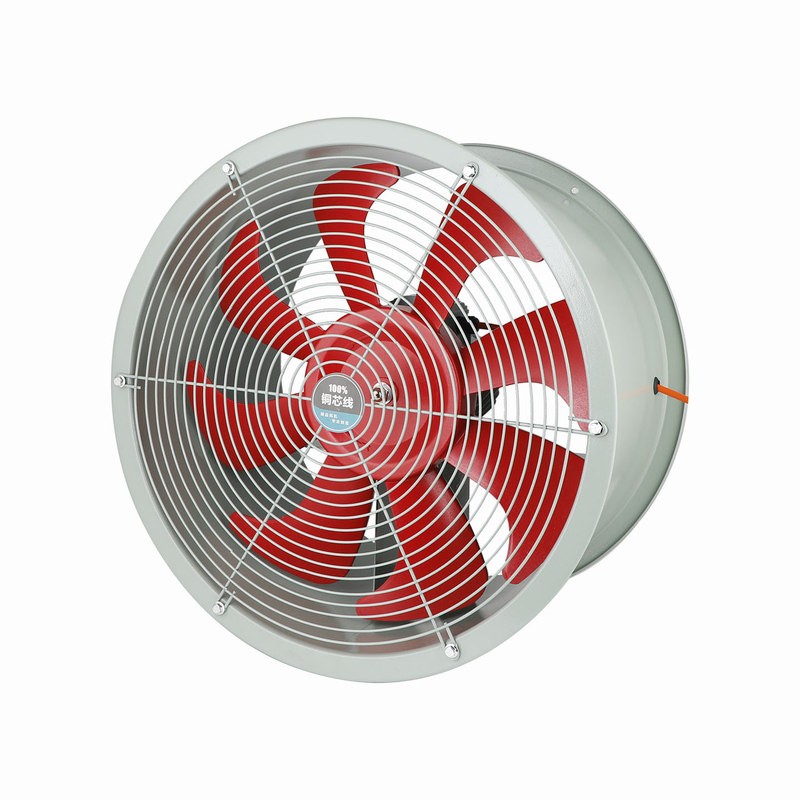
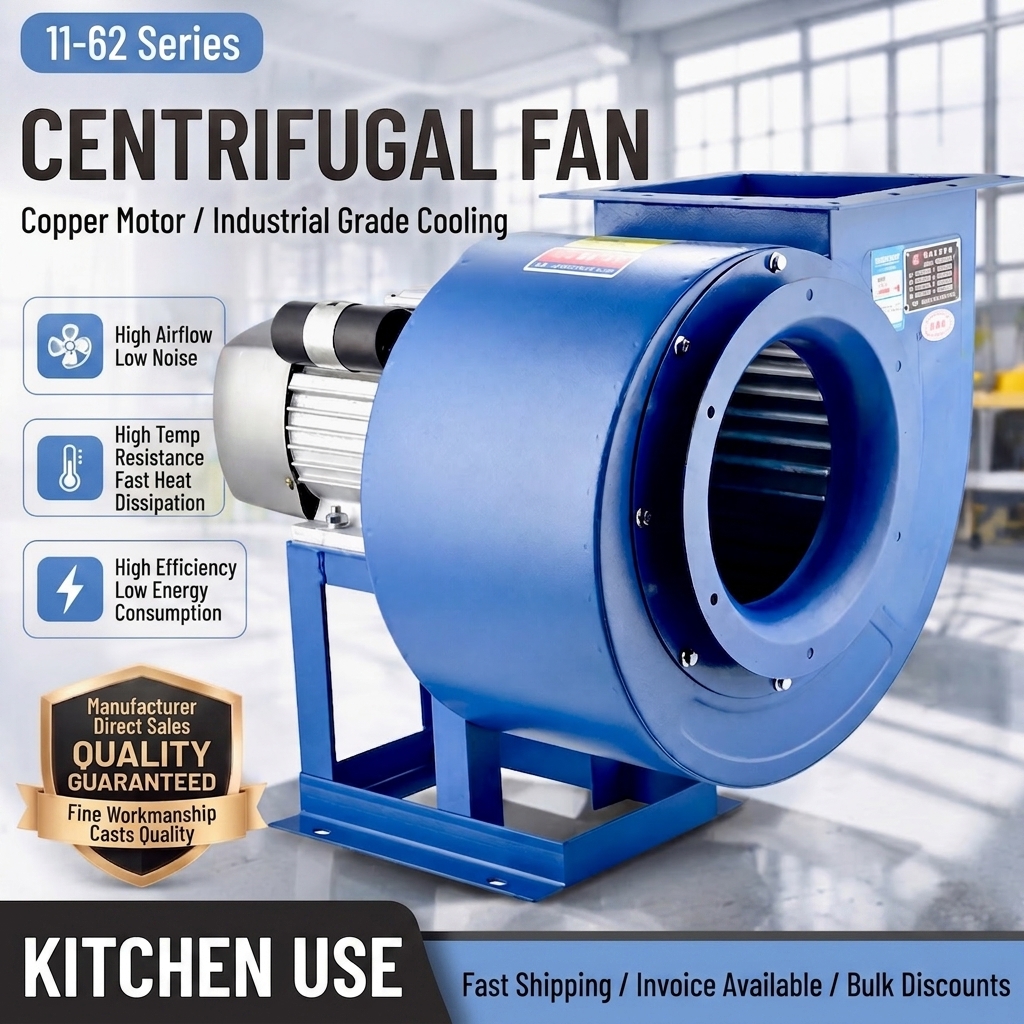
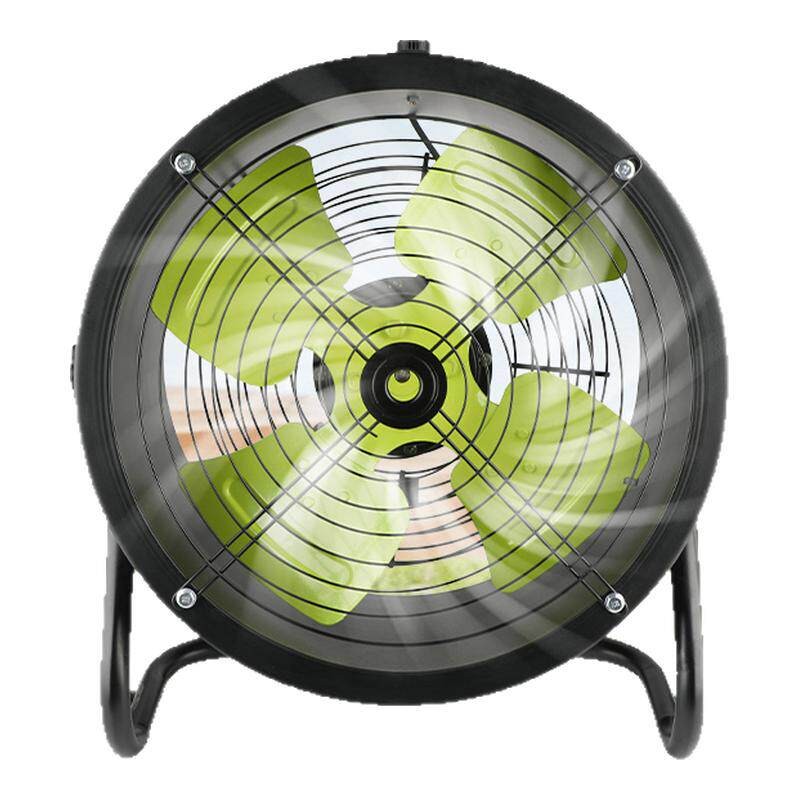
A heavy duty exhaust fan can move air from a plant, work room, or process area through a duct. This page helps buyers review fan options for a real site. A heavy duty exhaust fan must match the needed air flow and duct load. It must also suit the gas, heat, power supply, and fan space. The listed range has 4-72A and high-pressure centrifugal fan choices. These products have different pressure ranges and housing options. Taizhou Zicheng Electromechanical Co., Ltd. makes fan products at its own factory. It supplies both axial and centrifugal fan types. Send your air flow, pressure, gas heat, voltage, and duct plan. Our team can then discuss a heavy duty exhaust fan option and prepare a quote.
Get A Quote

Manufacturer Context for Fan Projects

Supplier facts for project review.

Direct Factory Production

Taizhou Zicheng Electromechanical Co., Ltd. is a manufacturer, not a trading company. It has direct factory production for its fan products. Buyers can discuss a heavy duty exhaust fan need with the source that makes the listed fan range.

Multi-Type Fan Portfolio

The product range includes axial fans, CF-11 and 11-62 centrifugal fans, and PCF smoke exhaust fans. This range can help a project team review a heavy duty exhaust fan with other fan types from one supplier.

Related products

Match Pressure to Duct Resistance

Match Pressure to Duct Resistance

A heavy duty exhaust fan must suit the whole duct path. Bends, long ducts, filters, and hoods add load. A centrifugal fan may suit a high-load duct path. Check the fan curve and site data before you choose a heavy duty exhaust fan.

Set the Air Flow and Pressure

A heavy duty exhaust fan works as part of a duct system. Start with the air flow you need at the hood or work zone. Then find the pressure loss in the full air path. This loss can come from long ducts, bends, dampers, filters, hoods, and outlet parts. The heavy duty exhaust fan curve and the duct curve must meet at the needed duty point. This is a sound way to choose a heavy duty exhaust fan.

Send the air flow, duct size, duct length, number of bends, and filter data. A simple duct sketch is useful. The listed 4-72A products state a maximum pressure of 2,500 Pa. The listed 9-19 and 9-26 products state a maximum pressure of 9,200 Pa. These are product limits. They do not prove the fit of a heavy duty exhaust fan for one site. Use the curve for the chosen model and the real duct load.

Check the Gas and Site

Next, check what the heavy duty exhaust fan must move. Note the gas heat at the heavy duty exhaust fan inlet. This may not match the room heat. Heat can rise near a roof, oven, or process line. The selected product records state an 80°C maximum gas heat. The real duty must stay in the limit for the chosen product.

  • Check dust, water, and gas type before you select a heavy duty exhaust fan.
  • Check if the gas can harm the fan housing or impeller.
  • Use a special rated fan when the site calls for one.
  • Plan space for fan checks, cleaning, and repair.

The 304 stainless 4-72A product may be worth review for some wet or chemical sites. The carbon steel version may fit other sites within its stated use. Do not treat one housing type as right for all jobs. Match the heavy duty exhaust fan material to the known site state.

Choose the Right Pressure Range

A poor fan result often starts with a low duct-load estimate. Extra bends, old filters, and later changes can raise the load. A high-pressure centrifugal unit may suit a heavy duty exhaust fan job with a hard duct path. Yet more pressure is not always best. A fan that is too large can add noise and make control hard.

Review the 4-72A line when its curve fits the air flow and pressure. Review the 9-19 or 9-26 line when the site needs more pressure. Do not use the high-pressure line as a default. The best heavy duty exhaust fan is the one that fits the actual duty point. Check the motor, impeller, and fan form for that duty.

Check Power and Fit

Check power and site fit before you order a heavy duty exhaust fan. The selected product pages list 380 V for their stated forms. Confirm the local voltage, frequency, motor type, and control plan. Also check the heavy duty exhaust fan base, inlet, outlet, duct link, guard, and access path. Good supports and flex links can help limit vibration transfer.

  • Confirm voltage and frequency for the heavy duty exhaust fan motor.
  • Leave room to clean the impeller and check the bearings.
  • Check inlet and outlet form before duct work is made.
  • Plan the heavy duty exhaust fan, duct, controls, and filters as one system.

Send Clear Site Data

A good enquiry helps all teams. State the use, air flow, pressure, gas heat, gas type, voltage, and heavy duty exhaust fan space. Add a photo, sketch, or plan if you have one. State if the system has a hood, dust unit, filter, or feed line. This data helps us review a heavy duty exhaust fan against the product range. The final choice must depend on the confirmed site data and the product record.

Each heavy duty exhaust fan should have a clear duty point. Each heavy duty exhaust fan should match the measured duct load. Each heavy duty exhaust fan needs a suitable motor. Each heavy duty exhaust fan needs a suitable housing. Each heavy duty exhaust fan needs safe access for service. Each heavy duty exhaust fan needs the right inlet form. Each heavy duty exhaust fan needs the right outlet form. Each heavy duty exhaust fan should suit the local supply. Each heavy duty exhaust fan should have sound support. Each heavy duty exhaust fan should allow for cleaning. Each heavy duty exhaust fan should be reviewed before purchase. Each heavy duty exhaust fan should use confirmed site data. Each heavy duty exhaust fan should be checked after installation.

Heavy Duty Exhaust Fan FAQ

Questions for industrial duct fan selection.

How do I size a heavy duty exhaust fan?

Set the needed air flow at the point of use. Then add the duct load from the full path. Include ducts, bends, hoods, dampers, filters, and outlet parts. Use the fan curve at that air flow and pressure. Do not use a top air flow value by itself. Also check gas heat, gas type, voltage, fan space, and access. A heavy duty exhaust fan needs site data before a final model can be chosen.
A centrifugal fan is often checked when the duct path has a high load. Long ducts, many bends, filters, and process units can add pressure loss. The listed 4-72A and high-pressure products have different stated pressure ranges. A heavy duty exhaust fan does not always need the highest-pressure model. Use the site duct load and the product curve to see which type fits the job.
Check the gas heat at the fan inlet, dust, water, and any corrosive gas. Check that the air stream is within the listed product limits. The selected records state an 80°C maximum gas heat, but each job still needs review. Also check power, motor type, fan base, duct links, guards, controls, and service space. These facts help choose a heavy duty exhaust fan that suits the site.
Send the use case, air flow, duct pressure, duct plan, gas heat, gas type, voltage, and frequency. Add photos or a sketch when you can. State if the system has a hood, filter, dust unit, or feed line. These parts change the duct load. This data lets a supplier compare a heavy duty exhaust fan request with the available product range and ask the right follow-up questions.

Related article

How to eliminate fan blower vibration during ventilation duct installation work?

24

Oct

How to eliminate fan blower vibration during ventilation duct installation work?

Identifying Root Causes of Fan Blower VibrationMechanical Imbalance and Bearing Degradation in Fan BlowersMechanical imbalance—often caused by dirt, ice, moisture, or blade damage—alters mass distribution in the rotating assembly, generating a domina...
View More
6 inch extractor fan power and noise parameters need checking before ordering.

27

Oct

6 inch extractor fan power and noise parameters need checking before ordering.

Why Noise Performance Is Critical for 6 Inch Extractor Fan SelectionA quiet fan is not just a convenience—it determines whether users keep ventilation running. Because a 6 inch extractor fan often operates in bathrooms, kitchens, and laundry rooms, p...
View More
How to Choose a Reliable Centrifugal Fan Manufacturer in China (2026 Buyer's Guide)

14

Sep

How to Choose a Reliable Centrifugal Fan Manufacturer in China (2026 Buyer's Guide)

A practical 2026 buyer's guide to choosing a trustworthy centrifugal fan manufacturer: certifications, quality control, SS304 materials, OEM support, MOQ and delivery.
View More
Industrial Ventilation Fan Selection Guide: Axial vs Centrifugal vs Mixed Flow

14

Sep

Industrial Ventilation Fan Selection Guide: Axial vs Centrifugal vs Mixed Flow

Compare axial, centrifugal and mixed flow industrial ventilation fans by pressure, airflow and noise, and learn how to buy direct from a factory.
View More

Get a Free Quote

Our representative will contact you soon.
Email
Mobile/WhatsApp
Name
Company Name
Message
0/1000