Inline Ventilation Fan Guide for Duct Systems

Get a Free Quote

Our representative will contact you soon.
Email
Mobile/WhatsApp
Name
Company Name
Message
0/1000
Inline Ventilation Fan Guide for Ducted Air Systems

Inline Ventilation Fan Guide for Ducted Air Systems

An inline ventilation fan moves air through a duct route instead of working only in open air. An inline ventilation fan can suit supply air, heat exhaust, drying, kitchen exhaust, or a temporary ducted task. Start with the air volume. Then check duct length, bends, filters, the outlet, power, heat, and noise limits. These details shape the real duty point. A listed axial or centrifugal model may be a useful starting point, but it is not an exact fit for every inline ventilation fan layout. Taizhou Zicheng Electromechanical Co., Ltd. makes axial fans, centrifugal fans, kitchen exhaust fans, and blowers. Send the duty point and site details to discuss a model and request a quote.
Get A Quote

Supplier Context for Project Buyers

Documented production and range context for fan projects.

Direct Manufacturing Source

Taizhou Zicheng Electromechanical Co., Ltd. is documented as a manufacturer, not a trading company. Its site states that design, development, and production are handled in house. This gives project teams a direct path for product and use-case talks.

Broad Fan Product Portfolio

The documented range includes axial fans, centrifugal fans, kitchen exhaust fans, and blowers. Buyers can use this range as a starting point when they need to compare open-air air movement with a ducted, pressure-focused option.

Related products

Match Fan Pressure to the Duct

Match Fan Pressure to the Duct

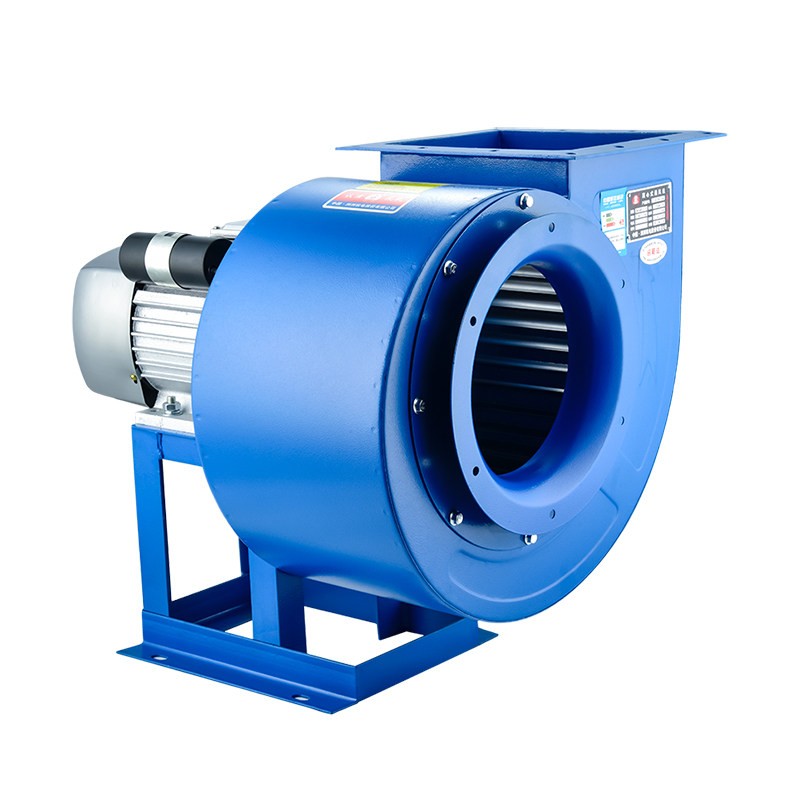
An inline ventilation fan needs more than a free-air airflow rating. Long ducts, bends, filters, grilles, and outlets add resistance. The published 11-62 multi-wing centrifugal product lists up to 1,000 Pa maximum static pressure. That makes it a product to review for a resistance-heavy route. It does not confirm fit until the actual system duty point is checked.

Define the Air Duty First

An inline ventilation fan should be chosen from the job data. State if the inline ventilation fan will supply air, remove heat, exhaust fumes, or support drying. Note the room size, air source, outlet point, and run hours. These facts help set the required air volume. They also make a quote easier to review.

For each new inline ventilation fan, make a simple duct sketch. Show straight runs, bends, branches, filters, and grilles. For a replacement, add the old model, duct size, motor power, and weak-air areas. The aim is to define the duty point. A large rated airflow alone is not enough.

Check the Duct Route

The duct route changes how an inline ventilation fan works. Each elbow, reducer, hood, screen, filter, and outlet can add resistance. Long runs can add more. The inline ventilation fan curve should be checked at the expected pressure and airflow. This is more useful than choosing an inline ventilation fan from its free-air figure.

  • Keep duct size steady where the layout allows it.
  • List bends, reducers, and branch points in the route.
  • Include filters, grilles, and dampers in the pressure review.
  • Check airflow and pressure together at the same duty point.

The 11-62 Low-Noise Centrifugal Fan is published with a maximum flow rate of 20,000 m³/h and maximum static pressure of 1,000 Pa. Those data make it a useful inline ventilation fan starting point for a route with notable resistance. They do not replace a site calculation. An axial option may suit a different duct and pressure condition.

Review the Operating Environment

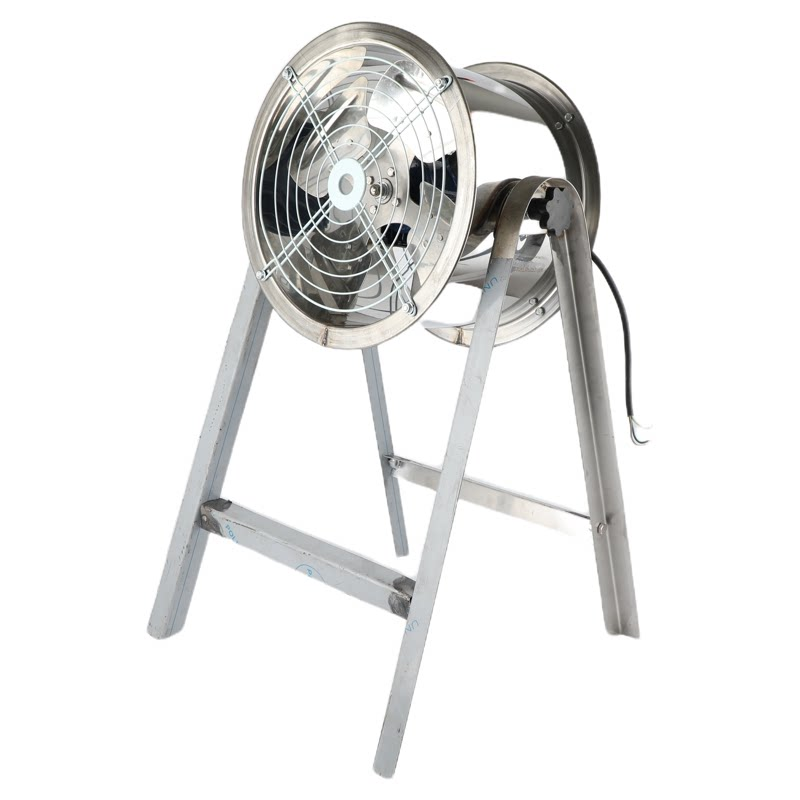
Environment also affects each inline ventilation fan choice. Check air temperature, humidity, dust, grease, and corrosive exposure. Check whether the inline ventilation fan will run all day or only at set times. The 304 Stainless Steel Axial Fan is published for drying rooms. It lists 304 stainless steel construction and temperature resistance up to 200°C. The Aluminum Blade Axial Fan is published for tobacco curing and lists Class F or H motor insulation.

Use these inline ventilation fan facts only where the stated use matches the site. Do not move them to another inline ventilation fan model without confirmation. Record voltage, phase, frequency, and available power. Also plan access for cleaning, checks, and service. An inline ventilation fan should be reachable after it is installed.

Choose the Fan Type by Use

An inline ventilation fan is not one fixed product type or layout. The published choices include axial and centrifugal products. The Portable Axial Flow Fan is described as a portable fan for confined spaces. It can connect with telescopic air ducts. This makes it a reference for a temporary inline ventilation fan task. It does not prove fit for a fixed system.

The published centrifugal product is aimed at kitchen and general ventilation use. It is a different starting point for an inline ventilation fan project with duct resistance and noise needs. Ask for the inline ventilation fan product curve, the assumed duty point, and the limits of the proposed setup. This keeps the review tied to the actual route.

Prepare a Clear Inquiry

A clear inline ventilation fan inquiry form includes airflow, pressure, duct size, layout, air condition, ambient heat, voltage, mounting point, run hours, and noise needs. If inline ventilation fan pressure is not known, send the duct sketch and list the fittings. Do not choose only the largest inline ventilation fan. A poor match can move the system away from its intended duty point.

Taizhou Zicheng Electromechanical Co., Ltd. states that it supports airflow and static-pressure sizing, model selection, and material and voltage advice before order. Ask that the final proposal states its assumed duty point and any site facts that still need confirmation.

Inline Ventilation Fan FAQ

Common questions for ducted fan selection.

What details are needed for an inline fan quote?

For an inline ventilation fan quote, provide airflow, estimated static pressure, duct size, route length, bends, filters, intake and outlet details, air condition, ambient heat, voltage, mounting point, run hours, and noise needs. A sketch or site photo can help. If pressure is unknown, list each part that may add resistance. The supplier can then identify what should be checked before a final inline ventilation fan configuration choice.
An inline ventilation fan works where its inline ventilation fan curve meets the resistance of the installed system. Ducts, bends, reducers, filters, grilles, dampers, hoods, and outlets all affect that point. As resistance rises, delivered airflow can change from the free-air value. Check the inline ventilation fan curve at the required pressure. Include accessories in the review, especially for a long inline ventilation fan route or a route with filters.
Review a centrifugal option when an inline ventilation fan must work through a duct against meaningful duct resistance. The decision also depends on airflow, air condition, noise, available space, and service needs. The selected 11-62 product is published with up to 1,000 Pa maximum static pressure. Its fit still depends on the true duty point. Do not treat all axial and centrifugal models as interchangeable inline ventilation fan options.
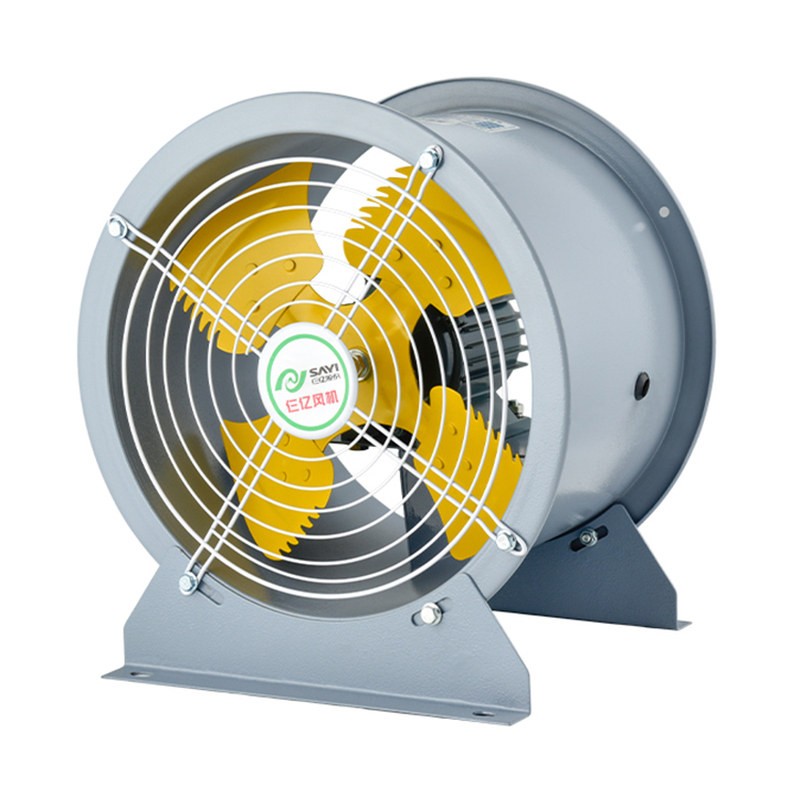
An axial inline ventilation fan can be relevant when its inline ventilation fan published performance and mounting suit the needed airflow and pressure. The selected portable axial product is published for temporary confined-space ventilation with telescopic ducts. The selected drying-room axial products have other stated uses. Confirm the duty point, mounting method, motor environment, and safety needs before making any axial inline ventilation fan the final project choice.

Related article

How to eliminate fan blower vibration during ventilation duct installation work?

24

Oct

How to eliminate fan blower vibration during ventilation duct installation work?

Identifying Root Causes of Fan Blower VibrationMechanical Imbalance and Bearing Degradation in Fan BlowersMechanical imbalance—often caused by dirt, ice, moisture, or blade damage—alters mass distribution in the rotating assembly, generating a domina...
View More
6 inch extractor fan power and noise parameters need checking before ordering.

27

Oct

6 inch extractor fan power and noise parameters need checking before ordering.

Why Noise Performance Is Critical for 6 Inch Extractor Fan SelectionA quiet fan is not just a convenience—it determines whether users keep ventilation running. Because a 6 inch extractor fan often operates in bathrooms, kitchens, and laundry rooms, p...
View More
What certifications should a qualified centrifugal blower manufacturer provide?

28

Oct

What certifications should a qualified centrifugal blower manufacturer provide?

ISO 9001: The Foundational Quality Assurance for Every Centrifugal Blower Manufacturer How ISO 9001 Certification Ensures Consistent Design, Manufacturing, and After-Sales Support ISO 9001:2015 does not certify product performance—it validate...
View More
How to Choose a Reliable Centrifugal Fan Manufacturer in China (2026 Buyer's Guide)

14

Sep

How to Choose a Reliable Centrifugal Fan Manufacturer in China (2026 Buyer's Guide)

A practical 2026 buyer's guide to choosing a trustworthy centrifugal fan manufacturer: certifications, quality control, SS304 materials, OEM support, MOQ and delivery.
View More

Get a Free Quote

Our representative will contact you soon.
Email
Mobile/WhatsApp
Name
Company Name
Message
0/1000