Define the Restaurant Exhaust Fan Duty Point
A restaurant exhaust fan begins at the cooking line. Do not select it by floor area alone. List the hood type and the equipment under the hood. Note the hood size and the cooking load. Mark where the air will leave the building. Then ask the kitchen or mechanical designer for the airflow need. A restaurant exhaust fan must work with the full system.
Give the supplier clear project data. Include target airflow and estimated static pressure. Include duct size, route length, elbows, filters, dampers, voltage, frequency, and motor location. State any heat or humidity near the motor. If a value is not known, say so. A restaurant exhaust fan should not be chosen from a guessed size.
Check Duct Resistance First
The airflow shown for a restaurant exhaust fan is not always the airflow delivered after installation. Straight duct, turns, transitions, grease filters, backdraft parts, and discharge fittings add resistance. Each part can affect the result. Compare the system duty point with the curve for the selected restaurant exhaust fan.
- A restaurant exhaust fan should be selected by calculated airflow and pressure.
- Review the restaurant exhaust fan after any duct route change.
- Do not choose the largest restaurant exhaust fan motor by default.
- Check the restaurant exhaust fan duct connection and service space.
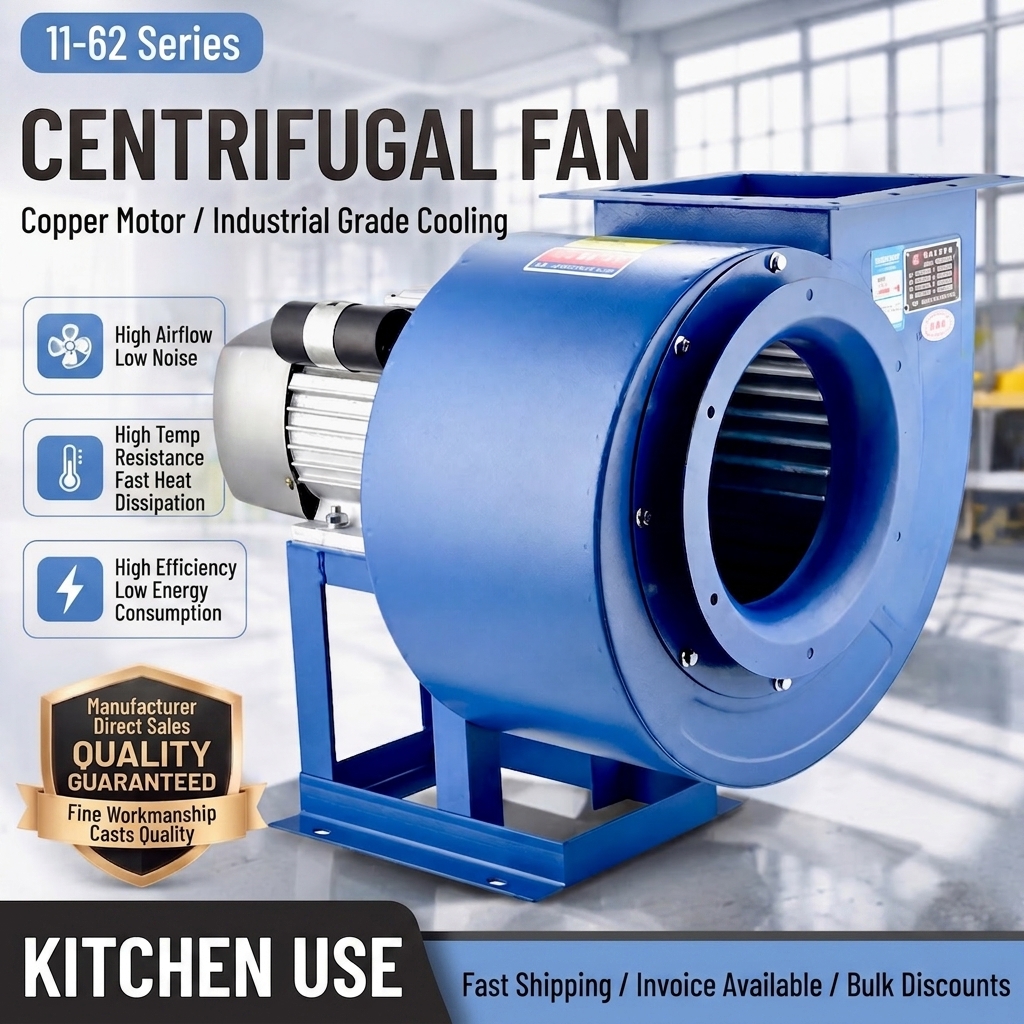
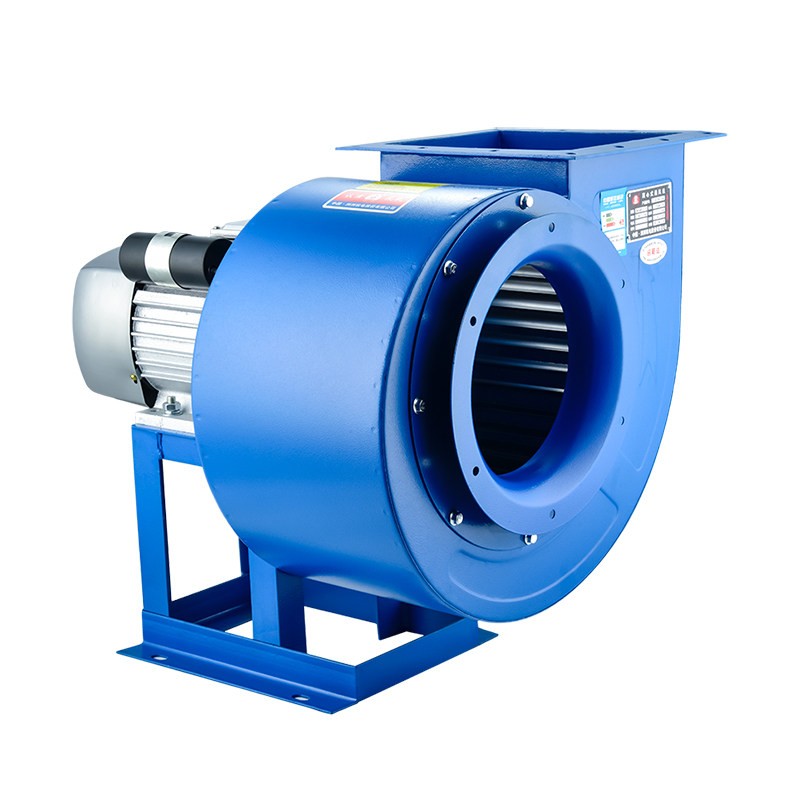
Long or complex ducts often need a pressure review. The available CF-11 and 11-62 records describe multi-wing centrifugal fan designs. Their final fit still depends on the specific model and project calculation. A restaurant exhaust fan is not confirmed until that check is complete.
Choose a Suitable Fan Format
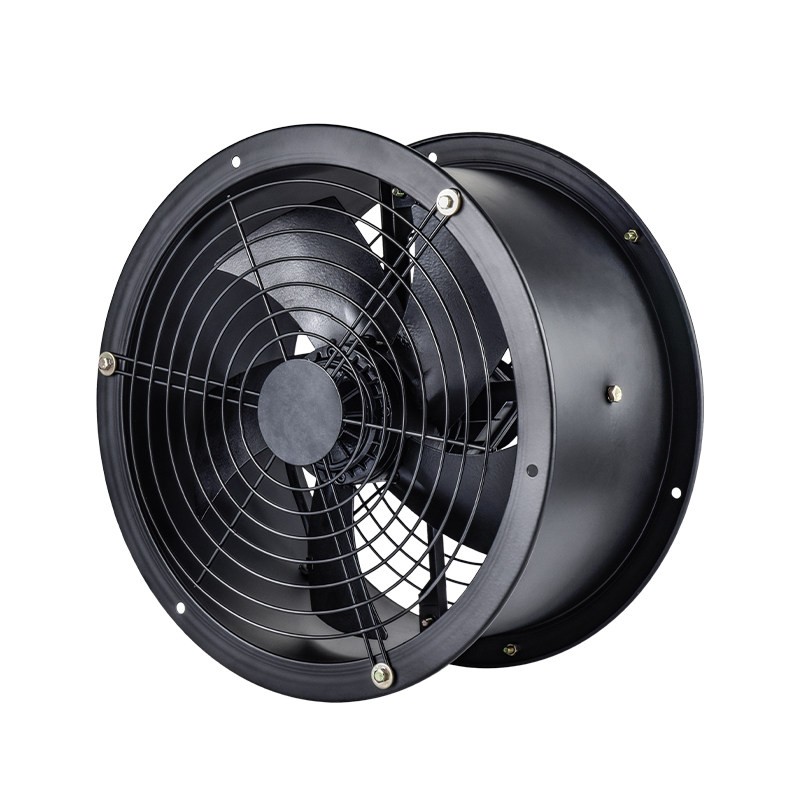
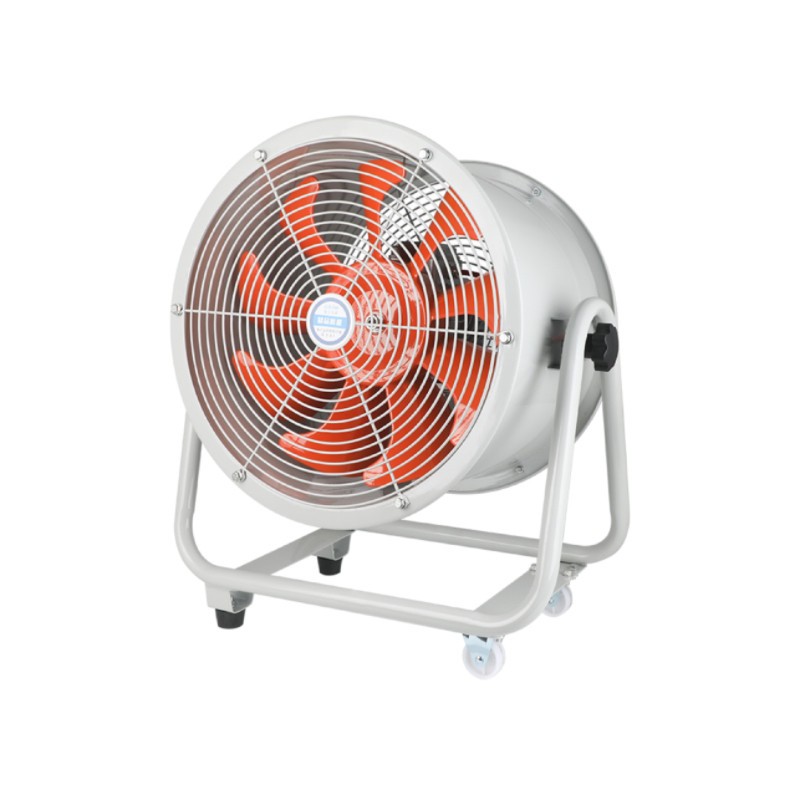
The closest available products are two multi-wing centrifugal fans and one cabinet smoke exhaust fan. The CF-11 record lists a flange interface for ducted installation. The 11-62 record lists commercial kitchens, hotels, restaurants, and canteens as uses. The PCF cabinet product can be reviewed where ceiling or wall integration affects the layout.
Each restaurant exhaust fan format has a different job. Check pressure, mounting space, service access, voltage, duct connection, and nearby occupied areas. Noise can matter near dining rooms or hotel spaces. Confirm the rating and the site condition with the supplier and project designer before choosing a restaurant exhaust fan.
Review the Operating Environment
Restaurant kitchens may have heat, moisture, cleaning exposure, and grease-laden air. The PCF product record lists an IP65 motor and high-temperature coils and bearings. The centrifugal product records describe kitchen-exhaust use. These facts help start the discussion. They do not replace a site check or local-code review for a restaurant exhaust fan.
- Place the restaurant exhaust fan where staff can inspect and clean it.
- Plan access for the restaurant exhaust fan duct and grease-control parts.
- Check the restaurant exhaust fan electrical supply before ordering.
- Plan make-up air with the restaurant exhaust fan system.
Send a Useful Enquiry
State the restaurant type, cooking equipment, hood count, operating hours, airflow target, static-pressure estimate, duct drawing, and site photos. State whether the project is new, a replacement, or a renovation. Taizhou Zicheng Electromechanical Co., Ltd. can discuss airflow and pressure sizing, model selection, materials, and voltage advice. This helps the team review a restaurant exhaust fan for the real installation instead of a general product description.

 EN