Define the Ceiling Vent Fan Job
First, define what the ceiling vent fan must do. It may exhaust warm air. It may remove moisture. It may supply fresh air. It may also move air at ceiling level. Each job needs a clear air path. The room size, ceiling height, source of heat or moisture, and outlet location all affect the brief.
For an industrial or commercial site, list room dimensions and the work schedule. Note any heat, dust, vapor, or odors. State if the ceiling vent fan will run all day, at set times, or only during a process. These details help separate general ventilation from local extraction. This ceiling vent fan brief should also identify the pickup point and discharge point.
Check the Full Duct Route
Rated airflow is a reference value. It is not the airflow a ceiling vent fan will always deliver after installation. Air loses pressure as it moves through a duct. Long runs, small ducts, bends, grilles, filters, dampers, and outlets add resistance. The key question is how much air the system needs at the end of the route.
- Measure the route from the ceiling pickup point to the discharge point.
- List the duct size, material, grilles, filters, dampers, and branch connections.
- State the target airflow and the expected static pressure.
- Confirm whether the fan works through a duct or in a short open path.
If the route has high resistance, an axial fan chosen only by free-air airflow may not fit the job. A centrifugal fan may need review. The final choice should follow the real duty point, not only the name ceiling vent fan. A ceiling vent fan should be compared at the installed condition.
Plan Mounting and Air Conditions
A ceiling vent fan needs a safe mounting plan. Check the structure, support method, service access, vibration, power supply, and duct connection. Do not choose the unit before these site details are clear. The ceiling vent fan location must allow safe inspection access.
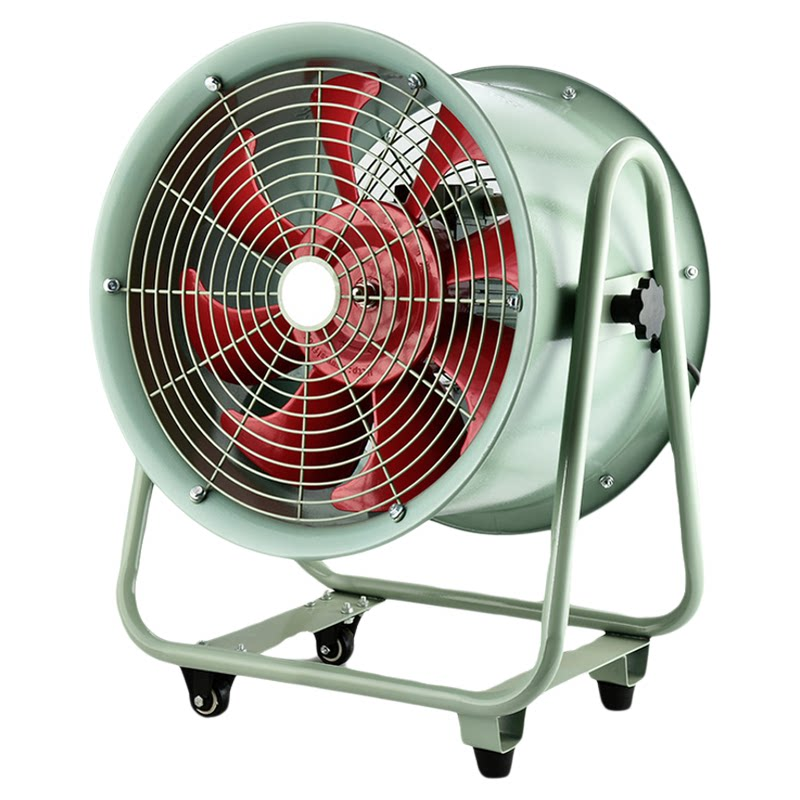
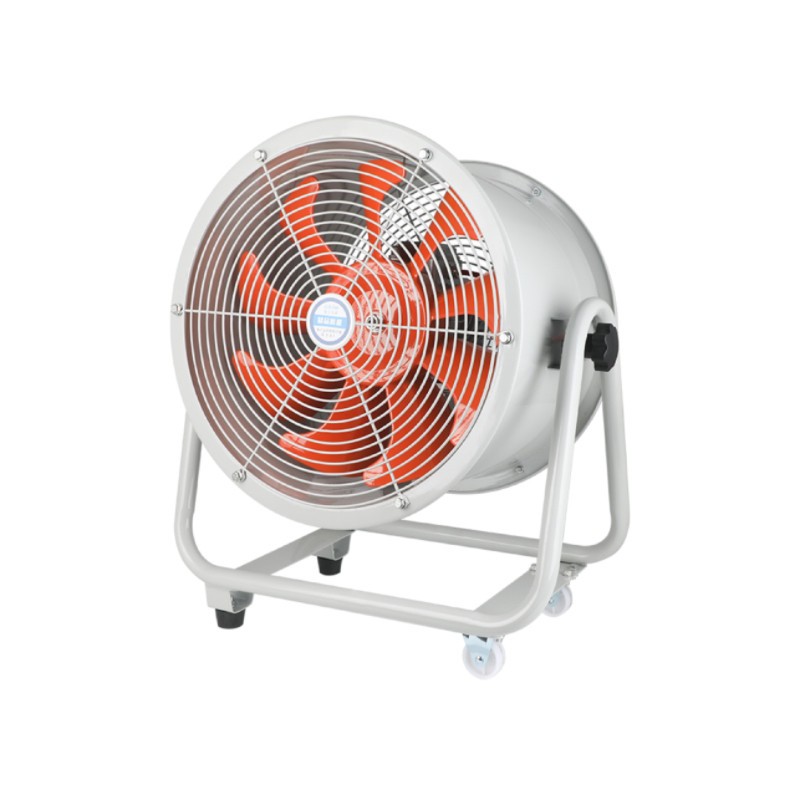
Also describe the air. Clean room air, warm humid air, cooking vapor, and process air can need different materials and motor features. The 304 Stainless Steel Axial Fan 200°C for Drying Rooms is a published product for high-temperature drying. The Aluminum Blade Axial Fan 39,000 m³/h for Tobacco Curing is published for drying work. They are catalog references, not exact ceiling vent fan matches. The Portable Axial Flow Fan 10,000 m³/h for Confined Spaces is for mobile field use. It is also a reference, not a ceiling-mounted substitute.
Compare Fan Types Before Selection
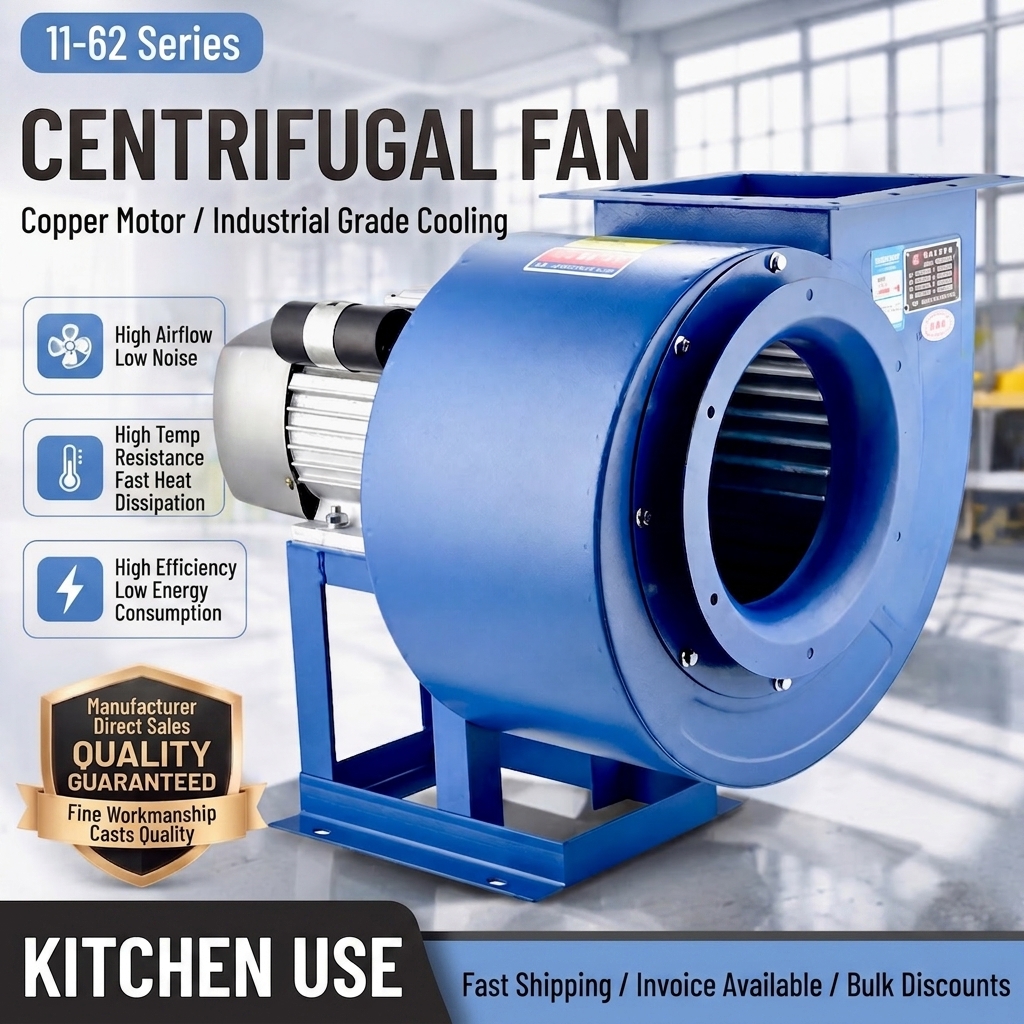
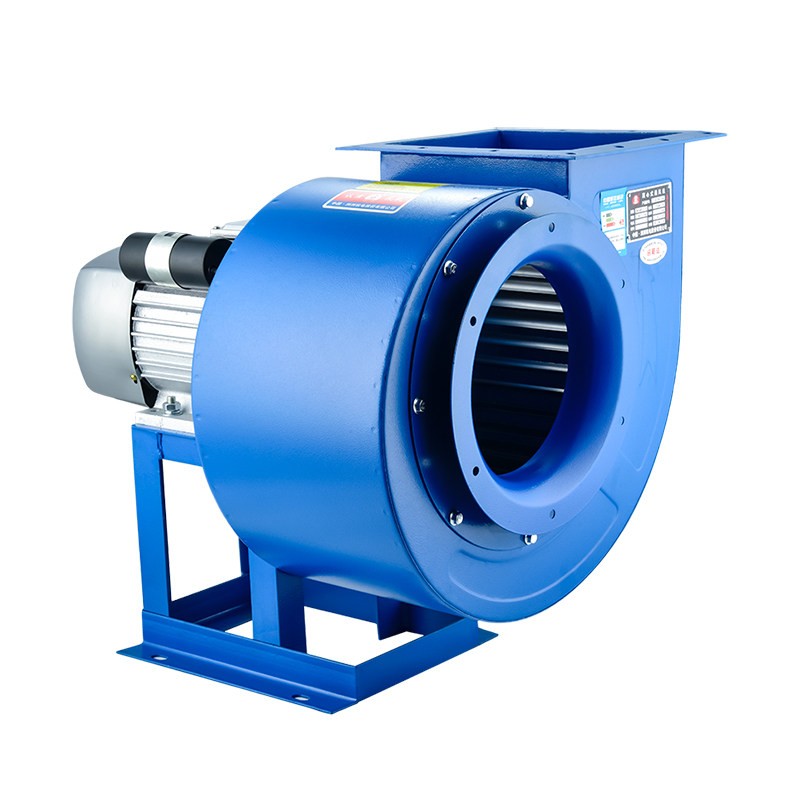
Axial fans are often reviewed for high air volume in a short or open route. Centrifugal designs are often reviewed when duct resistance is higher. This is not a fixed rule. Site conditions decide the need. If a ceiling vent fan route has bends, filters, long ducts, or an outside outlet, compare airflow and static pressure before choosing the fan type.
ZICHENG's documented portfolio includes axial and centrifugal fan types. This supports a category discussion for multi-zone work. A ceiling vent fan inquiry should identify both airflow and pressure needs. Send the intended airflow, estimated static pressure, voltage, mounting location, air temperature, and duct details. The discussion can then focus on available product fit and missing selection data.
Prepare a Clear Inquiry
A clear inquiry helps both technical and purchasing teams. Include the application, room size, ceiling height, duct layout, mounting plan, power supply, target airflow, and air conditions. Add any heat, moisture, dust, oil, or corrosion exposure. A drawing or site photo can show the route and access limits. Ask for information that fits the duty point. Do not request the largest listed ceiling vent fan by default. The ceiling vent fan selection should follow the site data.

 EN