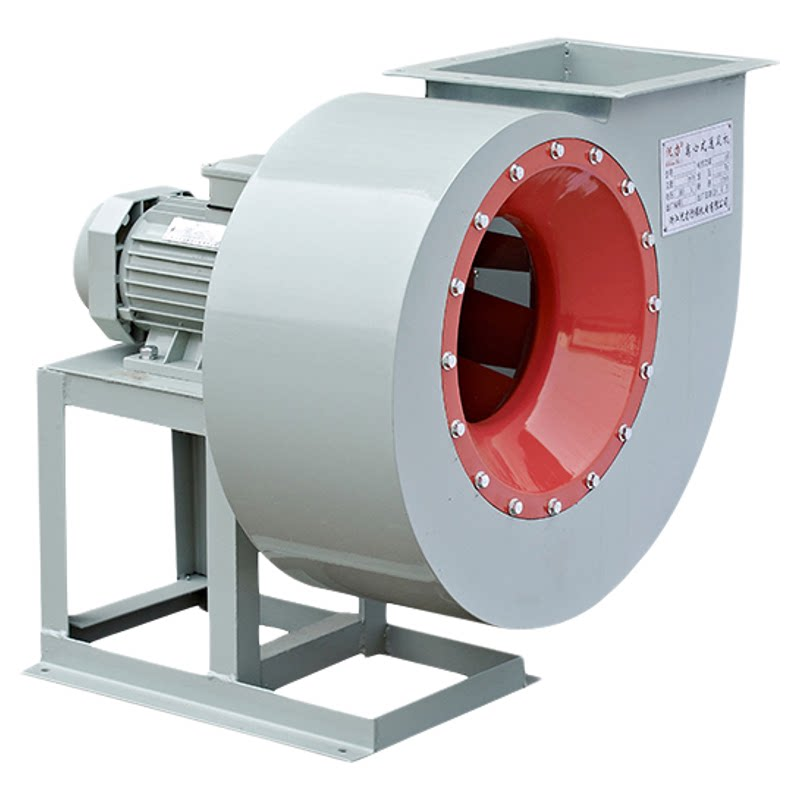
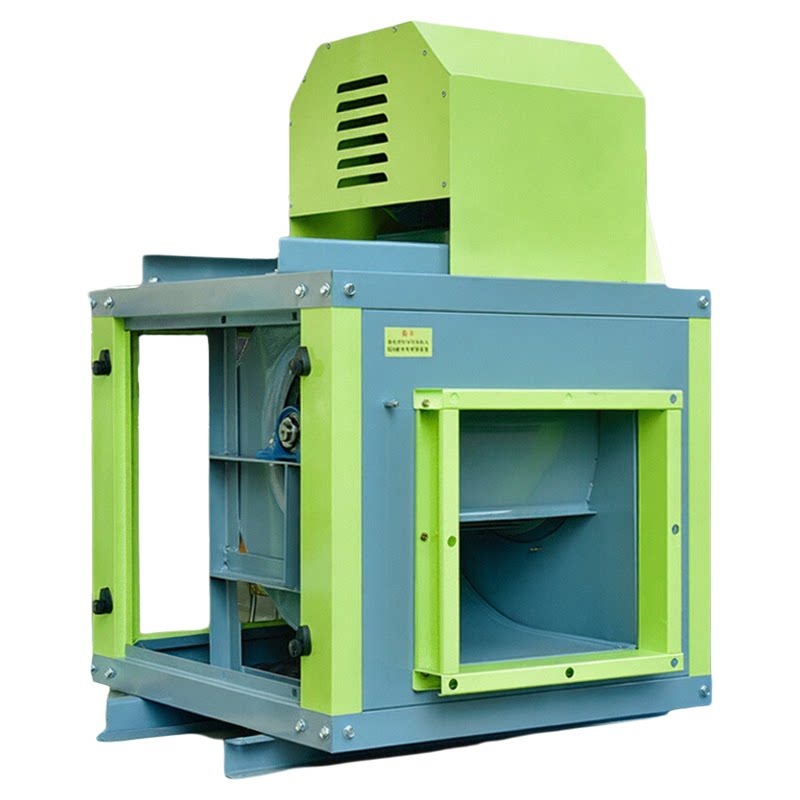
Humidity Extractor Fan Guide for Wet Work Areas

Get a Free Quote

Our representative will contact you soon.
Email
Mobile/WhatsApp
Name
Company Name
Message
0/1000
Humidity Extractor Fan Guide for Wet Work Areas

Humidity Extractor Fan Guide for Wet Work Areas

A humidity extractor fan moves wet air out of a work area. It can suit drying rooms, process rooms, and enclosed spaces. This humidity extractor fan page shows three real axial fan products from Taizhou Zicheng Electromechanical Co., Ltd. One is a stainless steel axial fan for drying rooms. One is an aluminum blade axial fan for tobacco curing. One is a portable axial flow fan for confined spaces. A humidity extractor fan needs a clear air route. Room size, duct size, bends, heat, moisture, and power all affect the choice. Zicheng designs, develops, and makes axial fans, centrifugal fans, kitchen exhaust fans, and vortex blowers. Tell us about your room, air route, power, and work conditions. We can then discuss a humidity extractor fan option and prepare a quote.
Get A Quote

Direct Fan Supply for Projects

Supplier context for projects that need more than one fan type.

Direct Production Support

Taizhou Zicheng Electromechanical Co., Ltd. is a manufacturer with direct production for the fan products it offers. Buyers can discuss the room, fan type, and product details with the supplier before they choose a model.

More Than One Fan Type

The product range includes standard and handheld axial fans, centrifugal fans, and smoke exhaust fan options. This helps buyers compare fan types for different parts of one project through one supplier.

Related products

Stainless Steel for Drying Rooms

Stainless Steel for Drying Rooms

The 304 Stainless Steel Axial Fan is listed for drying rooms. It has 304 stainless steel parts. Its record lists F-class or H-class motor insulation and 220V or 380V options. The listed range is 2,100 to 39,000 m³/h. These facts make it a humidity extractor fan option to review where heat and wet air are part of the job.

Find the Source of Wet Air

A humidity extractor fan works best when the source of wet air is clear. Start with a simple site check. Ask if the wet air comes from drying goods, washdown, a process, weather, or people in the room. Then find where that air builds up. A humidity extractor fan needs a way to move air out. It also needs a way for new air to come in.

Write down the room length, width, and height. Note doors, windows, heat sources, and work tools. Take photos of the wall or roof where the unit may go. These facts help make a humidity extractor fan enquiry clear. They also help show if the air has a short path or a long path to the outside.

Look at the Full Air Route

Do not choose a humidity extractor fan from room area alone. Look at the whole route. A direct wall opening is not the same as a long duct. Ducts, bends, guards, filters, and dampers can change the load on the fan. A humidity extractor fan for a short open route may not suit a route with many parts.

  • Mark where wet air enters the room.
  • Mark where the humidity extractor fan will draw or push air.
  • List each duct, bend, grille, and damper in the route.
  • Make sure there is a safe place for air to leave the building.

There is no one fan for every wet room. The right choice depends on the air route and the work in the room. If the route has many limits, share that fact with the supplier. It is better to review the full route before a model is picked.

Choose a Fan Type With Care

An axial unit can be a good humidity extractor fan option when there is a direct path through a wall or a short duct. The selected product list has two axial fans for drying work. The 304 Stainless Steel Axial Fan is listed for drying rooms. The Aluminum Blade Axial Fan is listed for tobacco curing.

The portable product has a different role. The Portable Axial Flow Fan is listed for confined spaces. Its product record says it can connect to telescopic air ducts. This can make it useful to assess for short-term or local work. A portable humidity extractor fan is not the same as a fixed system. Tell the supplier if the fan must move between work areas.

Check Heat, Moisture, and Power

Wet air is only one part of the job. Ask about heat, dust, cleaning fluid, and other site conditions. The 304 Stainless Steel Axial Fan record lists 304 stainless steel construction. It also lists F-class or H-class motor insulation. Its record states use up to 200°C. The site facts still need to match the product facts before an order is made.

The Aluminum Blade Axial Fan title states 39,000 m³/h. This gives buyers a real high-volume axial product to compare. Do not use that figure on its own to choose a humidity extractor fan. The actual air route, power, and fit still matter. Give the supplier the local voltage and the planned mount point.

Plan the Install and Upkeep

Leave room to fit, check, and clean the fan. Check the wall or frame. Check the space at the inlet and outlet. Plan safe access for service. List any louver, guard, or duct link that must be part of the job. These small facts can affect a humidity extractor fan installation.

Set a basic check plan for guards, blades, fasteners, and the discharge path. Isolate the unit before any check. For a clear humidity extractor fan quote, send room size, photos, duct facts, power, heat, and moisture details. A humidity extractor fan enquiry is easier to review when these facts are complete. The humidity extractor fan must fit the stated route. The humidity extractor fan should match the stated work conditions. This lets Zicheng review the stated job without making a claim before the site conditions are known.

Humidity Extractor Fan FAQ

Simple questions to prepare for a fan selection discussion.

What facts help select an extractor fan?

Start with room size, room height, the source of wet air, and the air exit point. Give the supplier the duct size, duct length, bends, filters, guards, and dampers if they are part of the job. Also give the power supply, mount point, heat, and moisture details. A humidity extractor fan needs more than a room-area figure. The full air route helps show the load on the fan. These facts help a supplier compare the real product options with the stated job.
An axial fan can be reviewed for a ducted job, but the full route must be known first. Long ducts, bends, filters, guards, and dampers can add load. Tell the supplier where air enters, where it leaves, and what lies between those points. A humidity extractor fan for a direct opening may not be the same fit for a long route. The selected product records show real axial fan options, but a product record does not replace a review of the planned system.
The listed 304 Stainless Steel Axial Fan is one product to review for a drying room. Its record lists 304 stainless steel, F-class or H-class motor insulation, and a stated temperature limit of up to 200°C. The Aluminum Blade Axial Fan is also listed for tobacco curing. A humidity extractor fan choice should still be based on the room, power, air route, heat, and wet-air source. Share those facts so the supplier can compare them with the product record.
A portable unit can be worth a review when the work is short-term, local, or in a confined space. The listed Portable Axial Flow Fan is for confined spaces. Its record says it can connect with telescopic air ducts. A portable humidity extractor fan should not be assumed to replace a fixed system in every building. Tell the supplier where the unit will sit, how far the duct must reach, what air must move, and what space is open for service before a product is chosen.

Get a Free Quote

Our representative will contact you soon.
Email
Mobile/WhatsApp
Name
Company Name
Message
0/1000