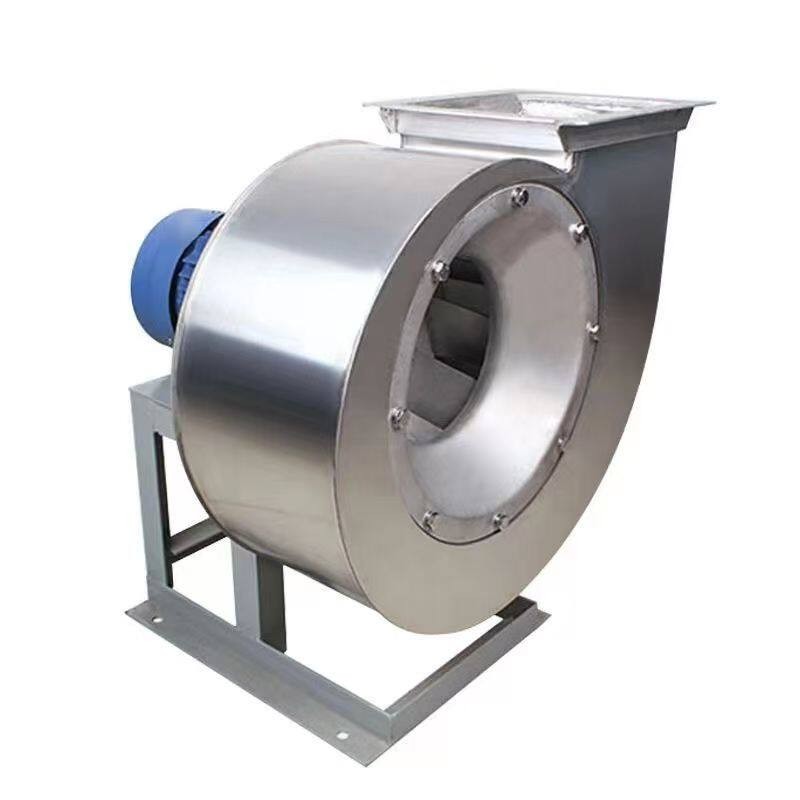
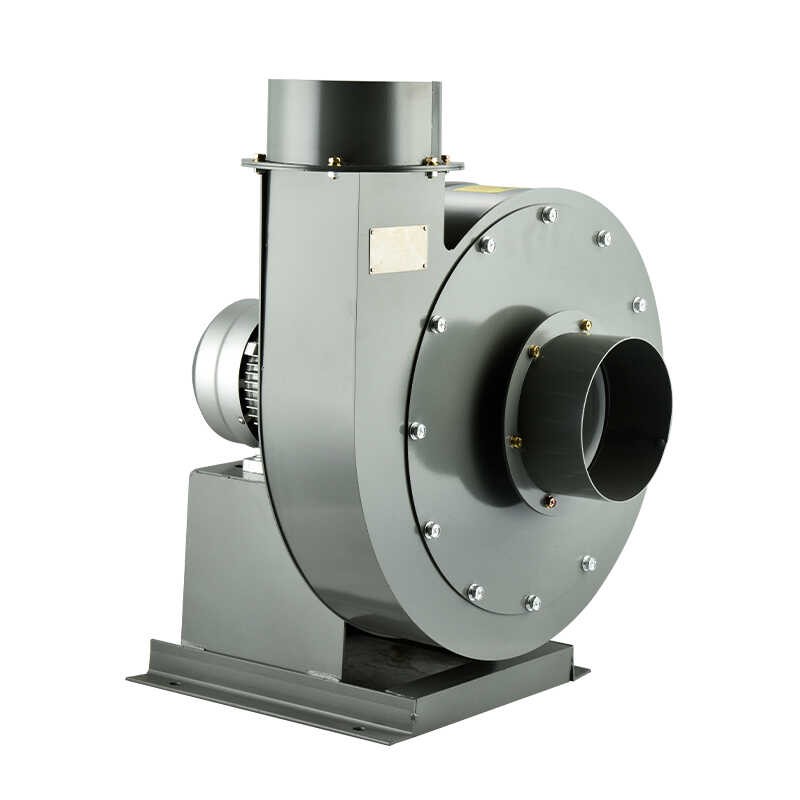
Plan the Air Path First
A barn exhaust fan is part of an air path. It is not just a unit in a wall. Mark where fresh air can enter. Mark where warm or wet air must leave. A barn exhaust fan works with those openings. Stalls, stored goods, walls, and roof parts can slow the path. A barn exhaust fan may fit an open wall. A ducted route may need another fan type. The best choice depends on the air route in the building.
Use a simple site sketch for each barn exhaust fan location. Show the intake, discharge, and major blocks. Note the roof height. Note if wind can enter the same wall as the fan. A barn exhaust fan should not be picked from a rated airflow number alone. The rated value is one part of the choice.
Check the Real System
A barn exhaust fan sees resistance after it is installed. Screens, shutters, guards, ducts, bends, and partitions can change the result. A barn exhaust fan that moves air well in an open test may act in a different way in a long route. Ask for a review of the whole system. Give the length and width of the space. Give the duct size and length, if there is ductwork. Tell the supplier about bends, grilles, and filters.
- Map the air route before you choose a barn exhaust fan.
- Record duct size, straight length, bends, grilles, and filters.
- Confirm the voltage before you order a barn exhaust fan.
- State if the equipment will be fixed or moved between work areas.
Review Heat and Moisture
Material and motor design matter in wet, hot, or dusty work. The listed 304 Stainless Steel Axial Fan is for drying rooms. Its product data lists 304 stainless steel and F-class or H-class motor insulation. The listed Aluminum Blade Axial Fan is for tobacco curing and has a name that states up to 39,000 m³/h. These facts help begin a barn exhaust fan review. They do not prove that one model fits every barn.
If the site stays within the confirmed product limits, an axial barn exhaust fan may be a useful option. If the site has high heat, corrosion, or a hard air route, ask for a duty-point review. Do not use a barn exhaust fan claim as a promise of site results. The full layout and operating conditions still matter.
Fixed and Portable Uses
A fixed barn exhaust fan is usually used in one repeatable location. The Portable Axial Flow Fan 10,000 m³/h for Confined Spaces is different. Its product data describes portable use and a link to telescopic air ducts. It may help with a short-term or local task. It should not be treated as a permanent barn exhaust fan system without a review. Some sites need steady fixed ventilation plus a portable fan for cleaning or repair work.
A portable unit can move air near a work point. A fixed barn exhaust fan can serve a planned opening. Each has a different role. Tell the supplier how often the fan will run and who will move it. This helps avoid a poor match between product form and daily use.
Send a Clear RFQ
For a barn exhaust fan quote, send building size, a sketch, opening positions, the air direction, and the power supply. Add photos of the planned mounting area. State if the air has heat, moisture, or dust. Include duct, guard, shutter, and screen details. A barn exhaust fan used near combustible dusts or hazardous gases needs review by the responsible qualified professional and under local rules. Clear project facts help a supplier discuss the model, mount, and needed accessories without making unsupported guesses.

 EN