Exhaust Ventilator for Ducted Industrial Systems

Get a Free Quote

Our representative will contact you soon.
Email
Mobile/WhatsApp
Name
Company Name
Message
0/1000
Exhaust Ventilator Options for Ducted Industrial Systems

Exhaust Ventilator Options for Ducted Industrial Systems

An exhaust ventilator moves air from a work area through a planned route. The right exhaust ventilator depends on the duty point, not just its name. This page helps integrators, contractors, facility teams, and distributors compare centrifugal fan options for ducted exhaust and air exchange. The range includes 4-72A centrifugal fans for general ducted work and high-pressure centrifugal fans for systems with greater resistance. Taizhou Zicheng Electromechanical Co., Ltd. designs, develops, and produces axial fans, centrifugal fans, kitchen exhaust fans, and vortex blowers. For an exhaust ventilator, start with airflow, static pressure, airstream, voltage, and layout. Send those details to request a product discussion or quotation.
Get A Quote

Supplier Context for Fan Projects

Direct Manufacturing Scope

Taizhou Zicheng Electromechanical Co., Ltd. is a manufacturer with direct factory production capability for its fan products. Buyers can discuss product fit and supply needs with a direct source.

Multi-Type Fan Coverage

The range covers axial and centrifugal fan types, including CF-11, 11-62, and PCF smoke exhaust fans. Project teams can discuss linked ventilation needs with one supplier.

Related products

304 Steel for Exposed Airstreams

304 Steel for Exposed Airstreams

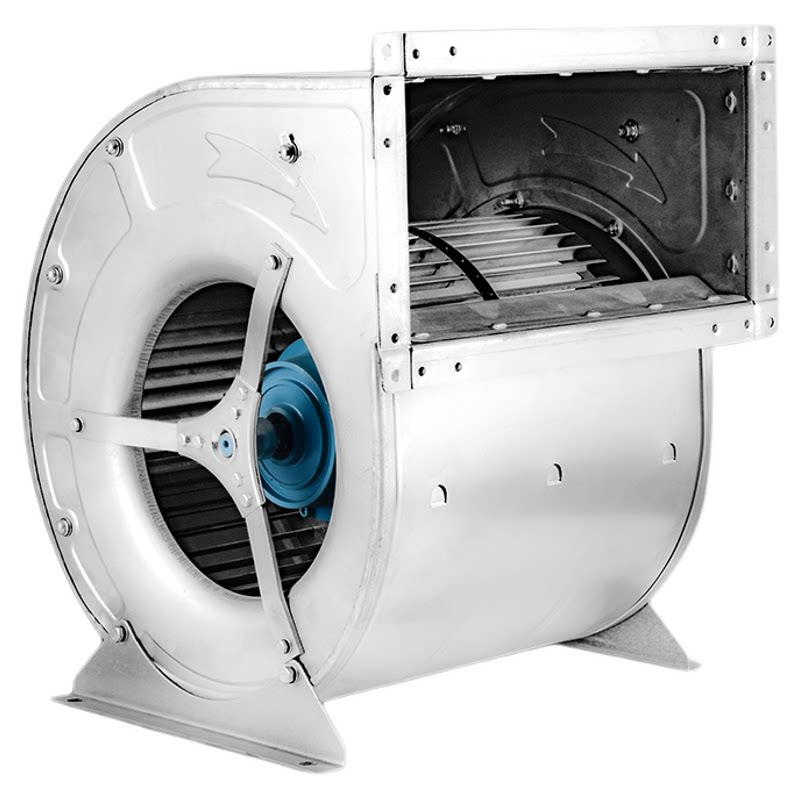
The 304 Stainless 4-72A Centrifugal Fan is one exhaust ventilator option when its stated steel housing suits the airstream. Its published range includes up to 2,500 Pa and 20,000 m³/h. Check gas temperature, dust, duct resistance, and material fit before you specify this exhaust ventilator.

Set the Exhaust Ventilator Duty

Choose an exhaust ventilator for the air volume and pressure needed at the pickup point. Do not choose an exhaust ventilator from a free-air number alone. Duct length, bends, hoods, filters, dampers, and outlets all add resistance. List the job, airflow, duct size, and major resistance parts before you compare models.

A short, open route may need less pressure. A long or tight route may need a centrifugal exhaust ventilator with more pressure. The better exhaust ventilator depends on the installed system.

Check the Air and the Site

Match the exhaust ventilator material to the air it will move. Ask if the gas is corrosive, dusty, hot, or wet. The published 304 Stainless 4-72A model is for air and non-self-igniting, non-corrosive gases. It states a maximum gas temperature of 80°C and dust content not above 150 mg/m³. Its 304 steel housing may suit some exposure conditions. It does not replace a full material review.

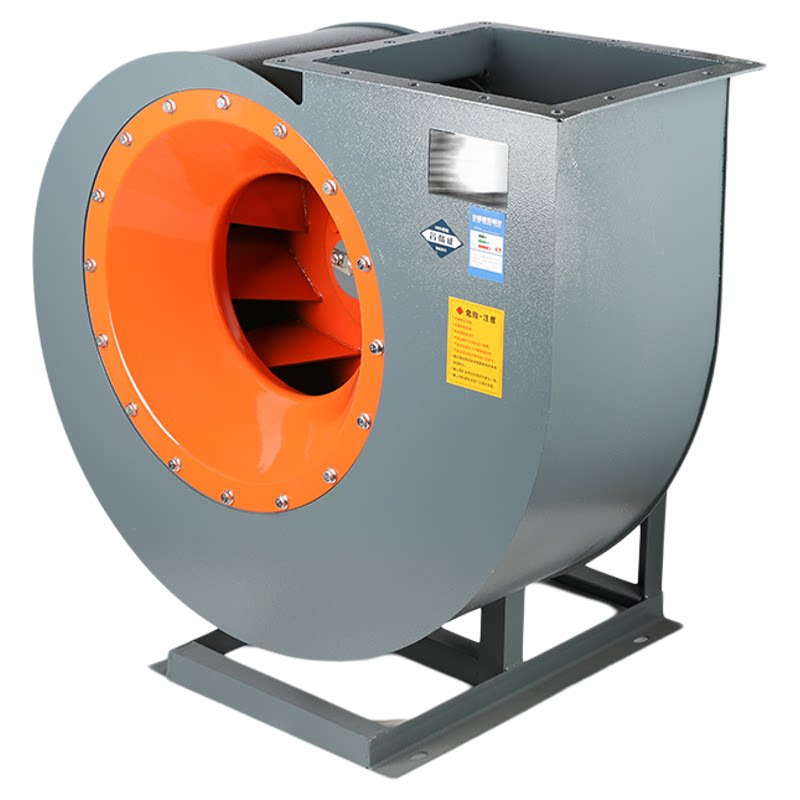
For a carbon steel exhaust ventilator, check that the gas suits the stated construction. For high heat, flammable air, or other conditions outside the product record, send the full job details for review.

Match Pressure to the Duct Route

Pressure is key in a ducted exhaust ventilator system. The listed 4-72A models state up to 2,500 Pa. The 9-19 and 9-26 records state up to 9,200 Pa. These are product limits, not a final exhaust ventilator choice. Read flow and pressure together against the right fan data.

  • List each bend, branch, hood, filter, and transition in the route.
  • Confirm if the exhaust ventilator duty is exhaust, supply, or another setup.
  • Allow for filter or collector resistance during normal service.
  • Check inlet and outlet direction before you select a structure.

A high-pressure exhaust ventilator is not always the best choice. Use an exhaust ventilator with that range when the duct resistance calls for it.

Review Power and Installation

Check voltage, mounting space, access, and connection direction early. The records list 380 V supply for the 304 Stainless 4-72A and 9-19 models. Compare this with the project supply. The 4-72A record lists A, B, C, and D structures. These options may help when the duct route needs a certain layout.

Plan support, safe access, and duct joints that do not load the exhaust ventilator. Use suitable vibration control where the system needs it. Send a layout, airflow target, pressure estimate, air details, temperature, and voltage for a more useful exhaust ventilator discussion.

Maintain the System

After start-up, inspect the exhaust ventilator system on a regular plan. Check ducts, joints, filters, sound, and vibration. Keep the fan and duct route clean under site safety rules. If you add a branch or filter, review the system again. A changed route can change the duty of the installed exhaust ventilator.

Exhaust Ventilator Selection FAQ

Practical questions for ducted industrial exhaust planning.

What data is needed for an exhaust ventilator choice?

For an exhaust ventilator, provide the job, airflow, estimated static pressure, duct size and route, power supply, and space limits. Describe the air in the system. Include its expected temperature, moisture, dust, and any corrosive or combustible traits. A simple drawing helps show bends, hoods, filters, and outlets. Those parts add resistance. This data helps a supplier review the product family and the duty point. It is more useful than choosing an exhaust ventilator from fan diameter or a free-air airflow figure alone.
A centrifugal exhaust ventilator is often reviewed for a duct route where pressure is important. Long ducts, bends, filters, hoods, and other parts can raise resistance. Compare the needed flow and pressure with the fan data. A high-pressure exhaust ventilator is not needed for every job. A short and open route may use a different setup. Choose the exhaust ventilator from the full layout and air conditions, not from one rating alone.
It depends on the air and the stated product limits. The listed 304 Stainless 4-72A product has a 304 steel housing. Still, check the specific exposure, temperature, dust, and service needs. Do not assume that stainless steel suits every gas. Give the gas details and concentration data when available. Confirm the process conditions before you specify an exhaust ventilator. A duty outside the product record needs separate technical review.
A new branch, longer duct, added filter, or changed hood can raise system resistance. That can shift exhaust ventilator duty and change the air moved at the pickup point. Review the new route, filter state, and fan data before making the change. If the process or air also changes, review material fit and temperature limits at the same time. Treat the exhaust ventilator and its duct system as one working system.

Related article

How to Choose a Reliable Centrifugal Fan Manufacturer in China (2026 Buyer's Guide)

14

Sep

How to Choose a Reliable Centrifugal Fan Manufacturer in China (2026 Buyer's Guide)

A practical 2026 buyer's guide to choosing a trustworthy centrifugal fan manufacturer: certifications, quality control, SS304 materials, OEM support, MOQ and delivery.
View More
How to Choose the Right Aquaculture Aerator for Your Fish Farm (2026 Buying Guide)

14

Sep

How to Choose the Right Aquaculture Aerator for Your Fish Farm (2026 Buying Guide)

Paddle wheel, impeller or vortex? Learn how to size a pond aerator, cut energy costs and find a reliable aquaculture aerator manufacturer for your farm.
View More
Industrial Ventilation Fan Selection Guide: Axial vs Centrifugal vs Mixed Flow

14

Sep

Industrial Ventilation Fan Selection Guide: Axial vs Centrifugal vs Mixed Flow

Compare axial, centrifugal and mixed flow industrial ventilation fans by pressure, airflow and noise, and learn how to buy direct from a factory.
View More

Get a Free Quote

Our representative will contact you soon.
Email
Mobile/WhatsApp
Name
Company Name
Message
0/1000