Axial Flow Ventilator for Industrial Projects

Get a Free Quote

Our representative will contact you soon.
Email
Mobile/WhatsApp
Name
Company Name
Message
0/1000
Axial Flow Ventilator Options for Industrial Air Movement

Axial Flow Ventilator Options for Industrial Air Movement

An axial flow ventilator can move a large amount of air along a direct path. It can suit a drying room, a work area, or a short-term job where air must enter or leave a space. ZICHENG offers an axial flow ventilator range with a steel fan for drying rooms, an aluminum blade fan for tobacco curing, and a portable fan for confined spaces. Each axial flow ventilator must match the real job. Start with the air volume, the air path, the duct layout, and the site power. Then check heat, damp air, dust, and the space for the fan. A direct route may suit an axial flow ventilator. A long duct or a tight route needs a fuller check. Send the room size, air goal, duct details, power, and work setting. Our team can discuss an axial flow ventilator option and provide a quote.
Get A Quote

Axial Fan Supplier Context

An axial flow ventilator range gives project buyers a clear starting point for product and system discussions.

Direct Fan Manufacturing

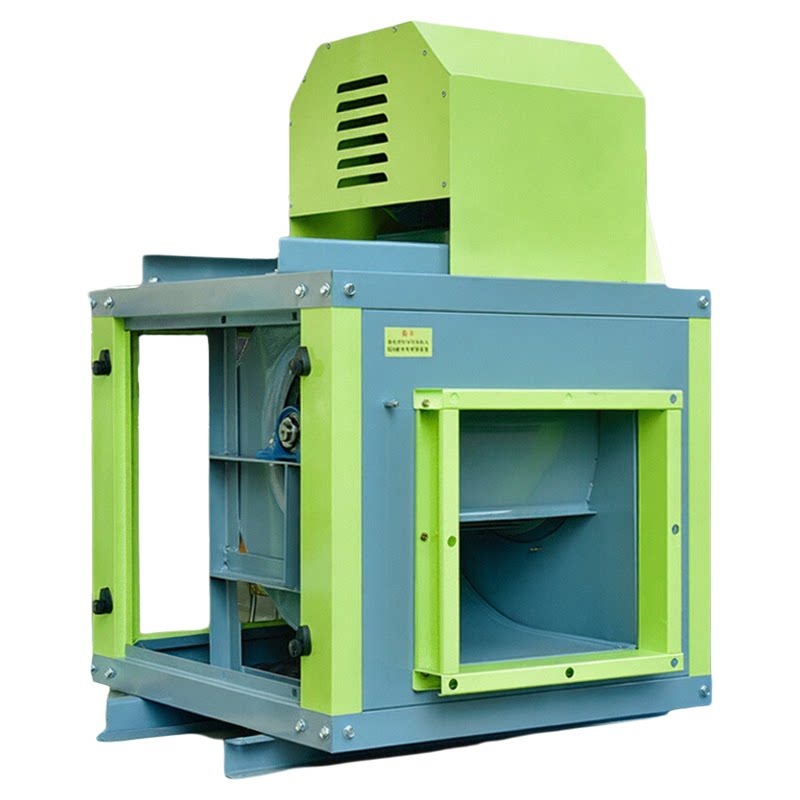
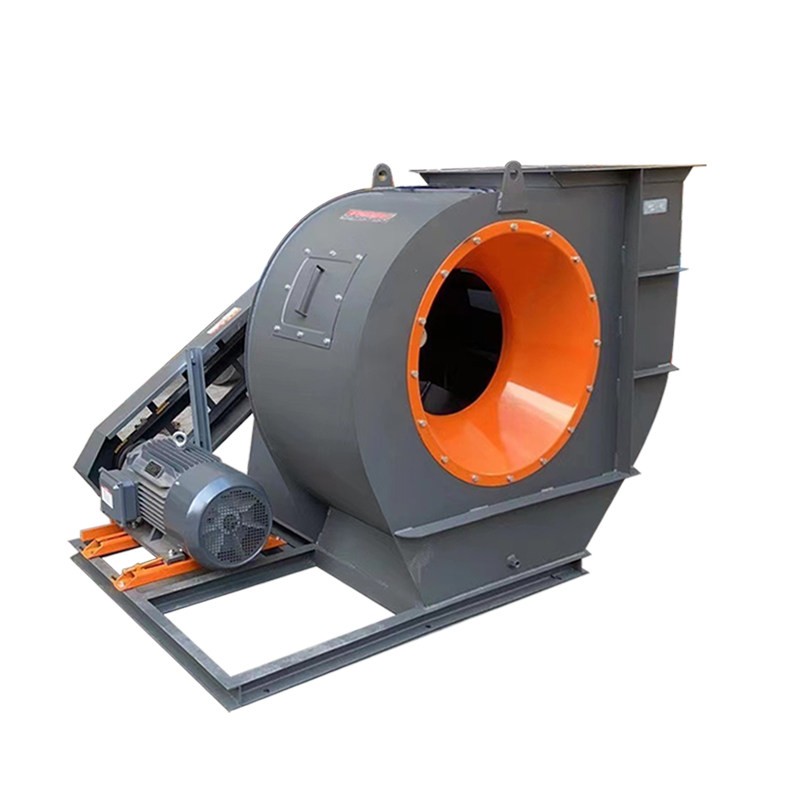
Taizhou Zicheng Electromechanical Co., Ltd. makes the fan products it sells. Its range includes axial, centrifugal, kitchen exhaust, and vortex blower products. Buyers can discuss an axial flow ventilator need with a maker of the listed fan range.

More Fan Types in One Range

The product range includes standard and handheld axial fan types, plus centrifugal and kitchen exhaust fan types. This lets buyers compare an axial flow ventilator with other fan approaches when a site has more than one air zone.

Related products

Portable Air for Confined Work

Portable Air for Confined Work

The Portable Axial Flow Fan 10,000 m³/h for Confined Spaces is for jobs where a fixed unit will not work. This axial flow ventilator can connect to telescopic air ducts. That can extend the air path from an access point. Check the space, duct route, air direction, and air need before you select an axial flow ventilator model.

Start With the Air Path

An axial flow ventilator moves air in line with its shaft. An axial flow ventilator can fit a room that needs broad air movement or a simple supply and exhaust path. First, state what the axial flow ventilator must do. An axial flow ventilator may bring fresh air into a work area. An axial flow ventilator may move warm or damp air out. An axial flow ventilator may help a drying task. An axial flow ventilator may give short-term air at a job site.

Next, draw the axial flow ventilator path. Mark the room size, inlet, outlet, and fan point. Note if the axial flow ventilator will sit in a wall, at an opening, or on a duct. This basic plan makes later choices much clearer.

Check Duct Resistance

Rated air is only a start. A grille, filter, bend, long duct, or small outlet can slow the air. These parts add resistance. They can change how an axial flow ventilator works once it is in place. An axial flow ventilator on a short, open route may suit the job. An axial flow ventilator on a long route with many bends needs a check of air volume and static pressure.

Do not pick the biggest axial flow ventilator just from rated air. An axial flow ventilator that looks right on paper may not suit the installed path. Give the duct size, length, bends, filters, and outlet details when you ask about an axial flow ventilator. This gives the supplier a sound basis for a product talk.

Match the Fan to the Site

Heat, moisture, and the air in the room matter. The 304 Stainless Steel Axial Fan 200°C for Drying Rooms is listed for drying rooms. The Aluminum Blade Axial Fan 39,000 m³/h for Tobacco Curing is listed for tobacco curing. Those names give an axial flow ventilator buyer a useful start for a site with heat or damp air. They do not replace a review of the real work conditions.

  • For a drying room, share the room size, process heat, damp level, and axial flow ventilator location.
  • For curing, show how air moves through the load and where it enters and leaves.
  • For a work shop, state if the axial flow ventilator goal is room air, local air, or an exhaust path.

An axial flow ventilator choice should also include the power at the site. Product 842 lists 220V and 380V options. The final version must match the power that is on site. Check space around the inlet and outlet, safe guards, support points, and room for service. These small facts can affect an axial flow ventilator installation.

Plan a Portable Setup

A portable axial flow ventilator has its own needs. The Portable Axial Flow Fan 10,000 m³/h for Confined Spaces is for jobs where the fan must move and where telescopic ducts may be used. State the access size, duct length, air outlet, and if the axial flow ventilator will send air in or pull air out. Check that the axial flow ventilator can be placed where the air path is clear.

The fan is one part of a work plan. It is not a full safety plan. For a confined space, use the site rules and check the full air setup before entry. Send a simple layout, the air goal, power, site heat, and the needed quantity. There is no one best axial flow ventilator for all sites. The better fit depends on the path, site conditions, and service access.

Axial Flow Ventilator FAQ

Common questions for industrial axial flow ventilator selection.

How do I size an axial flow ventilator?

Start with the axial flow ventilator job, not fan size alone. Give the room size, air need, inlet, outlet, duct size, duct length, bends, filters, and site power. Also state the heat, damp level, dust, and work hours. This helps show if an axial flow ventilator is a fit and which product can be reviewed. Check the final axial flow ventilator choice against the real installed path. Rated air in an open test may differ from air in a duct or room.
A portable axial flow ventilator can suit a job where the work point changes or where a fixed fan is not a fit. The listed Portable Axial Flow Fan 10,000 m³/h for Confined Spaces is linked to portable use and telescopic air ducts. Give the access size, space shape, duct route, air direction, and air goal. For confined work, use the site work rules and check the full air plan before people enter the space.
Share the process heat, damp level, room size, air path, product load, and axial flow ventilator points. The listed 304 Stainless Steel Axial Fan 200°C for Drying Rooms and Aluminum Blade Axial Fan 39,000 m³/h for Tobacco Curing give two product paths to discuss. An axial flow ventilator should match the real heat and moisture conditions. Do not choose from rated air alone when the room has a drying process.
It depends on the resistance in the route. Long ducts, small ducts, bends, filters, grilles, and outlets can all slow air. An axial flow ventilator may suit a short route with low resistance. A tight route needs air volume and static pressure checked as a pair. Send a duct sketch and the air goal. The supplier can then discuss if an axial flow ventilator or another fan type is a better fit for the planned path.

Get a Free Quote

Our representative will contact you soon.
Email
Mobile/WhatsApp
Name
Company Name
Message
0/1000