Map the Air Route First
Commercial kitchen extraction starts at the hood. It ends at the discharge point. Map that route before you select a fan. Count the hoods. List the cooking appliances. Record the duct size. Note each straight section, elbow, damper, filter, and outlet. These items add resistance. A fan can move a different amount of air after it is connected to a real duct route.
For commercial kitchen extraction, ask for the required airflow and static pressure. These two figures describe the duty point. If they are not ready, send the hood size, equipment list, and a simple duct sketch. This gives a supplier a better starting point than fan diameter or motor power alone.
Choose for Pressure as Well as Airflow
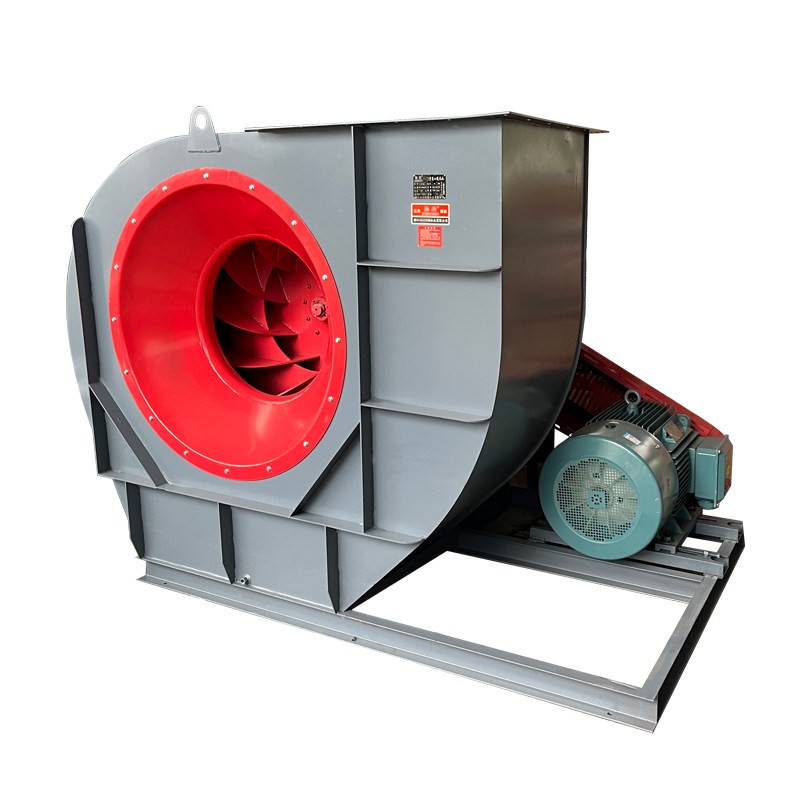
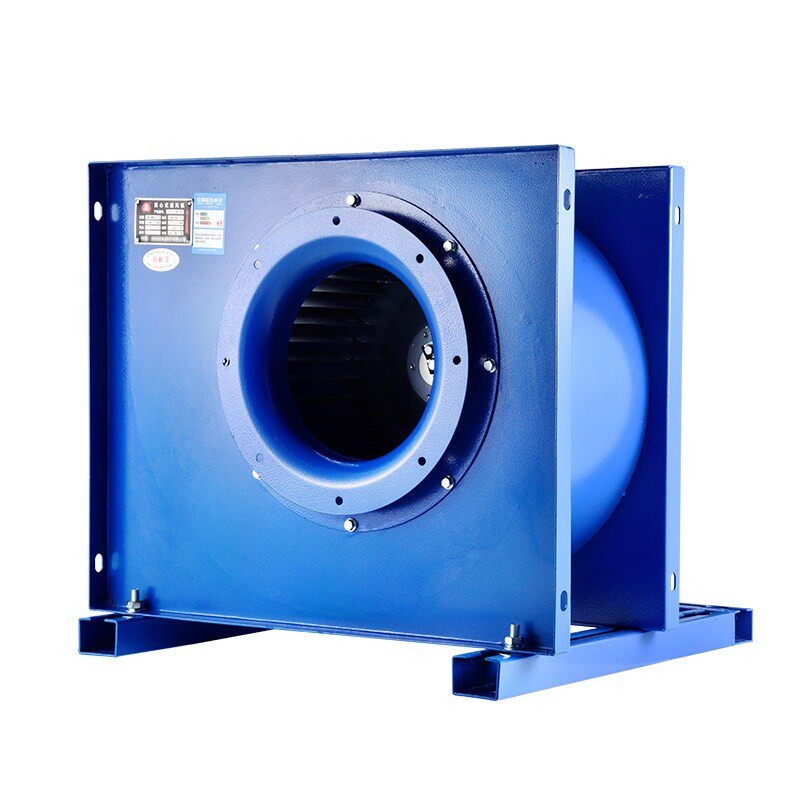
Commercial kitchen extraction systems often use centrifugal fans when the route has bends, filters, or longer ducts. The selected CF-11 and 11-62 products are multi-wing centrifugal fan options for kitchen exhaust. The CF-11 lists a maximum airflow of 20,000 m³/h and a maximum static pressure of 1,000 Pa. The 11-62 listing gives power options from 0.75 kW to 5.5 kW. It also lists its own airflow and pressure limits.
Every commercial kitchen extraction layout needs its own review. Commercial kitchen extraction must match the actual duct route. A short, simple route can differ from a hotel kitchen route near guest rooms. A larger fan is not always the better choice. Too much capacity can make control harder. Too little capacity may miss the duty point. Compare the fan curve with the system calculation for the model you are reviewing.
Look at the Site Conditions
Commercial kitchen extraction equipment works near heat, moisture, and grease-laden air. Check the air around the fan, not just the air at the cook line. Ceiling voids and service rooms can be hot. Roof spaces can have access limits. The cabinet smoke exhaust fan in this range lists an IP65 motor, high-temperature coils, and high-temperature ball bearings. These are published product features. They may matter for a demanding site. They do not replace the project rules or local requirements.
- For commercial kitchen extraction, confirm the footprint and service space.
- For commercial kitchen extraction, record voltage, frequency, and control needs.
- For commercial kitchen extraction, plan cleaning access for filters, ducts, and the fan.
- For commercial kitchen extraction, check the outlet location for local noise or odor rules.
Review Noise at the Whole-System Level
Commercial kitchen extraction can sit near dining rooms, hotel rooms, offices, or nearby buildings. Commercial kitchen extraction noise needs a full-system review. Fan speed, duct speed, bends, grilles, vibration mounts, and the building structure can all change the result. The 11-62 listing states a noise value of 65 dB. The CF-11 listing describes low-noise features. Use product data as one input. Do not treat one sound figure as a site prediction.
Send a Clear Quote Request
A clear commercial kitchen extraction request saves time. Include airflow, static pressure, hood details, duct details, air temperature, site location, power supply, and target quantity. Add a drawing or photo when it helps explain the route. State if the work is a new build, replacement, or retrofit. The supplier can then compare the stated conditions with the available product range. It can also identify details that still need to be checked before you make a final selection.

 EN