Portable Ventilator Fan for Field Airflow

Get a Free Quote

Our representative will contact you soon.
Email
Mobile/WhatsApp
Name
Company Name
Message
0/1000
Portable Ventilator Fan Selection for Field Ventilation

Portable Ventilator Fan Selection for Field Ventilation

A portable ventilator fan moves air where a fixed system will not fit. A portable ventilator fan can supply fresh air or draw air from a work zone. This guide helps contractors, integrators, and distributors plan a portable ventilator fan for ship holds, tanks, workshops, and service areas. Start with the space size, access point, duct route, power source, and air condition. Do not select a portable ventilator fan by a peak airflow figure alone. The selected axial product lists about 3,000 to 10,000 m³/h. The selected centrifugal products support projects that need a pressure review. Taizhou Zicheng Electromechanical makes axial and centrifugal fan types. Send the airflow need, duct details, and site conditions for a product discussion and quotation.
Get A Quote

Manufacturer Support for Fan Projects

Supplier context for portable and project ventilation equipment.

Direct Factory Production

Taizhou Zicheng Electromechanical makes the fan products it offers. A buyer can discuss the portable ventilator fan application and site details with the source supplier.

Axial and Centrifugal Range

The available range includes standard and handheld axial fans plus centrifugal fan types. This helps a team compare a portable ventilator fan need with a ducted, pressure-led need in one discussion.

Related products

Mobile Airflow for Enclosed Work

Mobile Airflow for Enclosed Work

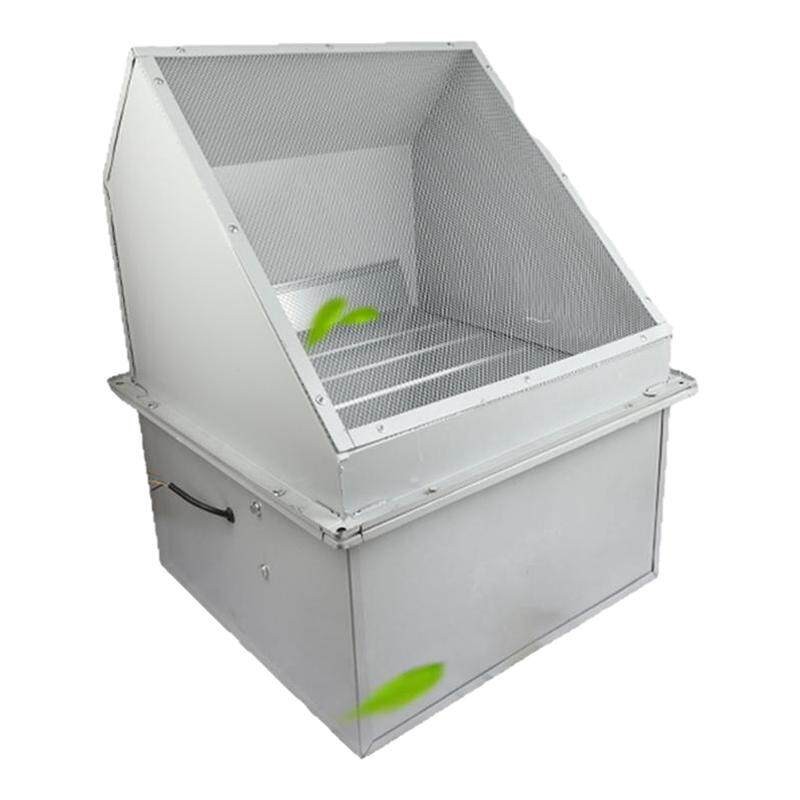
The Portable Axial Flow Fan 10,000 m³/h for Confined Spaces is a mobile axial option. Its product record lists about 3,000 to 10,000 m³/h and telescopic duct connection. A portable ventilator fan can move air between an access point and the work area. Match the portable ventilator fan to the space, duct route, and required airflow.

Map the Air Path

A portable ventilator fan is for work that moves from site to site. Start with the air path. A portable ventilator fan may supply fresh air. It may also draw air from a work zone. Mark the space size, entry point, duct run, and discharge point. A portable ventilator fan needs a clear path to work as planned.

List the facts before you ask for a model. Give the room size, duct length, duct diameter, power source, and air condition. State if the unit must move during the job. These facts help a supplier review a portable ventilator fan for the task. They also show if a fixed system may be needed instead.

Check Duct Resistance

A portable ventilator fan can be a good start for a short and direct duct route. The selected axial product can connect to telescopic air ducts. Its listed range is about 3,000 to 10,000 m³/h. A portable ventilator fan should not be chosen by the top rating alone. Bends, grilles, and filters add resistance. They can change the air flow at the point of use.

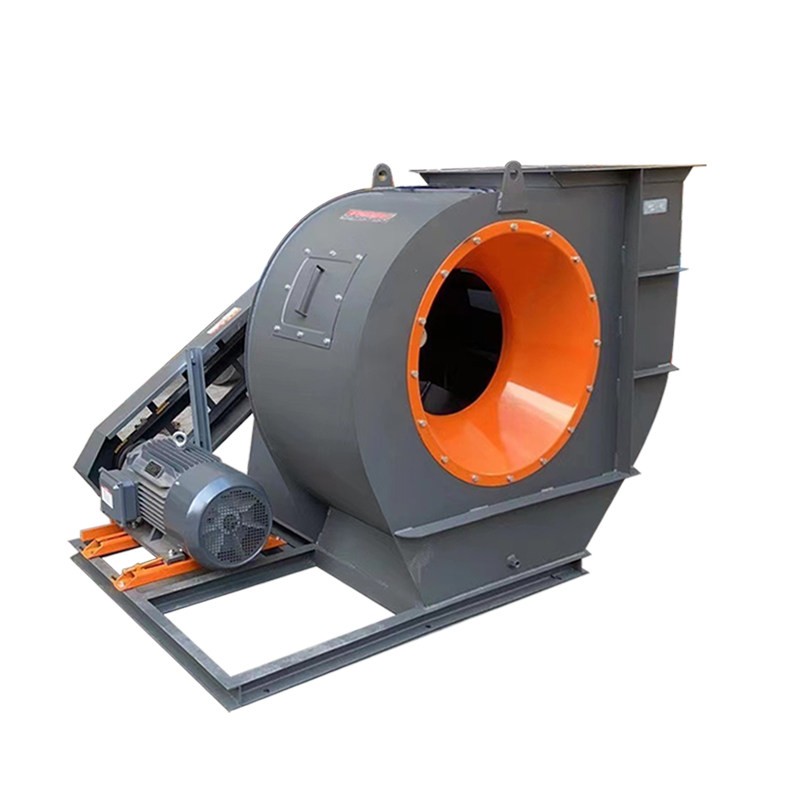
A portable ventilator fan may not suit each long or tight route. For more resistance, review a centrifugal fan. The listed 9-19 product has a stated maximum pressure of 9,200 Pa. The 4-72A product has a stated maximum pressure of 2,500 Pa. These are product limits. They do not predict site results. Compare the required flow and system resistance with a fan curve before the final choice.

Review the Work Area

A portable ventilator fan must match the air and the site. Ask if dust, heat, or corrosive air is present. Ask if there is an ignition hazard. A portable ventilator fan is not a replacement for equipment made for a hazardous task. The two listed centrifugal products state use limits for non-corrosive and non-self-igniting media. Their records also state a maximum medium temperature of 80°C. Confirm the actual job stays within the stated limits.

  • Place a portable ventilator fan on a stable surface with a clear inlet and outlet.
  • Keep the duct route short and direct when the site layout allows it.
  • Check the power supply and connection method before the portable ventilator fan is delivered.
  • Allow room to inspect, clean, and move the portable ventilator fan safely.

Plan for Real Use

A portable ventilator fan still needs a safe setup. Protect the guard, cable, and duct joint from damage. Check noise where people will work. The duct, floor, and nearby machines can change the sound at the site. If mobility and a direct route matter most, an axial portable ventilator fan may be the first option to review. If duct resistance is the key issue, request a centrifugal review. Share the duty point with the manufacturer for a more useful product discussion.

Portable Ventilator Fan FAQ

Questions for planning a temporary ventilation purchase.

How do I size a portable ventilator fan?

Size a portable ventilator fan from the actual job, not from a nameplate figure alone. Send the room dimensions, air direction, duct diameter, duct length, bend count, and discharge point. These details affect resistance. The selected axial product lists about 3,000 to 10,000 m³/h across its configurations. Ask the supplier to review the proposed duty point and duct layout. A portable ventilator fan for a short open route may need a different review from one used with long flexible duct. Include the power supply and the condition of the air in the request. A portable ventilator fan quote is more useful when the full route is known.
The selected Portable Axial Flow Fan product record says it can connect with telescopic air ducts. Confirm the exact duct connection and diameter for the model. A portable ventilator fan works with the route that is actually installed, so keep the route direct where possible. Bends and restrictions add resistance. Plan the discharge point as well. A portable ventilator fan and duct should be stable and clear of people and moving equipment. Check the connection and air path before work begins. The portable ventilator fan should have clear space at its inlet and outlet.
Review a centrifugal model when duct length, bends, filters, or process equipment create more resistance. A portable ventilator fan may suit a simple and mobile air path. A pressure-led duct system may need another fan type. The listed 9-19 centrifugal fan states a maximum pressure of 9,200 Pa. The listed 4-72A fan states a maximum pressure of 2,500 Pa. These figures are not site guarantees. Compare the required air flow and calculated resistance with the relevant fan curve. A portable ventilator fan can then be compared against the pressure need in a clear way. Ask whether the portable ventilator fan is for supply or extraction.
Send the application, space dimensions, air direction, target flow, duct size, duct length, bend count, voltage, and air condition. State if the portable ventilator fan will move often. State if it will serve a confined or semi-enclosed area. Note heat, dust, corrosion, or other site limits. This lets the manufacturer review a portable ventilator fan against the work details. A sketch or site photo can help explain the route. The supplier can then discuss whether an axial or centrifugal option should be checked first. Include the planned portable ventilator fan placement if you have it.

Get a Free Quote

Our representative will contact you soon.
Email
Mobile/WhatsApp
Name
Company Name
Message
0/1000