Set the Mechanical Vent Duty Point
Start a mechanical vent plan with the duty point. For the mechanical vent, this means the airflow needed at the work area and the pressure needed to move that air through the full route. A large airflow number alone does not show how a mechanical vent will work after installation. Duct length, bends, filters, hoods, dampers, and outlets all add loss. The mechanical vent fan must meet the required airflow at the pressure created by the whole system.
Make a short mechanical vent project list before you compare models. Include airflow, duct size, duct length, bends, filters, hoods, inlet and outlet details, air or gas type, temperature, dust, moisture, voltage, and run time. A sketch is useful. If the pressure is not known, give the route details. This gives the mechanical vent supplier a sound basis for a mechanical vent review.
Use Pressure Data, Not Just Fan Size
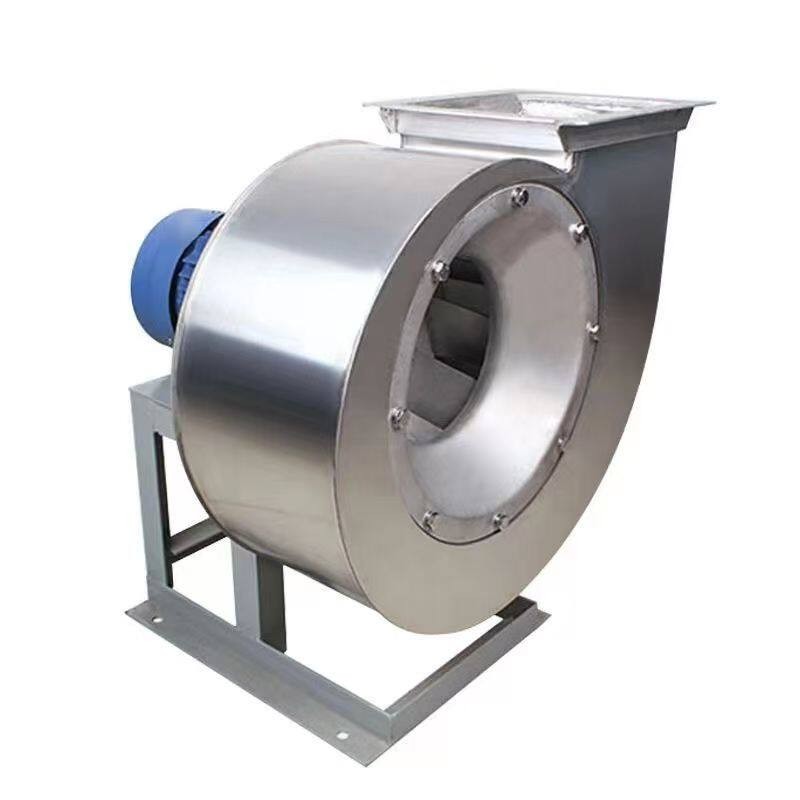
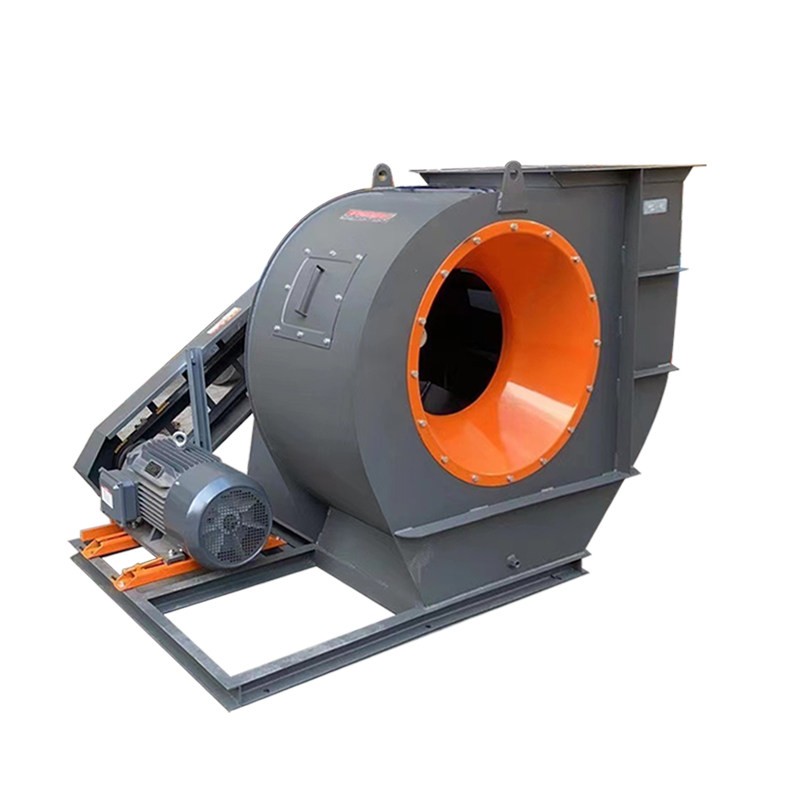
For a ducted mechanical vent system, a centrifugal fan is often worth review when the air path has real resistance. For the mechanical vent system, the selected 4-72A options list maximum static pressure of 2,500 Pa. The selected 9-19 and 9-26 options list pressure up to 9,200 Pa. These values show a product limit. They do not mean that maximum airflow and maximum pressure occur at the same time.
- Match the fan curve to the system curve at the airflow you need.
- Count bends, filters, dampers, and hoods in the mechanical vent layout.
- Check if a future branch or filter may add more loss.
- Do not select the largest motor only because it is available.
A high-pressure mechanical vent option may suit a long or tight duct route. It may not suit a short route with little loss. The best mechanical vent choice follows the actual air path. This is why project data matters more than a simple building size.
Check Air, Gas, and Fan Material
The airstream is a core part of mechanical vent selection. The 304 Stainless 4-72A is listed for chemical-oriented use and offers stainless steel construction. The carbon steel 4-72A is listed for factory use. Check the real air or gas, moisture, heat, dust, and any corrosive effect before choosing either option. Do not assume one housing material works in every place.
Each selected product has its own stated limits. Use these as a mechanical vent check list for the mechanical vent application. If the medium, heat, or safety need is outside the product record, ask for a separate review. Where a project needs a test, protection, or safety standard, confirm the right standard for the job and market before adding it to the specification.
Install the Mechanical Vent as a System
A mechanical vent fan is one main part of the system. A tight inlet, sharp duct change, poor support, or weak joint can add loss or pass vibration into the duct. Plan the fan location, service space, connection direction, support, and power supply early. Make sure the site team can inspect the impeller, motor, joints, and vibration parts.
Do not treat the first drawing as fixed. Extra bends, a new filter, or a changed hood can change mechanical vent resistance. Review the mechanical vent fan choice whenever the route changes. This step is most useful on long duct runs, where small changes can add up.
Send Clear Project Details
For a mechanical vent inquiry, send target airflow, estimated pressure, air or gas details, peak inlet temperature, voltage, needed material, dimensions, and a duct sketch. These mechanical vent details help narrow the listed centrifugal products to a useful starting point. A multi-zone mechanical vent project can also show which zones need pressure and which need general air exchange. Taizhou Zicheng Electromechanical Co., Ltd. offers axial and centrifugal fan types, so buyers can discuss the best category for each zone without assuming one fan should serve the whole site.

 EN