Heat Recovery Extractor Fan Selection Guide

Get a Free Quote

Our representative will contact you soon.
Email
Mobile/WhatsApp
Name
Company Name
Message
0/1000
Heat Recovery Extractor Fan Planning for Projects

Heat Recovery Extractor Fan Planning for Projects

A heat recovery extractor fan needs a clear air path before a buyer chooses equipment. A heat recovery extractor fan project should list airflow, pressure, heat, moisture, duct size, and power. A heat recovery extractor fan may sit in a system with a recovery section, filters, dampers, and supply air equipment. The listed fans are real options for the extract side. They are not sold here as complete recovery units. Taizhou Zicheng Electromechanical Co., Ltd. designs, develops, and produces axial fans, centrifugal fans, kitchen exhaust fans, and vortex blowers. A heat recovery extractor fan inquiry is more useful when it includes a sketch and the site conditions. Send the duty point and operating details for a model review and quotation.
Get A Quote

Manufacturer Context for Fan Projects

Verified product-family coverage and direct manufacturing context for buyers comparing extract-side equipment.

Direct Manufacturing Context

Taizhou Zicheng Electromechanical Co., Ltd. is listed as a manufacturer that integrates design, development, and production for its offered fan products. A heat recovery extractor fan buyer can use this direct route to discuss the conditions behind a fan choice.

Axial and Centrifugal Range

The verified profile lists axial fans, centrifugal fans, kitchen exhaust fans, and vortex blowers. A heat recovery extractor fan project may need to compare more than one fan type when zones or duct duties differ.

Related products

High-Temperature Extract-Side Option

High-Temperature Extract-Side Option

The 304 Stainless Steel Axial Fan is listed for drying rooms up to 200°C. It has a 2,100–39,000 m³/h airflow range and 304 stainless-steel construction. A heat recovery extractor fan project may review this real product where hot or humid air affects the extract side. It is not presented as a complete heat recovery extractor fan unit. Final fit depends on the system duty and material review.

Map the Air Route First

A heat recovery extractor fan is part of a larger air system. Mark where air enters, where it leaves, and where recovery takes place. A heat recovery extractor fan plan should name the heat source and the air medium. Note heat, humidity, dust, grease, vapor, and possible condensate. These items can affect materials and cleaning. A heat recovery extractor fan for clean room air may need a different approach from one used near a drying process.

For a new job, record the needed airflow at the real duty point. For a retrofit, measure duct size and note bends, filters, dampers, and grilles. A heat recovery extractor fan must move air through the route that will exist on site. An open-air rating does not show the airflow after a long duct run.

Use Airflow and Pressure Together

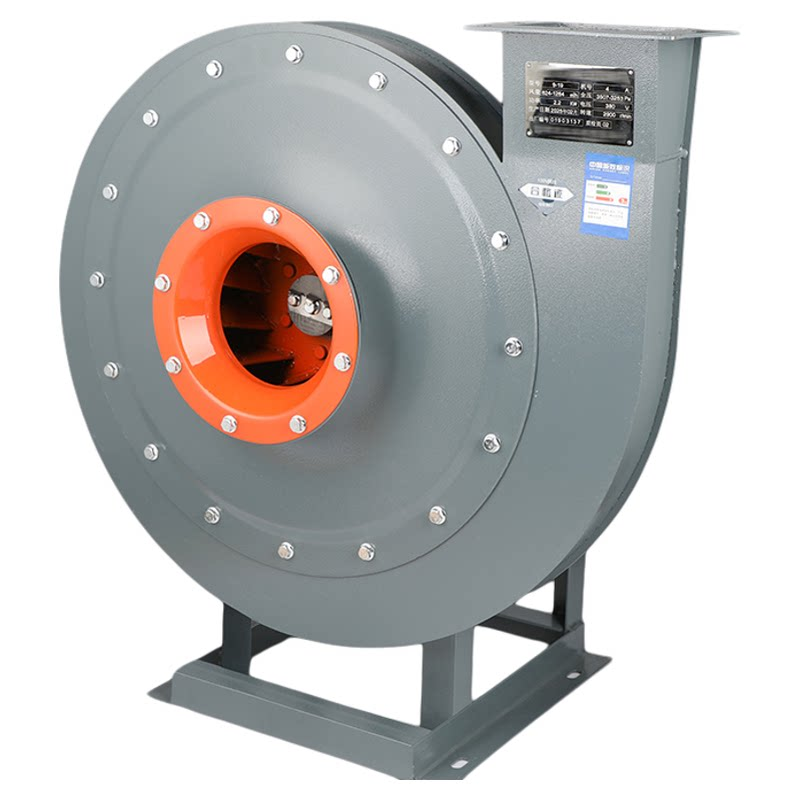
A heat recovery extractor fan should not be picked by airflow alone. Pressure loss rises with duct length, bends, filters, and recovery sections. A heat recovery extractor fan needs enough pressure for the full route. Axial fans can suit a direct, lower-resistance route. A more restrictive route may call for another pressure approach. The best choice depends on the duty point, not on the fan name.

  • Give the target airflow and estimated static pressure at the fan position.
  • List duct size, duct length, bends, filters, dampers, and discharge points.
  • State if the heat recovery extractor fan pulls air through the recovery section or pushes air toward it.
  • Confirm voltage, frequency, mounting position, and control needs.

These details allow a supplier to compare a heat recovery extractor fan request with real options. They also show whether an axial fan, a centrifugal fan, or a separate supply-and-extract layout needs more review.

Check Heat, Water, and Materials

A heat recovery extractor fan does not remove the need to check the extract stream. Drying and curing work can include heat and moisture. The listed 304 Stainless Steel Axial Fan is documented for drying rooms up to 200°C. It has 304 stainless-steel construction. The Aluminum Blade Axial Fan is listed for tobacco-curing ventilation up to 39,000 m³/h. A heat recovery extractor fan buyer can use these records to start a discussion about harsh conditions. The records do not prove fit with every recovery core or process stream.

State how the system will be cleaned. State which parts see grease, vapor, dust, or condensate. A heat recovery extractor fan may cost more when the stream needs a higher material grade. That is a real trade-off. Choose materials based on the actual air, heat, and service plan.

Plan Access and Service

A heat recovery extractor fan system needs access for checks and cleaning. Leave room around filters, ducts, panels, and joints. Good access can make routine work simpler. Mounting also affects noise and vibration. Check the support, duct joints, flexible links, and discharge location before ordering.

The Portable Axial Flow Fan is listed at 3,000–10,000 m³/h. It can connect to telescopic air ducts. It is a mobile option for temporary ventilation. It is not a fixed heat recovery extractor fan system. For permanent work, assess the fixed equipment and full route as one job.

Prepare the Inquiry

Send a sketch, airflow target, pressure target, air temperature, humidity, medium, power supply, and photos where possible. Say if the work is a new build, retrofit, or replacement. A heat recovery extractor fan inquiry with these facts is easier to review. A heat recovery extractor fan brief should also state the recovery section, filter plan, service access, and discharge point. A heat recovery extractor fan layout may change when the air stream has dust, grease, vapor, or condensate. A heat recovery extractor fan review should compare the fan with the whole duct route. Taizhou Zicheng Electromechanical Co., Ltd. can compare the request with its axial, centrifugal, kitchen exhaust, and vortex blower scope. This keeps a heat recovery extractor fan choice tied to site data rather than an assumed fit.

Heat Recovery Extractor Fan FAQ

Heat recovery extractor fan questions for extract-side planning.

What details are needed for fan selection?

A heat recovery extractor fan request should include airflow, static pressure, duct size, duct length, bends, filters, dampers, power supply, and mounting position. Describe the temperature, humidity, dust, grease, vapor, or condensate in the extract air. These facts show the real fan duty. A drawing or site photos can help with a retrofit. A heat recovery extractor fan can then be reviewed against the route that exists, rather than against a short and incomplete description.
No. A heat recovery extractor fan choice depends on resistance and duty point. A direct route can differ from a route with long ducts, filters, bends, and recovery parts. Axial fans are one real product family in the available range. The verified company profile also lists centrifugal fans. A heat recovery extractor fan buyer should share the layout so fan type can be compared with the needed pressure, not chosen only from a nominal airflow figure.
No. The listed products are real fan options for related ventilation conditions. They are not complete heat recovery extractor fan units. A full system also needs a recovery method, supply and extract paths, duct design, controls, and service access. The 304 stainless-steel axial fan is documented for drying rooms up to 200°C. That fact does not prove fit with every recovery component. Review the full assembly before final selection.
A heat recovery extractor fan project should define the temperature range, humidity, contaminants, and cleaning plan. Materials, motor conditions, drainage, access, and the recovery part all depend on these limits. The 304 Stainless Steel Axial Fan record documents operation up to 200°C and stainless-steel construction for drying rooms. A heat recovery extractor fan for another duty needs its own review. Provide the real stream conditions and service plan so the extract side and the rest of the system can be assessed together.

Get a Free Quote

Our representative will contact you soon.
Email
Mobile/WhatsApp
Name
Company Name
Message
0/1000