Heavy Duty Industrial Exhaust Fan Selection Guide

Get a Free Quote

Our representative will contact you soon.
Email
Mobile/WhatsApp
Name
Company Name
Message
0/1000
Heavy Duty Industrial Exhaust Fan Selection Guide

Heavy Duty Industrial Exhaust Fan Selection Guide

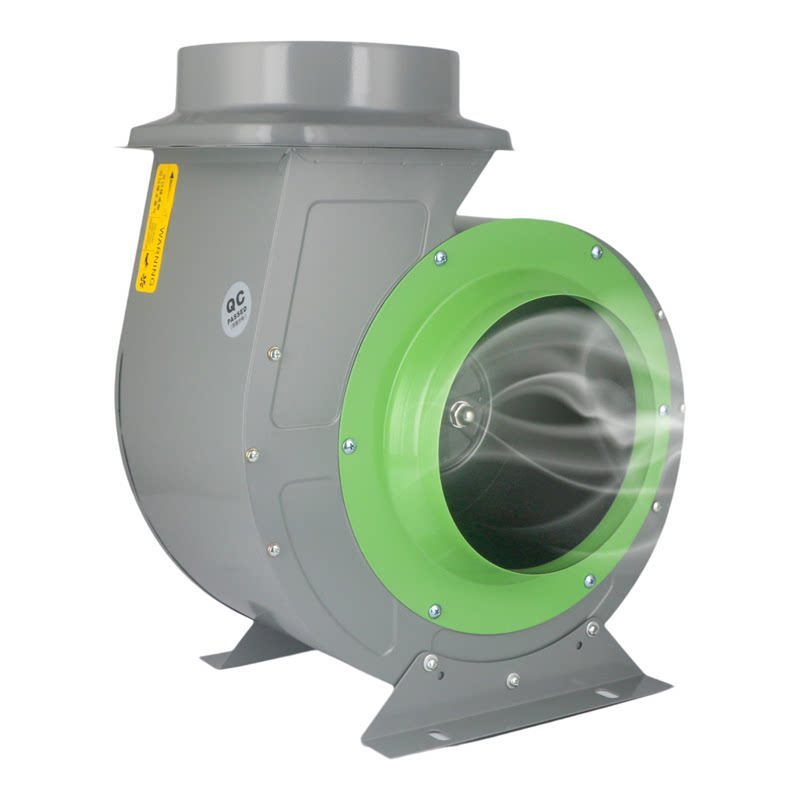
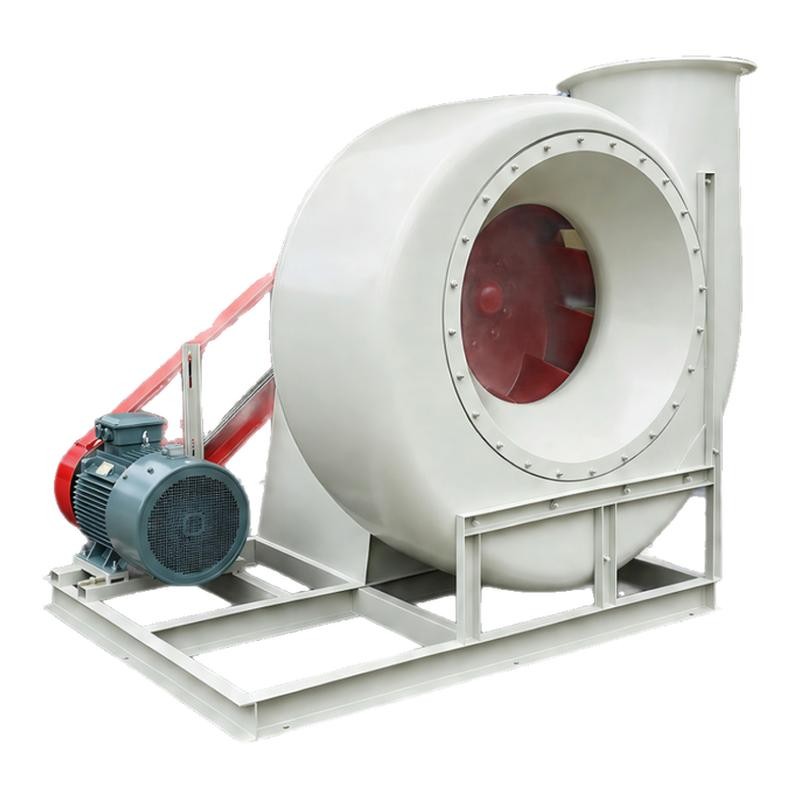
A heavy duty industrial exhaust fan should fit the air path and site conditions. This heavy duty industrial exhaust fan guide covers centrifugal options for factories, process areas, long ducts, bends, and filters. The range includes 4-72A fans for general ventilation and 9-19 or 9-26 options for systems with more resistance. Taizhou Zicheng Electromechanical Co., Ltd. makes axial fans, centrifugal fans, kitchen exhaust fans, and vortex blowers. Start with airflow, static pressure, gas temperature, particle content, power supply, and duct layout. Compare the fan curve and product limits with the duty point. Send those details to discuss a model and quotation.
Get A Quote

Industrial Fan Supplier Context

Supplier context for industrial project buyers.

Direct Fan Manufacturing

Taizhou Zicheng Electromechanical Co., Ltd. is a manufacturer with direct production capability for its offered fan products. Buyers can review fit and supply requirements with a direct source.

Broad Fan Type Coverage

The range includes axial and centrifugal fan types, kitchen exhaust fans, and vortex blowers. Buyers planning multi-zone ventilation can review related categories through one supplier.

Related products

High-Resistance Exhaust Option

High-Resistance Exhaust Option

The 9-19 High-Pressure Centrifugal Fan is an option for forging and similar systems with duct resistance. Its product record states a maximum total pressure of 9,200 Pa, a maximum airflow of 7,000 m³/h, and a 0.75 kW to 30 kW power range. Fit depends on the duty point, medium, temperature, and duct system.

Set the Duty Point First

A heavy duty industrial exhaust fan needs airflow and static pressure data. List each duct, bend, branch, hood, damper, filter, and discharge part. Each part adds resistance. A high free-air number does not prove a fan will fit a ducted system. Use the required airflow and system resistance to find an operating point on the fan curve. For a retrofit, measure duct sizes and note later additions. Use this first check for each heavy duty industrial exhaust fan.

Match Pressure to the Air Path

Centrifugal fans are often reviewed when the route has steady resistance. The listed 4-72A products state up to 2,500 Pa maximum static pressure and up to 20,000 m³/h maximum flow. The 9-19 and 9-26 records state options up to 9,200 Pa. A short open route may need a different choice than a long route with filters. More pressure is not always better. It can affect balancing, noise, and power. Select a heavy duty industrial exhaust fan from the duty point, not a peak figure.

Check the Air and Site

Confirm what the fan will handle before choosing material or motor details. The stainless 4-72A record lists a 304 stainless housing, a maximum gas temperature of 80°C, and dust or hard particles not over 150 mg/m³. The carbon-steel 4-72A record is for non-self-igniting, non-corrosive gases within stated limits. The high-pressure products also have medium limits. For corrosive vapor, combustible dust, sticky material, high heat, or outdoor exposure, ask for a technical review. Do not assume a standard model will fit.

Fit the Installation

Check voltage, mounting space, inlet and discharge direction, service access, and duct connections. The listed series offer structural arrangements or power choices, but the selected version must fit the layout. Keep transitions smooth where possible. Avoid an obstruction at the inlet. Use vibration isolation and flexible connections where the design calls for them. These steps support a sound plan. They do not promise a field result.

Review Changes Over Time

Inspect the exhaust path on a schedule. Filters load. Ducts change. Deposits add resistance. Check the impeller, housing, supports, connections, and isolation parts. Record unusual noise, vibration, or airflow for review. When you request a recommendation, send airflow, static pressure, temperature, medium, particle data, power supply, and an installation drawing. A heavy duty industrial exhaust fan can then be reviewed against real conditions.

Industrial Exhaust Fan FAQ

Practical questions for fan and system fit.

What data is needed to select an exhaust fan?

Send airflow, system static pressure, duct layout, temperature, medium, particle conditions, power supply, and mounting space. Include hoods, filters, bends, branches, dampers, and discharge details. They affect resistance. For an old system, photos and dimensions can help show the air path. A product maximum does not replace matching a curve to the duty point. If key values are unknown, establish them before confirming a model. This gives the supplier a sound basis for review.
A centrifugal fan is often reviewed when the system has ducts, turns, filters, transitions, or other resistance. The needed pressure range depends on the duty point, not just the building type. The selected 4-72A models list up to 2,500 Pa maximum static pressure. The selected 9-19 and 9-26 models list higher pressure capability. Check the product record and curve before choosing. A short open route may need a different solution from a high-resistance process system.
Review the air stream and site exposure separately. The 304 stainless 4-72A record lists a stainless housing, a maximum gas temperature of 80°C, and a particulate limit of 150 mg/m³. Carbon-steel and high-pressure models have their own conditions. Do not assume a standard fan suits corrosive gases, sticky material, combustible material, or temperatures outside documented limits. State the gas, peak temperature, humidity, particle load, and indoor or outdoor location when you ask for technical review.
Check the installed system, not only the first design notes. Filters, duct routes, branches, hoods, and deposits can change resistance and the duty point. Inspect the impeller, housing, connections, supports, and vibration parts under the site maintenance plan. Record unusual noise, vibration, or airflow for review. Keep service access clear. Do not draw a performance conclusion from one nameplate value. Periodic checks can show exhaust-path changes that need maintenance or adjustment.

Related article

How to Choose a Reliable Centrifugal Fan Manufacturer in China (2026 Buyer's Guide)

14

Sep

How to Choose a Reliable Centrifugal Fan Manufacturer in China (2026 Buyer's Guide)

A practical 2026 buyer's guide to choosing a trustworthy centrifugal fan manufacturer: certifications, quality control, SS304 materials, OEM support, MOQ and delivery.
View More
How to Choose the Right Aquaculture Aerator for Your Fish Farm (2026 Buying Guide)

14

Sep

How to Choose the Right Aquaculture Aerator for Your Fish Farm (2026 Buying Guide)

Paddle wheel, impeller or vortex? Learn how to size a pond aerator, cut energy costs and find a reliable aquaculture aerator manufacturer for your farm.
View More
Industrial Ventilation Fan Selection Guide: Axial vs Centrifugal vs Mixed Flow

14

Sep

Industrial Ventilation Fan Selection Guide: Axial vs Centrifugal vs Mixed Flow

Compare axial, centrifugal and mixed flow industrial ventilation fans by pressure, airflow and noise, and learn how to buy direct from a factory.
View More

Get a Free Quote

Our representative will contact you soon.
Email
Mobile/WhatsApp
Name
Company Name
Message
0/1000