Upblast Exhaust Fan Selection for Ducted Systems

Get a Free Quote

Our representative will contact you soon.
Email
Mobile/WhatsApp
Name
Company Name
Message
0/1000
Upblast Exhaust Fan Selection for Ducted Systems

Upblast Exhaust Fan Selection for Ducted Systems

An upblast exhaust fan moves used air through a duct path to an upper discharge point. An upblast exhaust fan can be part of a shop, plant, kitchen, or other ducted exhaust plan. The right upblast exhaust fan depends on the air flow need, the duct path, the loss from bends and filters, and the air being moved. Zicheng makes axial fans, centrifugal fans, kitchen exhaust fans, and vortex blowers. The listed fan products give buyers real options to review. An upblast exhaust fan should be chosen from the duty point, not from the name alone. Send the flow, static pressure, air temperature, duct plan, and power supply for a focused quote review.
Get A Quote

Supplier Context for Fan Projects

A clear starting point for a fan and duct review.

Direct Factory Source

Taizhou Zicheng Electromechanical Co., Ltd. is listed in the merchant profile as a manufacturer, not a trading company. It has direct factory production capability for the fan products it offers.

Broad Fan Product Range

The stated range covers axial fan types, centrifugal fan types, kitchen exhaust fans, and vortex blowers. This gives project buyers several fan groups to review for a multi-zone job.

Design to Production Work

The site profile says the company combines design, development, and production. Buyers can start with duty data and discuss a fan fit before they select a model.

Related products

Duct Pressure Review Point

Duct Pressure Review Point

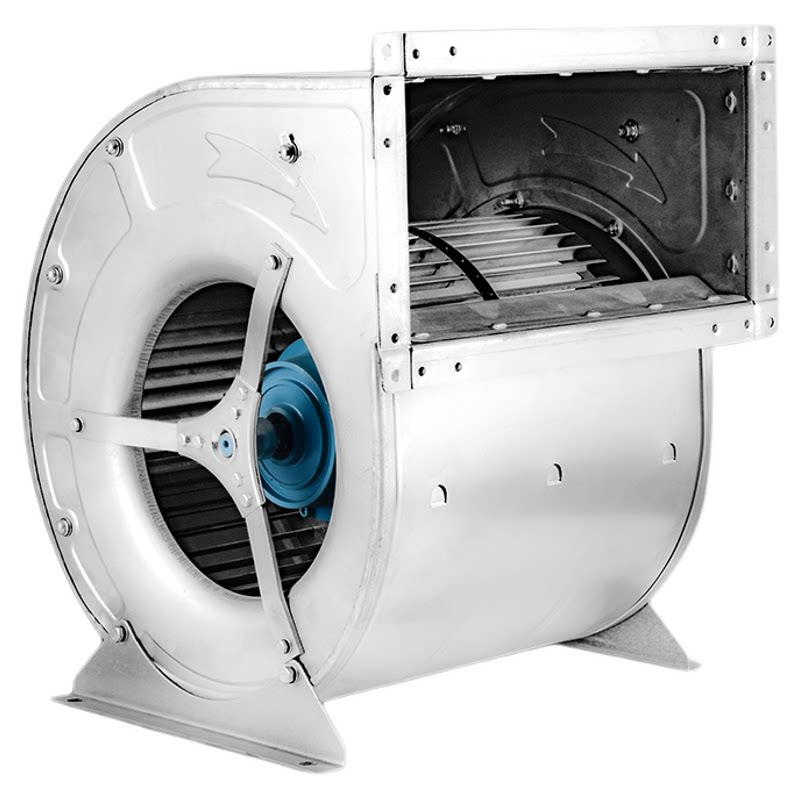
The 304 Stainless 4-72A Centrifugal Fan is listed with a maximum static pressure of 2,500 Pa and a maximum flow rate of 20,000 m³/h. It has a 304 stainless steel housing and A, B, C, and D structures. An upblast exhaust fan review can use these stated facts to check a ducted duty, but the job still needs a full duty point and a system check.

Map the Full Air Path

An upblast exhaust fan needs a clear duty sheet. An upblast exhaust fan needs a clear duct plan. An upblast exhaust fan needs the actual air conditions. An upblast exhaust fan also needs a sound mount plan. Use the same upblast exhaust fan term in the RFQ so the project file stays clear.

Start an upblast exhaust fan review with the full air path. Mark where air enters the system. Mark each hood, branch, bend, damper, filter, and outlet. An upblast exhaust fan must work with the full path, not just with a free-air flow figure. Long runs and sharp bends add loss. A filter can add more loss as it loads. Put the needed air flow and the planned static pressure on one duty sheet. This gives the project team a sound base for the next step.

For an upblast exhaust fan replacement, collect the old nameplate, motor voltage, duct size, and a note about the issue. Is the old unit short on flow, loud, hard to reach, or in poor shape? These details do not prove the cause, but they help frame the review. For a new upblast exhaust fan system, add a duct drawing and the planned discharge point.

Match Pressure to the Duct Job

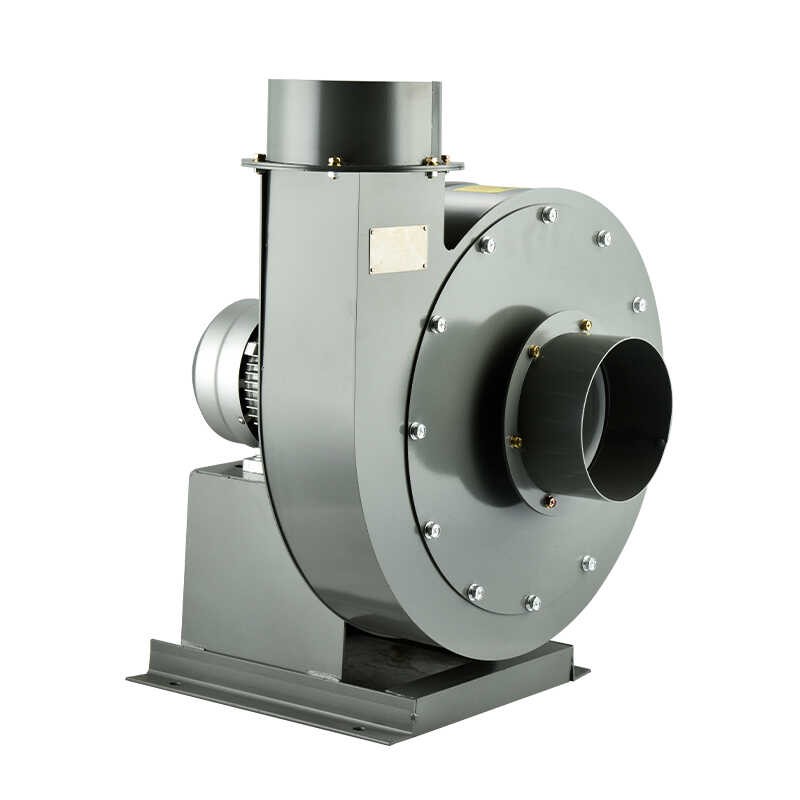
An upblast exhaust fan is often used with a duct system. Centrifugal fan options can be worth a close look when the path has real resistance. This page lists 4-72A models with maximum static pressure of 2,500 Pa. It also lists 9-19 and 9-26 high-pressure models with maximum static pressure of 9,200 Pa. An upblast exhaust fan should not be picked only because it has the highest pressure limit. A unit that is too large may add cost, sound, and control issues. A unit that is too small may miss the duty point.

Use a fan curve and a system curve for the final upblast exhaust fan choice. Check the planned flow at the planned pressure. Review the motor power, structure, and duct link. If the plan has a filter, note the clean and dirty loss. If the plan may change later, list that change early. A good upblast exhaust fan inquiry gives the supplier facts that can be checked.

Check the Air Being Moved

Each upblast exhaust fan job has an air-stream limit. State the air temperature, dust load, moisture, and any chemical exposure. The 304 stainless 4-72A record lists a maximum gas temperature of 80°C and a dust limit of 150 mg/m³. Its housing is listed as 304 stainless steel. The carbon steel 4-72A record also lists an 80°C gas limit and a 150 mg/m³ dust limit. These are product facts, not a rule for all fan jobs.

An upblast exhaust fan may need a different material or design when the air stream is outside the listed boundary. Do not assume a carbon steel unit is right for wet or harsh air. Do not assume a stainless unit solves every air-stream issue. Describe the medium in plain terms. Note if it has oil, dust, salt, vapor, heat, or a cleaning agent. This helps keep the upblast exhaust fan review within the product data.

Plan the Mount and Power

The mount and discharge plan need as much care as the upblast exhaust fan itself. Confirm the support frame, duct joint, weather exposure, drain path, and safe service access. Check where a worker can reach the motor and fan case. Add vibration control and flexible duct parts if the project design calls for them. An upblast exhaust fan installed high on a roof or wall needs a clear service plan before it is ordered.

Next, confirm the local power supply. The listed fan products have different power ranges and structures. An upblast exhaust fan quote should state the required voltage and any motor need. Share the space limits and the duct connection size. A photo of the site can help. These small checks can prevent a mismatch between the fan, the duct, and the site work.

Send a Clear RFQ

A clear upblast exhaust fan RFQ includes air flow, static pressure, temperature, medium, duct plan, mount location, power supply, and material need. If the job is a swap, send the old nameplate and photos. If it is new, send the system loss data if it is ready. There is no one best upblast exhaust fan for every site. The better fit comes from the actual duty and the limits of the selected product.

Upblast Exhaust Fan FAQ

Key questions for a ducted exhaust project.

What data is needed for fan selection?

For an upblast exhaust fan review, send the air flow, static pressure, duct size, route, number of bends, filters, dampers, air temperature, and power supply. State the air stream as well. Note any dust, water, salt, oil, vapor, or chemical contact. A drawing, site photo, or old nameplate can add useful facts. The discharge point and mount space also matter. This set of data lets the supplier compare the upblast exhaust fan duty with the product data instead of making a guess from a product name.
Duct resistance can change the flow that an upblast exhaust fan can deliver in the installed system. Bends, long runs, small ducts, filters, and poor transitions each add loss. That is why a free-air figure is not enough for a ducted job. The final fan choice should compare the planned system pressure with the fan curve at the needed flow. If a filter will load with use, include that change in the review. This is a basic step for a well-defined upblast exhaust fan duty.
Start with the air stream and the site. The selected 304 stainless 4-72A fan has a stainless housing in its product record. The selected carbon steel 4-72A has a carbon steel housing in its record. Each option has stated limits that need to be checked against the job. Tell the supplier about moisture, salt, heat, and chemical contact. An upblast exhaust fan for an unusual air stream needs that detail before a final fit can be discussed. Do not rely only on a general product type.
No. An upblast exhaust fan title can help sort the first options, but it cannot prove a final fit. The listed products have different pressure limits, materials, power ranges, and uses. Review the air flow, pressure, duct loss, air stream, motor supply, mount plan, and service access together. If the site has an old unit, explain what changed or what did not work. The more complete the input, the more useful the upblast exhaust fan discussion will be.

Related article

How to Choose a Reliable Centrifugal Fan Manufacturer in China (2026 Buyer's Guide)

14

Sep

How to Choose a Reliable Centrifugal Fan Manufacturer in China (2026 Buyer's Guide)

A practical 2026 buyer's guide to choosing a trustworthy centrifugal fan manufacturer: certifications, quality control, SS304 materials, OEM support, MOQ and delivery.
View More
How to Choose the Right Aquaculture Aerator for Your Fish Farm (2026 Buying Guide)

14

Sep

How to Choose the Right Aquaculture Aerator for Your Fish Farm (2026 Buying Guide)

Paddle wheel, impeller or vortex? Learn how to size a pond aerator, cut energy costs and find a reliable aquaculture aerator manufacturer for your farm.
View More
Industrial Ventilation Fan Selection Guide: Axial vs Centrifugal vs Mixed Flow

14

Sep

Industrial Ventilation Fan Selection Guide: Axial vs Centrifugal vs Mixed Flow

Compare axial, centrifugal and mixed flow industrial ventilation fans by pressure, airflow and noise, and learn how to buy direct from a factory.
View More

Get a Free Quote

Our representative will contact you soon.
Email
Mobile/WhatsApp
Name
Company Name
Message
0/1000